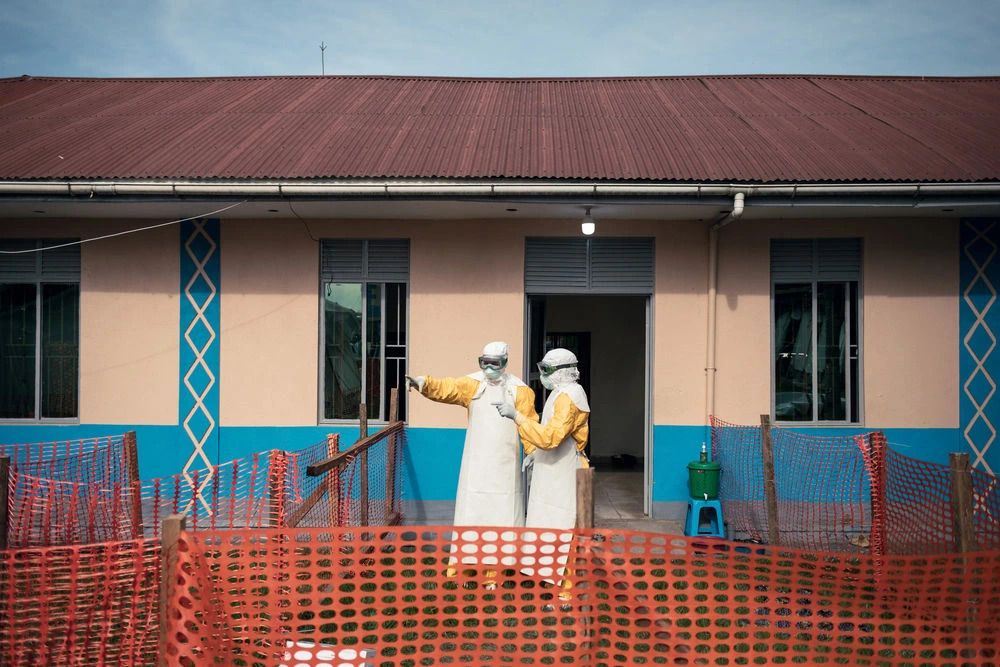
New Delhi: Every twelve hours, somewhere in the Democratic Republic of Congo (DRC), a child loses both parents to Ebola. Not to gunfire, not to the mines that power the country’s economy, but to a virus that has now killed more than 2,700 people – and left at least 180 children orphaned in the process, according to Save the Children. That is the story the case count does not tell.
The Bundibugyo strain has infected more than 5,600 people across the DRC, figures still climbing by the day. But the outbreak’s toll on children is only beginning to register. The longer it drags on – and even the Africa Centres for Disease Control and Prevention (Africa CDC) cannot say when it will end – the greater the risk that orphaned children face abuse, neglect, or lasting damage to their futures.
This would not be unprecedented. The West African outbreak of 2014-2016 left 30,000 children without one or both parents. That was, until now, the largest Ebola outbreak on record – and by Africa CDC’s own projections, this one is set to dwarf it, meaning the toll on children will likely be worse still.
The case fatality rate (CFR) – the number of deaths per 100 cases – is among the highest ever recorded among children in this outbreak, at 58.3-66 per cent. For context, Covid-19’s CFR was about one per cent, though Covid spread far faster than Ebola, travelling through the air in a way Ebola does not.
By contrast, the overall CFR of this outbreak is a severe 48 per cent, according to the World Health Organisation (WHO) and Africa CDC – in other words, nearly half of those infected with the Bundibugyo virus are dying. Among the working-age population (20-39), the CFR stands at 25.5-30.6 per cent.
Mining is the mainstay of DRC’s economy. The country holds some of the world’s largest reserves of copper, lithium and gold, and miners work in close physical proximity to one another. If a healthy person comes into contact with an undetected case, they can be infected through bodily fluids – urine, saliva, sweat or faeces – or by touching a contaminated surface. This explains the high CFR in this population.
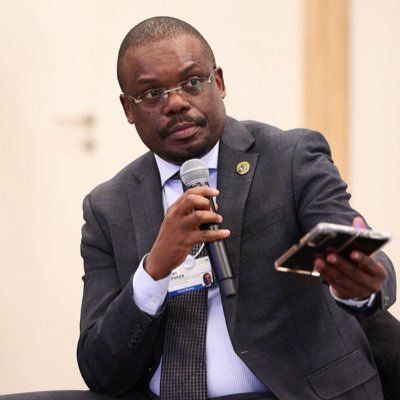
Africa CDC Director-General Jean Kaseya said at a press conference on August 20 that the true size of the outbreak could be three times larger than the confirmed figures indicate.
A Tracing System Overwhelmed
The biggest obstacle to controlling the outbreak is grossly inadequate contact tracing. This matters in any outbreak: untraced contacts fall through the cracks and keep spreading the virus at breakneck speed.
Africa CDC’s modelling estimates that 60 contacts should be traced for every known Ebola case. So far, only ten per case have been traced, and that figure has barely moved in more than two months – in other words, only 16-17 per cent of expected contacts have been found, against a target of 95 per cent, according to data shared by officials. “[Due to such underwhelming numbers], contact tracing is useless at the moment,” Africa CDC’s Yap Boum has said. Kaseya has been unequivocal in claiming that no one knows how long this outbreak will last.
The largest outbreak to date in West Africa lasted two years and killed more than 11,000 people. Little wonder, then, that multiple agencies now expect Bundibugyo to become the biggest Ebola outbreak in history.
Many news outlets have quoted the WHO as saying contact tracing is above 80 per cent. Kaseya has clarified that this figure refers only to contacts already known and listed by response agencies – it excludes contacts who are not on any list at all, meaning the true rate is much lower than 80 per cent suggests.
The virus is spreading largely unchecked. More than 60 per cent of deaths are occurring in the community, outside treatment centres and beyond the reach of response agencies, a sign of how little agencies have been able to do, even three months into the outbreak.
The WHO declared a public health emergency on May 17, 2026. It has sidestepped questions about why the declaration was delayed, but Kaseya says the outbreak most likely began in February, meaning Bundibugyo spread for months without raising alarm.
Distrust and Conflict Compound the Crisis
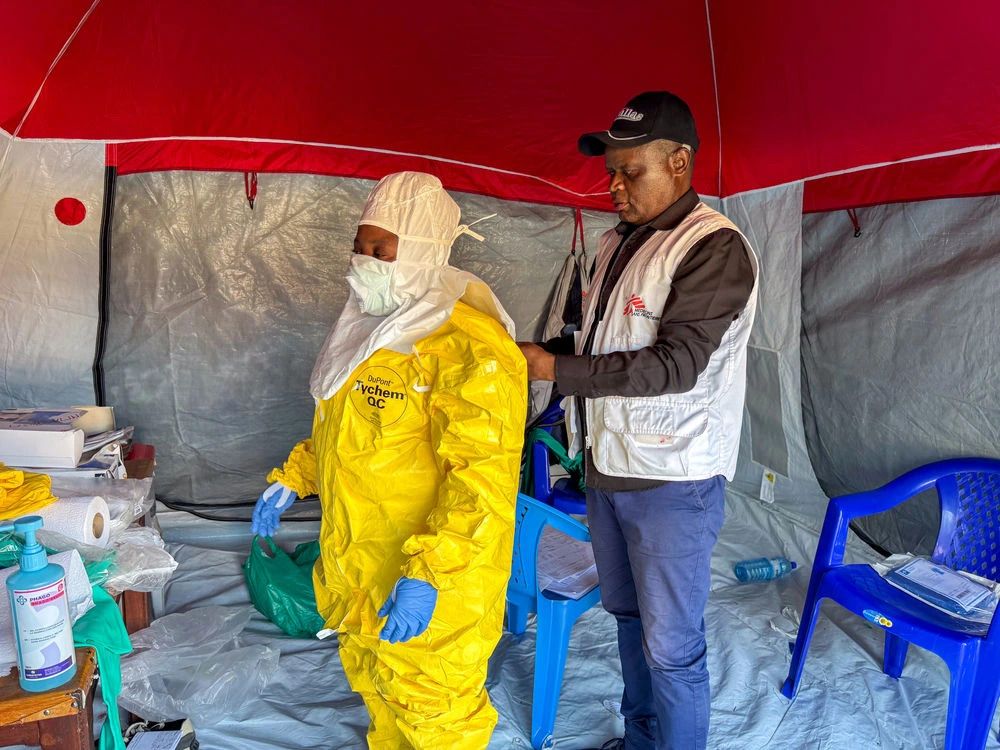
DRC is one of the world’s ten poorest countries and has barely any functioning health system. When agencies rushed to set up temporary treatment centres, they were met with acute distrust from local communities.
“A large segment of the public right now doesn’t trust public health institutions, doesn’t trust vaccines, and some don’t believe viruses are real," Amesh Adalja, an infectious diseases physician at Johns Hopkins Center for Health Security in the US, told NWS.
SitReps – the Ebola updates issued by DRC's presidential task force – document several instances of communities burning treatment centres and attacking healthcare workers. The head of the “animation cell” (the community health-awareness unit) was assassinated in Beni province, the August 28 SitRep stated.
Anastassia Chkolenok, MSF’s humanitarian affairs coordinator, told the NWS through email” “Intense fighting between non-state armed groups and government forces has escalated, leaving nearly one million people internally displaced, sometimes forced to flee multiple times.” Chkolenok added that displacement has pushed people into overcrowded camps where health and hygiene suffer badly. “Under these circumstances, it is very difficult to implement preventive measures, such as isolation, identifying suspect cases and ensuring proper contact tracing.”
A World Slow to Respond
Against such a backdrop, what did other countries do in response? Ebola has caused four major outbreaks before this one, alongside several smaller ones, and the world largely failed to heed the lessons. The last major outbreak was in West Africa in 2014.
“In January 2025, the US government terminated the US$100 million STOP Spillover project, which studies the spillover potential [the transfer of viruses from animals to humans] of Ebola virus in the DRC and the Uganda border region, including Bundibugyo virus,” notes The Lancet.
The US was not alone. “High-income countries cut global Official Development Assistance by about 23% in 2025, with the USA, Germany, UK, Japan and France responsible for nearly all of the total decline,” it adds – a cut that hit long-term Ebola research and strategy hard.
Countries are now in firefighting mode, with pledges arriving from all directions. The US is among the top funders, pledging $512 million. Total pledges from countries and partners, across two funding streams, stand at $2.5 billion – but only half had actually been released as of August 27.
The US has also imposed travel bans – the only country to do so – barring entry to DRC citizens. Other countries, including India, have instead introduced airport surveillance based on temperature screening and/or self-declaration forms covering itinerary and symptoms, an approach more in line with scientific guidance. Travellers showing symptoms are sent to isolation centres for 21 days, run by health authorities.
“Travel restrictions [bans] make it harder to get resources into the outbreak zone,” Adalja said, arguing that bans complicate rather than help the response. He also noted that during Donald Trump’s first term as US president, an Ebola outbreak occurred and no travel ban was imposed. “We have historical evidence they don't work and do cause harm. We saw it with Biden's South Africa ban during Omicron [imposed even as the Omicron variant was already spreading in the US], and we saw it in the HIV era,” he added.
Notably, across all previous Ebola outbreaks combined, only 27 people outside Africa have ever been infected. This year, an imported case was confirmed in France; the patient has since been discharged.
Some Signs of Hope
Amid the grim numbers, however, there are still some silver linings. The WHO declared the Ebola outbreak in Uganda over on August 27, having discharged its last case in July. Uganda recorded just 20 cases in total.
There is still no approved vaccine or treatment for the Bundibugyo strain, but at least four vaccine candidates have been identified for trials. One, developed by Oxford University scientists and manufactured by the Serum Institute of India, has already begun phase one trials; Moderna has started trials of a separate candidate, Africa CDC confirmed on August 27. A timeline for completing all three phases of trials is not yet clear.
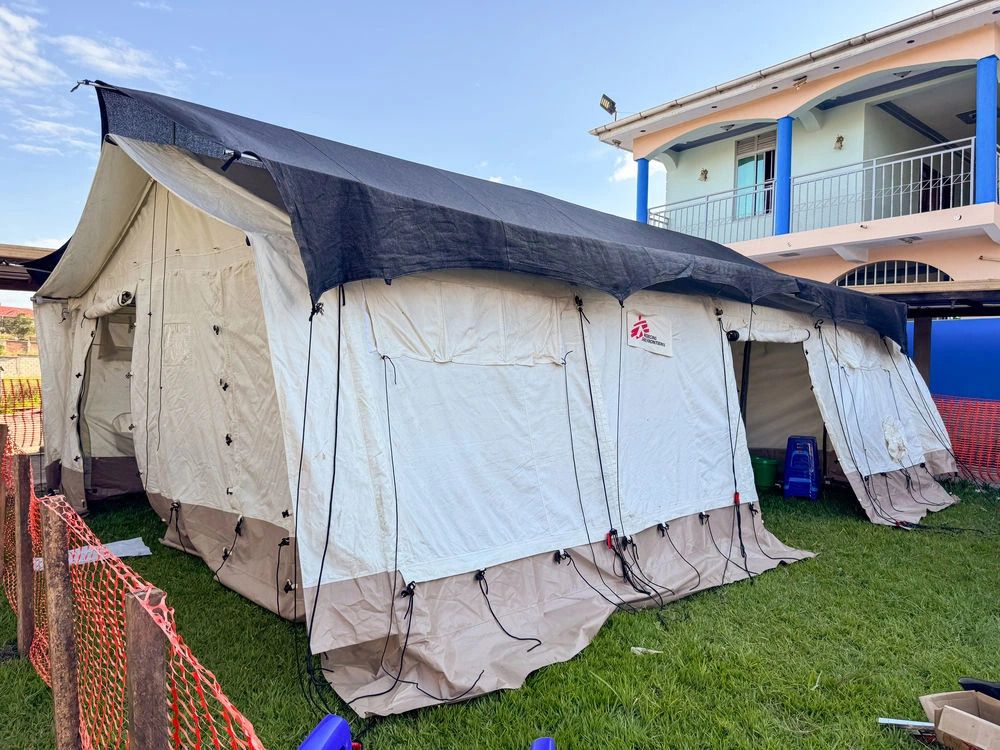
The 2025 Ebola outbreak was caused by the Zaire strain, against which the Ervebo vaccine was administered. Health agencies are now vaccinating frontline health workers and other vulnerable groups with Ervebo in the hope it offers some cross-protection against the Bundibugyo strain too – a “compassionate use” approach, deployed under dire circumstances despite the absence of clinical proof of efficacy against this strain. The challenge is that only 23 per cent of allocated Ervebo doses have reached DRC so far.
On the treatment side, clinical trials have begun for remdesivir and a monoclonal antibody combination (MBP134), both already used against other diseases, to test whether they can be repurposed against Bundibugyo. Volunteer enrolment is picking up but had reached only 11 per cent of its target as of August 27.
Despite these hopeful indications, virologist Shahid Jameel, a fellow at Oxford University, sounds a warning: “The recent outbreaks of Hantavirus and Ebola illustrate that if animal-to-human transmission for different viruses is not continuously studied and monitored, we will be caught off guard in the future also, with many such outbreaks.”
Will the global community listen?