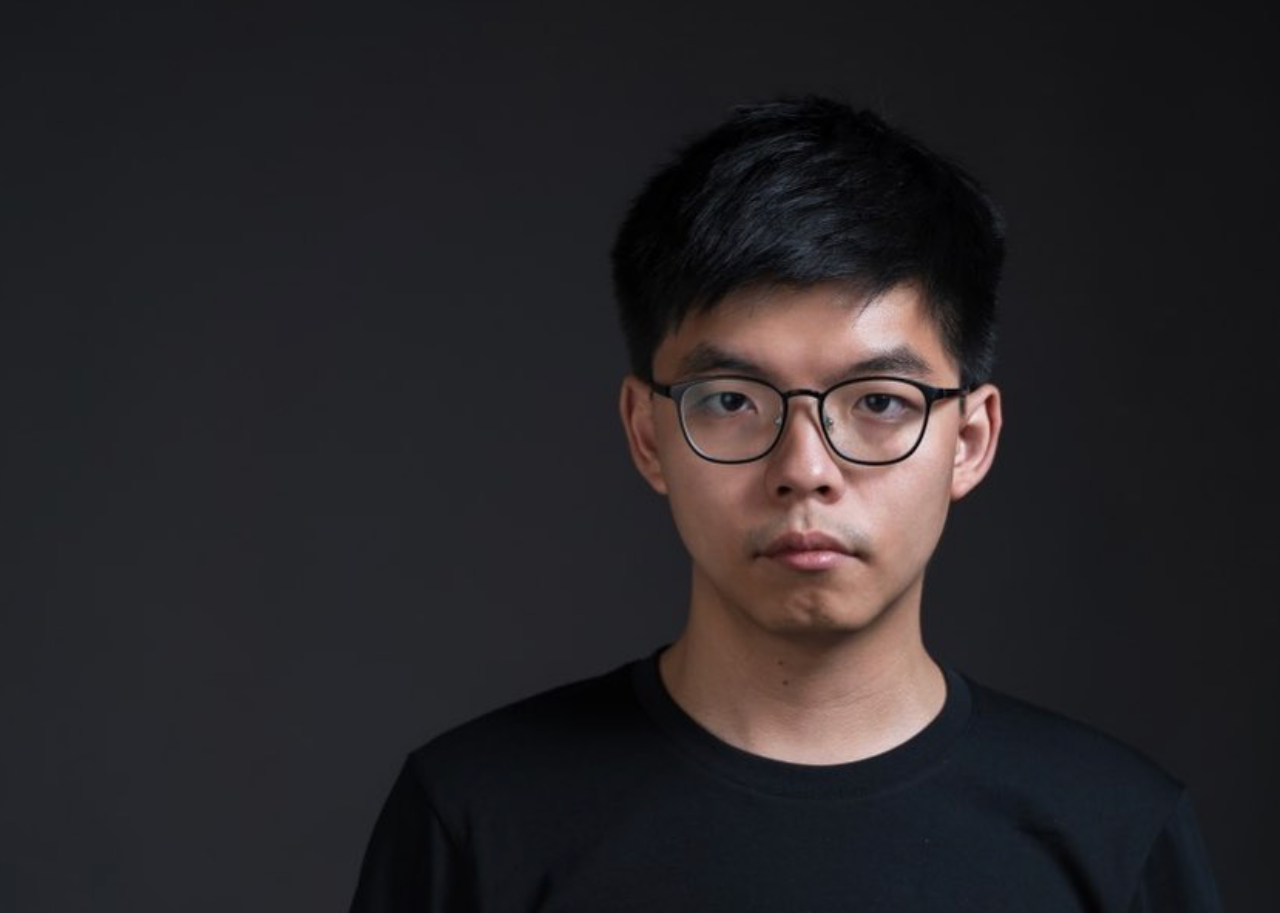
Joshua Wong, the student activist who became the best-known face of Hong Kong’s pro-democracy movement, now faces years more behind bars after pleading guilty on September 2 to a second national security case – a development being watched well beyond Hong Kong as a marker of Beijing’s crackdown on the city's remaining dissidents. Wong pleaded guilty to conspiring with fellow activists to invite foreign sanctions and blockades against China and Hong Kong, in connection with acts alleged to have taken place between July and November 2020, shortly after Beijing introduced the National Security Law (NSL).
The NSL gives Beijing sweeping judicial powers to bypass local courts, suppress political dissent, and erode Hong Kong’s promised autonomy; it criminalises secession, subversion, and foreign collusion, and was introduced to stop the anti-government protests that had convulsed the city the year before. The charge that Wong admitted to carries a sentence of three to 10 years, or up to life imprisonment if deemed “grave”. His lawyers have asked the court for leniency, citing his guilty plea; sentencing has yet to be handed down.
Wong is no stranger to Hong Kong’s courtrooms or its cells. He has spent most of the years since September 2020 in custody, moving between sentences for earlier protest-related offences before being convicted of subversion in 2024 and jailed for four years and eight months – a term that had been due to end in January 2027. He was still serving that sentence, inside Stanley Prison, when he was arrested in June 2025 over the new collusion charge, alongside exiled activist Nathan Law. Law, who now lives in the UK after being granted political asylum there, is accused alongside Wong of conspiring to urge foreign powers to impose sanctions and hostile measures against China.
A Teenager Who Became a Symbol
Wong was 17 when he rose to international prominence during the 2014 pro-democracy protests. As one of the student leaders, he helped galvanise thousands into occupying the forecourt outside Hong Kong’s government headquarters for about 79 days, demanding free elections for the city’s Chief Executive. His arrest was widely televised and made him an international symbol of resistance against Beijing’s political influence; Time magazine put him on its cover and named him one of its most influential teenagers of 2014.
That reputation had roots two years earlier, when, as a schoolboy in 2012, he helped organise opposition to a proposed national education curriculum that critics said would promote a pro-Beijing worldview. Together, the 2012 and 2014 campaigns established Wong’s political identity – young, highly visible, and willing to challenge Beijing despite the risks. In 2016, he and fellow activist Agnes Chow founded Demosisto, a political party advocating greater democracy in Hong Kong’s future.
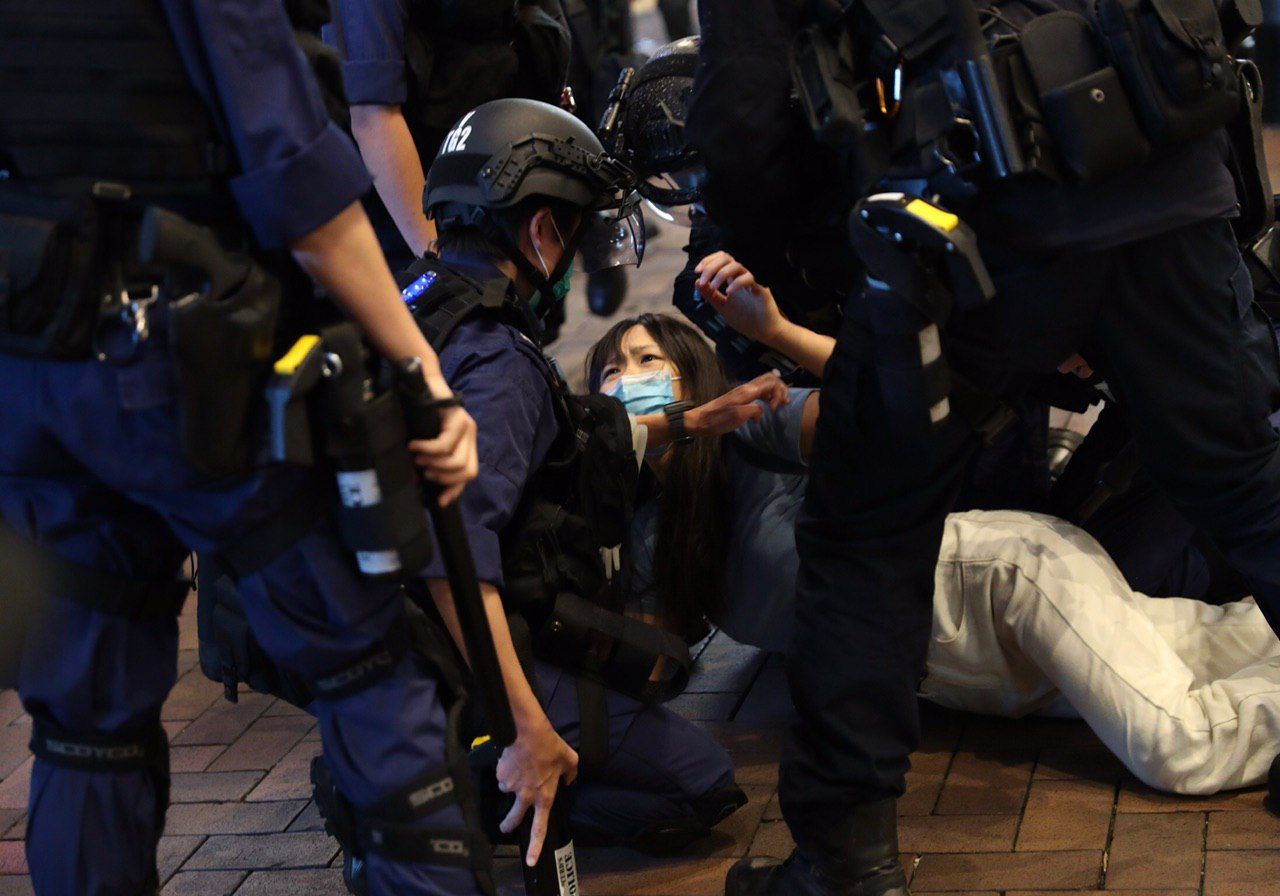
Wong did more than lead protests on the ground – he became an international emissary for the movement, travelling abroad to lobby foreign politicians and press governments to pressure Beijing over its treatment of Hong Kong. In 2017, he met then-House Speaker Nancy Pelosi and Congressman Marco Rubio to build international support for the movement. It was precisely this kind of overseas advocacy that prosecutors cited as the basis of the case to which Wong has now pleaded guilty.
The Reckoning
When Beijing imposed the National Security Law in June 2020, Demosisto dissolved the same day, and Wong was arrested soon after. He was later charged over his role in organising an unofficial primary election held by the democratic camp that year; prosecutors said the plan was designed to paralyse the Hong Kong government and force the chief executive’s resignation if the opposition won enough seats. Wong pleaded guilty and was sentenced in 2024.
The case now before the court – the conspiracy to solicit foreign sanctions – draws on the same 2020 period but carries a still steeper maximum penalty.Wong’s case sits within a wider pattern. In February 2026, media tycoon Jimmy Lai was sentenced to 20 years in prison on charges of colluding with foreign forces and publishing seditious material through his newspaper, Apple Daily. On August 21, a Hong Kong court convicted veteran activists Lee Cheuk-yan and Chow Hang-tung of inciting subversion for organising the city’s annual Tiananmen Square candlelight vigils; both now face up to 10 years in prison when sentencing follows.
For critics, Wong’s transformation – from teenage protest leader to recast national security defendant – illustrates how thoroughly Hong Kong’s once-thriving opposition has been dismantled, one prosecution at a time. With prominent pro-democracy figures now imprisoned, exiled, or withdrawn from public life, his supporters see the latest conviction as further evidence of a security law being used to extinguish political dissent rather than merely policing it. To Beijing and the Hong Kong authorities, by contrast, Wong remains an unrepentant threat to national security who has knowingly invited foreign interference in Chinese affairs.