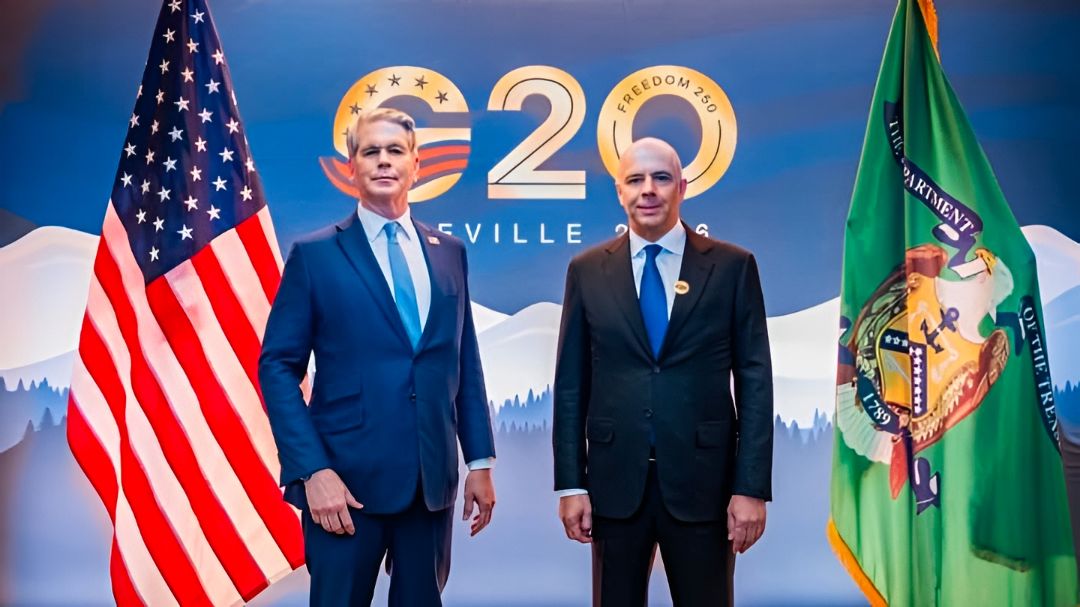
In the space of a single week, Washington has reopened financial, diplomatic and intelligence channels to Moscow simultaneously – even as the war in Ukraine grinds on –, leaving European allies alarmed that the United States is moving towards normalisation with Russia faster than they are prepared to accept.
Siluanov’s surprise return
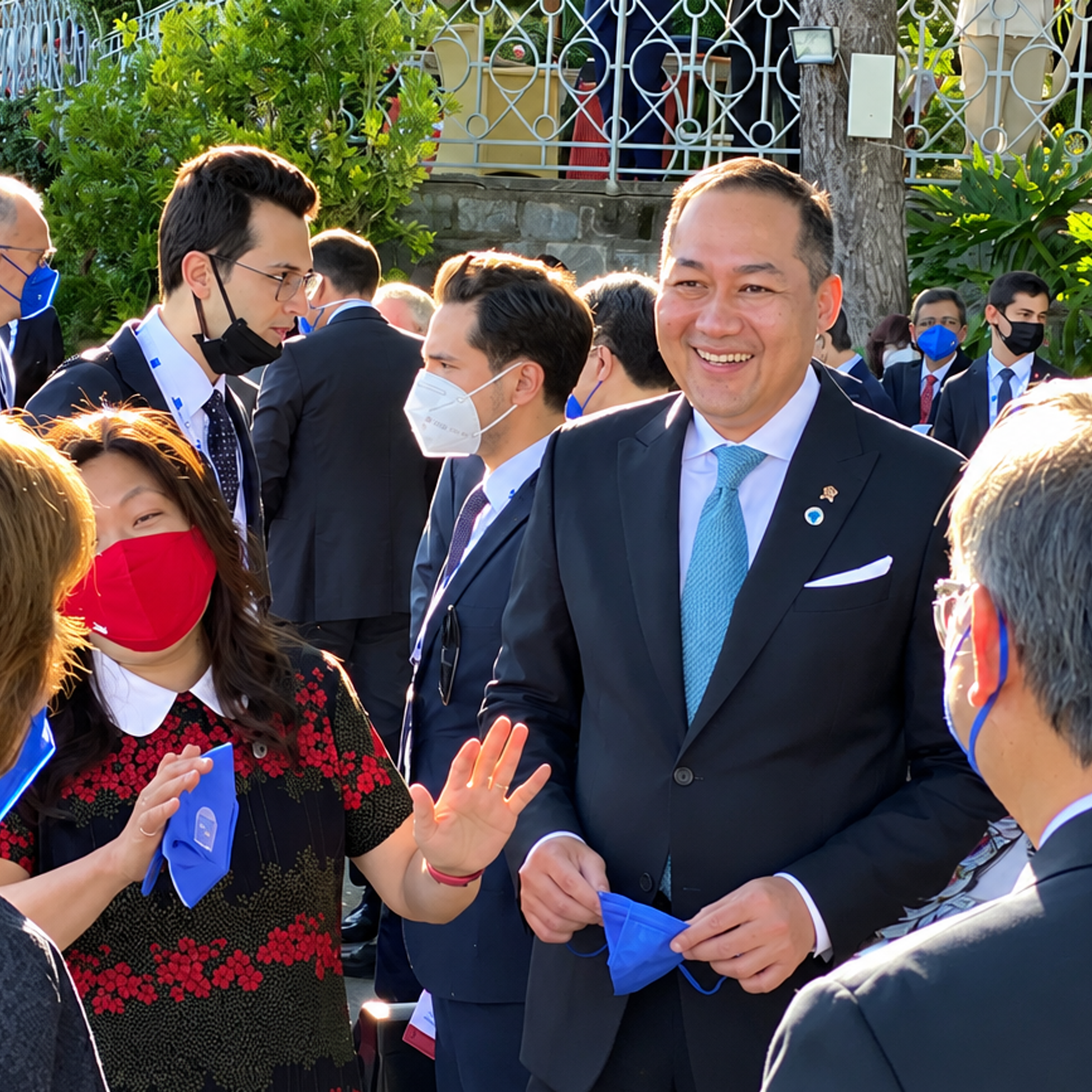
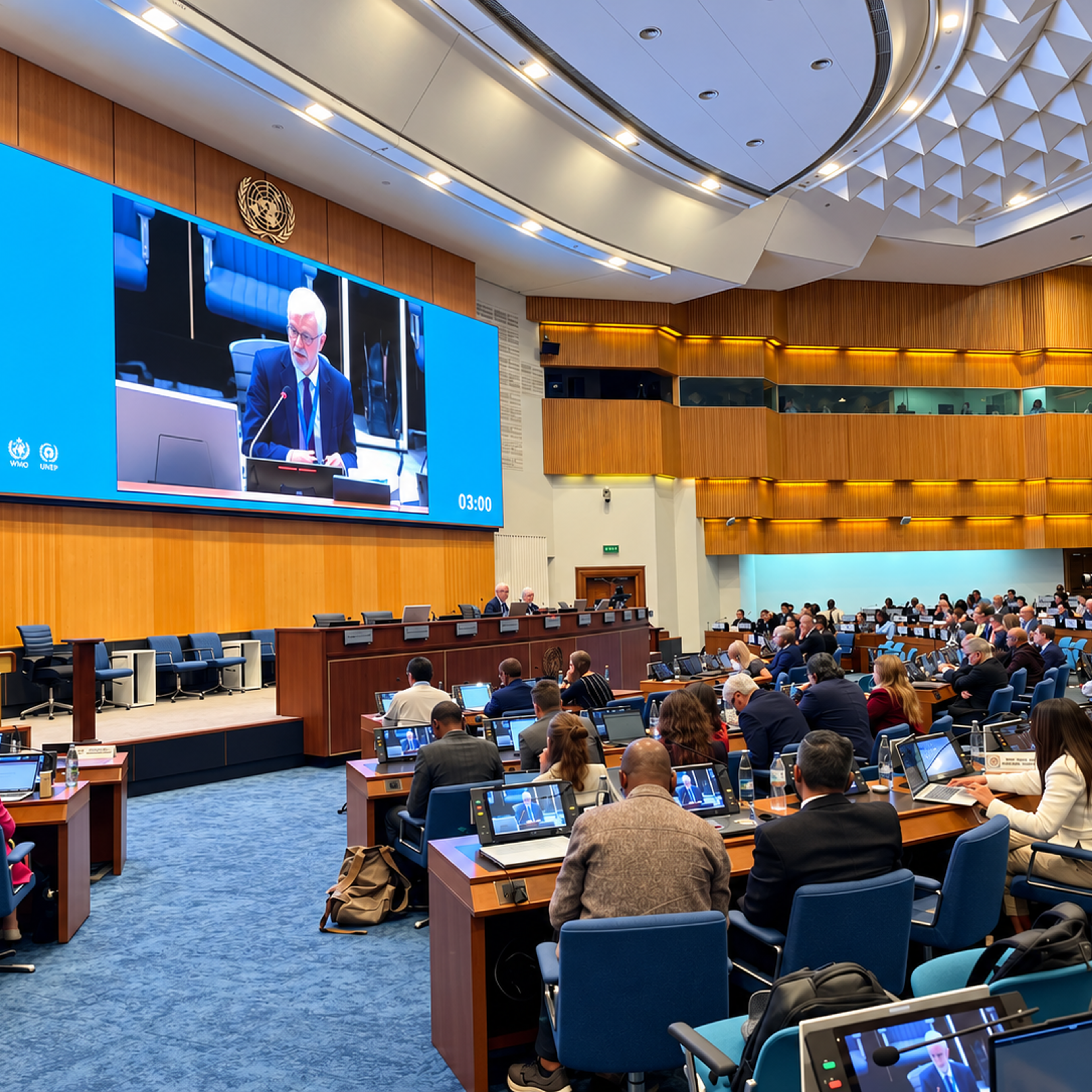
Russian Finance Minister Anton Siluanov made a surprise appearance at the US-hosted G20 finance talks in Asheville, North Carolina, on Monday (August 31), sparking frustration among European ministers. It was the first time Siluanov, who was appointed minister in 2011, had attended a G20 meeting in person since Russia launched its full-scale invasion of Ukraine in 2022, and it marked a sharp reversal from the April 2022 G20 meeting in Washington, when his virtual appearance prompted officials from Canada, the UK, the US and the European Central Bank to walk out. By Europe’s count, this was the first time Russia had taken part in four years of G20 gatherings.
The two-day meeting unfolded against a backdrop of global debt nearing a record $353 trillion, an energy shock from the US-Israel war on Iran, and rising tension over China’s trade surplus.
The gathering also coincided with the US Treasury restricting access for journalists from several major outlets, including Bloomberg, The New York Times and The Wall Street Journal, without explanation. The New York Times called the exclusion of specific reporters and organisations “a blatant attempt to evade public scrutiny”.
“With the war in Iran, sanctions, the bond markets, and inflation on the agenda for the G20 finance ministers, the stakes of this gathering are significant for the global economy and the American people,” the daily said. “Excluding specific reporters and entire news organizations is a disservice to the public and an assault on press freedoms that we strongly condemn.” The National Press Club, too, said no administration should be able to handpick the press corps that scrutinises it.
Bessent, Siluanov and Trump’s peace plan
Siluanov held a bilateral meeting with US Treasury Secretary Scott Bessent, which Russia’s finance ministry said centred on financial cooperation within the G20 framework; a US official said the talks in fact focused on President Donald Trump’s peace plan for Ukraine. Bessent separately made clear that no economic relief for Russia was possible until the war ends. Asked about the invitation to Siluanov, Trump told reporters he liked “getting along with everybody.”
Europe pushes back
Polish Finance Minister Andrzej Domanski said he was unhappy to see Russia represented, telling Reuters: “We do not trust Russia. They lie constantly and you need to be really, really cautious while discussing with them.” He asserted that Moscow remained the aggressor in the war. German Finance Minister Lars Klingbeil called Washington’s welcome of Siluanov “a signal I find troubling”, noting that Europe is preparing a further sanctions package against Russia and hopes for close cooperation with Washington on it. European ministers and central bankers, including European Central Bank President Christine Lagarde, also declined to appear with Siluanov for the traditional G20 “family photo”, which was ultimately taken without him.
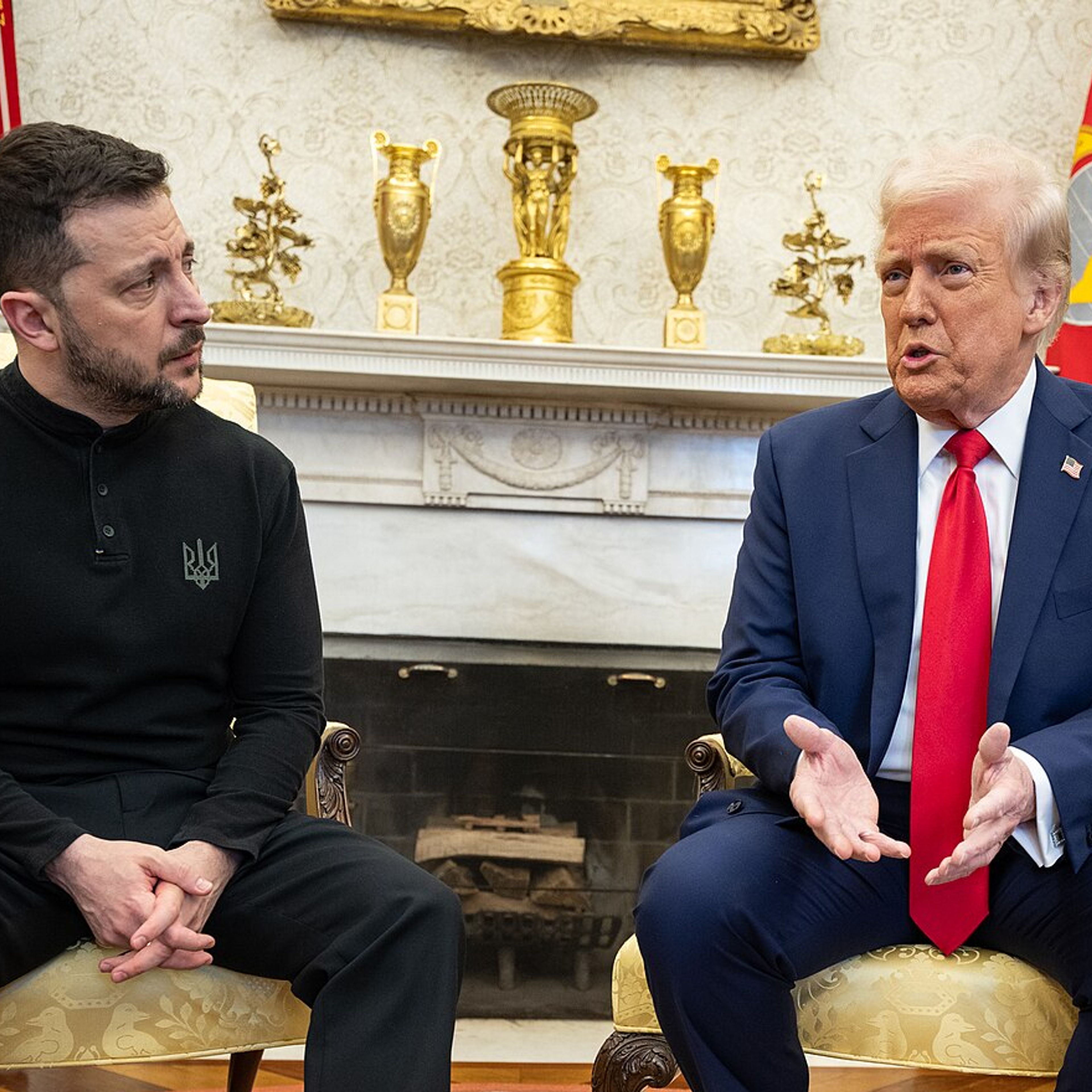
Days earlier, between August 25 and 26, the CIA Director John Ratcliffe travelled to Moscow for a rare high-level meeting with FSB chief Aleksandr Bortnikov, floating the possibility of a three-way summit between Trump, Ukrainian President Volodymyr Zelenskyy and Russian President Vladimir Putin. Trump characterised the visit as “standard business”.
Beijing reaffirms its own alignment with Moscow
The same week, Chinese President Xi Jinping met Putin on the sidelines of the Shanghai Cooperation Organisation summit in Kyrgyzstan, telling him that relations between Beijing and Moscow had “even brighter” prospects ahead, even as he acknowledged that “uncertainty and unpredictability in the international order has obviously increased”. Beijing continues to deny Zelenskyy’s allegations that it has given Russia material support for the war, maintaining its relationship with Moscow is a strategic partnership rather than a formal military alliance.
Washington never formally expelled Russia from the G20 after the 2022 invasion, and its return to the table shows that isolation has limits. But for European capitals, the sight of Moscow back in the room – alongside a CIA-FSB channel and talk of a Trump-Putin-Zelenskyy summit – risks suggesting that Washington is racing towards normalisation faster than its allies are ready to follow.