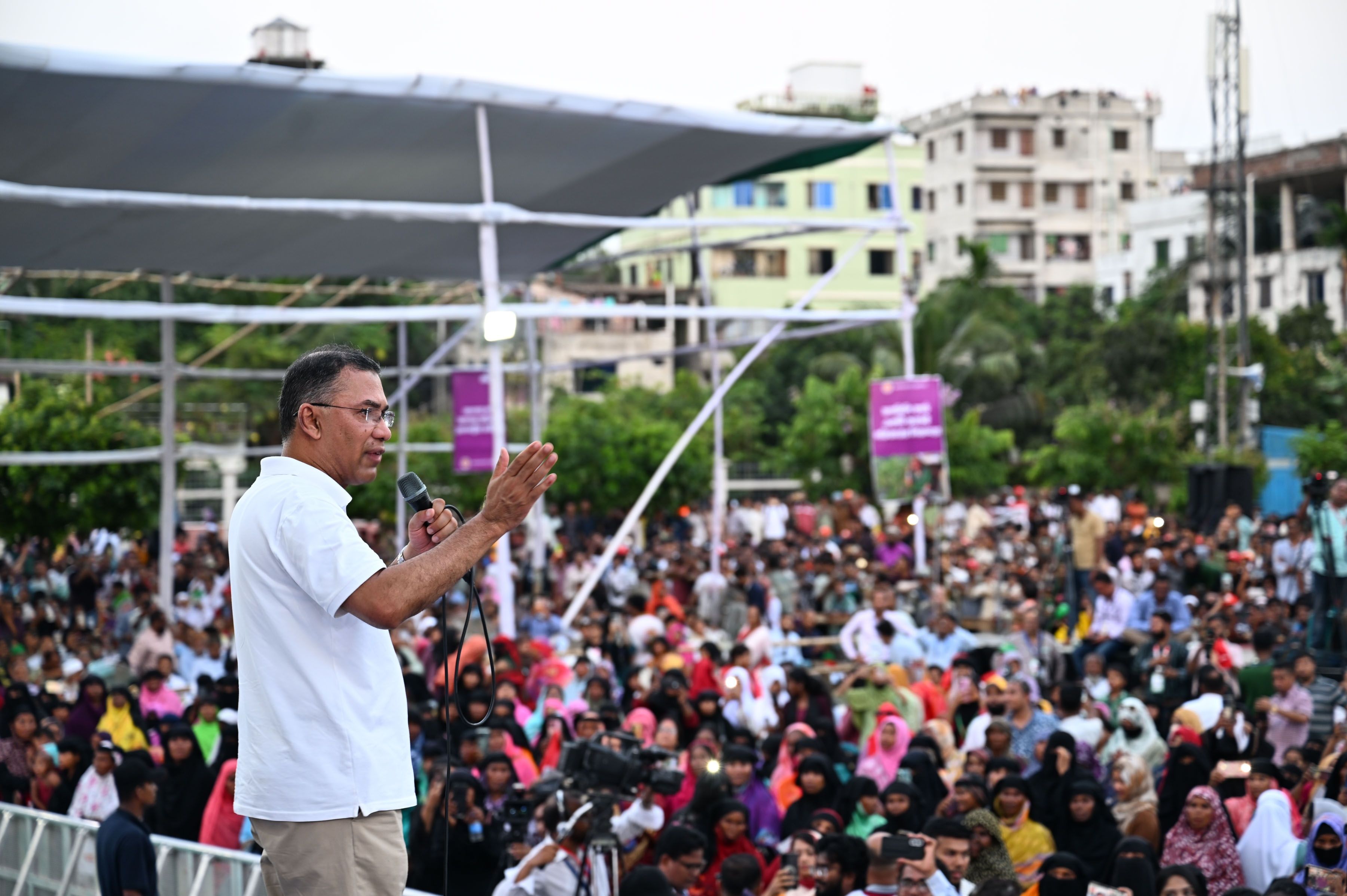
Kolkata/India: Mecca or Delhi first? For Bangladesh’s new prime minister, the answer to that single scheduling question may say more about South Asia’s shifting alliances than a dozen white papers. Tarique Rahman’s government is keeping India waiting on an invitation to visit New Delhi, even as it openly courts the emerging Saudi-Pakistan-Turkey axis. Which capital he visits first has become one of the biggest diplomatic questions in South Asia.
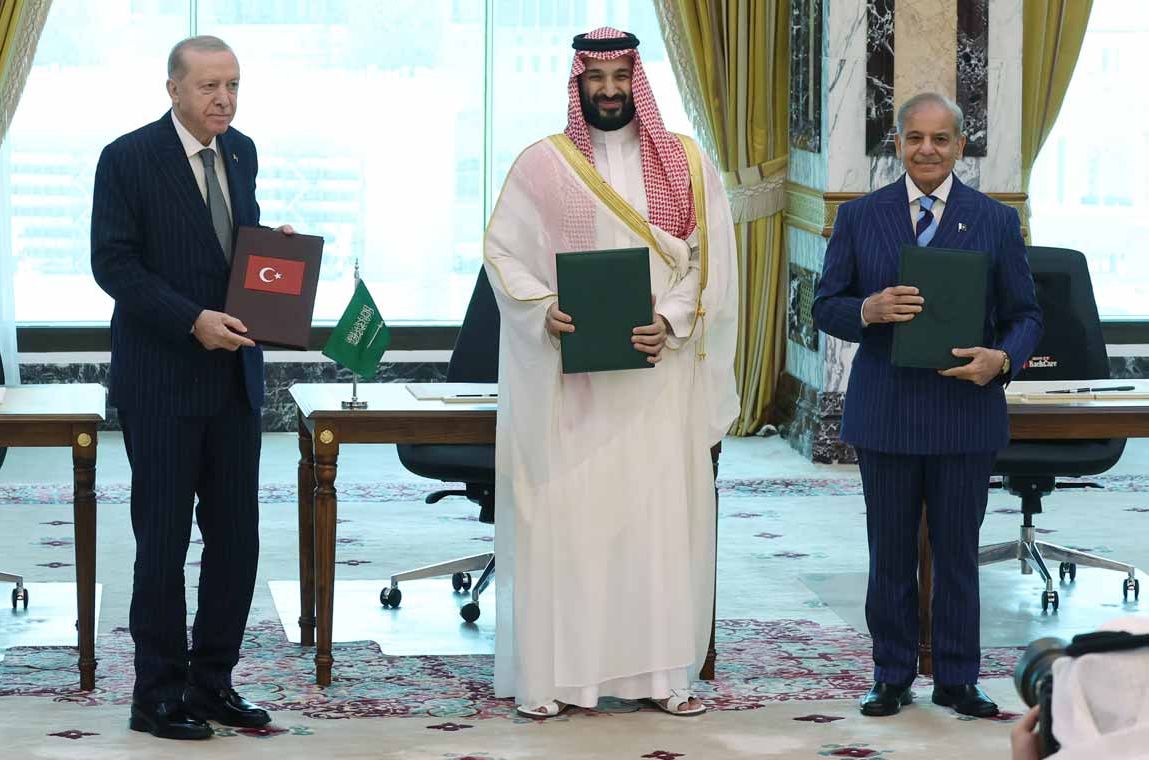
Saudi Arabia, Pakistan and Turkey signed the Makkah Joint Defence Agreement (Mecca pact) on August 7, 2026. Bangladesh swiftly signalled its interest in joining, and Saudi Crown Prince Mohammed bin Salman responded by inviting Rahman to Riyadh to discuss bilateral ties and regional affairs. The visit is reportedly being scheduled for October 2026.
How Bangladesh responds could reshape South Asia’s political equations. Joining the pact would mark the first time Dhaka would depart from its non-aligned foreign policy. Some diplomatic observers suspect Bangladesh is leaning towards calculated hedging rather than a wholesale realignment. Others say membership cannot be ruled out. Even short of that, Rahman visiting Saudi Arabia before India would be widely read in Delhi as a snub.
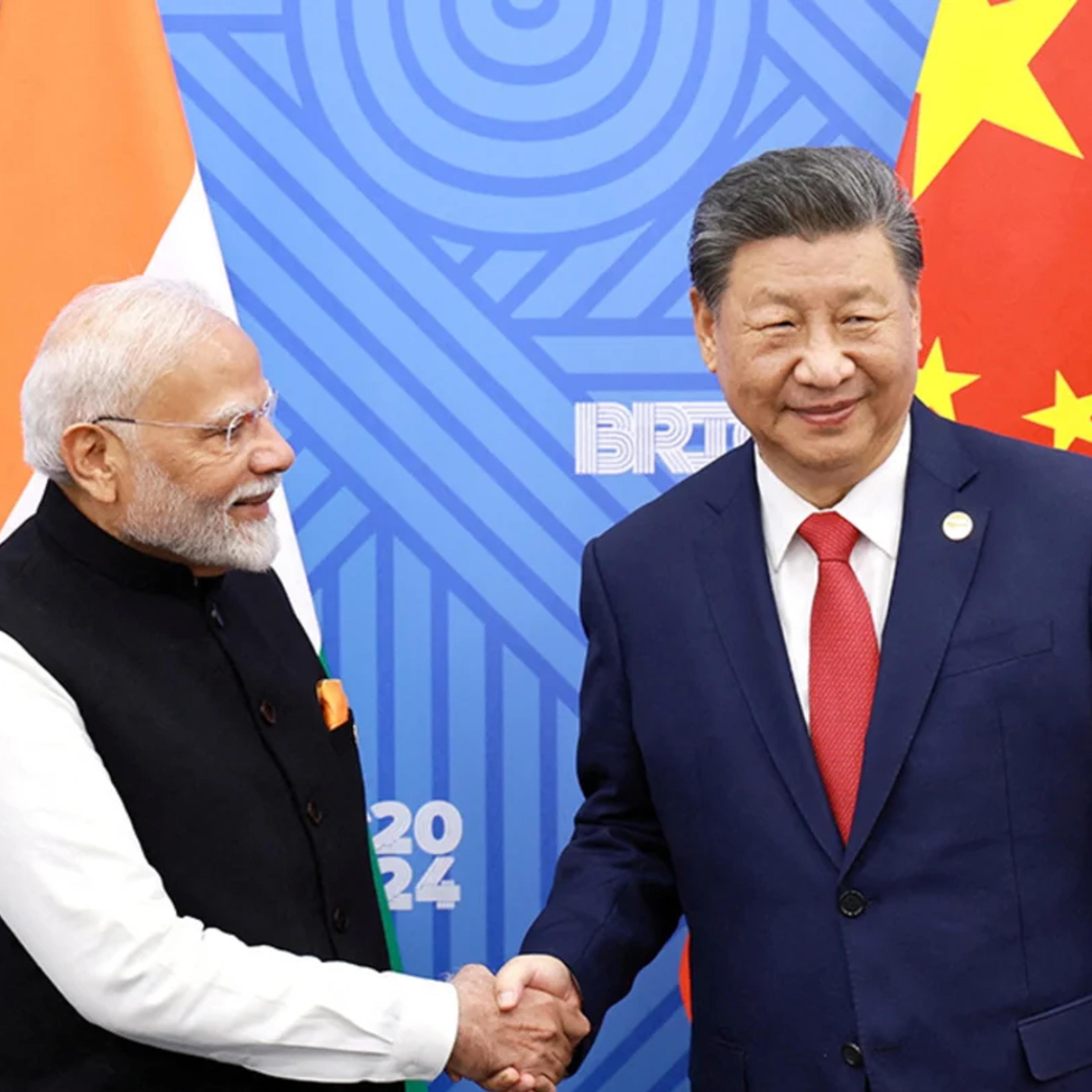
India invited Rahman soon after he came to power following the February 2026 election. He visited Malaysia and China in June instead. India renewed the invitation in July, this time for the BRICS summit scheduled for September 12-13. Then, on August 5, deposed prime minister Sheikh Hasina – who has lived in India since her ouster in August 2024 – gave a media interview that derailed the budding Indo-Bangladeshi discussions.
Hasina has been sentenced to death in absentia in Bangladesh for her role in the police crackdown on youth protesters in July-August 2024. Dhaka has taken a firm line that no meaningful talks can happen unless India creates a “propitious environment” by acting on Bangladesh’s demand for her extradition, among other issues.
Soon after, Bangladesh expressed interest in joining the Mecca pact, which carries a NATO Article 5-style clause: an armed attack on any one of the three members is to be treated as an attack on them all.
The timing
“We are interested in the Mecca Defence Pact matter,” Bangladesh’s state minister for foreign affairs, Humaiun Kobir, told reporters in Dhaka on 24 August. “We hope to respond positively.”
The remarks came two days after he said there was no rush over Rahman’s trip to India – that it could happen within a week or two if the two sides could reach an agreement centred on Bangladesh’s national interests. “They are our neighbours. We should have a working relationship,” he said, “but it has to be done by prioritising Bangladesh’s national interests.” On the possible Saudi visit, however, Kobir said a decision was likely to be finalised soon.
His remarks echo what Rahman calls the “Bangladesh First” policy – developed as an alternative both to Hasina’s perceived pro-India tilt and to Jamaat-e-Islami’s (JeI) pro-Pakistan stance. The ruling Bangladesh Nationalist Party (BNP) casts itself as a centrist-liberal force favouring a middle path over closeness to any one partner. Joining the Mecca pact, though, would mean leaning towards Pakistan – a shift the opposition, JeI and the National Citizens Party (NCP was formed last year by leaders of the youth uprising that toppled Hasina) would wholeheartedly welcome.
Foreign Minister Khalilur Rahman struck a more cautious note while addressing parliament, saying no formal proposal had yet been received but that the government would consider the matter favourably should the member states extend an invitation.
“This is calibrated hedging. As of now, Bangladesh is merely flirting with the agreement. It looks like a low-cost way to extract benefits either from the Gulf countries or India,” a former Bangladeshi diplomat who wished to remain unnamed told NWS.
India, for now, has reserved its response. Foreign ministry spokesperson Randhir Jaiswal said New Delhi was monitoring all developments closely, particularly those with implications for India’s security.
Balancing domestic demands and international interests
India-Bangladesh relations have never sunk this low, says Sabyasachi Basu Ray Chaudhury, political scientist based in Kolkata, the largest city in eastern India with which Bangladesh has had historic ties. The growing influence of JeI at home, he says, makes it politically difficult for the BNP government to soften its stance on Hasina’s extradition. “India is raising bilateral interests like the renewal of the Ganga water-sharing treaty to keep Bangladesh onside. However, the Rahman government is likely trying to use the Mecca pact discussions to harden its bargain with India,” he told NWS.
Basu Ray Chaudhury stresses that in diplomacy, geography often outweighs history. “You can’t change your neighbours. Unfortunately, India seems to be getting isolated and friendless in its own neighbourhood.” Bangladesh sits between India’s east and northeast, and the fastest routes between the two regions – road or power supply alike – run through Bangladesh.
Geography cuts both ways: Bangladesh is bordered by India on its east, north and west, and its relationship with Delhi is central to its economy, trade, water-sharing, connectivity and border security. Given this mutual dependence, some observers think a phased engagement with the Mecca pact, rather than immediate full membership, cannot be ruled out.
Dhaka-based commentator Kallol Mustafa worries that signing such a pact could turn Bangladesh into a battlefield in any future India-Pakistan conflict. Many in Bangladesh believe the pact would shield the country from Indian dominance through the intervention of Saudi Arabia, Turkey and Pakistan – but Mustafa argues this underestimates how deep India’s leverage over Bangladesh runs, spanning borders, river water-sharing, maritime boundaries, trade and culture. “It is unrealistic to expect that Pakistan, Saudi Arabia, or Turkey – none of which share a border with Bangladesh – would step in to resolve these specific issues. These nations are driven by their own respective economic and military interests,” he told NWS.
Additionally, Mustafa argues that a military alliance with Pakistan would let India reframe Bangladesh’s bilateral disputes as extensions of the wider India-Pakistan rivalry. “India could then portray matters concerning rivers, borders, trade, or other bilateral disputes as mere reflections of the India-Pakistan rivalry.”
Realignment?
Bangladesh has long pursued a foreign policy of “friendship to all, malice towards none”. Joining a defence pact that includes Islamabad would break with that tradition, and many in Dhaka know a formal commitment would alarm, and potentially antagonise, New Delhi.
Even so, a senior BNP leader told NWS that India needs to understand it has deeply hurt the party by allowing Hasina’s media interview. “They pushed us into a domestic situation where it's difficult for us to go soft on the Hasina question,” the leader said, requesting anonymity, adding that public sentiment in the country is such that Rahman visiting India without first securing concessions could prove politically suicidal for the party. “The opposition would say we are continuing with Hasina’s policy of surrendering before Indian interests.”
A section of the NCP leadership’s growing ties with Turkey has not gone unnoticed in Bangladesh in recent months – nor has the rapid expansion of Islamist political forces at home. In what looks like a bid to play Islamic-solidarity politics domestically, Kobir said, “Mecca is in the heart of Bangladesh and in the hearts of the people.” Ankara’s outreach hasn’t been confined to the NCP either; the BNP government itself appears to be warming to Turkey. Rahman is already expected to visit Turkey in November, a trip that may include the signing of defence-technology assistance agreements.
This comes as Bangladesh moves closer to a deal to buy Chinese J-10CE fighter jets, citing the aircraft’s reported combat performance.

Sydney-based Bangladeshi academic Mubashar Hasan believes Bangladesh should not sign on to any military or security alliance at all. Given its population density and geography, he argues, the country cannot afford to be drawn into a conflict between other states. “Bangladesh’s economy has diverse multilateral inflows and outflows. Joining any alliance will jeopardise it,” he told NWS, suggesting Dhaka should instead try to balance the region’s competing interests.
What the treaty means
Many have already dubbed the Mecca Agreement an “Islamic NATO”, but it lacks NATO’s comprehensive military command, a permanent joint military structure, or long-standing institutional mechanisms – and the three signatories’ security priorities differ substantially. That, some observers say, makes the pact more symbolic than a practical military grouping.
In Bangladesh, the strongest argument for joining is expanded strategic reach: access to defence technology, training, diplomatic leverage and new security partnerships. Some opposition leaders argue Bangladesh’s foreign policy should not be dictated by how India reacts. Shafiqur Rahman, the JeI’s Amir, has said that acting solely in the national interest is Bangladesh’s sovereign right.
Hasan notes that those in favour of joining the Mecca pacts argue that it would deter “India's regular interference through its intelligence agencies”. Bangladesh’s Commission of Inquiry into Enforced Disappearance found that people had even been taken to India after being forcibly disappeared. Pact supporters argue that membership would make it harder for Indian operatives to work inside Bangladesh.
The Bangladesh army has its own interests, too. “As money dries up for the United Nations and UN peacekeeping missions, joining the pact will open new opportunities for Bangladesh’s military establishment,” Hasan said.
Mustafa points out that even the Gulf states themselves have mutual doubts about the agreement. Since Bangladesh relies on these Gulf nations for remittances and energy supplies, he says, it makes little sense to complicate those relationships by entering a defence pact involving another regional player. “It is extremely dangerous for the government to display a positive attitude toward this agreement without thoroughly scrutinising its pros and cons or holding adequate national-level discussions and debates,” he said.
After meeting Saudi Ambassador Abdullah Jafar Bin Abiyah on August 30, Kobir dismissed these concerns, calling the pact a “unique agreement” that is “creating new opportunities”. Joining it, he said, would neither expose Bangladesh to fresh risks nor limit its engagement with other partners. Dhaka, he added, would pursue a “balanced, integrated, and flexible foreign and security policy while maintaining equilibrium in its international relations”, in step with a volatile global order. “In today’s unstable or crisis-prone international political climate, engaging in one specific area does not mean you cannot contribute to other alliances or sectors,” he argued.
Not many political observers in Bangladesh share his optimism. For a country that has spent five decades avoiding entangling alliances, the choice ahead is no longer whether to lean – but which way, and how far.