Niigata/Nagano/Gunma: Outside a small hotel in Naeba, Tom Chou steps out for a cigarette before heading back inside. He works for a Taiwan-based company that bought the once-shuttered hotel, sat empty for years, and reopened it for skiers. It’s now expanding to other resort towns nearby. Multiply that story a few thousand times, and you start to see what’s happening across rural Japan.
Similar stories are playing out across rural Japan, though the scale and impact vary sharply from town to town. Foreign buyers are snapping up everything from ageing akiya to ski properties worth well over a million dollars, raising a question for shrinking communities: is overseas money reviving abandoned properties, or pricing locals out of Japan’s most desirable rural areas?
Nine Million Empty Homes
Japan’s vacancy crisis is staggering: more than 9 million homes stood empty in 2023, 13.8 per cent of the entire housing stock, according to the government’s Housing and Land Survey. The cause is no mystery – population decline. Preliminary 2025 census data shows the population fell in 1,558 of Japan’s 1,719 municipalities, over 90 per cent of them.
To cope, towns across the country have built akiya banks – databases matching vacant-home owners with buyers or renters, often paired with renovation subsidies. One national platform, run by Lifull Homes’s, now lists more than 8,300 properties across 786 municipalities. For many towns, the goal isn’t just selling houses – it’s finding anyone willing to move in at all.
Foreign Ownership Comes Into Focus
Japan doesn’t restrict foreigners from buying ordinary residential property or land. But until recently, buyers weren’t required to declare nationality when registering a purchase, so no one really knew how much property foreigners owned. The Justice Ministry is now changing that, collecting nationality data to build a clearer national picture. Until it accumulates, local reporting is the only real window into the trend.
From Bargain Homes to Billion-Dollar Resorts
“Foreign buyers” is a broad label covering very different people with very different motives – lifestyle seekers, investors, tourism developers.
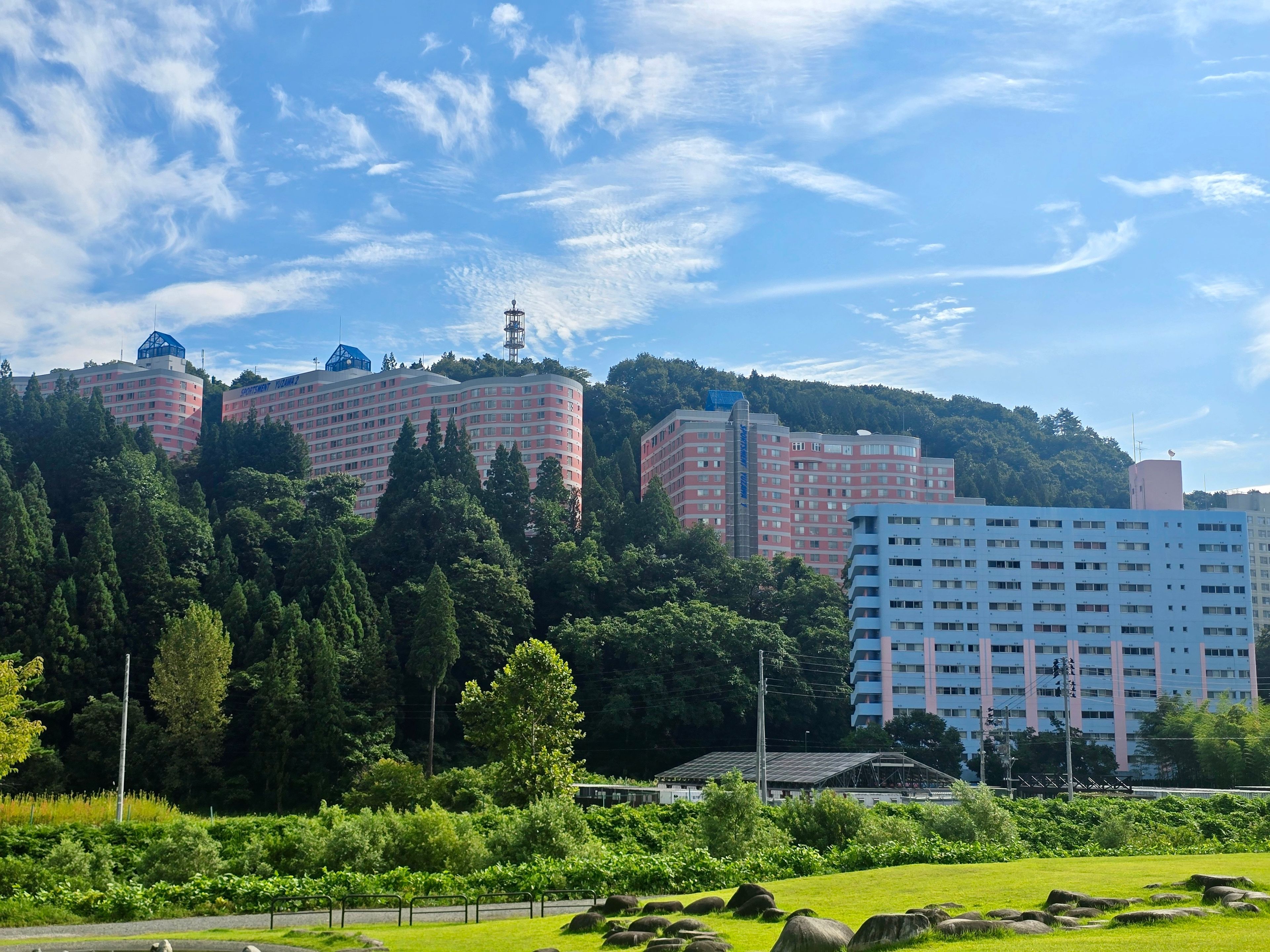
Yuzawa shows one end of the spectrum. Resort condos and hotels that lost their value after Japan’s asset bubble burst have drawn Chinese, Taiwanese and other overseas buyers hunting for cheap second homes or a foothold in local tourism. The Naeba hotel where Chou works sat empty seven or eight years before its Taiwan-based owners renovated it; it now serves Taiwanese and Chinese skiers in winter and Japanese visitors during the Fuji Rock Festival in summer.
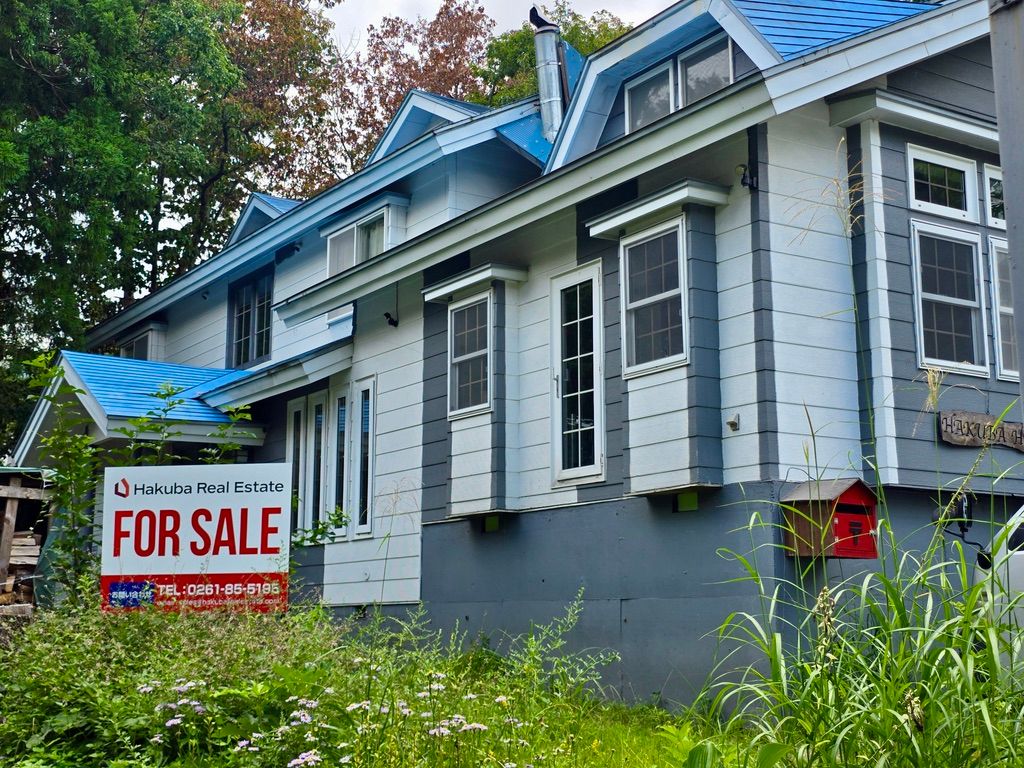
Hakuba, on the other hand, looks almost the opposite. Residential land prices at one government-monitored location rose 29.6 per cent in 2025 and 33 per cent in 2026, the fastest increase in the country. Hakuba’s boom has drawn fresh investment. Japan’s land ministry attributes the construction of high-end hotels and other developments to growing tourism demand, pulling in capital from Japan and abroad. Foreign residents now make up roughly one in five of Hakuba’s winter population, a village official told NWS. But the village itself admits the downside: rising land prices and rents are making it harder for people who want to live and work there to find housing.
Walking through the town, “For Sale” signs dot the wooded lots; a nine-bedroom lodge listed for ¥200 million ($1.3 million), and units in a 38-unit condo development sold for up to $1.8 million. A liquor store worker put it thus: “Japanese hikers still come in summer, but winter has become a different, less affordable world.”
Then there is Niseko, long a magnet for Australian buyers since the early 2000s. Japan later named Australia a priority market for its “Visit Japan” Campaign, after which many repeat visitors eventually bought property and stayed.
Smaller, individual stories complete the picture. Singaporean entrepreneur Lee Xian Jie bought an old property in Ryujinmura, Wakayama, for about $22,000 in 2022, then spent roughly $90,000 – four times the purchase price – turning it into a guesthouse, cafe and co-working space. At the other extreme, Singapore’s Patience Capital Group is behind a $1.4 billion resort project in Myoko.
Revival or Displacement?
In Yuzawa, the real debate isn’t who buys – it’s what happens after.
In Futai, a former post town on the old Mikuni Kaido route, a wakihonjin (an inn that once housed feudal retainers) sat empty after its elderly owner moved away, still full of valuable furnishings. A prospective Chinese buyer wanted the building and its contents, but the owner had no idea what it would become – a home, an inn, or something else – and that uncertainty troubled him, says local entrepreneur Masahiro Okuda.
Okuda eventually bought the property himself and began restoring it. He is not against foreign capital; he thinks it can save buildings locals can’t afford to restore, but he worries about what happens when ownership, management and use become disconnected from the community. “I don't think everything has to be operated by Japanese people,” he told NWS. “But I would like there to be a way to keep something Japanese.” He has also helped Australian and Egyptian buyers purchase condos for around ¥5 million, which he sees as a possible first step toward a long-term presence in the area.
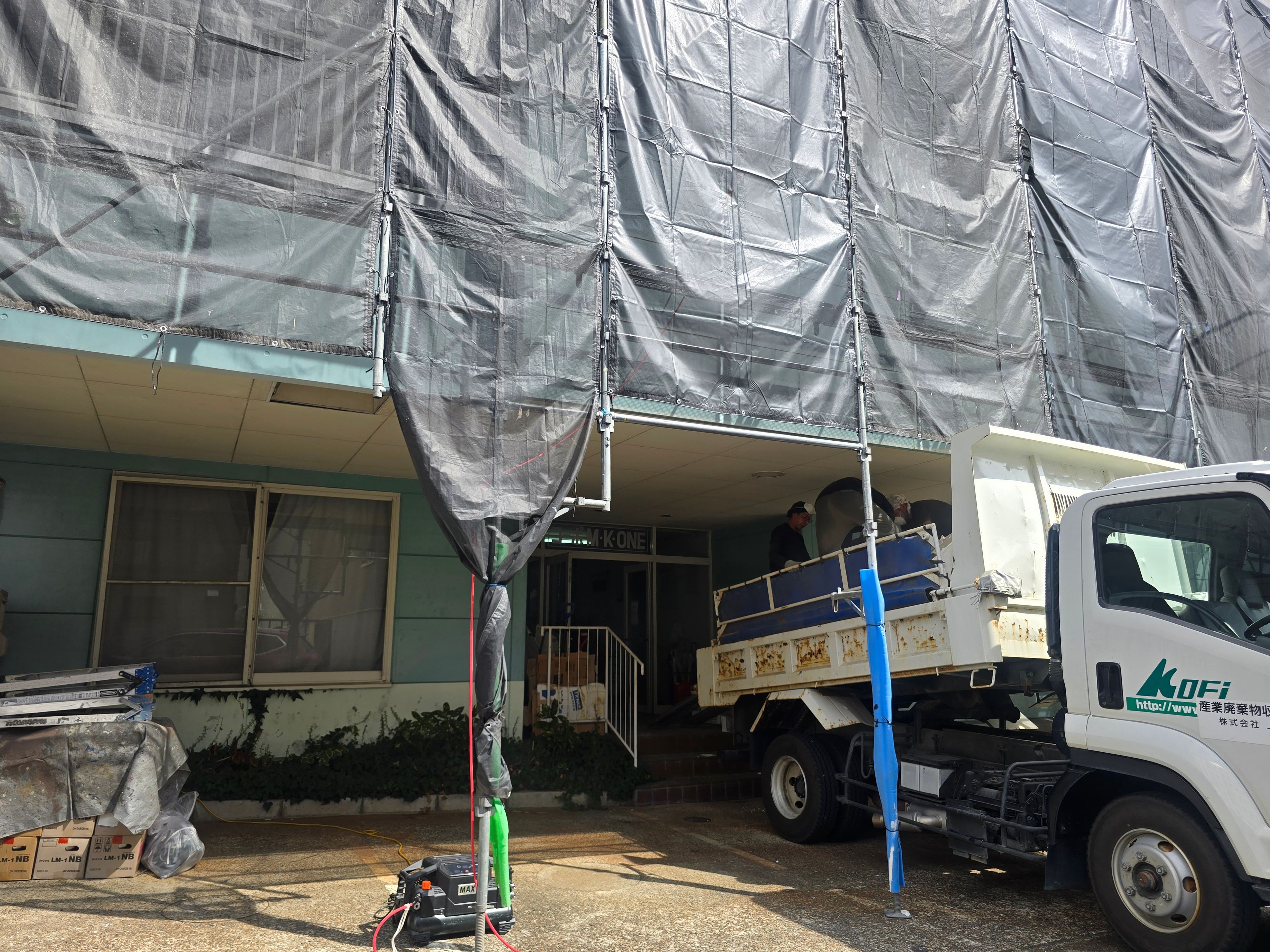
Others see foreign buyers less as a threat than as the only buyers left. Yuzawa’s foreign resident population has grown alongside tourism, now nearly one in 10 residents during winter. Town assembly member Chie Watanabe watched a neighbour’s house – its owner unable to keep it up – get bought by a Chinese buyer; she has also seen a Chinese buyer purchase an entire apartment building. Even an empty house costs money: taxes, maintenance, snow-melting systems running all winter. “Ideally, we would like Japanese people to buy them,” Watanabe said, while speaking with NWS. “But they don't sell. Few Japanese people can afford them... In the end, sometimes the only buyers are foreigners.”
Her bigger concern is what comes after the sale – particularly the risk of friction if new owners remain disconnected from the community. She personally helps them join the neighbourhood association and learn local rules, like garbage disposal. “The best outcome would be finding a good way to live together,” she said.
Where Foreign Buyers Remain the Exception
Not every town has this problem, most don’t even get the chance to.
In Shimonita, Gunma Prefecture, the population has dropped roughly 70 per cent since 1955, and a 2024 survey counted 656 vacant homes. With no estate agency in town, officials run the vacant-home programme themselves. Only about two foreign buyers have used it so far; most buyers are Japanese people in their 50s and up, looking for a place to settle into their next chapter. Unlike nearby Karuizawa, Shimonita simply lacks international name recognition, though maintenance burdens and neighbours’ preference for occupied homes still push some longtime owners to eventually list their houses.
The contrast is the real story. In a handful of famous resort towns, foreign money is reshaping local property markets. Everywhere else, towns are still just hoping someone – anyone – will move in.