New Zealand Prime Minister Christopher Luxon introduced legislation in Parliament on Monday (August 24) to bar under-16s from using social media, joining a growing list of countries cracking down on young people’s exposure to online harm and putting fresh pressure on platforms that critics believe have failed to act on their own.
The Online Safety (Minimum Age and Child Safety Risk Assessment) Bill 2026 would require platforms such as Instagram, TikTok, Snapchat and Facebook to take “reasonable steps” to confirm users are at least 16, with fines of up to 10 per cent of global revenue for non-compliance.
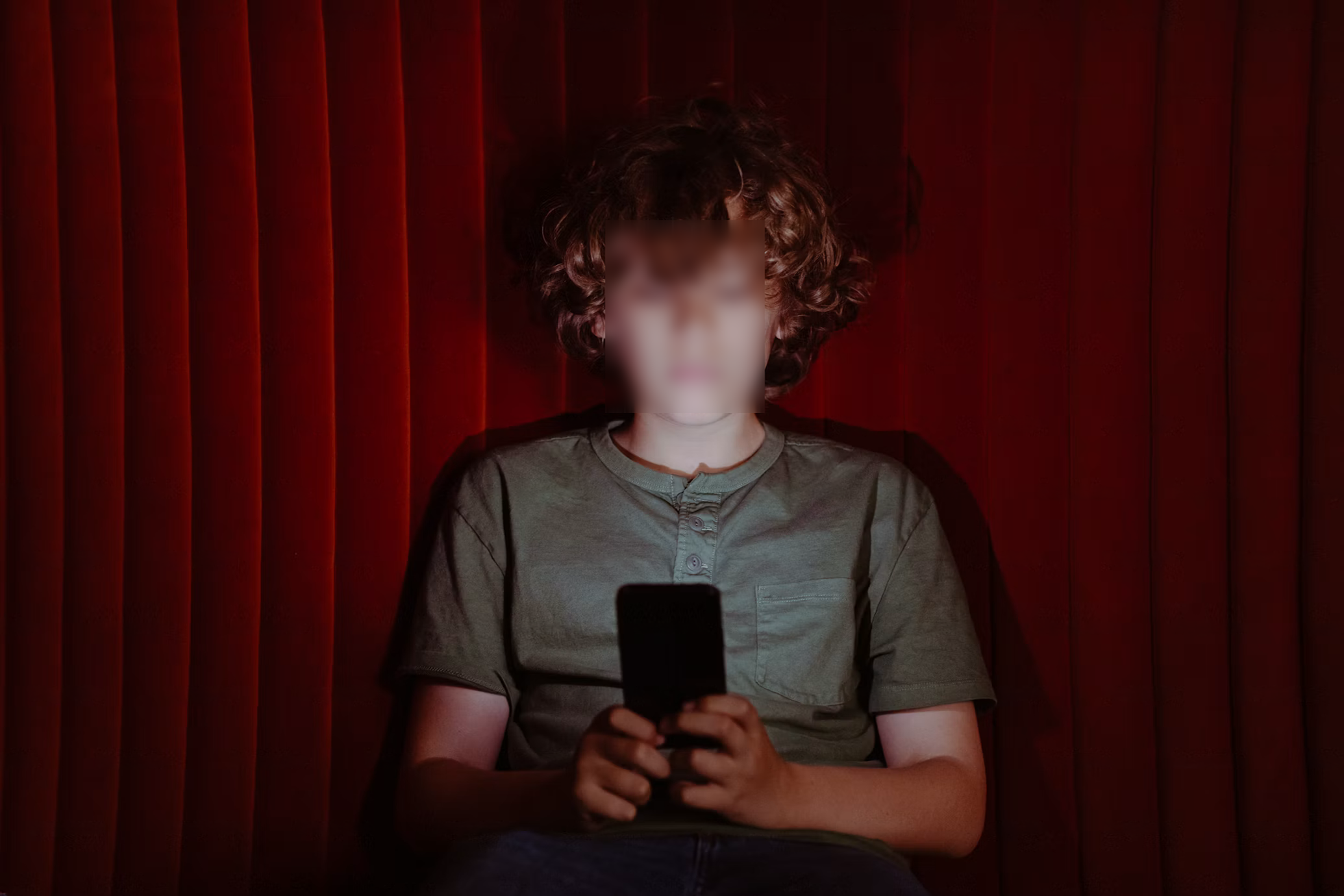
Luxon said the government was “taking action to protect young people online, backing parents and holding big tech accountable”, citing 2025 research showing a third of New Zealand teenagers spend at least five hours a day on social media. “We simply cannot accept the harm being done to a generation of New Zealand children,” he said, arguing that platforms expose children to harmful content, addictive design and social pressures affecting their mental health, sleep, education and family life.
Under the Bill, platforms could verify age through existing account data, facial age estimation, digital identity services or formal ID documents. Companies would also have to assess and report on the risks their services pose to young users – a net that extends to emerging services such as AI companion apps. A new online safety regulator, housed within the Department of Internal Affairs, would oversee compliance and enforcement. Education Minister Erica Stanford has clarified that only companies, not children or parents, would face penalties.
Despite Luxon’s push, the Bill’s prospects look weak. Only his National Party backs it; coalition partners New Zealand First and ACT oppose it. NZ First leader Winston Peters said, “The Government is not moving to ban under-16s from social media. The National Party is,” pointing to Australia’s ban as proof the approach doesn’t work. ACT argues tech-savvy teenagers would easily circumvent age checks.
Labour, the main opposition party, hasn’t taken a position, with spokesperson Reuben Davidson saying that it wants more clarity on how age verification would work before deciding. Luxon has admitted there isn’t enough time or support to pass the Bill before Parliament rises ahead of the general election on November 7, meaning that its fate now rests on the vote. Even so, the Bill looks less like an imminent law and more like a signal to anxious parents that the government is listening.
A widening global trend
New Zealand, however, is not alone. Australia enforced the world’s first nationwide under-16 ban in December 2025, though a June 2026 study found little evidence it had actually reduced teen usage. In Britain, PM Keir Starmer has proposed a ban he says will go “further than any country in the world”, expected to become law by mid-2026. France’s Parliament has passed a bill restricting social media for under-15s, paired with a ban on smartphones in schools. Canada, Brazil and Indonesia have enacted similar restrictions, while Malaysia and Norway are drafting bans due to take effect from 2026.
The UAE bars under-15s from personal social media accounts outright, while Vietnam is weighing a softer approach that would let under-16s keep accounts but strip their ability to post, comment or react. Denmark, Greece, Italy and Spain are jointly piloting a shared age-verification app across the EU.
In India, Karnataka became the first state to ban social media use by under-16s, with Goa and Andhra Pradesh considering similar steps. China, meanwhile, relies on a “Minor Mode” system of screen-time limits rather than an outright ban.