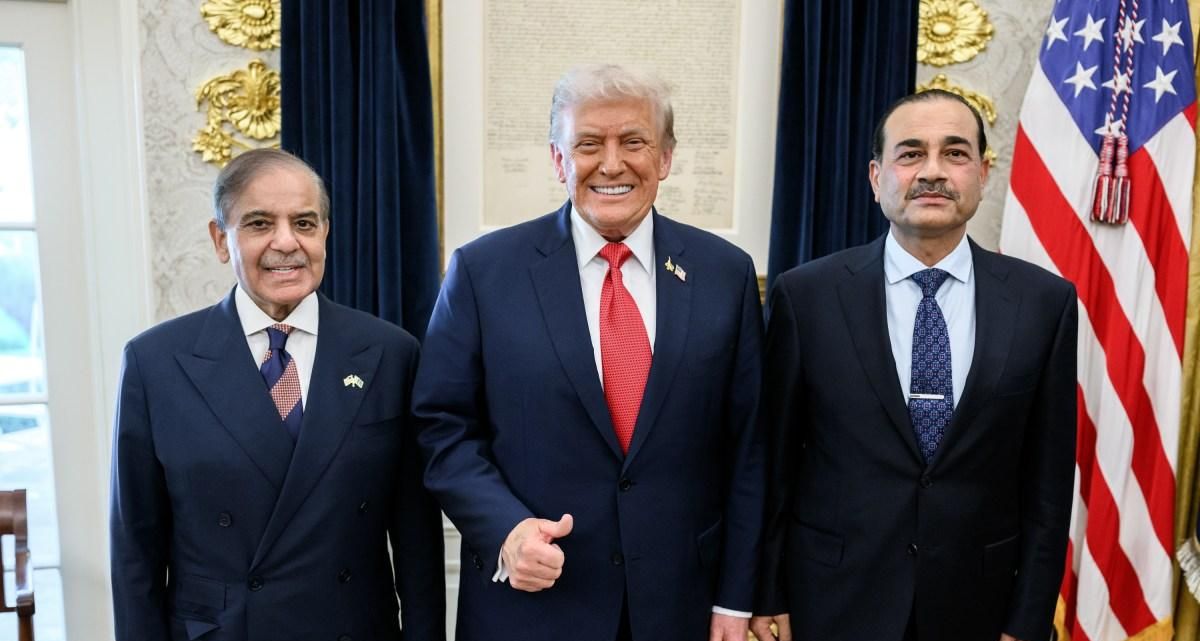
Pakistan’s army chief, Field Marshal Asim Munir, held a day of high-level talks in Tehran on Monday (August 24), meeting Iran’s president, parliament speaker and top security officials in an attempt to revive stalled peace negotiations between Iran and the United States, as Washington prepared a fresh round of sanctions against Tehran.
It was Munir’s fourth visit to Iran this year and his most consequential yet, coming days after a phone call from US President Donald Trump asking Islamabad to use its influence to bring Iran back to the table, according to Pakistani sources. The visit has reinforced Munir’s standing as the region’s most trusted go-between at a time when his stock is already rising, following last month’s signing of the Mecca Joint Defence Agreement with Saudi Arabia and Türkiye – the first mutual-defence pact of its kind for Pakistan.
Pakistan’s Inter-Services Public Relations said the visit produced “comprehensive discussions” on reopening the Strait of Hormuz and ending the six-month-long war, adding that Iranian officials “appreciated Pakistan’s constructive role and sincere efforts”. Interior Minister Mohsin Naqvi, who travelled with Munir, called the talks “very positive and productive”, saying “significant progress was made”.
The US had reportedly used Munir’s visit to deliver a proposal to Iran offering relief from blockades and sanctions in exchange for Tehran reopening Hormuz and curbing attacks by its regional proxies.
Who Munir met
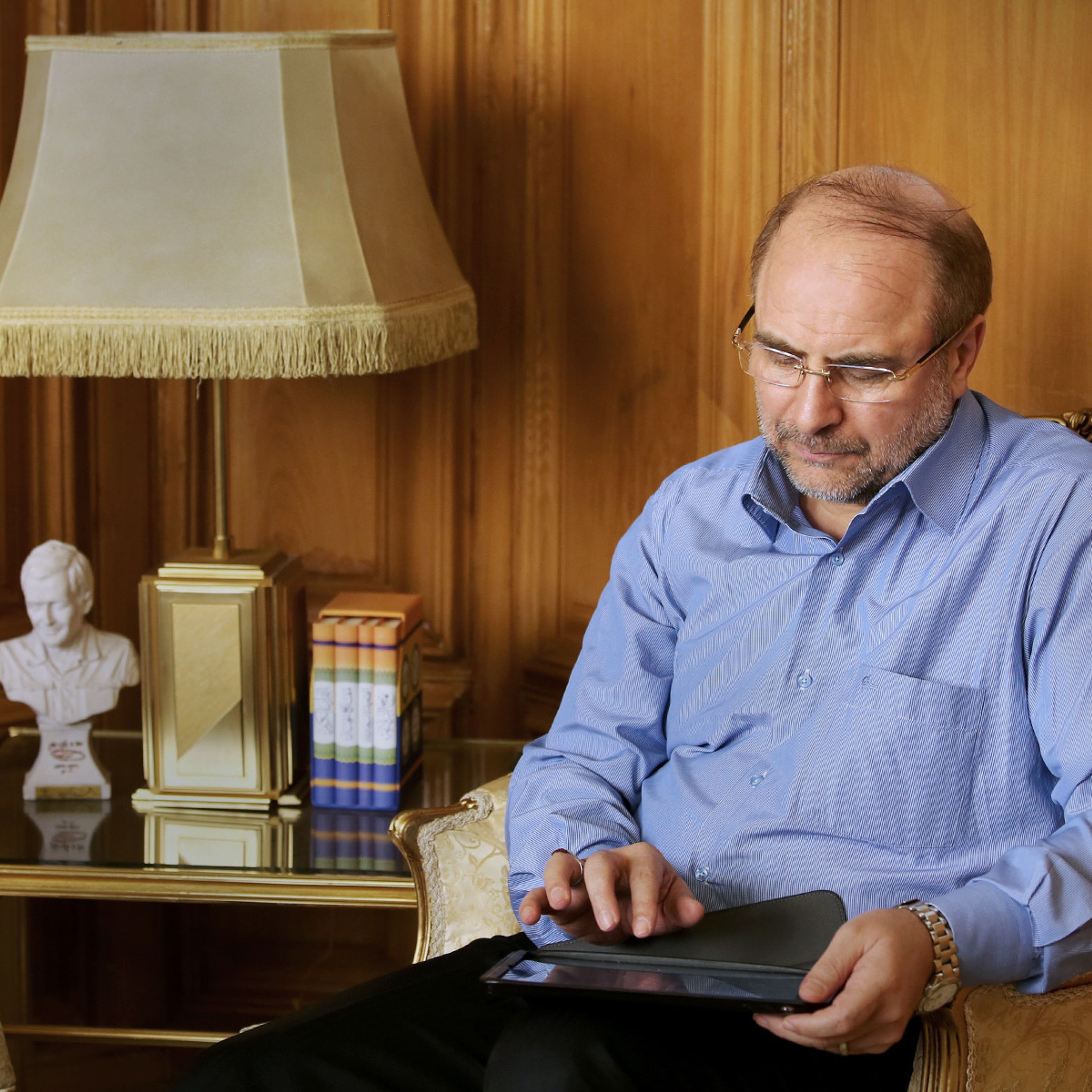
Munir moved through the Iranian presidency, parliament, the Supreme National Security Council, and the foreign and interior ministries over the course of the day. He met President Masoud Pezeshkian and Parliament Speaker Mohammad Bagher Ghalibaf, Tehran’s chief negotiator with Washington. He also met General Mohsen Rezaei, the Supreme Leader’s representative and newly appointed secretary of the Supreme National Security Council – a meeting analysts described as the most significant of the visit, given Rezaei’s role as the link between Iran’s military and Supreme Leader Mojtaba Khamenei.
Rezaei told Munir that Iran distrusted the US and wanted a change in its behaviour, according to Iran’s state news agency IRNA. Ghalibaf said Iran was pursuing implementation of the existing memorandum of understanding and that it was Washington’s responsibility to honour its own commitments. Pezeshkian urged Munir to press the US to “correct its tone and approach”, warning that force and pressure would only complicate the process.
Sanctions threat in the background
Munir’s visit coincided with Washington’s rollout of “Operation Economic Outcast”, a sweeping sanctions campaign unveiled by US Treasury Secretary Scott Bessent targeting Iran’s digital assets, gold, aviation, technology and shipping networks. Bessent stopped short of announcing penalties against other countries trading with Iran, acknowledging such a step could “blow up the global financial system”. US Defence Secretary Pete Hegseth, meanwhile, said renewed strikes on Iran remained an option if Tehran “mess[ed] with the American military”.
What sets Munir apart from Pakistan’s civilian negotiators is not rank but relationships. Interior Minister Mohsin Naqvi has travelled to Tehran eight times since April without a breakthrough. Munir, by contrast, has direct lines to Ahmad Vahidi, commander of the Islamic Revolutionary Guard Corps; Major-General Ali Abdollahi, Iran’s newly installed chief of the general staff; and General Mohsen Rezaei – the men experts believe are now the real architects of Iran’s decisions on war and peace.
"It is increasingly the IRGC and the wider security establishment driving decisions on war and peace during this crisis,” Ahmed Saeed, a former Pakistani navy vice admiral and defence analyst, told Al Jazeera, adding that Islamabad’s advantage as mediator lay in its “direct access to Vahidi, Abdollahi and Rezaei, the actual architects of Iran's decision-making.”
Trump’s trust adds weight to Munir's hand
Munir’s leverage also stems from his standing in Washington. Trump has called him his “favourite field marshal”, and it was Trump who personally phoned Munir last week asking Pakistan to help revive the talks, an unusual degree of direct engagement between a US president and a Pakistani army chief outside the context of a coup. That dual trust, from both Tehran’s generals and the Oval Office, is what makes Munir uniquely positioned among regional mediators, ahead of even Oman’s long-running diplomatic channel on the Strait of Hormuz.
None of this, however, guarantees a breakthrough. Iran’s public statements after Monday’s meetings differed little from what its officials have been telling their own broadcasters all week, and no ceasefire or resumption of formal talks has been announced. Whether Munir’s access to Iran’s generals can translate into an actual return to the negotiating table remains the open question, one that will determine whether this week’s diplomacy marks a turning point in the war, or simply another data point in Munir’s growing reputation as the region’s emerging go-to mediator.