China and India have struck an eight-point understanding to preserve peace along their disputed Himalayan frontier, open new military hotlines and revive border trade, Reuters reported. The pact marks a carefully calibrated thaw that has come just weeks after a tense stand-off in Arunachal Pradesh and barely a fortnight before President Xi Jinping is due in New Delhi for the BRICS summit.
National Security Adviser Ajit Doval, India’s Special Representative on the boundary question, and Wang Yi, his Chinese counterpart, foreign minister and a member of the Communist Party’s Political Bureau, co-chaired the 25th round of Special Representatives’ talks in Beijing on August 25. Beijing’s foreign ministry characterised the exchange as “comprehensive, in-depth, friendly and candid”, while the two sides pledged to pursue a “fair, reasonable and mutually acceptable settlement” of their roughly 3,800 km, largely undemarcated border, one of the last unresolved legacies of the two countries’ 1962 war.
What was agreed
The two Special Representatives committed to maintaining peace and tranquillity along the Line of Actual Control (LAC) and to fostering conditions conducive to the steady development of bilateral ties – a mandate they said flowed directly from Prime Minister Narendra Modi and President Xi themselves during earlier leader-level engagements. India’s Ministry of External Affairs also reaffirmed that the 2005 framework agreement – the “Political Parameters and Guiding Principles for the Settlement of the India-China Boundary Question” – remains the governing basis for any eventual resolution, a document both sides have repeatedly invoked but never fully operationalised.
Among the concrete outcomes, the two sides agreed to open two additional military hotlines, supplementing existing channels such as the Working Mechanism for Consultation and Coordination on border affairs and periodic meetings between local commanders – mechanisms intended to help the two armies avoid misunderstandings and miscalculations along the poorly demarcated frontier. They also welcomed the reopening of three designated border trading points and undertook to expand cooperation on border trade and cross-border pilgrimage, steps both governments said would help build an atmosphere of dialogue and consultation in the frontier areas.
On water-sharing, a perennially sensitive issue given that several major rivers flowing into India originate in Tibet, the two countries confirmed that the Expert-Level Mechanism on Trans-border Rivers will next convene in September, with continued talks on hydrological data-sharing and the renewal of relevant memoranda of understanding. The 26th round of Special Representative talks is scheduled to be held in India in 2027, meaning New Delhi will host the next instalment of a dialogue mechanism that has now run for more than two decades without producing a final boundary settlement.
Separately, the Indian Embassy in Beijing described the talks as having “positively reviewed” the state of bilateral ties, while Wang Yi is reported to have argued that the relationship between the two Asian giants now carries global and strategic weight extending well beyond bilateral concerns, and that the neighbours should deepen communication to narrow their differences.
A thaw shadowed by Arunachal Pradesh
The diplomatic warmth came on the heels of a bruising few weeks on the ground. India formally designated 27 geographical features in Arunachal Pradesh – including mountain passes, a lake and a monument – with their official Indian names in early August, prompting China’s state-run Global Times to denounce the move as an act of self-deception that risked complicating efforts to manage the border dispute. Beijing, which refers to the state as “Zangnan”, or Southern Tibet, has for years pursued a parallel campaign of its own, having issued six batches of standardised Chinese place names for locations in the region since 2017, totalling 112 names by April 2026.
India’s external affairs ministry spokesperson, Randhir Jaiswal, hit back at Beijing’s objections, insisting Arunachal Pradesh “is, has been, and will always remain” part of India and that China’s territorial claims could not alter the reality on the ground.
The row was compounded by reports that Indian Army patrols had been blocked from reaching customary points near Taksing, in the state’s Upper Subansiri district, after Chinese and Indian units reportedly came face to face roughly 2.5 km inside Indian-controlled territory in late July. Chinese personnel initially withdrew but were said to have returned in early August to pitch temporary tents in the area, according to a fact-finding team of regional politicians.
Setting the stage for Xi’s visit
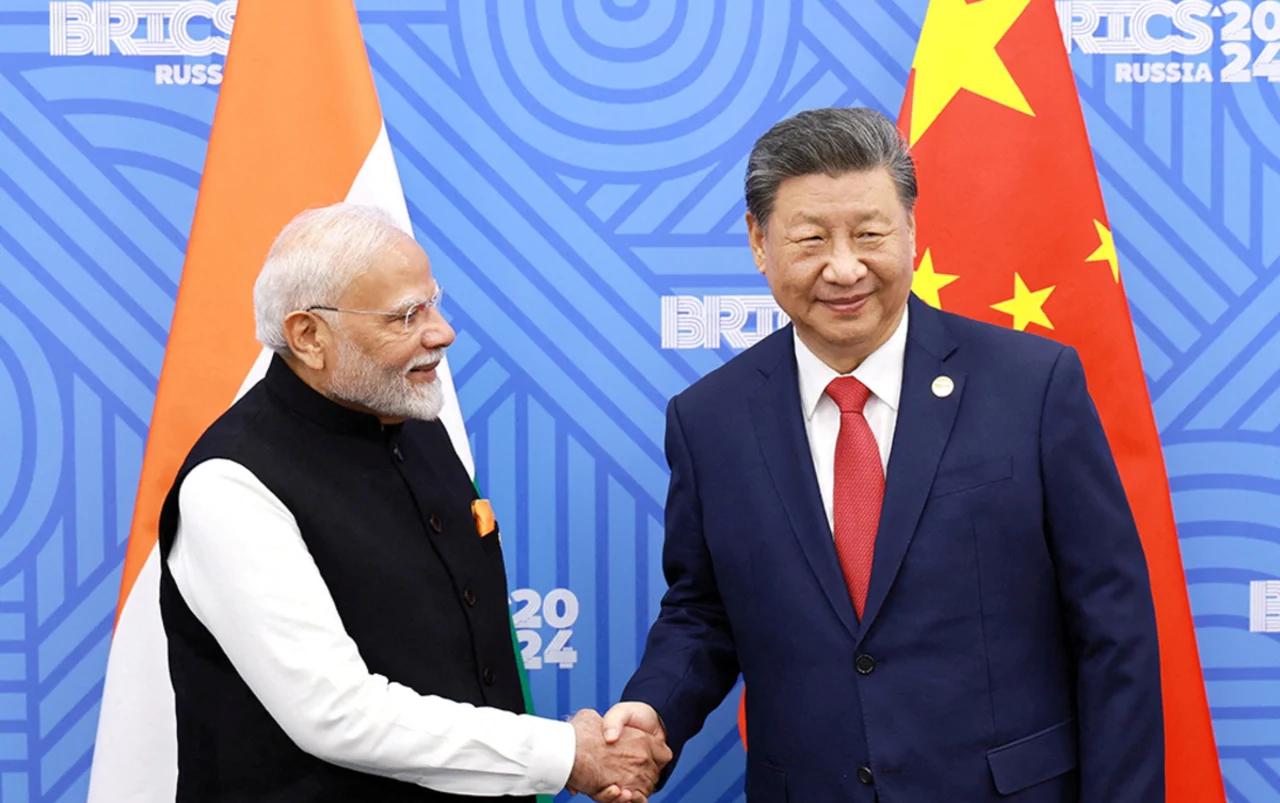
The Beijing talks nonetheless mark the latest step in a rapprochement that has been building since the two armies disengaged from their bruising 2020 Galwan Valley stand-off, which killed at least 20 Indian soldiers and an undisclosed number of Chinese troops and pushed relations to their lowest point in decades. The four-year military stand-off that followed was only eased by a disengagement agreement reached in October 2024, a process that subsequently saw Modi travel to China last year for the first time in seven years, and Modi and Xi hold a bilateral meeting on the sidelines of the BRICS summit in Kazan in October 2024, where both leaders stressed the importance of using dialogue mechanisms to resolve boundary-related issues.
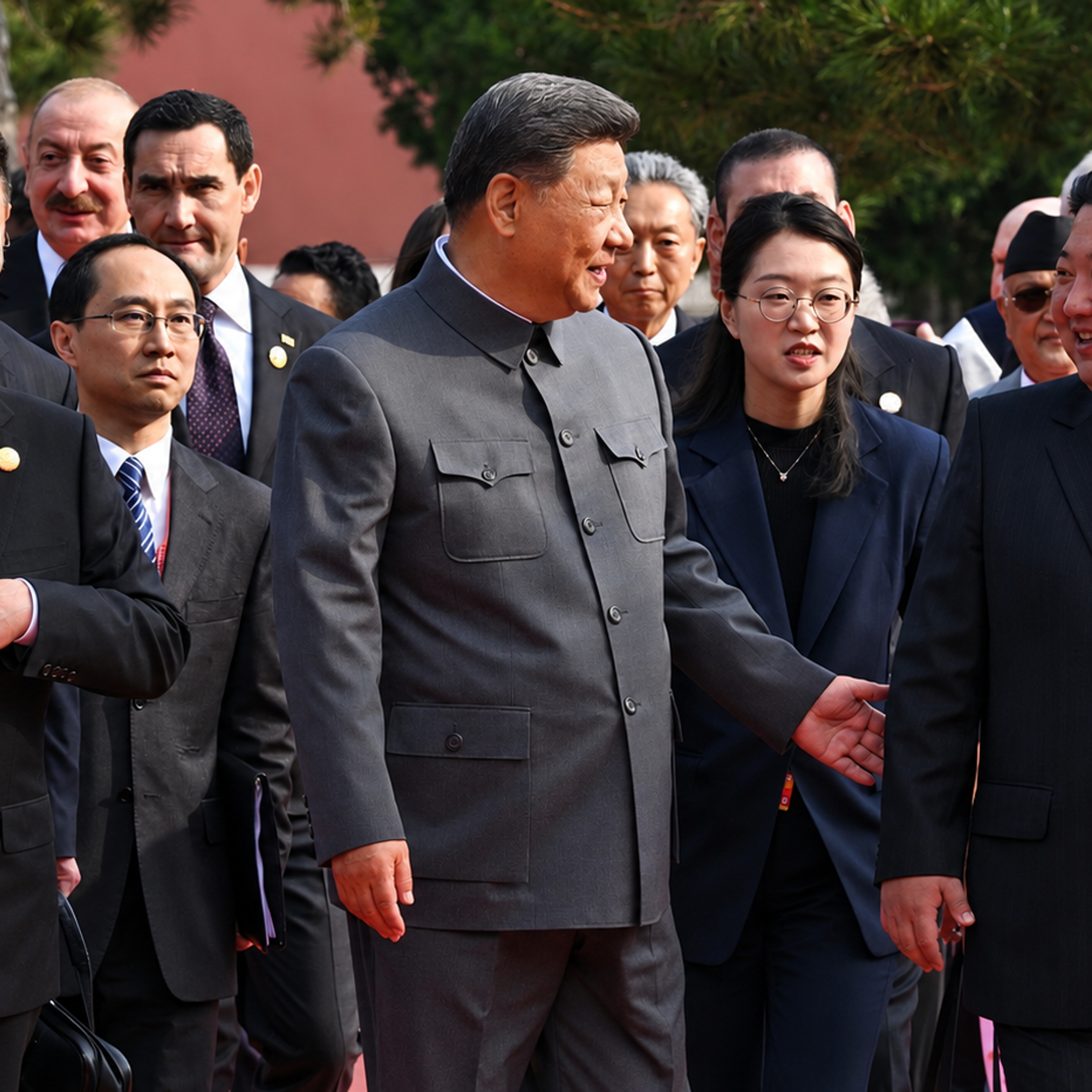
That gradual normalisation now culminates in preparations for Xi’s own visit. The Chinese president is expected to travel to New Delhi on 12-13 September for the 18th BRICS summit, in what would be his first visit to India since October 2019 and his first since the Galwan clashes, reportedly accompanied by a delegation of some 400 officials. Chinese officials are said to be working on logistical arrangements, including hotels and security protocols, although the visit has yet to be formally confirmed by either government.
For Indian prime minister Narendra Modi, hosting Xi under the multilateral banner of BRICS allows New Delhi to engage Beijing without appearing to make bilateral concessions on the border question, even as the Arunachal Pradesh dispute continues to simmer in the background. India’s supply chains remain heavily dependent on Chinese intermediate goods, particularly in pharmaceuticals and electronics, giving both sides an economic incentive to keep the diplomatic track moving even as territorial disagreements persist.
Whether this week's eight-point consensus translates into a durable de-escalation, or merely provides diplomatic cover ahead of a high-profile summit, is likely to become clearer once Xi’s visit is formally confirmed and the two leaders meet face to face in New Delhi next month.