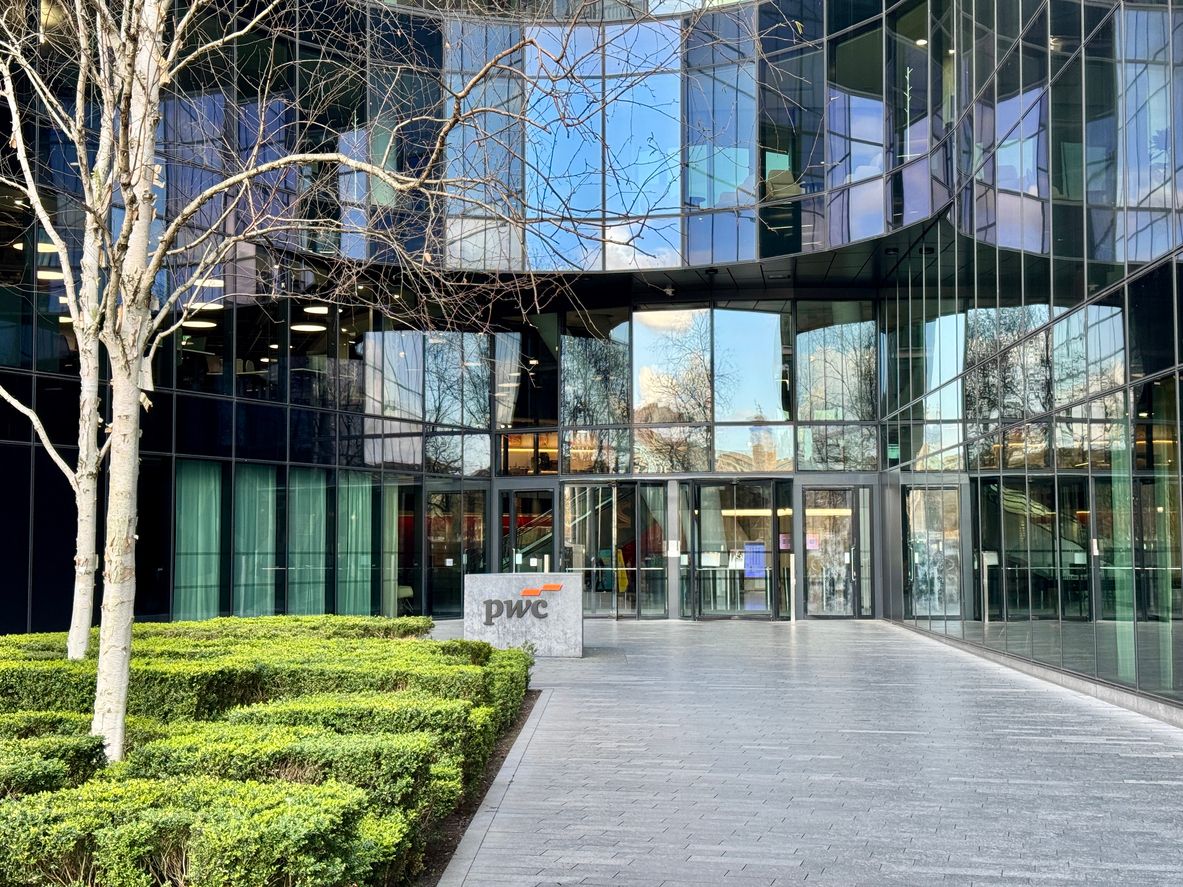
A Hong Kong court ruled Wednesday that PricewaterhouseCoopers (PwC) International must stand trial alongside two of its regional affiliates in what amounts to one of the largest corporate lawsuits in the city's history. The liquidators of collapsed Chinese property developer China Evergrande Group pressed claims totalling $8.6 billion against the global accounting giant. While PwC International could face damages of up to $5.67 billion, PwC Hong Kong and PwC China, also known as PwC Zhong Tian, could face the remaining portion of the claims.
PwC International's Role Under Scrutiny
Deputy High Court Judge Patrick Fung Pak-tung rejected PwC International's application to be dismissed from the litigation, finding that the London-based umbrella entity owed a duty of care to Evergrande and that disputed factual matters required examination through a full trial and cross-examination of witnesses. "There are factual matters in dispute which should be explored by cross-examination at trial," Judge Fung wrote in his ruling.
This means PwC International will face court proceedings jointly with PwC Hong Kong and PwC China, also known as PwC Zhong Tian. Liquidators Tiffany Wong and Eddie Middleton of restructuring firm Alvarez and Marsal are seeking approximately $8.6 billion in total from PwC Hong Kong and PwC Zhong Tian and PwC International. The ruling is significant because PwC International argued that it was merely a coordinating body for the global PwC network and did not itself audit Evergrande. The case could therefore test whether a global accounting network can be held legally accountable for audit work carried out by its legally separate member firms in individual jurisdictions.
Liquidators Challenge PwC's Audit Work
The liquidators filed the lawsuits against all three entities in early 2025, alleging the firms failed to properly audit Evergrande's finances during the years preceding its catastrophic collapse. The claims relate to the audits of Evergrande's 2019 and 2020 financial statements, for which PwC issued unmodified audit opinions. PwC International subsequently sought to have itself removed from the claims, with its lawyers arguing in a May hearing that the international entity functioned solely as a coordinating body for the global network from its London headquarters and did not itself provide audit or advisory services to Evergrande.
The liquidators' legal team countered that PwC International held the power to control and govern its member firms and bore responsibility for overseeing the quality of their work. The judge sided with that argument, concluding that PwC International's governance role over its network was sufficient to establish a duty of care that warranted full examination at trial.
Wong and Middleton welcomed the ruling in a statement Wednesday, while cautioning that the decision did not resolve the underlying merits of the case. The decision does not determine the ultimate merits of the claims, which will be decided by the court in due course, the liquidators said. The liquidators said they would continue their duties to investigate the affairs of Evergrande Group and pursue recoveries for the benefit of creditors.
Evergrande's $300 Billion Collapse
The ruling represents the latest legal development in one of the most sprawling corporate collapses in modern financial history. Evergrande, once China's largest property developer by sales, accumulated liabilities exceeding $300 billion before its financial structure disintegrated amid Beijing's crackdown on excessive developer borrowing. Hong Kong's High Court ordered the company wound up in January 2024, installing Wong and Middleton to oversee the liquidation process after Evergrande failed to present a workable debt restructuring plan.
The lawsuit against PwC is unfolding against a backdrop of intensifying consequences for all parties connected to the Evergrande debacle. Last week, a court in Shenzhen handed a life prison sentence to Evergrande founder Hui Ka-yan, also known as Xu Jiayin, following a high-profile fraud and mismanagement trial. Days later, a court in Guangdong province formally accepted a bankruptcy-liquidation petition against Evergrande's principal onshore unit, further complicating prospects for creditor recoveries.
PwC Faces Mounting Regulatory Fallout
Hong Kong's Securities and Futures Commission previously reached a separate settlement with PwC Hong Kong, under which the firm agreed to pay 1 billion Hong Kong dollars, approximately $128 million, in compensation to Evergrande's minority shareholders. The liquidators have challenged that agreement through a separate judicial review application, arguing that the settlement could reduce the pool of resources available to creditors. A final ruling on that challenge has not yet been issued.
PwC has already faced significant regulatory consequences in China over its Evergrande work. Chinese authorities suspended the firm's domestic operations for six months in 2024, and the reputational damage contributed to client departures across the region. In April 2026, Hong Kong's Accounting and Financial Reporting Council imposed a HK$300 million ($38 million) fine on PwC and a six-month practice restriction over misconduct connected to its Evergrande audits. The regulator found numerous serious audit deficiencies, including failures to exercise professional scepticism, failures to obtain sufficient appropriate audit evidence and weaknesses in PwC's governance and monitoring controls.
The Accounting and Financial Reporting Council (AFRC) said PwC's audit deficiencies facilitated and contributed to the inflation of Evergrande's reported profits and liquidity, and that the firm issued unmodified audit opinions despite not having obtained sufficient appropriate audit evidence. The regulator also said PwC's failures allowed material financial misstatements to go unchallenged.
Test for Global Accounting Networks
The forthcoming trial, for which no date is yet set, is expected to probe the extent to which PwC's global leadership structures create legal accountability for the audit work conducted by member firms in individual jurisdictions, a question with potentially far-reaching implications for how major international accounting networks organize their liability exposure across borders.
The case could have implications beyond PwC and Evergrande, as the major global accounting firms rely on networks of legally separate national and regional member firms. A ruling that ultimately imposes liability on the international entity could therefore have consequences for how global accounting firms structure governance, quality control and legal responsibility across borders.