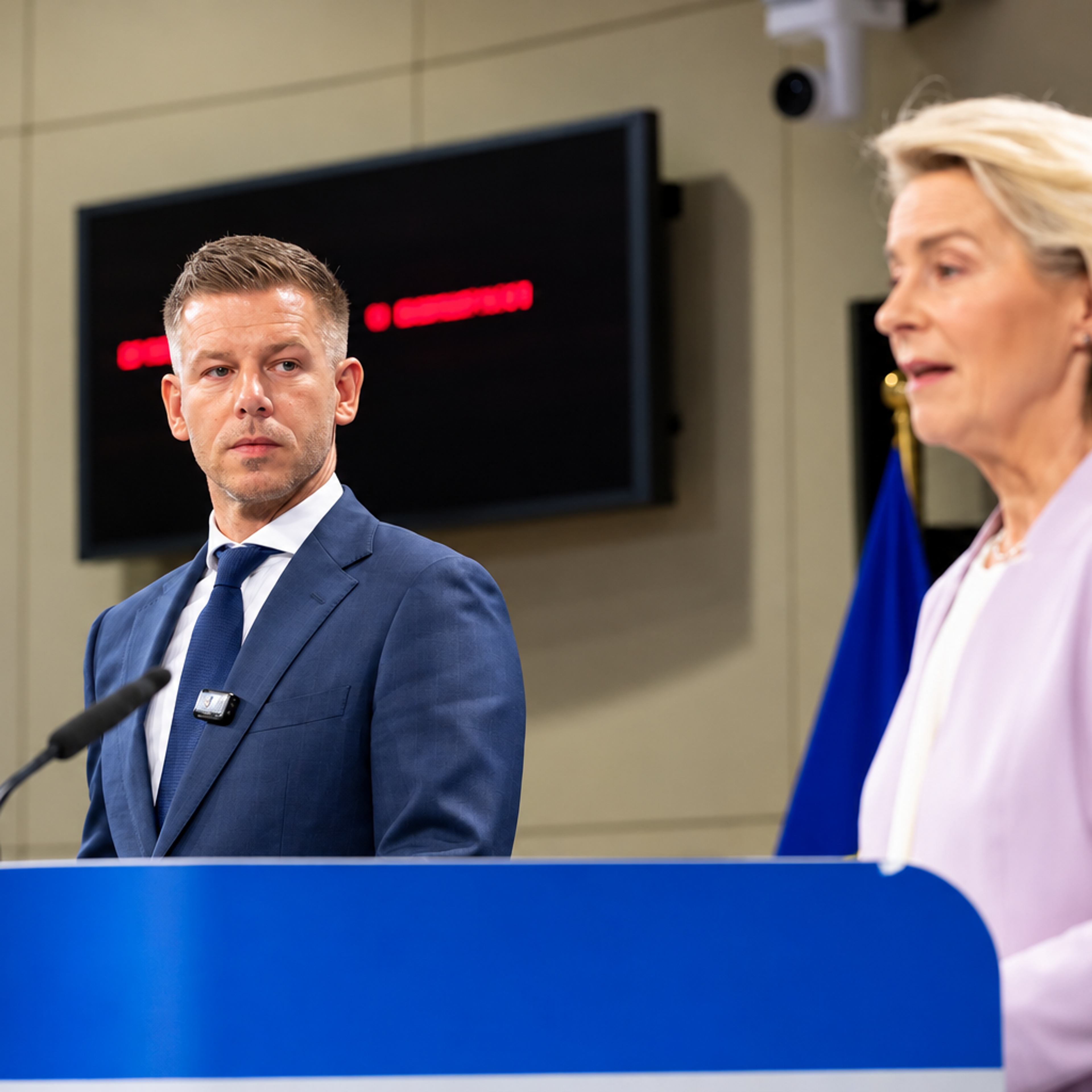
A confrontation between Israel and Türkiye looks closer than ever. If the growing tensions between the two countries blow into a full-scale war, it will not just redraw the West Asian conflict map — it will also test the newly formed Mecca Pact, a NATO-like defence pact signed by Saudi Arabia, Pakistan and Türkiye. On August 21, Türkiye escalated the ongoing standoff with Israel, seeking an international arrest warrant from Interpol against Prime Minister Benjamin Netanyahu over the interception of the Gaza-bound Global Sumud Flotilla and the torture of activists by Israeli forces last May.
Turkish Justice Minister Akin Gurlek said he had asked the interior ministry to pursue Interpol red notices so the accused "may be sought internationally," and added that "Turkey will use all available legal mechanisms" to pursue accountability. The move is part of a wider genocide case, linking it to warrants already issued in July 2026 against the Israeli Prime Minister. Netanyahu's office hit back hard, calling Erdoğan an "anti-Semitic dictator" and vowing to act forcefully against what it called Turkish attempts to destabilise the region.
The warrant adds to a string of Turkish legal actions against Netanyahu dating back to November 2025, and lands against the backdrop of rising Turkey-Israel friction over Syria. The friction boiled over days earlier with an Israeli strike on the Abu al-Duhur airbase in northwestern Syria on August 18, following a Turkish delegation's visit to the country. That attack has enraged Türkiye, which condemned it. While Israel opposes the rebuilding of Syrian military power, Türkiye has been steadily deepening its military footprint inside Syria throughout 2026, well beyond its long-standing presence in the north.
A Turkish source told Axios that Ankara had no military presence at the base itself, dismissing Israel's rationale for the strike: "Israel is inventing pretexts to bomb neighbouring countries and destabilise the region" Israel's Prime Minister's Office defended the strike on different grounds, saying Damascus "was on the verge of breaching" an agreed security status quo by allowing Turkish troops to deploy near Aleppo.
By August 20, the rhetoric had hardened further on both sides, with Israel accusing Turkey of "dangerous adventures in Syria" and Ankara firing back over what it called reckless Israeli attacks. Washington, notably, broke from its usual restraint: US envoy to Syria Tom Barrack called the strikes "an unnecessary escalation that does not advance regional stability," a rare public rebuke of Israel from a senior American official.
Israel doesn’t want Syrian military
After the collapse of Bashar al-Assad's government in December 2024, Israel has bombed the remaining Syrian military and defence facilities. After the arrival of a pro-Turkish government in Damascus, Türkiye has started extending comprehensive military-technical cooperation to Syria against Israel's wishes. In February 2026 parliamentary disclosures, Defence Minister Yaşar Güler confirmed Turkish forces would not withdraw from military outposts and bases across northern Iraq and Syria.
Beyond its established bases, Turkey has been negotiating access to Syrian air bases since 2025 and has expanded training, operational planning and logistical assistance to Syrian forces. It also plans to supply UAVs, air defense systems and precision missiles. Military integration has grown symbolically and operationally too: Syria and Libya both deployed forces to Türkiye's flagship EFES-2026 exercise near İzmir in May 2026—the first time either country joined a Turkish military exercise on foreign soil—with around 50 Syrian soldiers taking part, including a joint airborne-assault drill using Turkish helicopters.
This growing Turkish-Syrian cooperation, particularly reports of Turkish troops potentially deploying to the Abu al-Duhur airbase, frustrated Netanyahu. The Turkish side now finds itself pursuing an international arrest warrant against Netanyahu even as this military standoff plays out. If Erdoğan's rhetoric translates into action, it will be worth watching whether the Mecca Pact countries invoke their NATO-like joint-defence clause or display closer cooperation without a formal trigger.
Would the Mecca Pact actually be invoked?
The US might tolerate a proxy or even a direct conflict in Syria but is unlikely to let all three Mecca Pact countries move against Israel together. Until Türkiye and Israel clash directly, the pact members may not see any need to invoke the mutual-defence clause. Turkish Foreign Minister Hakan Fidan himself has described the clause as "technically similar" to NATO's Article 5, while stressing the pact is not directed against any country absent an attack on a member. The pact's own text states that an armed attack on any one member "shall be regarded as an attack against them all".
Even recent experience suggests Pakistan and Saudi Arabia may be reluctant to invoke this clause unless the situation turns unmanageable. Despite its earlier bilateral pact with Saudi Arabia — under which Islamabad said nuclear weapons were "not on the radar". Pakistan did not attack Iran when the two clashed, nor is it actively discussing that option now. So, if Türkiye and Israel do go to war over Syria, the Islamic NATO could end up focused mostly on defence cooperation and intelligence sharing rather than an all-out war on Israel. Any development beyond that could permanently change the West Asia defence and power dynamics.