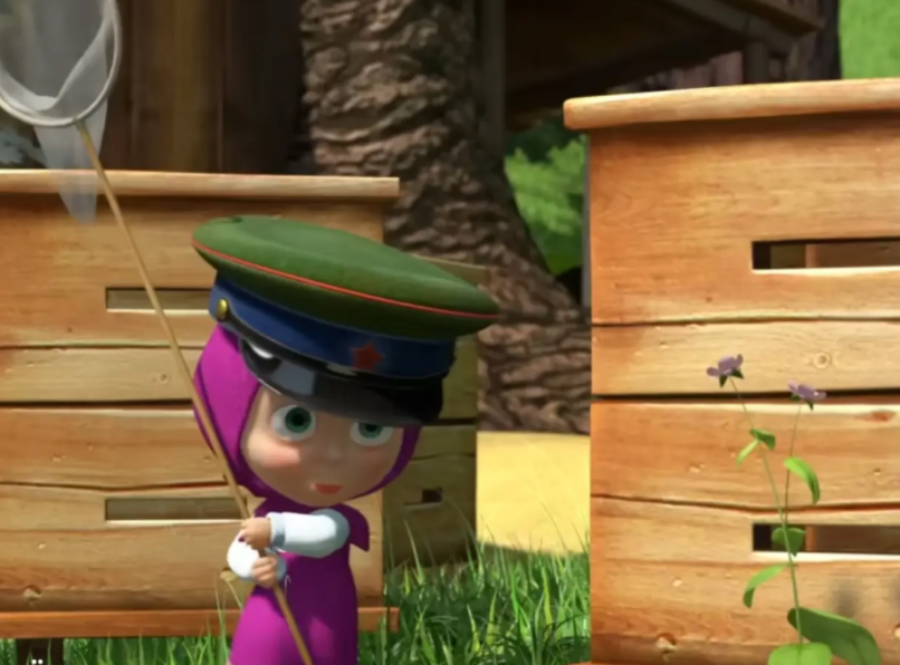
Ukraine has sanctioned the creators of Masha and the Bear, Russia's most popular cultural export and a cartoon show favourite among children worldwide. Five Russian citizens and four organisations involved in producing and distributing the show were placed on the sanctions list, including Animaccord, the studio behind the series; its founder and chief executive; and the cartoon's principal creators.
The show follows the unlikely friendship between a mischievous little girl Masha and a retired circus bear. Ukrainian President Volodymyr Zelenskyy accused the show's producers of spreading "pro-Russian narratives" and threatening Ukraine's national security. "Ukraine has imposed sanctions against the producers and distributors of the Russian animated series 'Masha and the Bear,'" Ukrainian Culture Minister Tetyana Berezhna said on X on Friday. For Ukraine, Russian films, books, music, television and popular entertainment can double as soft power — shaping how audiences see Russia, its history and its place in the world.
The sanctions are striking not just because the target is a children's show, but because of its sheer reach. Ukraine has been working to push back Russian language and culture wherever it can, with considerable success across Europe. Launched in 2009, Masha and the Bear has become one of Russia's most successful cultural exports, broadcast in more than 150 countries and racking up billions of views. Its most popular episode, “Recipe for Disaster,” has been watched over 4.6 billion times on YouTube. According to a report in Ukrainska Pravda, the show's Ukrainian YouTube channel topped the ranking of the country's most popular channels in August 2025, with over 18 million subscribers.
Ukrainian authorities allege certain elements in the show normalise Russia's Soviet past — in one episode, Masha wears an NKVD-style hat. The NKVD was the Stalin-era secret police, responsible for mass arrests, executions and political repression. Children may not register the reference, but in Ukraine, Soviet-era suppression remains a deeply sensitive part of historical memory, and officials argue such imagery risks normalising it regardless of intent. The controversy predates this month's sanctions.
In June, when Netflix moved to secure streaming rights to the show, Ukraine protested. The following month, more than 50 British MPs wrote to UK Culture Secretary Lisa Nandy, urging streaming platforms to drop the cartoon. Their letter cited imagery of Masha in military-style clothing and argued that some episodes expose children to Russian and Soviet military symbolism. The lawmakers also pointed to similarities between the show's language and posts on Animaccord's English-language social media accounts. Animaccord has rejected the allegations.
Ukraine's restrictions on Russian cultural imports predate the 2022 invasion. Films and television shows were among the first targets, followed by books. We Are from the Future 2 was banned for portraying Ukrainian nationalists who collaborated with the Nazis in a positive light. Several other films featuring actors blacklisted by Kyiv — including Nikita Mikhalkov, Leonid Yarmolnik and Irina Alferova — were banned between 2017 and 2018. Banned books have included Novorossiya in My Heart and Carried Away by Maidan: Ukrainian Diary, which Ukrainian authorities said contained anti-Ukrainian propaganda. In short, Ukraine has barred any film, TV show or book it considers glorifying Russian state institutions, security agencies or military forces, or to justify the occupation of Ukrainian territory.