Sun Pharmaceutical Industries, India’s largest drugmaker, has struck a deal with US President Donald Trump to cut prescription-drug prices – the price of a tariff exemption that Washington granted, and always meant to revisit. When the US first hit India with steep tariffs last year, it pointedly spared pharmaceuticals; that carve-out was never unconditional, and on Monday (August 31) the bill for it came due. Sun Pharma joined eight other drugmakers in the agreement, giving the Indian pharmaceutical giant a direct role in Washington’s effort to reshape the economics of the US drug market. The agreement requires the companies to offer medicines to US state Medicaid programmes at “most-favoured-nation” (MFN) prices, essentially prices comparable to the lowest prices paid in other developed countries.
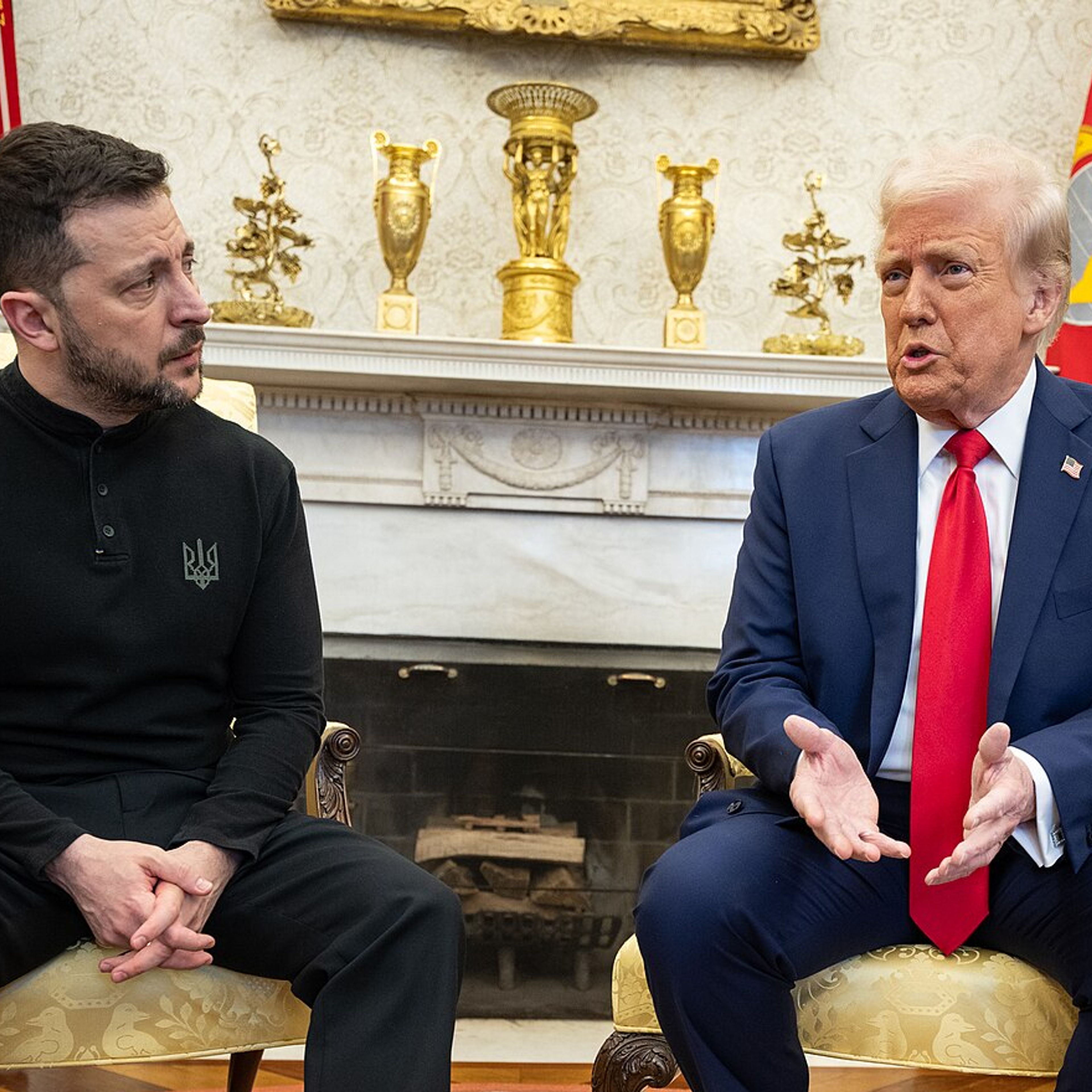
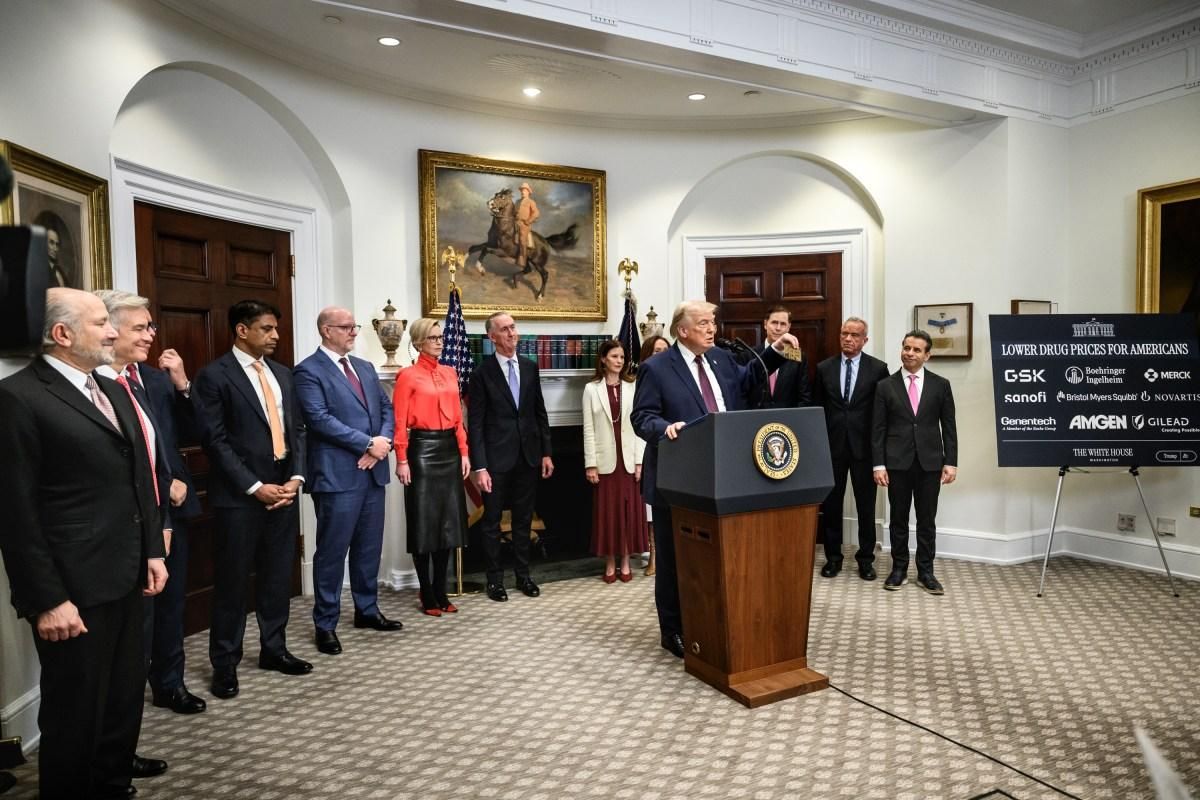
The nine companies are Sun Pharma, Alcon, Astellas Pharma, BeOne Medicines, BridgeBio, CSL, Kyowa Kirin, Teva Pharmaceuticals and UCB. The latest deals bring the total number of pharmaceutical companies participating in Trump’s MFN programme to 26, covering about 89 per cent of the US branded-drug market. “The companies are expected to extend MFN pricing to state Medicaid programmes and to new innovative medicines they bring to market,” a White House statement said. Trump himself, flanked by executives in the Oval Office, called it “the largest drug discount, the largest price reductions in the history of medicine.”
Why pharma was spared, then squeezed
Pharmaceuticals are India’s single largest export category to the US, and when Trump imposed a 25 per cent tariff on Indian goods on July 31, 2025 – later stacked with a further 25 per cent penalty over India’s purchases of Russian oil – medicines were explicitly excluded, alongside semiconductors, energy and critical minerals. The exemption reflected both the sector’s wafer-thin margins and Washington’s own dependence on Indian-made generics. However, Trump had already flagged that pharma-specific tariffs were coming regardless of country of origin, and by September 2025 he announced a 100 per cent tariff on branded and patented drugs from October 1, with exemptions reserved for firms building or expanding US manufacturing.
That threat formally hardened into policy on April 2, 2026, when Trump invoked Section 232 of the Trade Expansion Act to impose the 100 per cent duty on patented pharmaceuticals and their active ingredients, effective from July 31, 2026. Generic medicines – the bulk of what Indian companies actually sell in the US – have remained largely shielded throughout.
How Indian pharma used the breathing room
Indian industry used the reprieve to press its case and keep growing. Sudarshan Jain, secretary general of the Indian Pharmaceutical Alliance, argued at the time that generic medicines “are important for affordable healthcare in the US” and operate “on razor-thin margins”, making continued exemption critical for patients as much as for exporters. The numbers backed the lobbying: India’s pharmaceutical exports hit a record US$30 billion in the financial year 2025, up sharply year-on-year, with the US alone absorbing roughly a third of that. Rather than retreat, several large Indian players – Sun Pharma chief among them – used the window to deepen their US footprint, shifting from pure generics towards higher-margin specialty and innovative medicines, precisely the segment now caught up in Section 232.
Sun Pharma: from a ₹10,000 start-up to India’s biggest drugmaker
Sun Pharma is controlled by its founder, Dilip Shanghvi, who started the company in 1983 with a small loan from his father to sell five psychiatric drugs from Gujarat. The Shanghvi family still holds roughly 54-55 per cent of the company. A transformative 2014 acquisition of rival Ranbaxy Laboratories, and a steady run of overseas deals since, built it into India’s most valuable listed pharmaceutical company, with 2025 revenue of about $6.2 billion, more than 40 manufacturing sites and sales in over 100 countries. It is now pursuing an $11.8 billion acquisition of US-based Organon, a deal that would more than double its revenue and rank it among the world’s top 25 drugmakers – underscoring how central the American market, at roughly 27 per cent of global sales, has become to Sun Pharma’s strategy.
The tariff relief, and what Sun Pharma gives up in return
For Sun Pharma, the new agreement carries a direct benefit: a delay of more than two years on possible Section 232 tariffs on its innovative pharmaceutical products, which the company confirmed in a Tuesday regulatory filing. “Our mission is to reach people and touch lives by providing quality medicines across a patient's entire treatment journey,” Rick Ascroft, Sun Pharma’s North America chief executive, said at the White House signing.
In return, Sun Pharma will contribute 71.4 tonnes of clindamycin and 6.75 tonnes of doxycycline to the US Strategic Active Pharmaceutical Ingredients Reserve. The two antibiotics are part of Washington’s effort to build emergency reserves and reduce vulnerabilities in the supply of critical pharmaceutical ingredients.
Trump’s revival plan for US pharma manufacturing
The broader nine-company package also carries a major manufacturing commitment. According to the White House statement, the companies have pledged at least $19.6 billion in US manufacturing investment, on top of a collective 290 metric tonnes of active ingredients for the strategic reserve, reinforcing Trump’s push to bring pharmaceutical production and supply chains back onto American soil.
The mechanism is deliberately blunt: Section 232 tariffs threaten steep costs on imported patented drugs, while MFN pricing pledges and onshoring commitments buy relief. The Commerce Department has since formalised this trade-off, letting companies apply for reduced – even zero – tariff rates through 2029 if they commit to US-based manufacturing and sign an MFN agreement with the Department of Health and Human Services.
The deal illustrates the trade-off facing global drugmakers under Trump, which effectively forces companies to accept lower prices in the US and support American supply-chain priorities in exchange for greater certainty over access to the world’s biggest pharmaceutical market and, in some cases, relief from tariffs. Reuters reported that the new agreements could provide significant discounts, but the precise medicines covered and the size of the reductions have not been fully disclosed.
Does it actually save patients money?
Reuters has also noted that the impact of the deals remains unclear, because Medicaid already receives substantial statutory discounts on prescription medicines independent of any new voluntary agreement. The administration has not disclosed the precise drugs covered or the prices that will apply, meaning the headline MFN commitments do not necessarily translate directly into equivalent savings for American patients.
That uncertainty matters because Trump is presenting the programme as a landmark win for consumers, with the administration’s Council of Economic Advisers estimating roughly $600 billion in savings over the next decade – a figure independent fact-checkers have called largely aspirational, since most of it assumes future drugs will be priced at MFN levels rather than reflecting confirmed cuts already delivered. The administration’s own defence of its savings arithmetic has drawn scrutiny: HHS Secretary Robert F. Kennedy Jr. told a Senate committee that cutting a $600 drug to $10 amounted to a “600 per cent reduction” – a claim PolitiFact and other fact-checkers have confirmed is mathematically wrong; the real figure is closer to 98 per cent.
Trump is promoting lower healthcare costs ahead of the November midterm elections, making prescription-drug prices a prominent plank of his domestic agenda, alongside repeated calls for Congress to codify MFN pricing into law. Centers for Medicare and Medicaid Services administrator Mehmet Oz has framed the savings as money that drugmakers “voluntarily... gave back because the president went after them”, a framing critics say overstates how enforceable the voluntary pledges really are.
What it means for Indian pharma
The bigger question for Indian pharma is whether Sun Pharma’s deal becomes a template. The US is simultaneously demanding cheaper medicines, greater local manufacturing and more secure supplies. The immediate market response was hardly celebratory; Sun Pharma shares fell as much as two per cent on Tuesday, even as the stock remained up 13 per cent for the year, as investors weighed the cost of extending MFN pricing against the benefit of tariff relief.