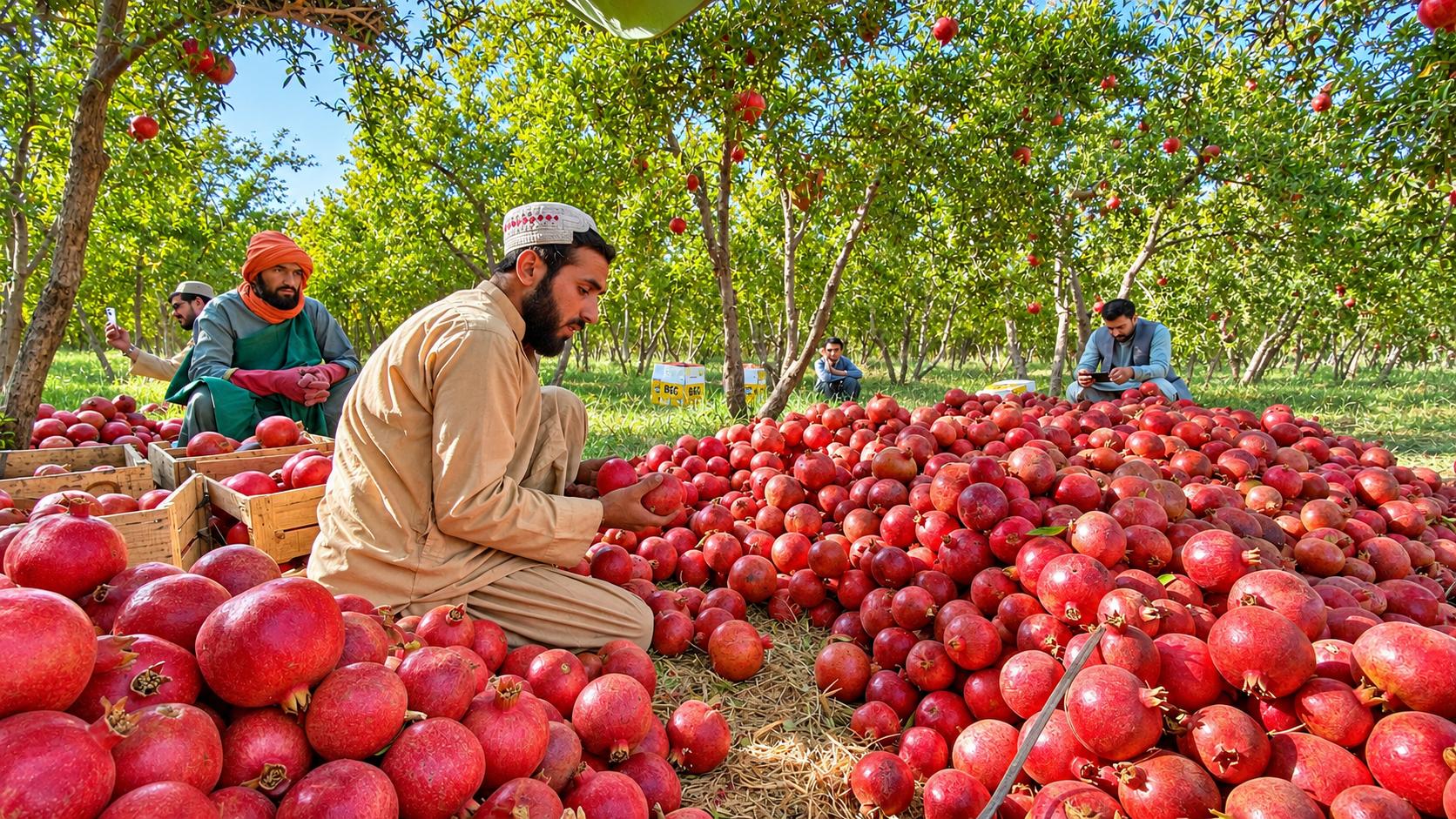
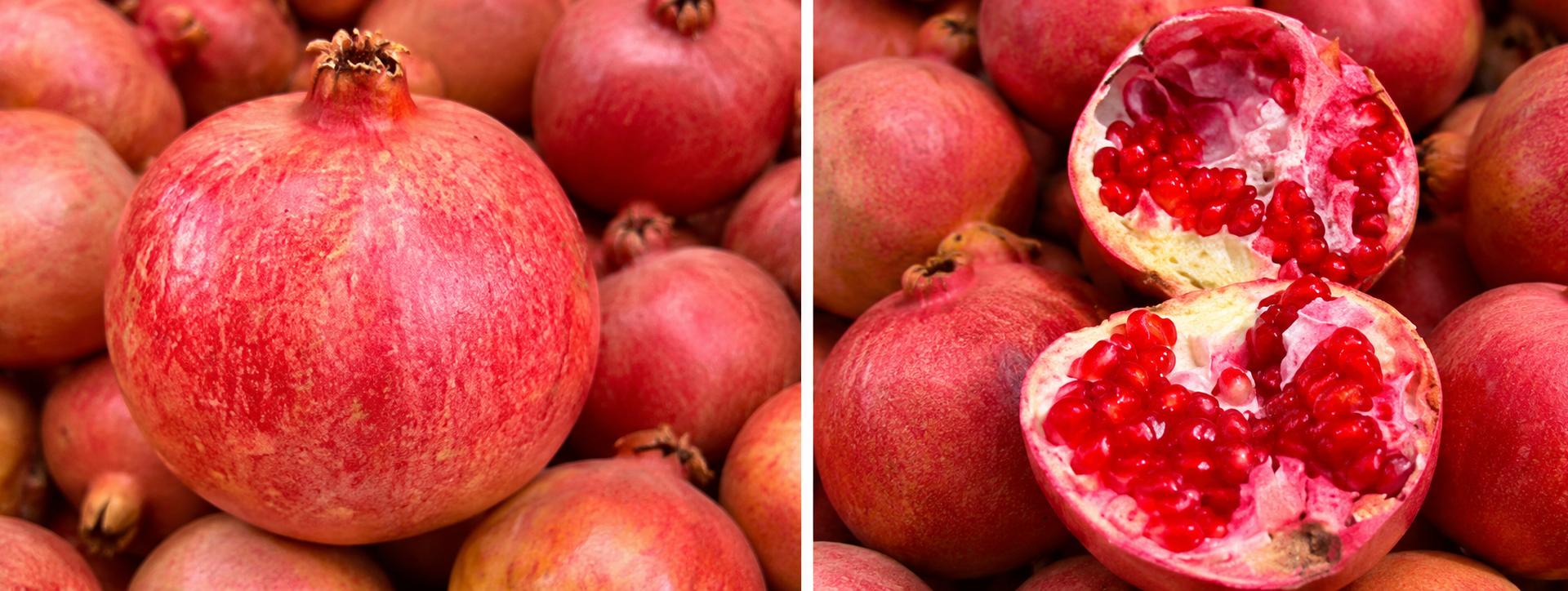
Kandahar: Afghanistan has more varieties of pomegranate trees than any other country, and some botanists regard it as the cradle of the fruit. The country’s bright red pomegranates are known worldwide for their distinctive taste, natural sweetness and striking colour. Farmers say the secret is simple: the fruit is grown naturally here, and its organic traits have earned it a strong name in both domestic and global markets. Kandahar is the country's main pomegranate-growing region, producing about 274,000 tonnes a year. The region exported more than 23,000 tonnes in 2025.
However, much of it is stuck now, as tensions between Kabul and Islamabad have cut off export routes through Pakistan. In normal years, much of the crop went to Pakistan and India, with smaller shipments to the UAE, Saudi Arabia, Qatar, Kazakhstan, Turkmenistan, Russia, Uzbekistan and Kyrgyzstan. This year, the market is sluggish due to closed export routes, a lack of suitable foreign markets, and ongoing drought. Pakistan has not only cut off the export land route to India but also suspended trade with Afghanistan.
Weddings on hold, incomes cut
Mohammad Jan, 31, has grown pomegranates in Kandahar’s Arghandab district for 11 years. Talking to NWS, Jan said his family depends entirely on income from their orchard, and its finances have suffered over the last two years because of a declining market. In areas like Arghandab, pomegranates are more than a crop. They are the livelihood of thousands of families. Many call off weddings, celebrations and even medical treatments and surgeries until they have sold their fruit, and when a year goes badly, those commitments slip to the next.
Jan has experienced this firsthand. He had planned to use part of this year’s earnings to pay for his younger brother’s wedding, but heavy losses for a second year in a row have forced him to postpone it again. “Last year, we postponed the wedding because of these losses, and now we have had to delay it until next year,” he says. “The bride’s family is putting pressure on us to conduct the wedding as soon as possible, but we cannot afford the expenses. This alone shows how important pomegranates are to our lives and our economy.”
Shamsullah, another pomegranate farmer in Arghandab, says the weak market has sharply cut his income. He used to earn about 1.2 million Afghanis (roughly $17,997) a year from farming. This year he expects just 300,000 (about $4,499). He told NWS that he may have to sell his orchard by the end of 2026 if things don't improve and start a different business. He blames the closure of trade routes through Pakistan, which has cut Kandahar's pomegranates off from India and other foreign markets. The problem is made worse, he says, by a lack of cold storage and modern storage facilities.
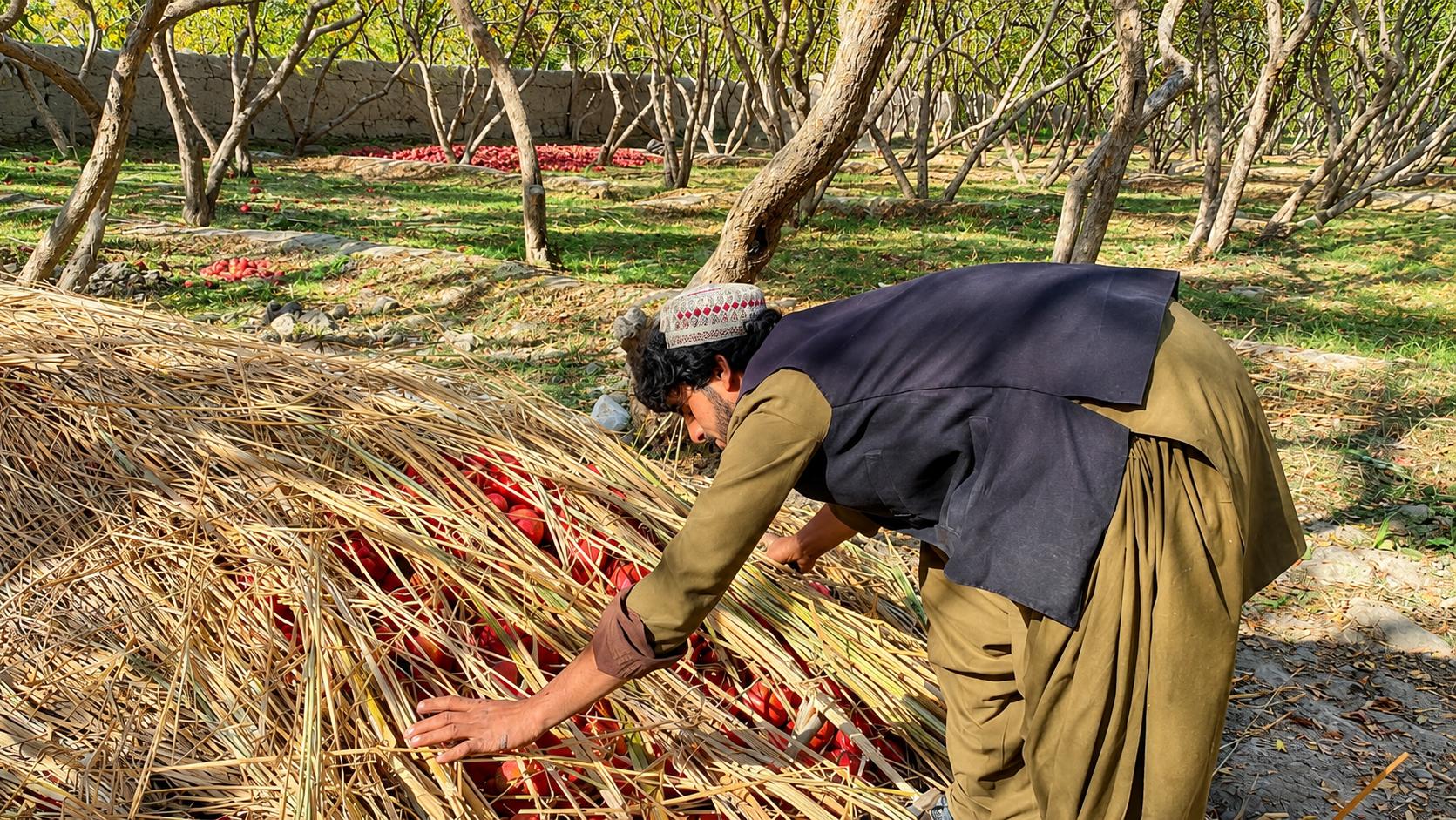
In Kandahar, farmers still preserve fruit by traditional methods and can’t hold it for long, so they have to sell straight after picking, at whatever price is on offer. “Access to the Pakistani and Indian markets is very important for us because we could sell our pomegranates and grapes there at reasonable prices,” he explains. “Exporting through Chabahar and Bandar Abbas ports in Iran does not bring us the same economic benefits as the Pakistani route. We hoped we would not suffer losses this year, but once again we have lost hundreds of thousands of Afghanis. Trade routes should remain open, and politics should not be mixed with trade.”
Drought dries up the orchards
Alongside the export and market crisis, drought has become a serious threat to Kandahar’s pomegranate orchards. Farmers say it has grown more severe over the past five years, cutting their access to water. Official data point to the same. Fews.net, the US-funded famine early warning system, reported that Afghanistan was in its fourth consecutive year of drought as of late 2025, with groundwater hitting the bottom in many areas. Rainfall in the south has been poor, and Kandahar has recorded decreasing rainfall in the last two years.
The damage to orchards is already visible. Kandahar’s agriculture department says this year’s pomegranate orchards have suffered 30 per cent damage, with the worst impact in Arghistan, where some growers have been forced to abandon their orchards because of water shortages. Falling groundwater has also made irrigation harder and more expensive. In remote areas, farmers say, declining water levels have dried up many orchards, and some have sold their trees for firewood.
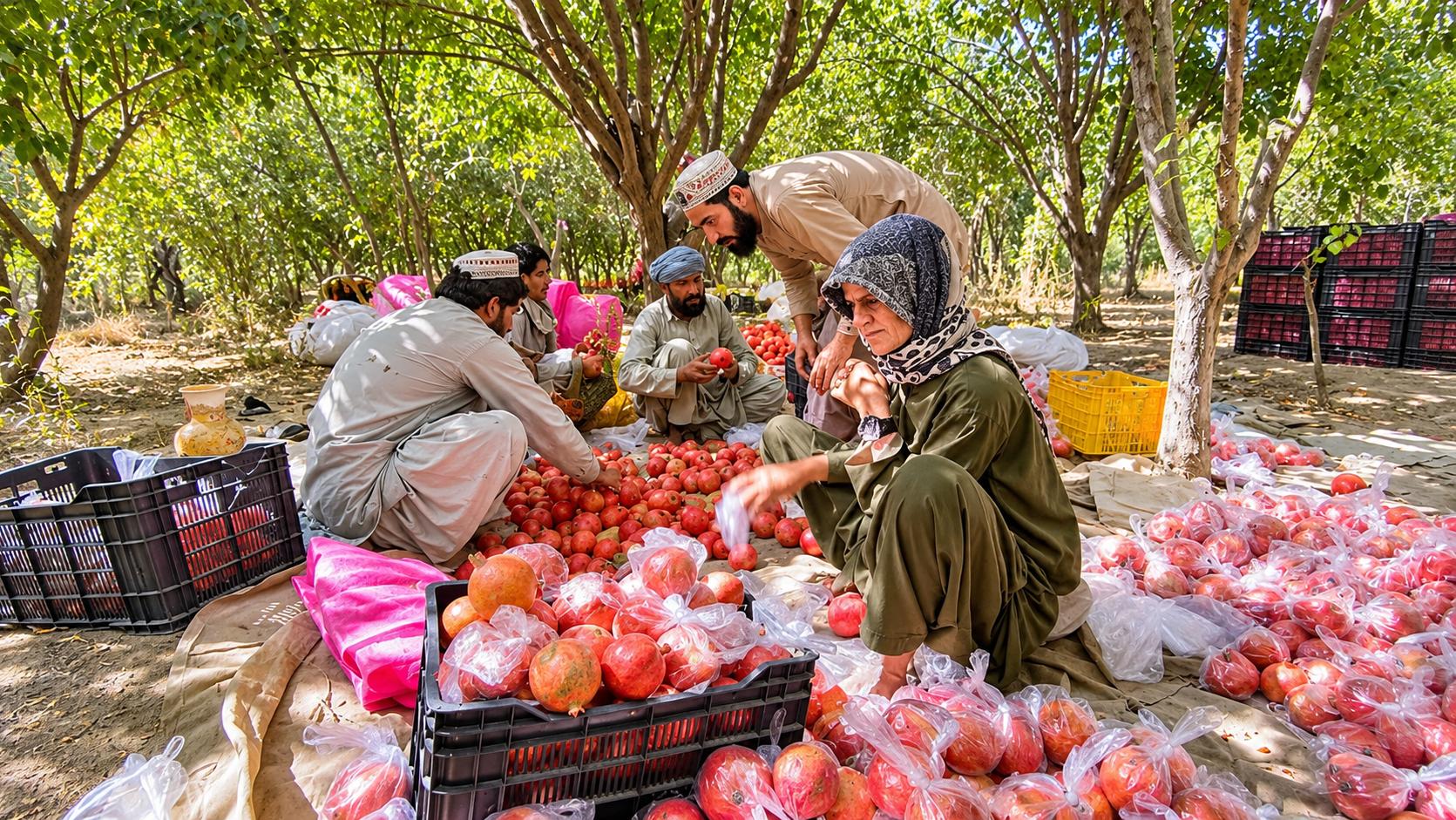
Mohammad Arif, 43, a farmer in Arghistan, is among those who have lost years of hard work. He once had about 1,450 pomegranate trees; only 400 remain, he says, and the rest have dried up for lack of water. He told NWS that the effects of drought are worsening every year. About 1,000 jeribs of orchards (roughly 200 hectares or 494 acres) in his area have either dried up or are at risk. He used to irrigate from deep underground wells, but those have run dry too. In some areas, he says, the water table has dropped from 40 metres to 250 metres.
“Our pomegranate orchards have dried up because of drought. We also have no proper market for our harvest, and nobody pays attention to our problems. In the past, we sold one kg of pomegranates for 40 Afghanis (approximately $0.60), but now the price has dropped to 20 Afghanis (approximately $0.30). We need small water-storage dams built so our remaining orchards can be saved from drying up. The taste, colour and quality of our pomegranates are exceptional, and we are known worldwide, but if this situation continues, we will lose this valuable fruit altogether,” Arif says.
Closed routes, few options
Meanwhile, pomegranate traders in Kandahar say the market has been weaker this year than in previous years. They report financial losses from orchard leasing and from buying and selling produce because of export restrictions. Mirwais Achakzai, a pomegranate trader at Kandahar's largest fresh-fruit market, told NWS that he has exported only a small quantity of pomegranates to Russia and Qatar this year, while most of his produce has been sold in domestic markets. In earlier years, he says, traders sent pomegranates to India overland through Pakistan and sold part of the crop in Pakistan itself. With that route closed, exports have been sharply curtailed.
“We now send only small quantities of pomegranates to Russia, China, Kyrgyzstan, Uzbekistan, Qatar and Saudi Arabia. Transporting them by air is very expensive, which raises their prices in destination countries and makes it difficult for us to compete,” he says. Shipping fruit by sea is not viable, as the long transport time risks spoilage and changes in colour and quality. “The most suitable option for us is the land route, which needs to be reopened,” he explains.
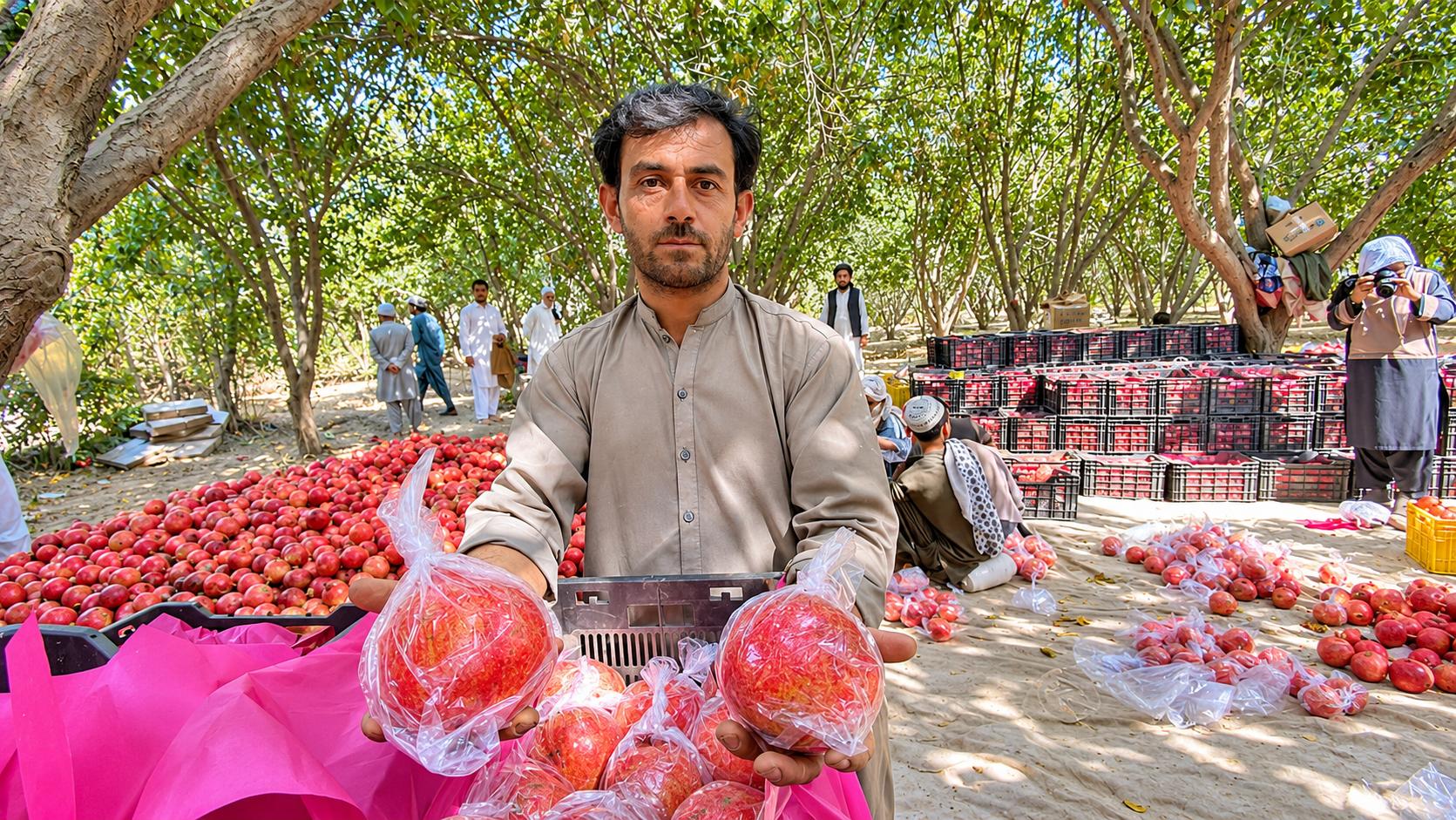
Traders say tensions and conflicts between Afghanistan and Pakistan have repeatedly disrupted trade over the past two decades. According to them, whenever political or military tensions arise, Pakistan has closed its trade routes, sometimes during the pomegranate and fresh-fruit harvest season. These closures have prevented Afghan exporters from reaching not only the Pakistani market but also the Indian market, which they previously accessed through Pakistan.
Farmers are left with few options. Pomegranates are perishable, and Kandahar lacks enough cold storage to hold the crop while the routes reopen. That’s why farmers are forced to sell their produce at or below cost, resulting in substantial financial losses. Traders say the repeated disruption also makes it hard for farmers and exporters to plan or build lasting relationships with international buyers.
Renewed efforts
Officials at the Kandahar Chamber of Commerce and Investment say they are looking for alternative export routes and new international markets, so that Afghan exports are not crippled whenever one country or route closes. Abdul Baqi Bina, the chamber’s deputy head, says that despite Pakistan’s prolonged closure of its trade routes, some Kandahar pomegranates are still reaching foreign buyers.
His figures show how volatile the trade has been. Exports reached around 90,000 tonnes in 2023, the highest in recent years, then fell to 6,015 tonnes in 2024 before recovering to about 23,000 tonnes in 2025. This year, about 1,000 tonnes have been exported so far to Russia, South Korea, Japan, Kazakhstan, Uzbekistan, Malaysia, Saudi Arabia and Turkmenistan. Exports are continuing, and the final 2026 figure is not yet available.
The chamber is also trying to build a processing industry at home. The plan is to turn fresh fruit into juice, paste and seeds and store them in cold storage. Domestic production of pomegranate juice and paste began last year, Bina said. “Our own processing industry will allow us to bring these products to the market at the right time. At present, farmers are forced to sell their harvest immediately after picking,” he added.
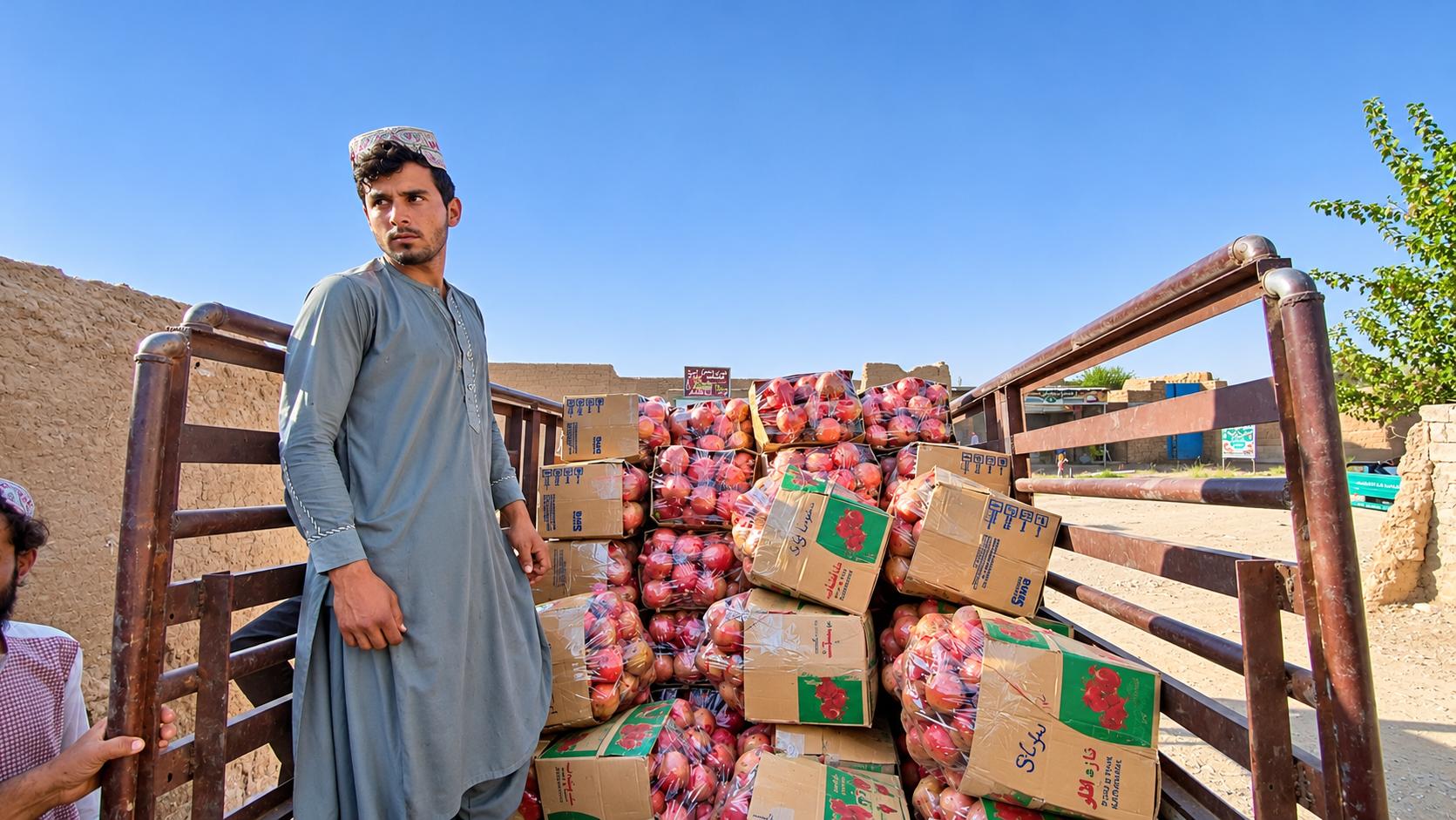
Farmers and traders say that if new international markets are found for Kandahar’s pomegranates, trade routes are reopened, processing and storage facilities are improved, and water-storage projects are implemented to address drought, pomegranate exports could increase significantly. Such measures would also improve the economic situation of thousands of families whose livelihoods depend largely on pomegranate farming.