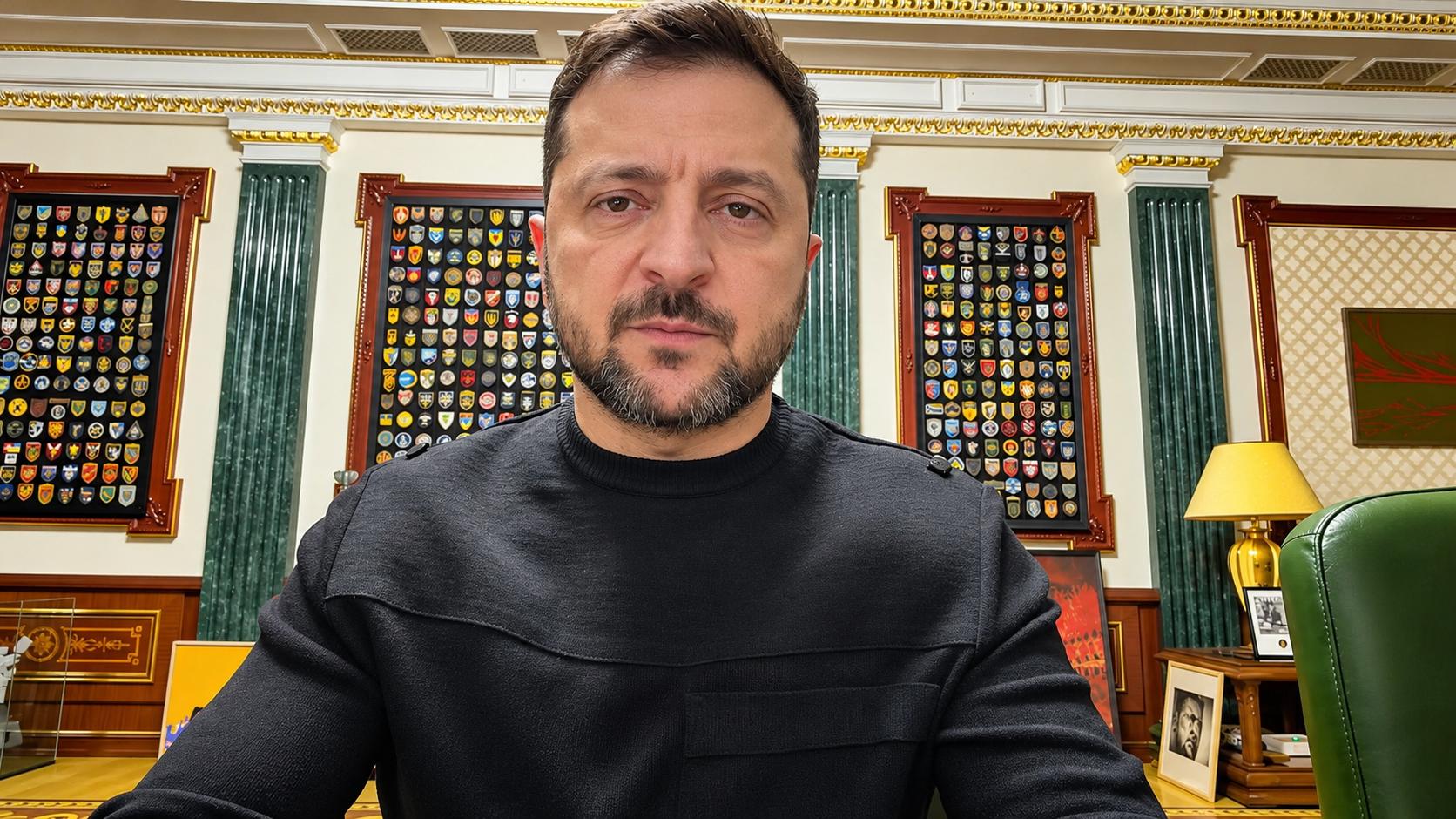
Ukraine has declared Russian-flagged ships legitimate targets anywhere, after a weekend in which it struck vessels in the Baltic Sea and the Mediterranean, nearly 2,000 km apart. President Volodymyr Zelensky said Ukraine's Security Service (SBU) and Defense Forces sank the Russian corvette Merkury in Libya's Benghazi harbour and hit the sanctioned cargo vessel Angara off the Libyan coast on Sunday. He vowed that Ukrainian naval operations would continue. In his recent address, Zelensky also confirmed that Ukraine was behind the November 21 drone attack on the cargo ship Sparta II in the Gulf of Finland. He was quoted as saying that every ship flying the Russian flag, and everything carrying weapons or sanctioned goods, is a legitimate target in Russian territorial waters or neutral waters. The operations suggest that Kyiv is extending its maritime campaign beyond the Black Sea to disrupt Russian military logistics and trade routes. Here is the full statement of the Ukrainian President.
Libya strike
Zelensky revealed that seven Ukrainian-made naval drones took part in the Benghazi operation, which the SBU said took place about 1,700 km (1,050 miles) from Ukraine's southern coast. The SBU also said it destroyed a Ka-27 military helicopter aboard the warship. Commissioned in 2023, the Merkury joined Russia’s Mediterranean squadron in 2024. It was among the Russian Navy’s newest ships and was estimated to have cost up to $350 million. "Russia was using two vessels for the war – a corvette, one of the newest in the Russian fleet, and a cargo ship transporting weapons," Zelensky said in his evening address Monday.
The Angara, sanctioned in the West as part of Russia's shadow fleet, was transporting weapons, according to Ukrainian authorities. The extent of the damage remains unclear. Libya's eastern authorities said the Merkury had docked in Benghazi to refuel and resupply under a military cooperation agreement with Russia. Moscow has backed the forces of eastern commander Khalifa Haftar for years. It has also sought to consolidate its presence in Libya since the fall of Syria's Bashar al-Assad in 2024.
The Kremlin said it had “taken note” of Zelensky’s statement and referred questions to Russia’s Defence Ministry. Moscow has not acknowledged the loss of the warship. Russia’s presence in Libya has gained strategic importance after losing its established military position in Syria. Eastern Libya could provide Moscow with an alternative foothold for operations across Africa and the Mediterranean.
Baltic attack
Drones struck the Sparta II on November 21 in international waters in the Gulf of Finland. Multinational rescue teams put out the fire, and the ship was towed to Saint Petersburg. All 16 crew members were evacuated, and one was injured. Finnish authorities said Ukraine’s military likely carried out the attack. Vietnamese news agency Lao Dong reported that there was no evidence the vessel, believed to be bound for Russia's Kaliningrad exclave, was carrying military cargo.
The Kremlin condemned attacks on civilian vessels as terrorist acts. Moscow also rejects the enforcement of Western sanctions on Russian goods in international waters, calling such actions piracy or terrorism. The Gulf of Finland is an important shipping corridor for Russian trade, connecting ports such as Saint Petersburg and Ust-Luga to the Baltic Sea. Further attacks could disrupt commercial shipping and increase security concerns among countries bordering the waterway.
Libya furious
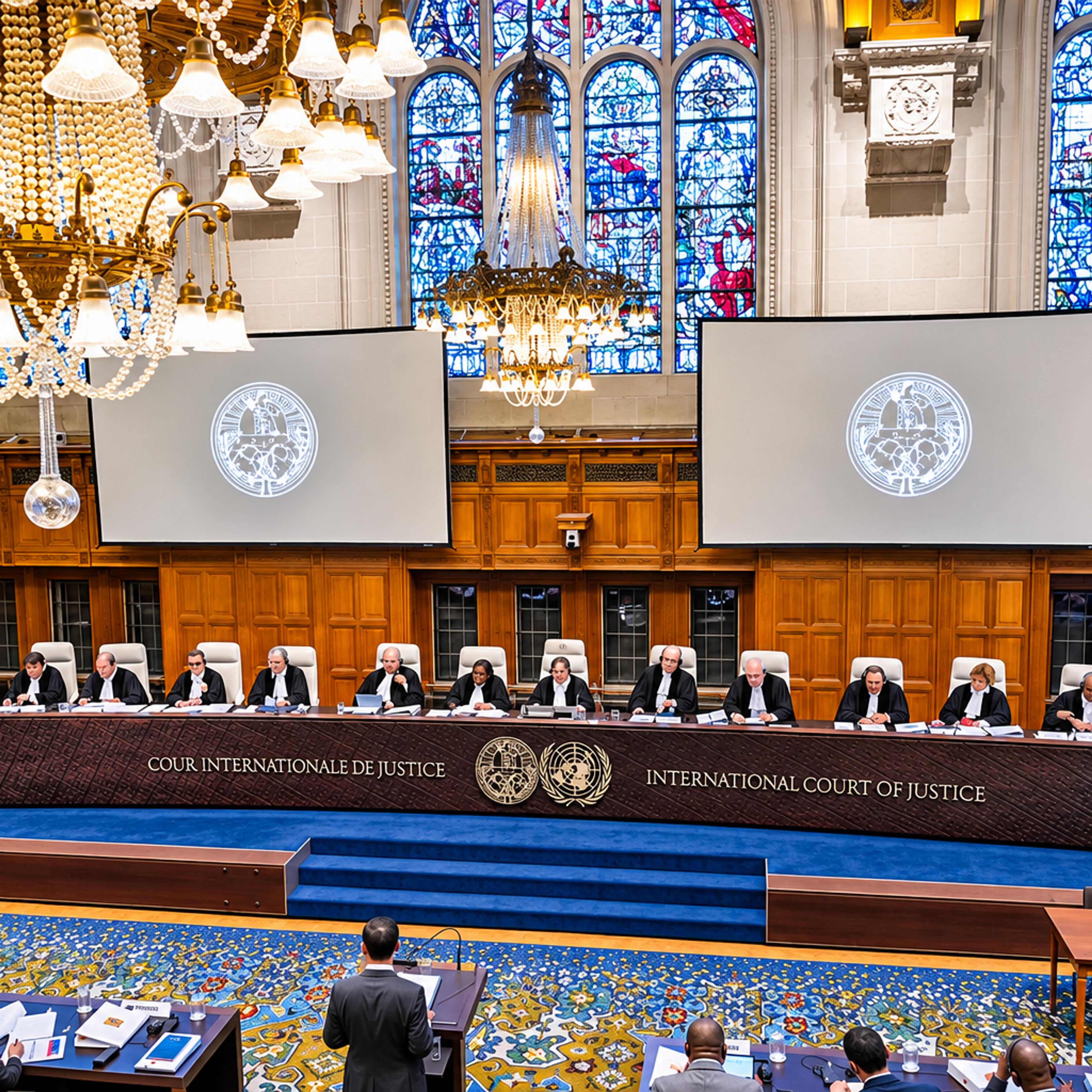
Libya’s UN-recognised government in Tripoli condemned the Benghazi strike and demanded an explanation from Kyiv. In a statement Monday, it rejected foreign military action on Libyan territory or in its waters, arguing that the war gave neither Russia nor Ukraine the right to extend hostilities to North Africa. Libya’s Presidential Council vice-chairman Musa al-Koni said, “We hold the Ukrainian side fully responsible for these terrorist actions.” He noted that Zelensky had openly endorsed the operation. Al-Koni called Ukraine's actions equivalent to a declaration of war on the Libyan state and threatened to take Ukraine and Zelensky to the International Court of Justice.
The Arab League expressed solidarity with Libya. It stressed that Libyan security was part of overall Arab security and rejected the use of Arab territories and waters for regional and international conflicts. The UN Support Mission in Libya (UNSMIL) called for an independent investigation. Zelensky maintained that both vessels were legitimate targets because of their role in supporting Russia's war. The incident could complicate Kyiv’s efforts to build relations with African and Arab countries, many of which have avoided taking sides in the Russia-Ukraine conflict.
A widening campaign
The weekend attacks are the latest in a series of operations that have moved farther from Ukraine's shores. In December 2025, SBU sources told Kyiv Post that Ukraine had carried out its first strike on a Russian shadow fleet tanker in international waters in the Mediterranean, using aerial drones. In March this year, a Russian liquefied natural gas carrier sank off the Libyan coast after an attack that President Vladimir Putin blamed on Kyiv. Ukraine did not comment on that incident.
Ukraine has increasingly relied on naval drones to challenge Russia's superior conventional naval capabilities. The relatively inexpensive unmanned vessels allow Kyiv to attack warships and maritime infrastructure without exposing its own fleet to comparable risks. The latest operations indicate that it is also targeting the maritime networks supporting Russia's overseas military activities. Putin has warned that Moscow could cause greater damage to Kyiv if similar measures continue.
European backing
Kyiv has presented the campaign against the backdrop of sustained political engagement with European capitals. Zelensky addressed the Conference of the Alliance of Nations Ready to Support Ukraine in Berlin on November 19 and held a press briefing in Copenhagen on November 10. On Monday (November 23), he spoke to the NATO Parliamentary Assembly in Berlin, where Defence Minister Yevhen Khmara also defended the operation. “Ukraine needs peace. We believe, however, that peace is only possible through strength,” Khmara said. “We will do everything to put the Russian regime at the negotiating table and to achieve agreements and peace for Ukraine.”
Finland's security and rescue services responded to the Sparta II incident, and multinational teams helped contain the fire. Finnish authorities attributed the attack to Ukraine's military but, according to the reports, did not condemn it. The reports reviewed for this story do not show whether European governments have publicly endorsed or criticised the latest strikes, or whether any have raised concerns about attacks on civilian-crewed vessels near their waters.
What comes next
Zelensky's declaration that Russian-flagged ships are targets raises the prospect of attacks near busy shipping lanes, including in the Baltic, where Finland, Estonia and Russia share a narrow stretch of water. Libya's demand for an explanation and the UN call for an investigation add a diplomatic dimension that Kyiv has yet to address in detail. The attacks could widen the conflict and encourage Russia to target Ukrainian and European assets beyond the immediate war zone. The risk is particularly significant if Moscow responds by targeting commercial shipping, ports or maritime infrastructure. Without diplomatic intervention by the United States and European powers, the maritime confrontation could become another front in an increasingly internationalised war.