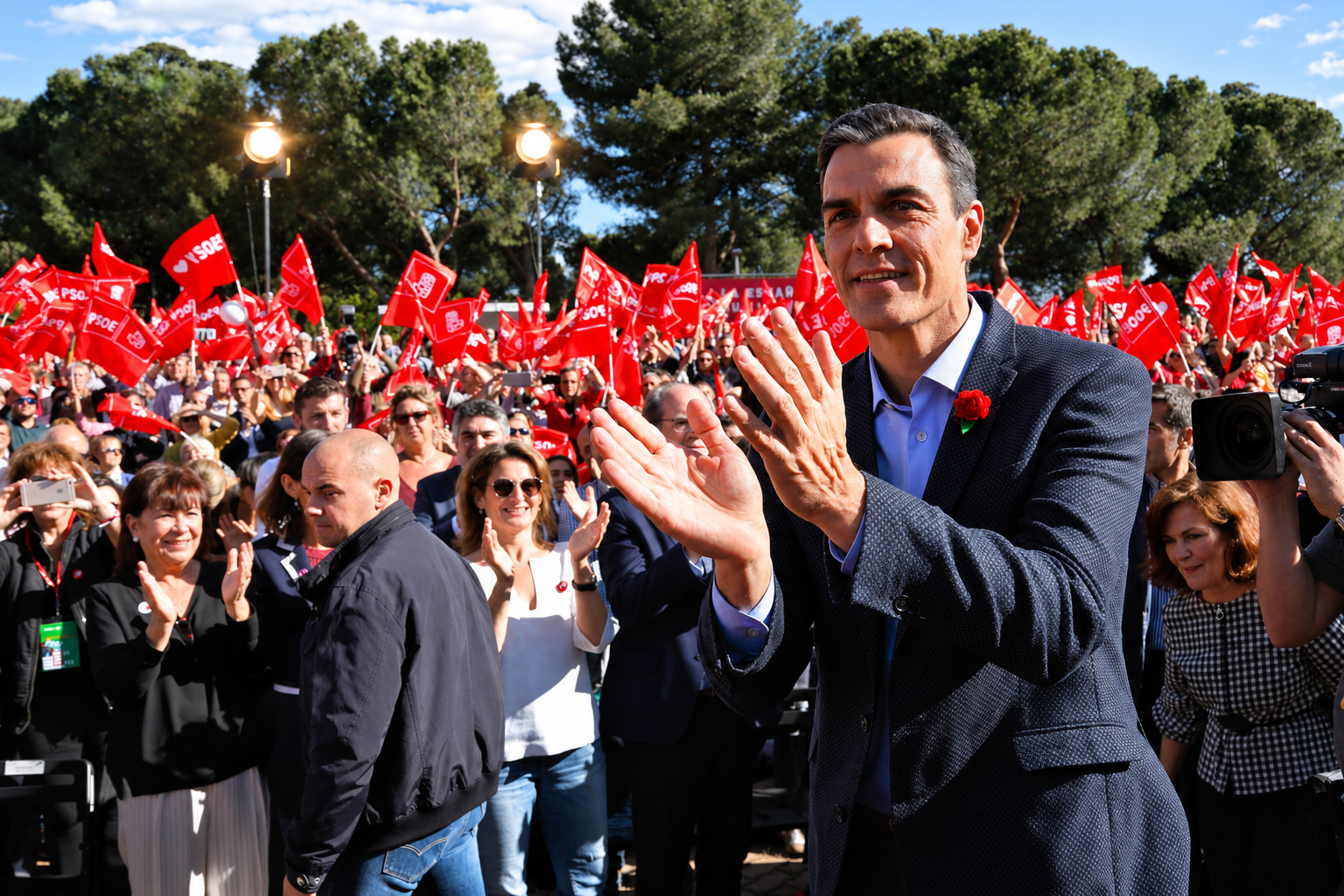
Spanish Prime Minister Pedro Sánchez is facing the biggest political test of his eight-year premiership as the country prepares to vote in a snap general election on Sunday (November 29), amidst widespread protests over a worsening housing crisis, rising living costs and growing discontent with his government.
The election could bring an end to eight years of Socialist-led rule and potentially usher in a government involving the far-right Vox party, marking a significant shift in Spain’s domestic and foreign policy.
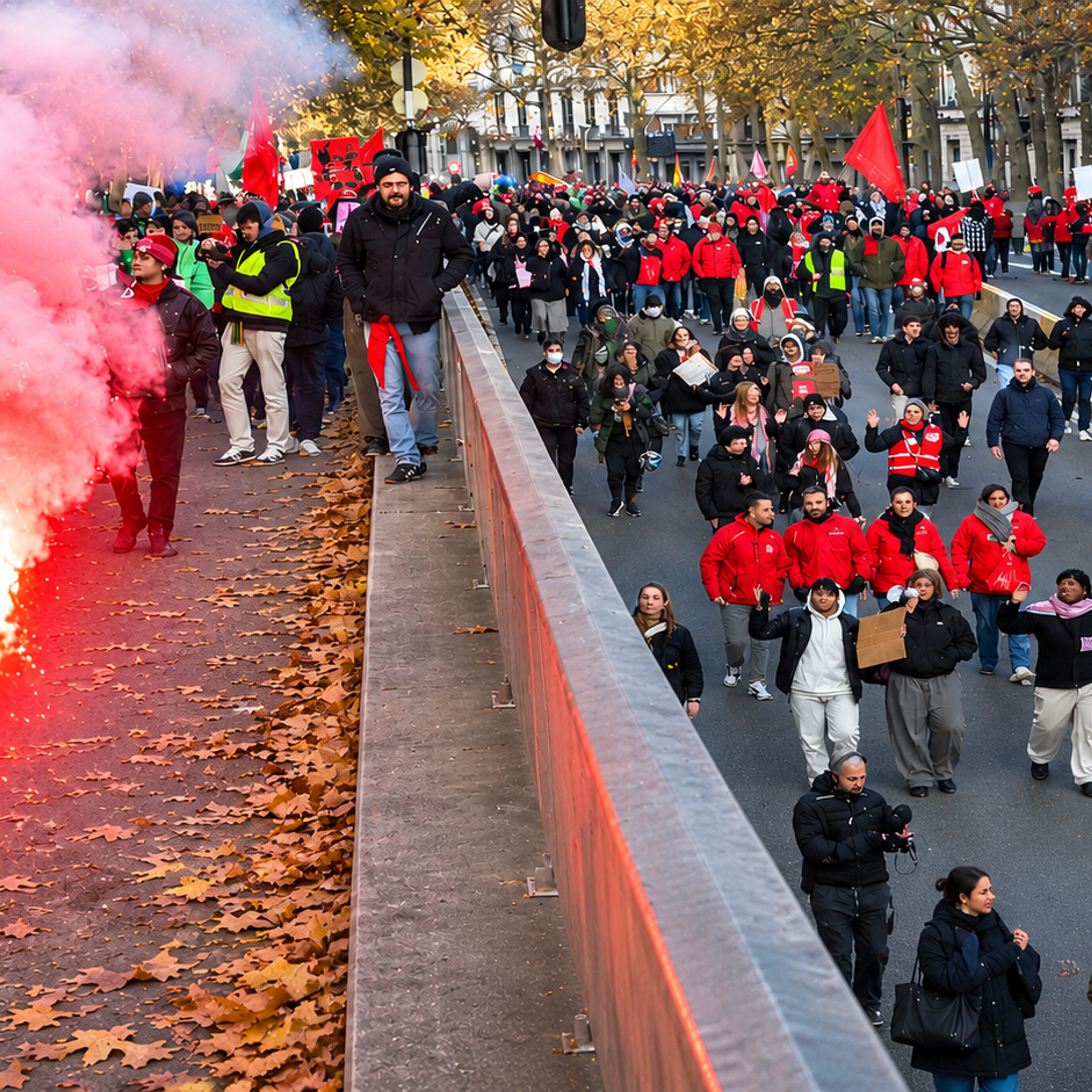
Housing affordability has emerged as the defining issue of the campaign, with soaring rents and property prices putting increasing pressure on households, particularly younger Spaniards. The protests have exposed a growing disconnect between Spain’s relatively strong economic performance and the financial difficulties experienced by many of its citizens.
Sánchez, leader of the Spanish Socialist Workers’ Party (PSOE), called the early election after parliament rejected two housing-related government decrees on October 2. The defeat exposed the fragility of his minority government and its dependence on smaller regional parties to pass legislation.
The prime minister acknowledged shortcomings in his administration during a televised debate with his principal challenger, Alberto Núñez Feijóo, on November 19. “My government has not been perfect, I have made mistakes, I have trusted people I should not have trusted,” Sánchez said, while acknowledging that his government had yet to resolve the housing crisis.
Feijóo, meanwhile, sought to turn public dissatisfaction into a broader indictment of the Socialist administration. “Spain deserves a decent prime minister, and he is not one,” the conservative leader said during the debate.
Housing crisis at the centre of the campaign
Spain’s housing crisis has become a major source of public anger despite the country recording stronger economic growth than many of its European peers.
Inflation-adjusted property prices increased by 43 per cent between 2015 and 2025, compared with 25 per cent across the European Union. Spain also faces an estimated shortage of 750,000 homes, according to the European Construction Observatory and housing market assessments.
Rents have also increased substantially, while two-thirds of Spaniards aged between 18 and 34 were still living with their parents in 2025, partly because of the cost of housing. Around one in four private renters spends more than 40 per cent of their income on accommodation.
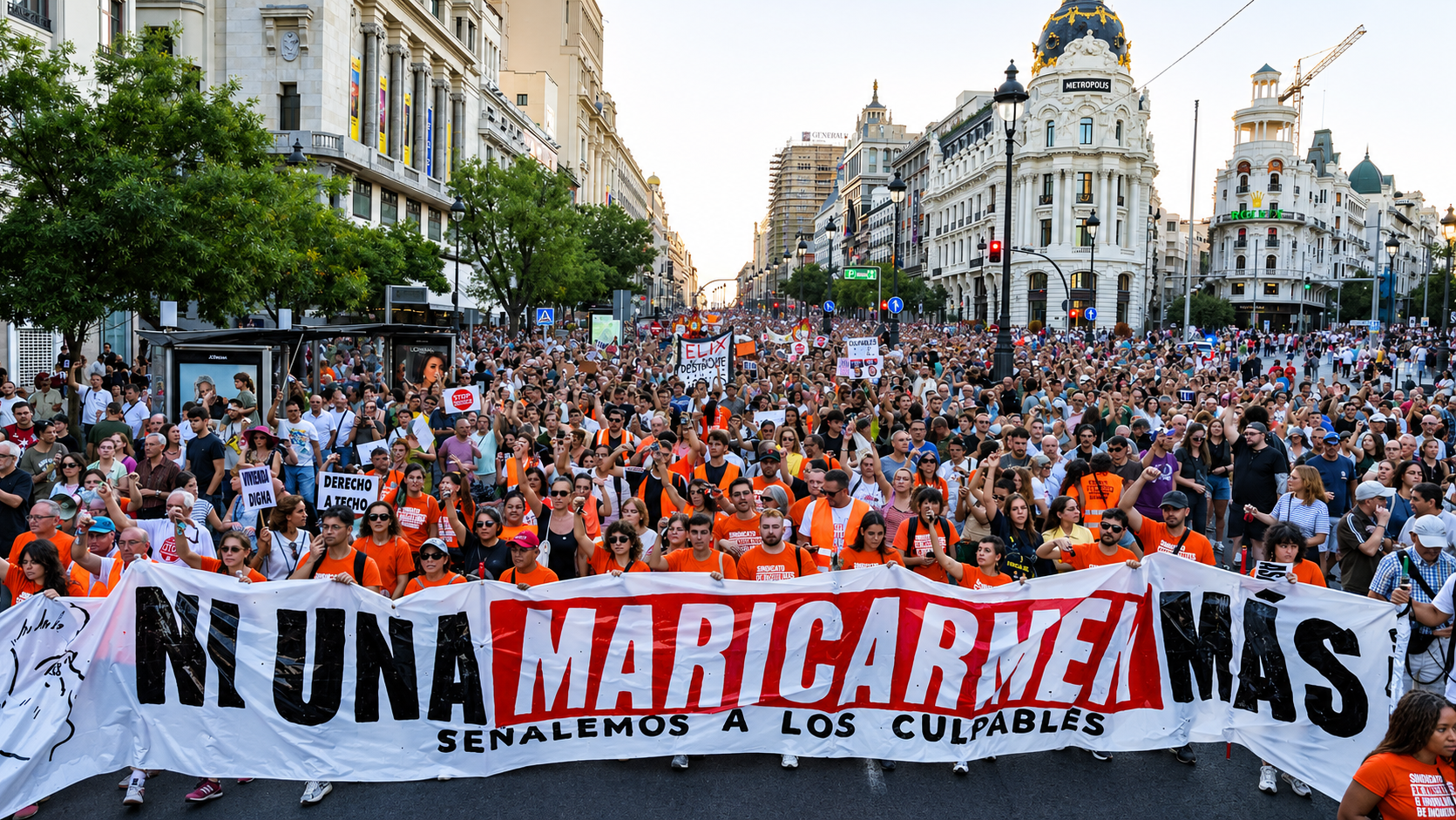
The eviction of 87-year-old Madrid resident Maricarmen Abascal became a symbol of the crisis. Abascal was forced out of the apartment where she had lived for 71 years following a prolonged legal dispute over rent. Her monthly rent had been around €500, while her landlord was seeking €2,650. Although a subsequent agreement allowed her to return, she died in hospital on October 7.
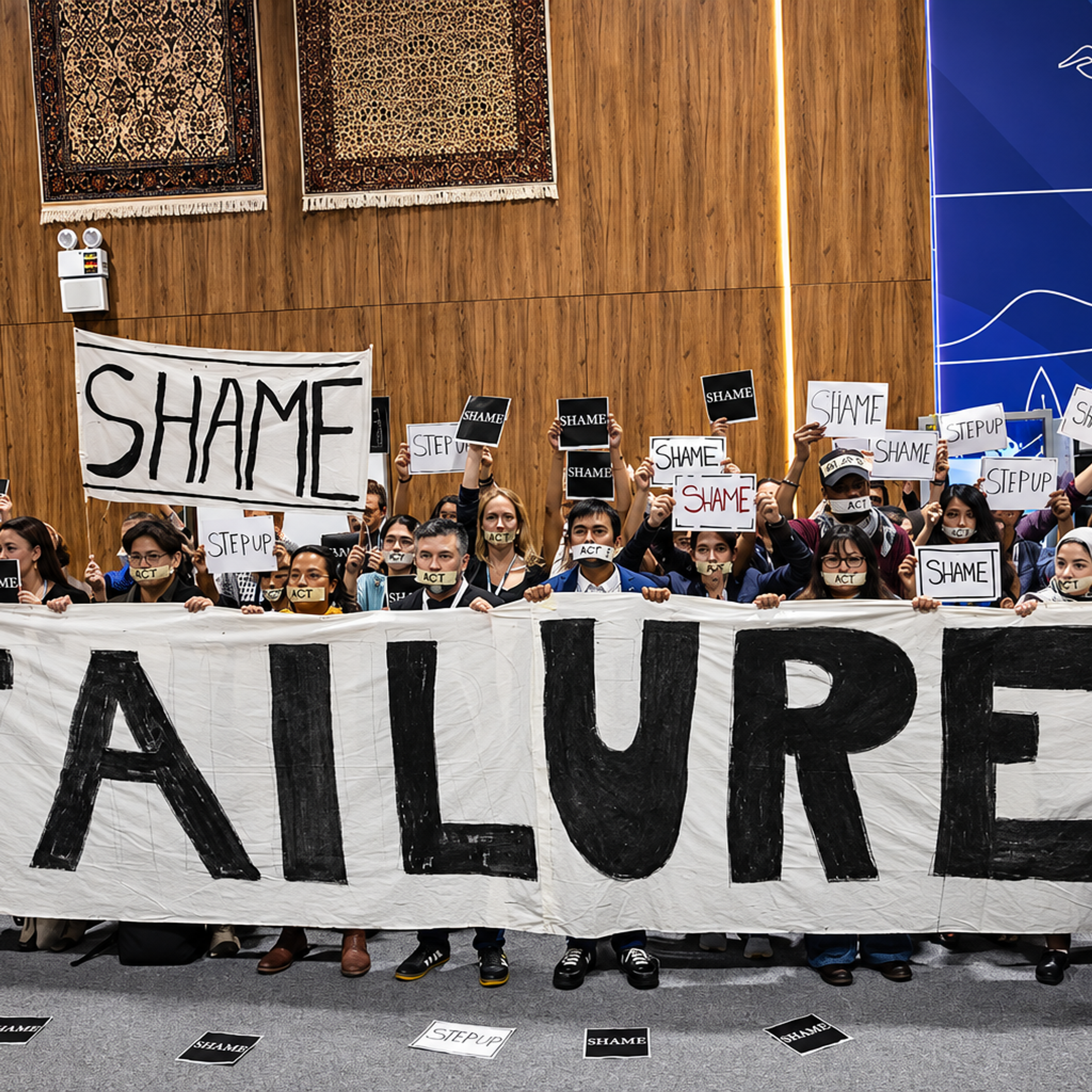
The episode galvanised housing activists and prompted demonstrations in Madrid and other cities. Protesters have demanded rent controls, stronger tenant protections and greater public investment in affordable housing. Public discontent was further underlined by a nationwide general strike on November 11, the first in 14 years. Trade unions and campaigners demanded affordable housing, higher wages and better working conditions. Demonstrations in Madrid and Barcelona attracted large crowds, while clashes with police resulted in arrests.
The housing debate has exposed sharply contrasting approaches between the main political parties. Sánchez’s Socialists support rent regulation and an expansion of public housing. The government has also proposed measures including rent caps, a temporary suspension of certain evictions and restrictions on corporate purchases of residential property.
The People’s Party (PP), meanwhile, advocates faster construction, fewer regulatory restrictions and the development of one million homes over four years. It has also pledged to repeal the existing housing law.
During the November 19 debate, Feijóo criticised Sánchez’s record, arguing that the government had failed to address the worsening affordability crisis. Sánchez, however, defended rent regulation, warning that deregulation could worsen the problem. “Building without regulation is a property bubble,” he said, rejecting the opposition's argument that increasing construction alone would resolve the housing shortage.
Who are the main opposition parties?
The principal challenger to Sánchez is the People’s Party, or Partido Popular (PP), led by Alberto Núñez Feijóo. It is Spain’s main centre-right conservative party and the largest opposition force in parliament. The PP won the most seats in the 2023 general election but failed to secure enough parliamentary support to form a government. Sánchez subsequently returned to office by forming a coalition with the left-wing Sumar alliance and securing the backing of several regional parties.
Feijóo has sought to position the PP as an alternative to Sánchez’s Socialist administration, attacking the government over housing, corruption, immigration, railway safety and the cost of living. The party advocates lower taxes, deregulation and closer defence ties with the United States.
The other major opposition force is Vox, a nationalist far-right party led by Santiago Abascal. It is Spain’s third-largest political party and has expanded its support by campaigning on immigration restrictions, national sovereignty and opposition to separatist movements. Vox advocates tougher border controls, prioritising Spanish nationals in access to public assistance and reversing aspects of existing housing and immigration policies.
Although the PP and Vox are separate parties, their combined parliamentary strength could become decisive in determining the next government. The PP may need Vox’s support to secure a majority, raising the possibility of the far right entering Spain’s national government.
Other contenders include the left-wing Frente Amplio coalition, associated with former Barcelona mayor Ada Colau, Podemos and several regional parties representing Catalan and Basque interests. These smaller parties could also play a crucial role if Sánchez seeks to form another minority coalition.
Corruption allegations and railway disasters
The housing crisis is not the only challenge confronting the prime minister. His government has also faced mounting pressure over corruption investigations involving former senior Socialist officials, including former transport minister José Luis Ábalos and former party organisational secretary Santos Cerdán.
Feijóo has repeatedly used the controversies to question the integrity of Sánchez’s administration. During the televised debate, Sánchez acknowledged making mistakes and apologised for corruption cases involving people associated with his party and government. He maintained that those implicated had been removed and that the authorities were free to investigate.
Two deadly railway disasters have added to the government’s difficulties. A collision near Adamuz in January killed 46 people, while another high-speed train disaster near Urda on October 28 claimed 69 lives. Together, the accidents killed 115 people and raised questions over railway safety, infrastructure investment and the government's oversight of the national transport system. Transport Minister Óscar Puente resigned on November 3, following mounting criticism of the handling of the railway network.
The opposition has sought to make the accidents a central campaign issue, while Sánchez has expressed sympathy for the victims’ families and defended his government’s response. During the debate, Feijóo accused the government of negligence in managing the railway network. Sánchez said he was prepared to apologise to the families of those killed.

Immigration and foreign policy divide parties
Immigration has emerged as another significant election issue, particularly after an unprecedented influx of migrants into Ceuta, Spain’s North African enclave bordering Morocco, in July.
The arrival of tens of thousands of migrants placed considerable pressure on local facilities and intensified criticism of the government's border policies.
Vox has made immigration a central campaign issue, demanding stricter controls and priority for Spanish nationals in accessing public assistance. The PP has also called for stronger border management, although its approach differs from Vox’s more restrictive proposals.
Foreign policy divide
Matters related to foreign policy have created further divisions. Sánchez has resisted pressure from Washington to increase NATO defence spending to five per cent of gross domestic product by 2035, arguing that Spain can fulfil its alliance commitments with substantially lower expenditure.
The PP supports higher military spending and closer ties with Washington, while Vox also favours increased defence investment. On the left, Podemos advocates withdrawing Spain from NATO.
The war in Ukraine has exposed another divide between Spain’s political parties, particularly over the role of military assistance in ending the conflict. Sánchez’s government has backed Ukraine with weapons, military equipment and troop training, arguing that European security requires support for Kyiv against Russia’s invasion.
The PP supports this approach and has pledged to maintain military assistance and sanctions against Moscow. Podemos, however, opposes the continued emphasis on military aid, arguing that it risks prolonging the conflict. It advocates a negotiated settlement between Moscow and Kyiv and a European security framework built around diplomacy, disarmament and cooperation with Russia rather than an expanded military confrontation.
What the opinion polls say
The latest opinion surveys put the PP ahead of Sánchez’s Socialists, although the gap has narrowed during the campaign. The final polling average published by El País on November 26 put the PP at 31.4 per cent of voting intentions, compared with 29.1 per cent for the PSOE and 17.9 per cent for Vox. The combined support for the PP and Vox stood at around 49 per cent. A separate 40dB survey conducted between November 16 and 20, involving 2,000 respondents, put the PP at 31.9 per cent, narrowly ahead of the Socialists at 31.2 per cent. Vox received 17.1 per cent.
The state-run Centre for Sociological Research (CIS), however, produced a markedly different assessment. Its November survey of 8,034 respondents put the Socialists at 34.4 per cent, ahead of the PP at 24.7 per cent and Vox at 15.6 per cent.
The polling differences underline the uncertainty surrounding the election. While most private surveys place the PP ahead and project a possible parliamentary majority for the PP and Vox together, the CIS figures suggest that Sánchez could still retain a path to government with the support of smaller progressive and regional parties.
The televised debate between Sánchez and Feijóo also produced contrasting reactions. A 40dB survey found that 43 per cent of respondents considered Feijóo the winner, compared with 33.3 per cent who favoured Sánchez. These figures are survey estimates rather than election results. The distribution of parliamentary seats will depend on votes across Spain’ss provincial constituencies and the ability of parties to negotiate alliances.
What is at stake on Sunday?
Nearly 38.7 million Spaniards are eligible to vote on Sunday, including approximately 2.8 million living abroad. The election will determine the composition of the 350-member Congress of Deputies, the lower house of parliament, as well as the elected portion of the Senate. Spain does not directly elect its prime minister. The candidate seeking to lead the government must secure the backing of an absolute majority of 176 deputies in the first parliamentary vote or a simple majority in a subsequent round.
The newly elected parliament is scheduled to convene on December 23. For Sánchez, Sunday’s vote is a test of whether his government can persuade voters that its record on economic growth, employment and social protection outweighs widespread dissatisfaction over housing, public services and political accountability.
For Feijóo and Abascal, it is an opportunity to end Socialist-led rule and reshape Spain’s political direction. The result could have implications well beyond Madrid, influencing Spain's position on immigration, European defence, NATO, relations with Washington and continued support for Ukraine.