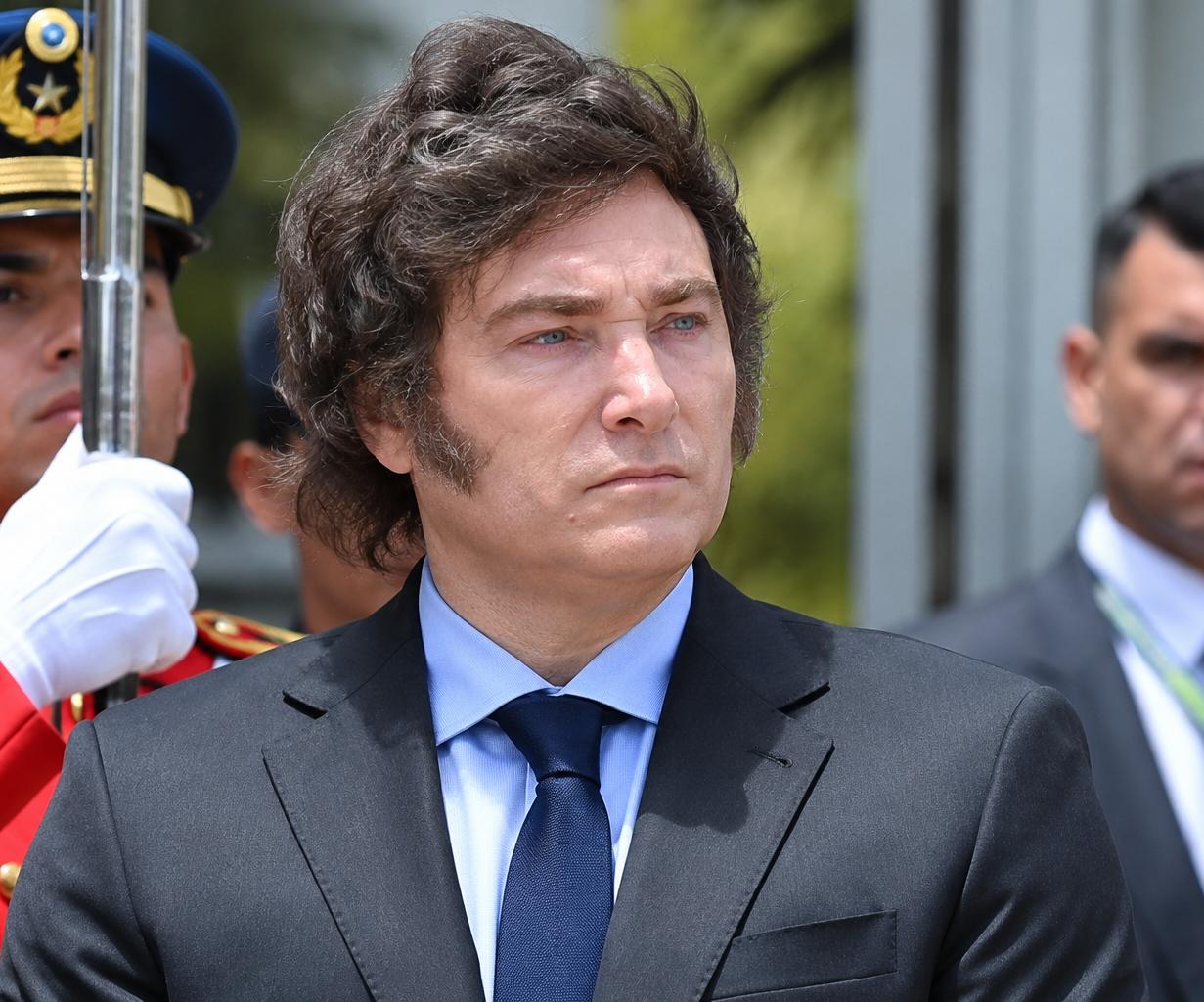
Argentina has passed a series of bills that would implement reforms long advocated by President Javier Milei. On November 26, Argentina’s Congress passed a law banning the central bank from printing currency to support government spending and suspending party primaries before the 2027 presidential elections. Milei touted this as a big change that forces future governments to close budget gaps through taxes, borrowing or cuts rather than inflation. His office called the vote the end of nearly two decades of political manipulation at the bank and a curb on hyperinflation caused by money printing.
The Senate also voted to suspend party primaries before the 2027 presidential election, a bill that still needs approval from the lower house.
Why this law is significant
The new law bans the central bank from lending to any level of government or otherwise financing the Treasury directly. In practical terms, the central bank can no longer act as the government's bank. This law is significant because, for generations, when Argentine governments spent more than they collected, they turned to the central bank to print pesos to fill the gap, fuelling repeated currency crises and bouts of hyperinflation. That practice contributed to inflation that exceeded 200 per cent in 2023. The law removes that financing route, so whoever governs next must pay for deficits openly, through higher debt, taxes or spending cuts.
The reversal is also personal for Milei. As a candidate in 2023, he promised to abolish the bank and replace the local currency with the US dollar. In office, he has slashed public spending, turned chronic deficits into a surplus and helped cut annual inflation from nearly 300 per cent in early 2024 to 33 per cent last month. The present law aims to make that fiscal discipline harder to undo.
Despite the right-wing president’s reforms, the Argentinian economy is under strain. Poverty has surged and data released days before the vote showed Argentina had likely slipped into recession. Labour-intensive industries like manufacturing, retail and construction have struggled. That mix of falling inflation and rising hardship is the backdrop to next year’s election. Another concern is that the law leaves currency controls in the bank’s hands and sets no clear rule for how it should respond to inflation.
However, the bigger question is its durability – how long the law will remain in force. It was passed as ordinary legislation, and any future government with a legislative majority could amend or reverse it. Argentina’s main opposition movement, Peronism, has already announced that if it returns to power, it will repeal Milei’s reform. The October 2027 election will therefore help decide whether the ban lasts.
Senate moves to suspend primaries
On November 26, the Senate also passed an electoral reform bill by a vote of 43 to 29. The new bill proposed to suspend Argentina's party primaries for the 2027 election. That would change how candidates are chosen a year before the presidential vote. Known as PASO, the primaries are open, simultaneous and mandatory contests in which all voters choose party candidates before the general election. Voters need no party affiliation, and each casts a single vote. The contests also act as a filter, because any candidate that fails to win 1.5 per cent of the vote is excluded from the general election. Because every voter takes part, the primaries have long worked as a national opinion poll that markets watch closely. It is commonly said in Argentina that the PASO provide far more accurate insight into what lies ahead than any poll.
Now, without primaries, the parties and alliances will pick their candidates under their own rules. The bill would also reduce public financing for political parties and eliminate a mandatory presidential debate. The suspension is for one election only and lapses after the 2027 process. Primaries were suspended for one election in 2025 as well. The government says the primaries waste public money on contests that parties should run themselves. However, a study by the Fundación Éforo found the state saved only $9.5 million by suspending the 2025 primaries.
A political move?
Critics see a political motive. The primaries have long served as a bellwether for the general election, and a weak showing could unsettle markets and weaken Milei's standing. By skipping them, the government removes an early electoral test. Buenos Aires province Governor Axel Kicillof, a potential challenger, accused Milei of changing "the rules of democracy" to improve his re-election chances.
The change would also hit the opposition. Peronism, the main opposition movement, is split between rival camps and relies on the primaries to settle its internal disputes. Cristina Kirchner, its most prominent figure, is serving a six-year sentence under house arrest for corruption and cannot run, while Kicillof is strongly tipped to be the party's nominee. Without primaries, Peronism would lose a mechanism to identify its preferred candidate, making it harder to build a united opposition alliance. In August, Peronist factions agreed to a truce aimed at blocking the electoral reform.
The bill now goes to the Chamber of Deputies, where no vote date has been set, as the chamber is also debating the 2027 budget. The presidential election is scheduled for October 24, 2027, and Milei is expected to run.