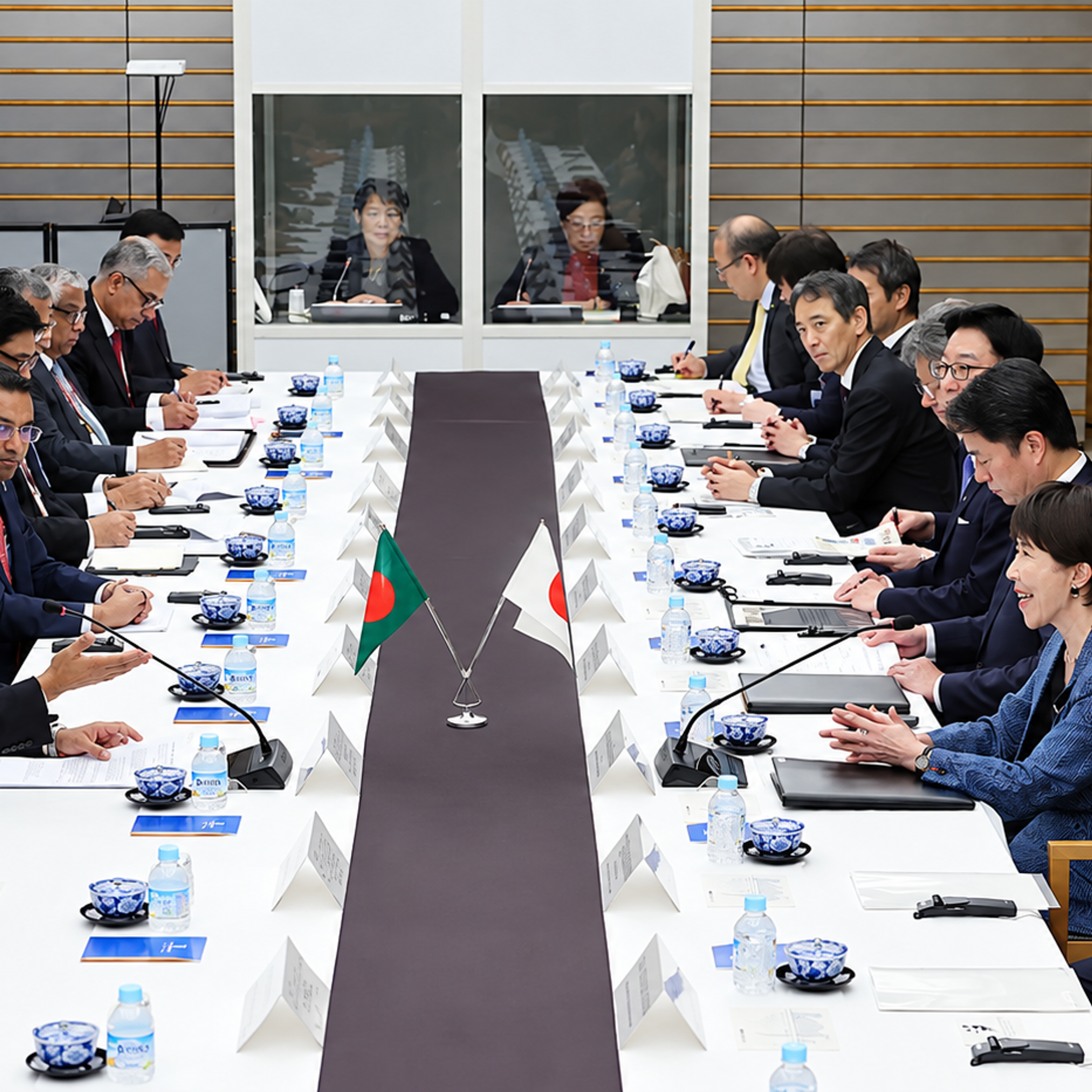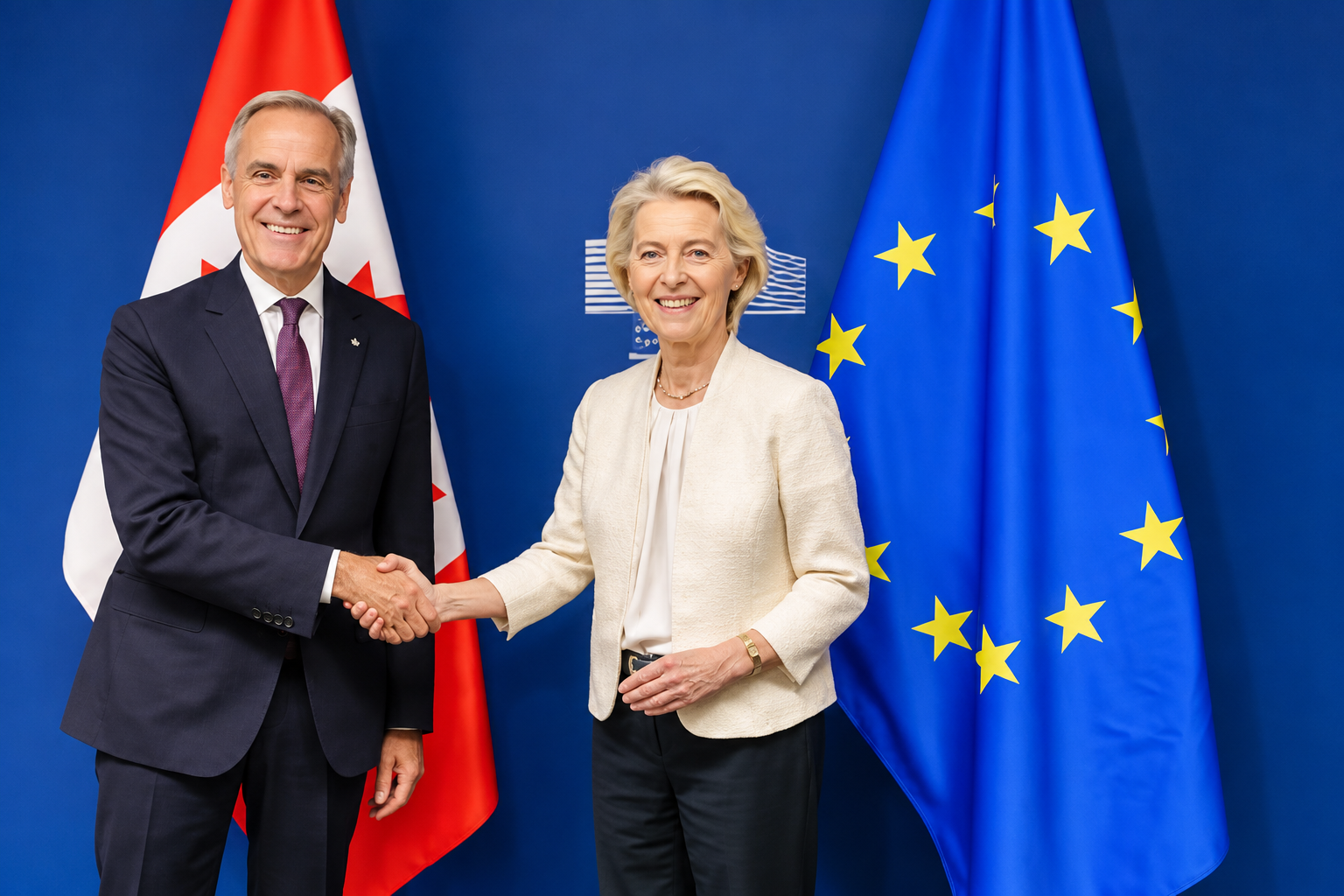
European governments have blocked European Commission President Ursula von der Leyen’s proposal to make Canada an “associate member” of the bloc. The term has been dropped from the declaration to be issued at an EU-Canada summit in Montreal, diplomats told AFP news agency. Canadian Prime Minister Mark Carney, von der Leyen, European Council President Antonio Costa and several EU commissioners are at the talks.
German Chancellor Friedrich Merz and several other leaders pushed for the deletion before the two-day summit opened on Thursday (October 29). The revised text instead commits both sides to a plan for “closer ties” that stops short of membership. EU member states approved it on Wednesday evening, and it is due to be published Friday when the summit ends. The gathering, hosted by Canada, is the 21st Canada-EU summit and runs October 29-30.
Phrase with no legal footing
Von der Leyen first floated the idea in September, in a speech to the European Parliament in Strasbourg on September 16 that Carney attended. Member states balked because EU treaties contain no such status. Diplomats said several governments were uneasy about how vaguely the arrangement was defined, and about what they saw as too little consultation between the Commission and the capitals. Germany, France and Italy were among those who objected, though all three broadly back deeper cooperation with Canada.
There was a second problem. “Associate membership” is already in circulation in the debate over Ukraine’s path into the EU. Merz himself proposed it as a stepping stone for Kyiv, which would take part in summits and ministerial meetings without voting rights. Von der Leyen applied the same label to a different arrangement for Canada, which has no legal route to EU membership.
An earlier draft would have let Canada join consultations on major EU political and regulatory initiatives as an associate member, with the scope to be settled by the 2027 summit. The lack of any basis in EU law made it difficult for European governments to accept the idea of “associate membership.”
Canada plays down the row
Carney dismissed the dispute over wording. He said the terminology mattered less than the practical benefits closer cooperation would bring Canadians. The revised declaration is built around what Carney has often called an “Alliance for the Future.” It aims to remove trade barriers, ease investment and secure supplies of critical raw materials, medicines and technologies in a crisis. Cooperation is also planned on energy, climate, artificial intelligence, security and education.
Canada could gain wider access to EU research, education and defense programs. A new economic council would bring together businesses from both sides of the Atlantic, and the declaration calls for a study on whether Canada could export more liquefied natural gas to Europe.
However, the European governments diluted several economic commitments. An explicit goal of deeper financial market integration was cut. A promise of preferential treatment in economic security measures was replaced by a pledge to limit negative effects on each other.
What else is on the table
A draft joint statement in September indicated that Brussels and Ottawa were preparing agreements on digital trade, critical minerals and wildfire-fighting aircraft. It was not immediately clear whether those items survive in the final declaration, which has not yet been published. The summit also falls in the month of the tenth anniversary of the EU-Canada trade agreement CETA, signed in October 2016.
Trump factor
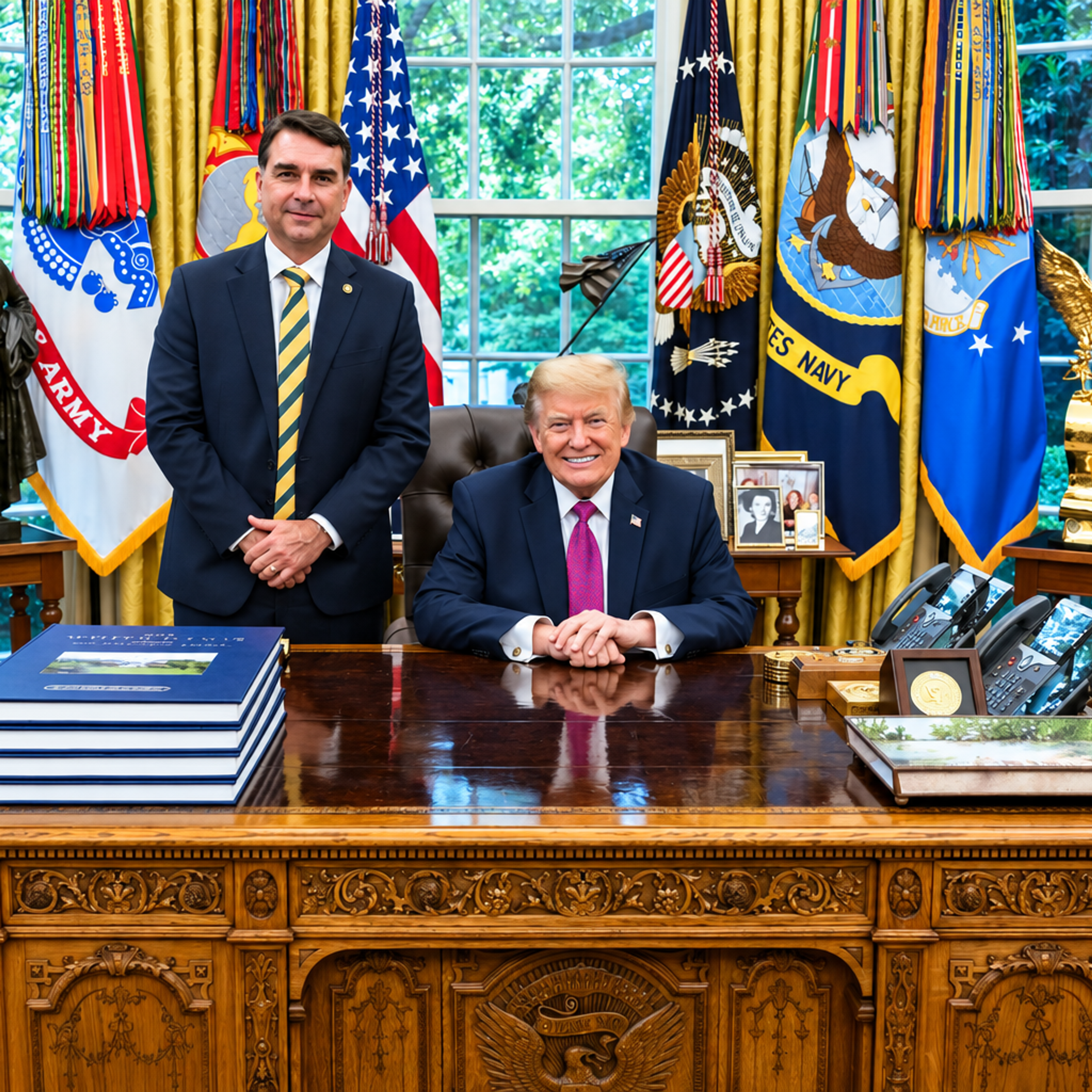
The push for closer ties comes as US trade disputes, tariffs and President Donald Trump’s territorial claims have raised doubts in Ottawa and European capitals about Washington’s reliability. Both sides hope a deeper partnership will reduce their dependence on other powers. Trump has dismissed the idea of Canadian associate membership as ridiculous. He has also threatened high tariffs or a halt to trade with Europe in several sectors if the arrangement harmed US interests.