Serbia’s long-time leader Aleksandar Vučić, who has held the top offices for 12 years, conceded defeat on Sunday (October 25) after a student-led movement won the snap parliamentary election. The “Student List - Students Win” was poised to cross the 126-seat majority mark.
Speaking to supporters at Serbian Progressive Party (SNS) headquarters in Belgrade, Vučić said a sample of results showed the Student List winning 135 to 140 seats and the SNS about 105. He said final results were not yet in, adding: “It is clear that we have lost these elections.” A CeSID and Ipsos representative sample put the students at 138 seats and the SNS at 104, with ethnic minority parties sharing the rest. Official results are pending.
Record turnout, and complaints from monitors
Participation was the highest since Yugoslavia broke up in 1992. The State Election Commission put turnout at 64.9 per cent by 6 pm, while CeSID and Ipsos estimated 67.6 per cent by 7 p.m; the figures come from different sources and cutoff times. Voters waited up to two hours in long queues.
Voting was not trouble-free. Monitoring group CRTA said its observers recorded pressure on voters or election workers at almost a third of the 500 polling stations it monitored. CeSID logged about 260 reports of potential irregularities by 5 pm, including ballot photography, group voting and identity-check problems. Monitors had earlier raised concerns about detentions, surveillance and cyber-attacks against activists.
Celebrations and reaction
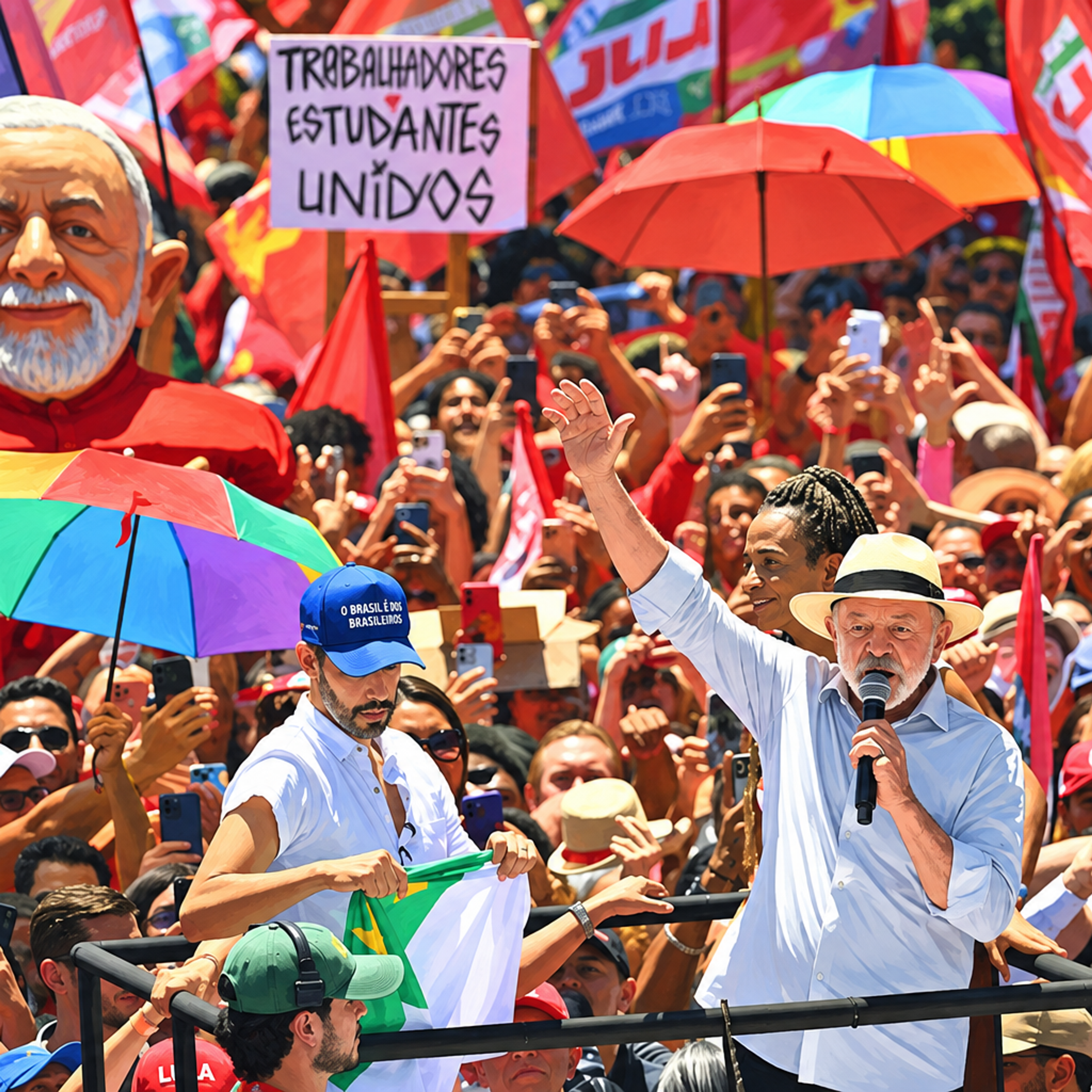
After Vučić conceded, celebrations spread across Belgrade and Novi Sad. Fireworks lit the sky, tens of thousands filled the main roads, and drivers honked horns as crowds chanted “Aleksandar is gone.” Some celebrants hugged riot police near the election commission. Crowds also dismantled the tents in a central Belgrade park where Vučić loyalists had camped for more than a year.
At Student List headquarters, professor Radomir Saičić told supporters the night was for celebrating and the next day for building the future. Voter Jana Vasic told Al Jazeera: “Tomorrow, the real hard work starts.”
European Commission President Ursula von der Leyen congratulated the students on X, saying the EU stands ready to support reforms on the rule of law, media freedom and anti-corruption, and to advance Serbia’s EU path. The concession also echoed Hungary, where Vučić ally Viktor Orbán conceded defeat six months ago.
How Vučić built and held power
Vučić began on the nationalist right, as a protégé of Radical Party leader Vojislav Šešelj, and later served as information minister under Slobodan Milošević. In 1998, while he held that post, parliament passed a media law that the magazine Balkanist called the most restrictive in Europe. He later broke with the Radicals and co-founded the pro-EU Progressive Party with Tomislav Nikolić, whose coalition came first in the 2012 parliamentary elections with 24 per cent. Vučić became prime minister in 2014 and president in 2017 but never gave up party leadership, which kept him the country's most powerful figure.
His opponents argued that he held on through concentrated power rather than broad consent, accusing his government of tightening its grip on the media and state institutions. Vučić and the SNS reject the accusations. A divided opposition helped: most parties boycotted the 2020 election, saying conditions for a fair vote did not exist, and his list took 60.65 per cent of the vote and 188 of 250 seats.
Supporters point to the economic record. In October 2024, S&P Global Ratings gave Serbia its first-ever investment-grade rating (BBB-), making it the first Western Balkan country and, at the time, the only EU candidate to reach that status. The agency cited accelerating growth, falling inflation, a smaller current-account deficit and record foreign exchange reserves. Exports more than tripled, from about $13.1 billion in 2012 to about $46.7 billion in 2023 (converted from euros), while foreign direct investment hit a record 5.2 billion euros (about $5.6 billion) in 2024. Officials say unemployment has fallen from over 25 per cent to under 9 per cent.
How the students became a political force
The movement began in November 2024, when a concrete canopy collapsed at the Novi Sad railway station, killing 16 people. Evidence suggesting shoddy construction, fraud and corruption turned grief into nearly two years of protest. After students and professors at Belgrade's Faculty of Dramatic Arts were attacked during a silent tribute on November 22, students blockaded their faculty, and the tactic spread to more than 60 institutions. The movement made decisions in open assemblies called plenums, with no leaders or spokesperson.
The students demanded publication of the station’s reconstruction documents, the release of arrested protesters, and accountability for attacks on demonstrators. In late January 2025, Prime Minister Miloš Vučević and Novi Sad mayor Milan Đurić resigned, and a March 15 rally in Belgrade showed the movement could draw crowds well beyond the campuses. The key demand, publication of the documents, remained unmet.
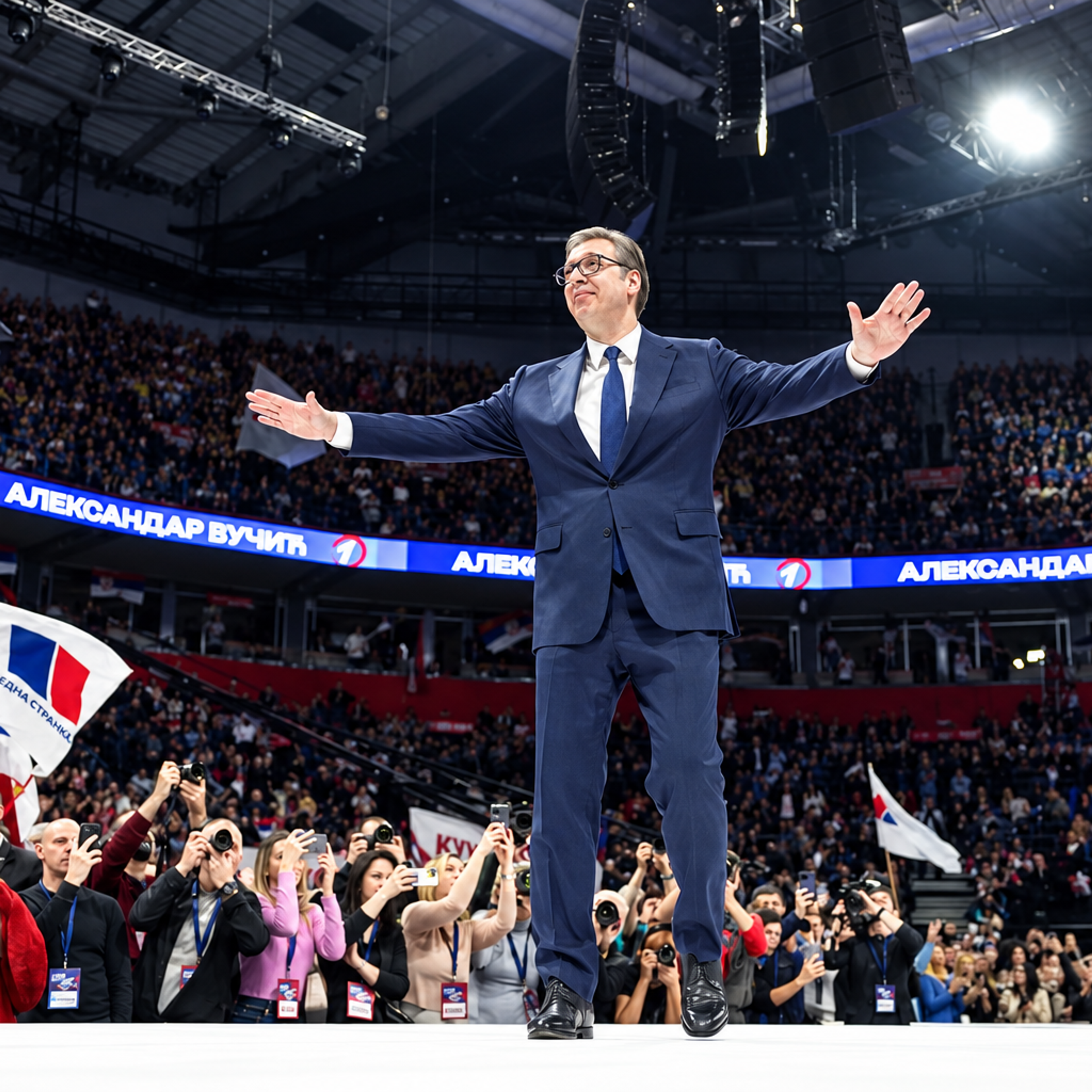
For nearly two years, the students called for early elections. Vučić called the vote for October 25 and resigned the presidency on September 27 to lead the SNS campaign and run for prime minister, since the constitution bars him from a third presidential term. He promised higher pensions and public-sector wages and launched his campaign on October 3 at a packed Belgrade arena.
The students then entered the race themselves. Their ticket, chosen through proposals and vetting at universities nationwide, fielded 250 candidates for 250 seats, including academics, doctors, athletes and farmers, many with no political experience. Some established opposition parties backed the list instead of fielding their own. Against a ruling party that controls almost all broadcast channels and state institutions, they held rallies, went door to door and campaigned in rural areas long seen as Vučić strongholds, under the slogan “Serbia or Mafia?”. About 150,000 people attended their final rally in Belgrade days before the vote.