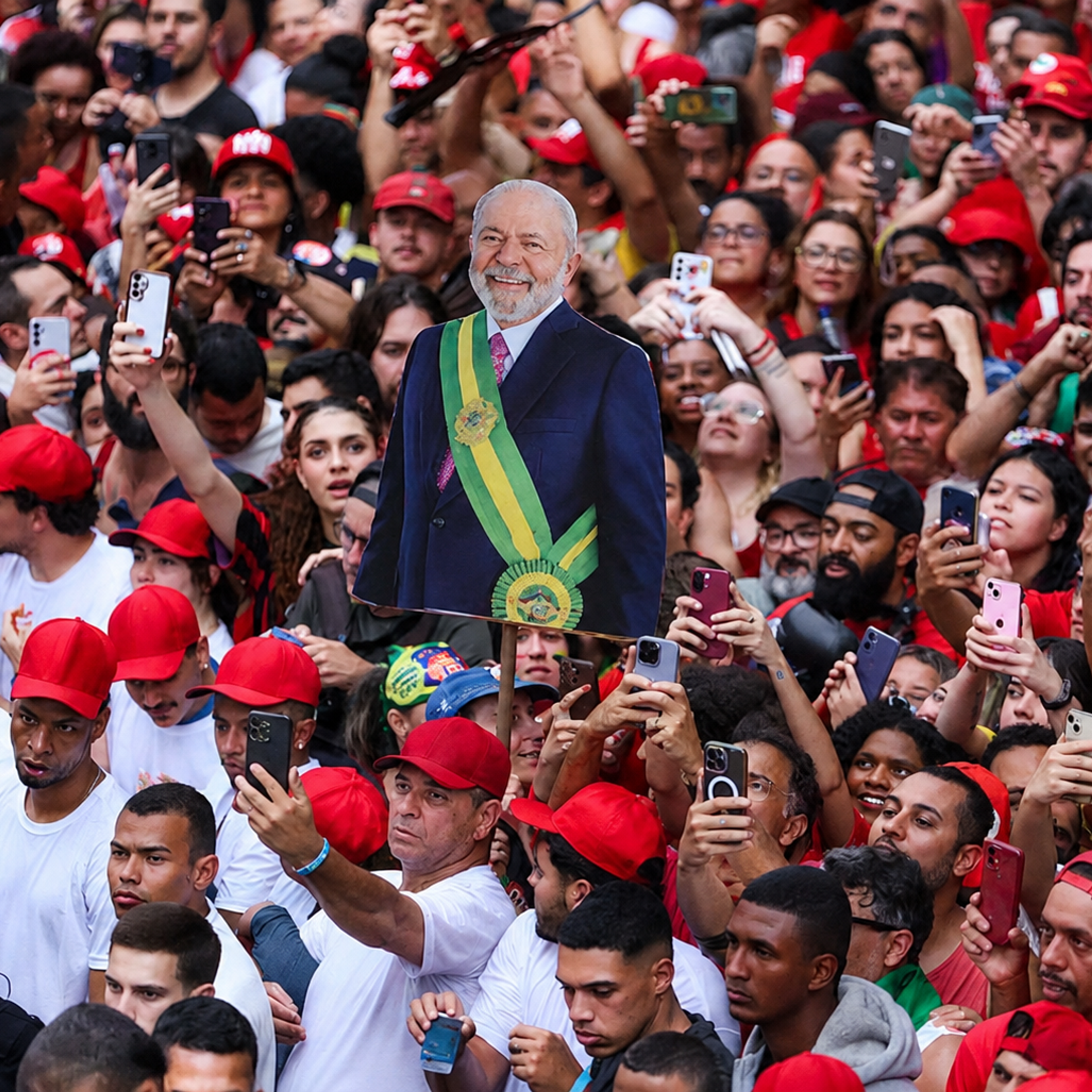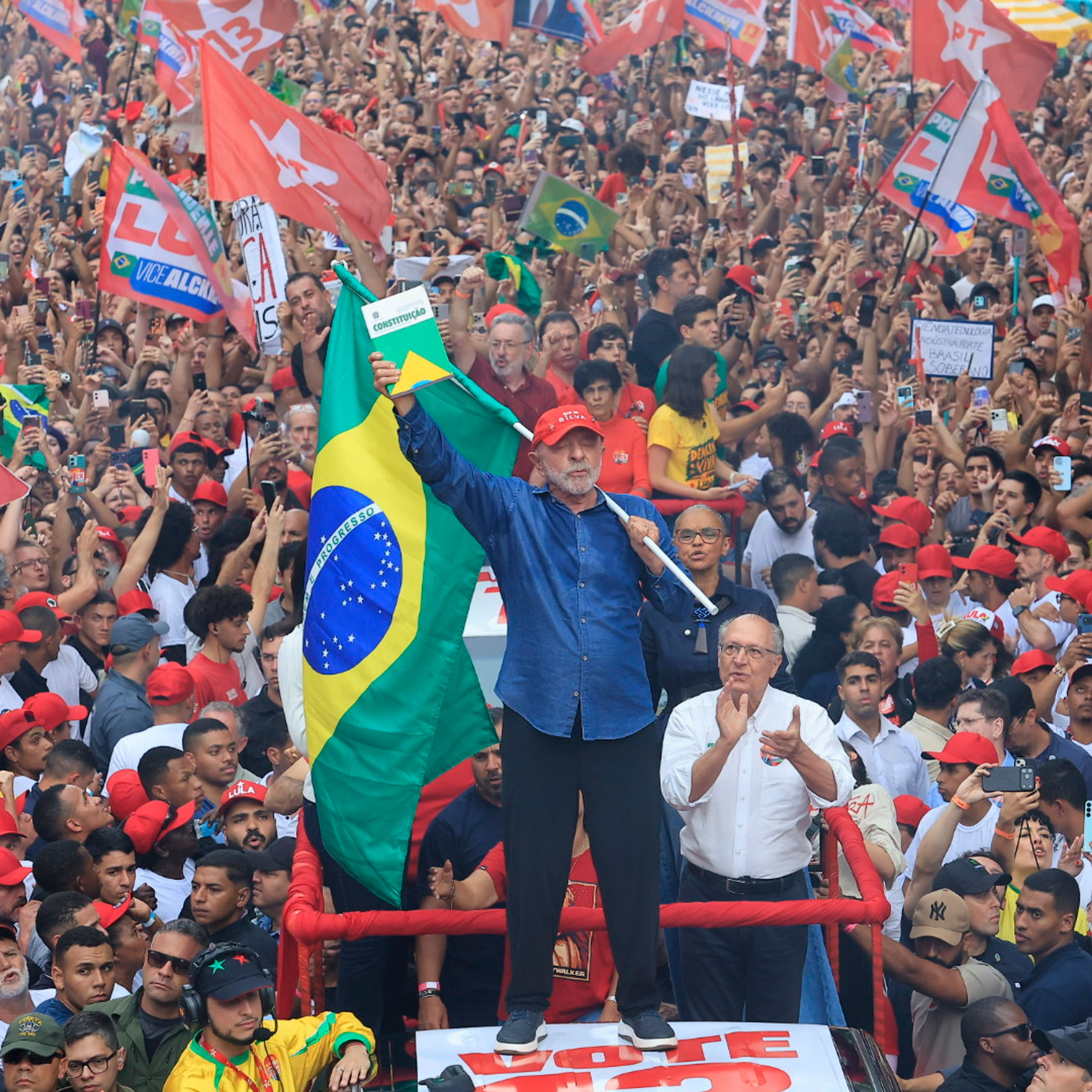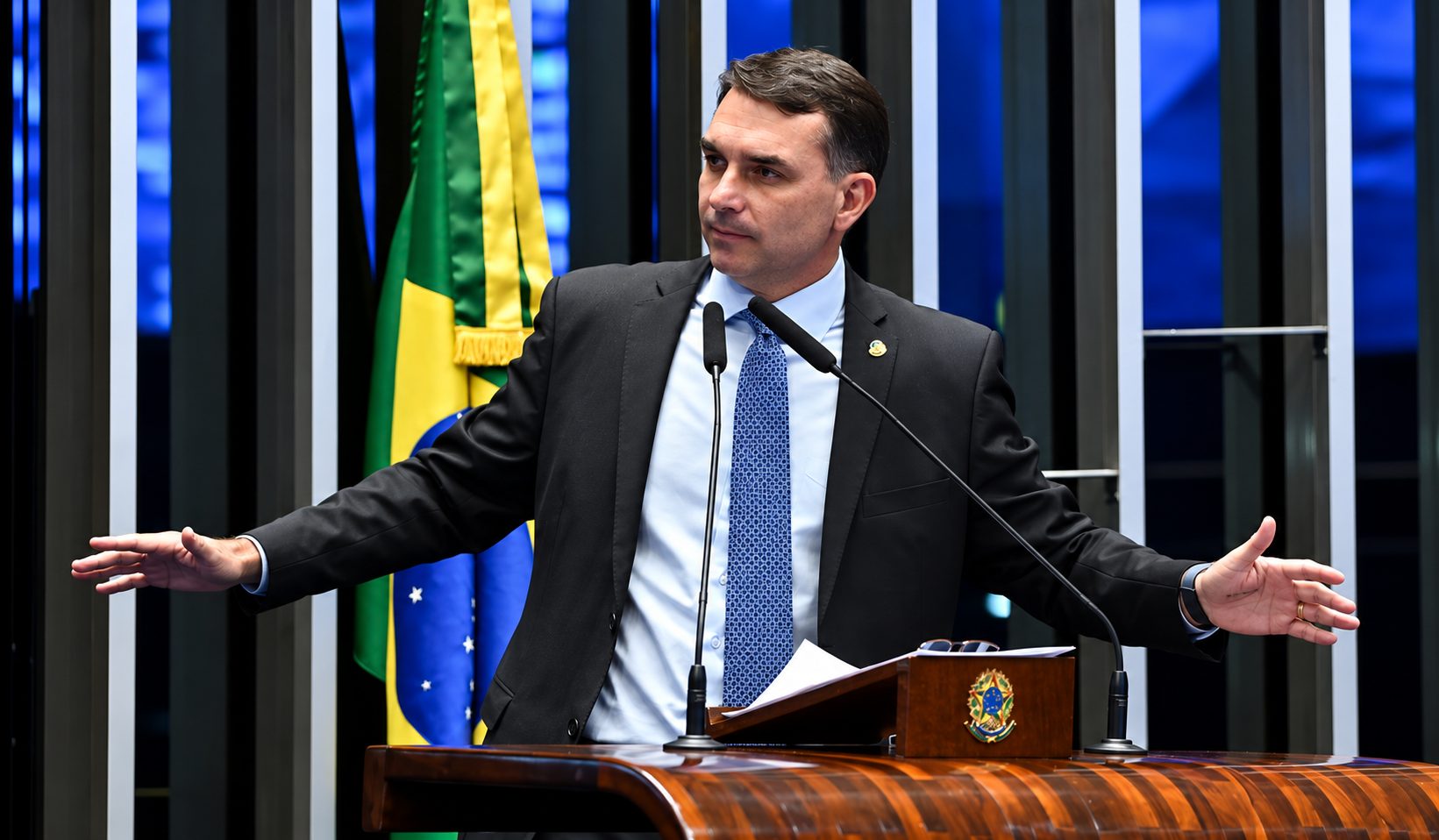
Flávio Bolsonaro, who won October 4’s first round, refused to concede on October 25 after President Luiz Inácio Lula da Silva staged a surprise runoff comeback in Brazil’s presidential polls. He called it “impossible” to concede and vowed to seek annulment in court. By the next afternoon, his own Liberal Party had recognised Lula’s victory, and his case rested on a challenge that the numbers and the courts undercut.
Bolsonaro, the Liberal Party candidate, led the first round with about 47 per cent to Lula’s 45, a gap of 2.2 million votes. Lula then added more than 10 million votes in three weeks, the first candidate since Brazil’s return to democracy in 1985 to overturn a first-round defeat. He won the runoff 51.79 to 48.21 per cent.
The refusal revived fears of post-election violence. His father Jair Bolsonaro spent months alleging unproven voter fraud after losing to Lula in October 2022, which culminated in the January 8, 2023, riots. Thousands of supporters stormed Brazil’s Congress, Supreme Court and presidential palace in Brasília, demanding military intervention to reinstate him. This time, Flávio’s challenge faltered for four reasons.
The electoral court acted fast
Results were declared by 8.46 pm (Brasília time) on October 25, and the Superior Electoral Court (TSE) confirmed Lula’s win at 9.10 pm. Bolsonaro cited unacceptable judicial intervention. His main objection was that Justice Cristiano Zanin, a Supreme Court justice who once worked as Lula’s lawyer, ordered the voting extension.
Shortly after the confirmation, TSE President Kassio Nunes Marques, a jurist originally appointed to the high court by Jair Bolsonaro, held a late-night press conference. He said he had spoken with both candidates. He acknowledged that no rule authorised an extension and that it had caused difficulties. But he maintained that the decision did not alter the result. With the 51.79 to 48.21 per cent outcome formalised before midnight, the judiciary left Bolsonaro no viable path to annulment.
The extension did not change the outcome
Bolsonaro cited the extension of voting from 5 p.m to 7 p.m and demanded annulment. His argument failed for two reasons.
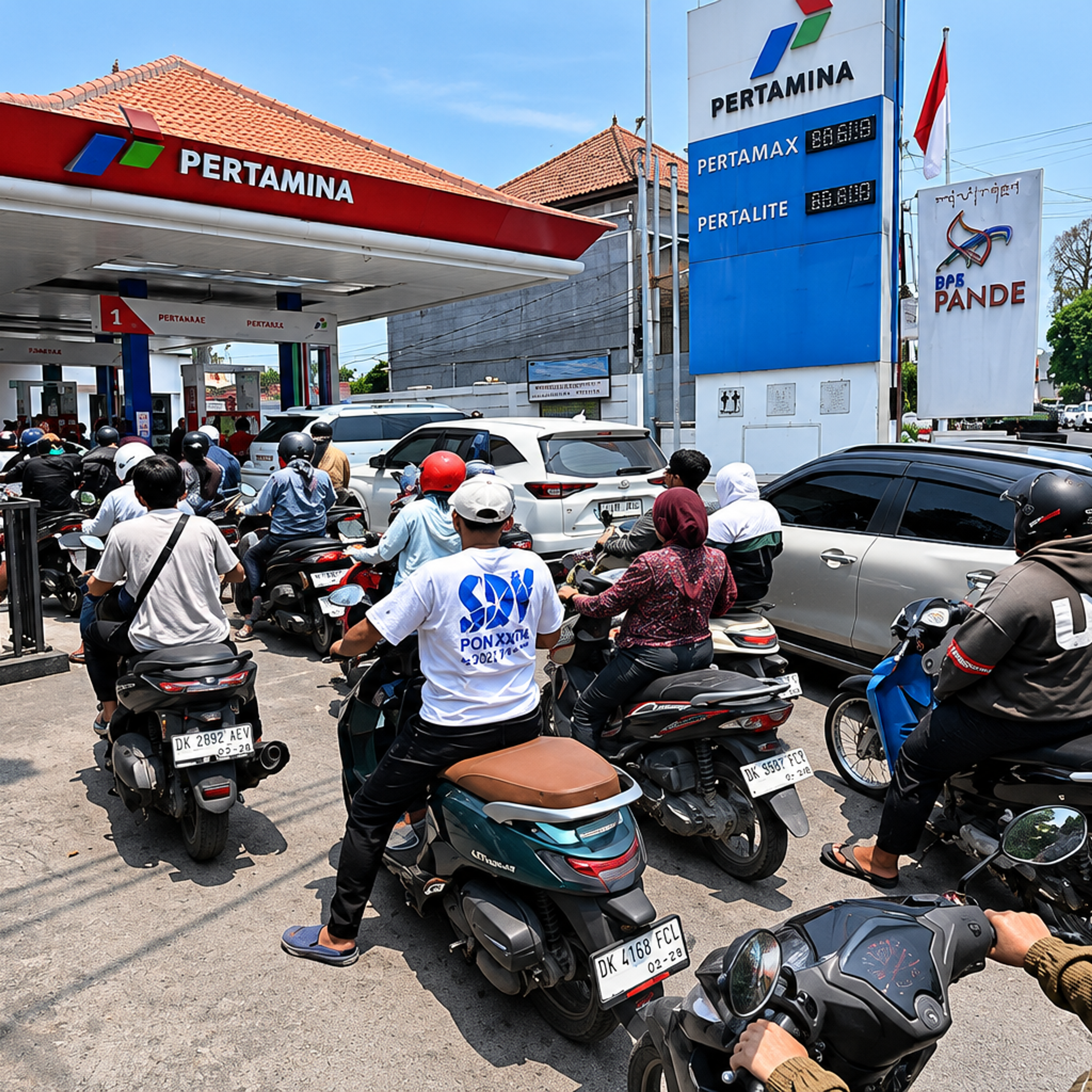
First, both sides had sought more time. Lula’s Workers’ Party asked for the extension to help voters hit by public transport shortages. Bolsonaro’s Liberal Party separately asked for extra time in some areas because heavy rains blocked voters in conservative regions. That undercut any claim of a biased “mid-game rule change.”
Second, the arithmetic. Lula won by over 4.4 million votes, while the two-hour extension added only 34,300 ballots nationwide. That is a virtually invisible 0.03 per cent, so it was statistically impossible to argue the decision cost Bolsonaro the presidency.
Trump held back
US President Donald Trump has a close relationship with the Bolsonaro family. Jair Bolsonaro was dubbed the “Trump of the Tropics,” and Trump’s furious reaction to Lula’s win was expected. On Monday he told reporters Brazil’s election “looked so, so corrupt, so terrible” and “looked like another rigged election.” Asked whether he planned to act, he replied, “I’m not running Brazil, I’m running the USA,” and said he got along with Lula “very well.” He offered Bolsonaro no help.
Politico reported that Trump may not consider levying tariffs on Brazil because of the midterm elections. Republicans already face voter anger over higher gas prices caused by the US war on Iran, and the US imports large amounts of Brazilian oranges, coffee, cocoa and other farm goods. The reaction was a major setback for the Bolsonaro camp.
Allies walked away
A right-wing establishment wary of repeating past mistakes hastened the collapse. After the TSE’s quick response and Trump’s reaction, Bolsonaro’s allies concluded that pushing on would bring severe legal and political trouble. His father is serving a 27-year sentence for the failed coup plot after the 2022 election, and conservative power brokers had no appetite for another disaster.
Liberal Party chairman Valdemar Costa Neto bypassed the candidate’s heated rhetoric. At around 3 pm on Monday, October 26, he signed a statement saying, “We recognise the presidential result announced by the Superior Electoral Court,” though he added that the issues raised needed to be clarified. The judicial establishment had already closed ranks the previous night.
Facing a Federal Police order to surrender his passport and pressure from his own legal advisers, Bolsonaro was isolated. Media reports said he dropped his annulment bid. He reportedly plans a separate action seeking to disqualify Lula’s ticket over alleged abuse of power, while moving into congressional opposition.