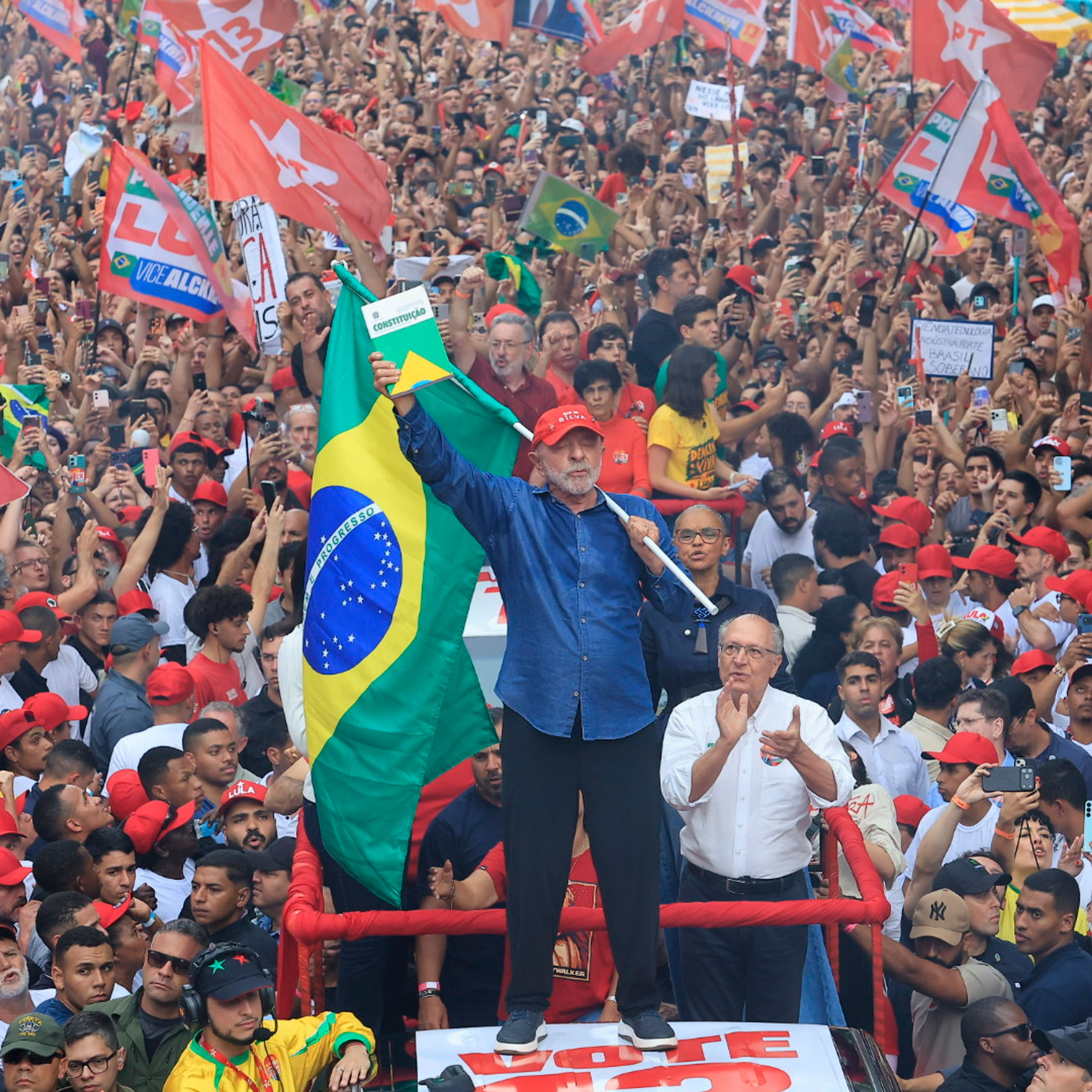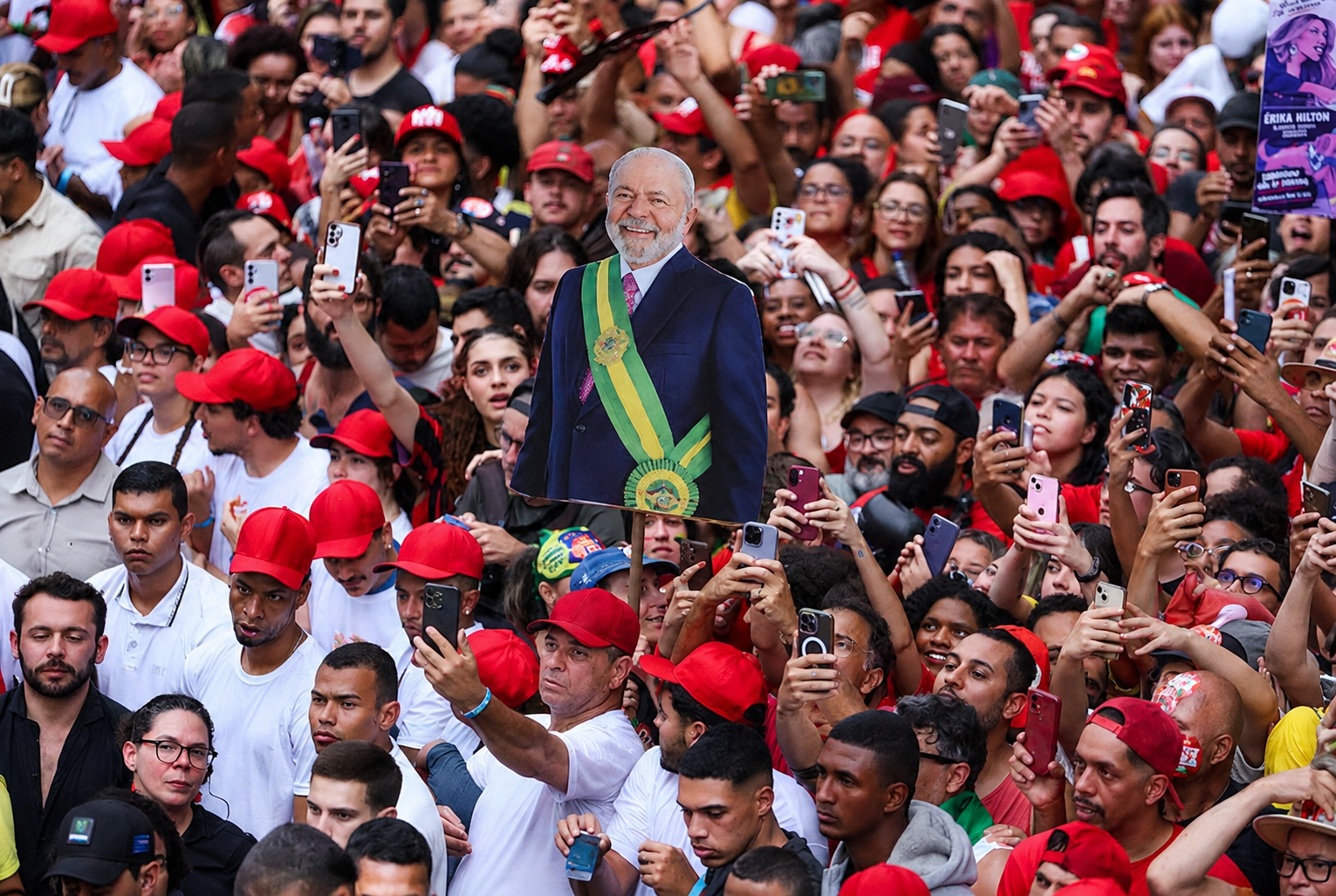
São Paulo: For the first time since Brazil’s re-democratisation in the 1980s, a presidential candidate has turned a first-round defeat into a second-round victory. Social media played an unprecedented role in Luiz Inácio Lula da Silva’s return to office for a fourth term, but a powerful digital mobilisation effort was not the only factor.
One of the main factors behind this surprising victory was André Janones, a federal deputy with few notable achievements before this year’s election. Although he was re-elected with just 78,000 votes, fewer than three per cent of the total received by Nikolas Ferreira, the most-voted deputy in Minas Gerais, Janones took a prominent role in Lula’s campaign organically and, at times, chaotically, creating a communications channel called Lula’s Army.
The WhatsApp army
The idea had an immediate impact and mobilised the country. Almost 11 million people joined the WhatsApp group to carry out the “daily missions of General Janones”, and began shaping the debate around Brazil’s election.
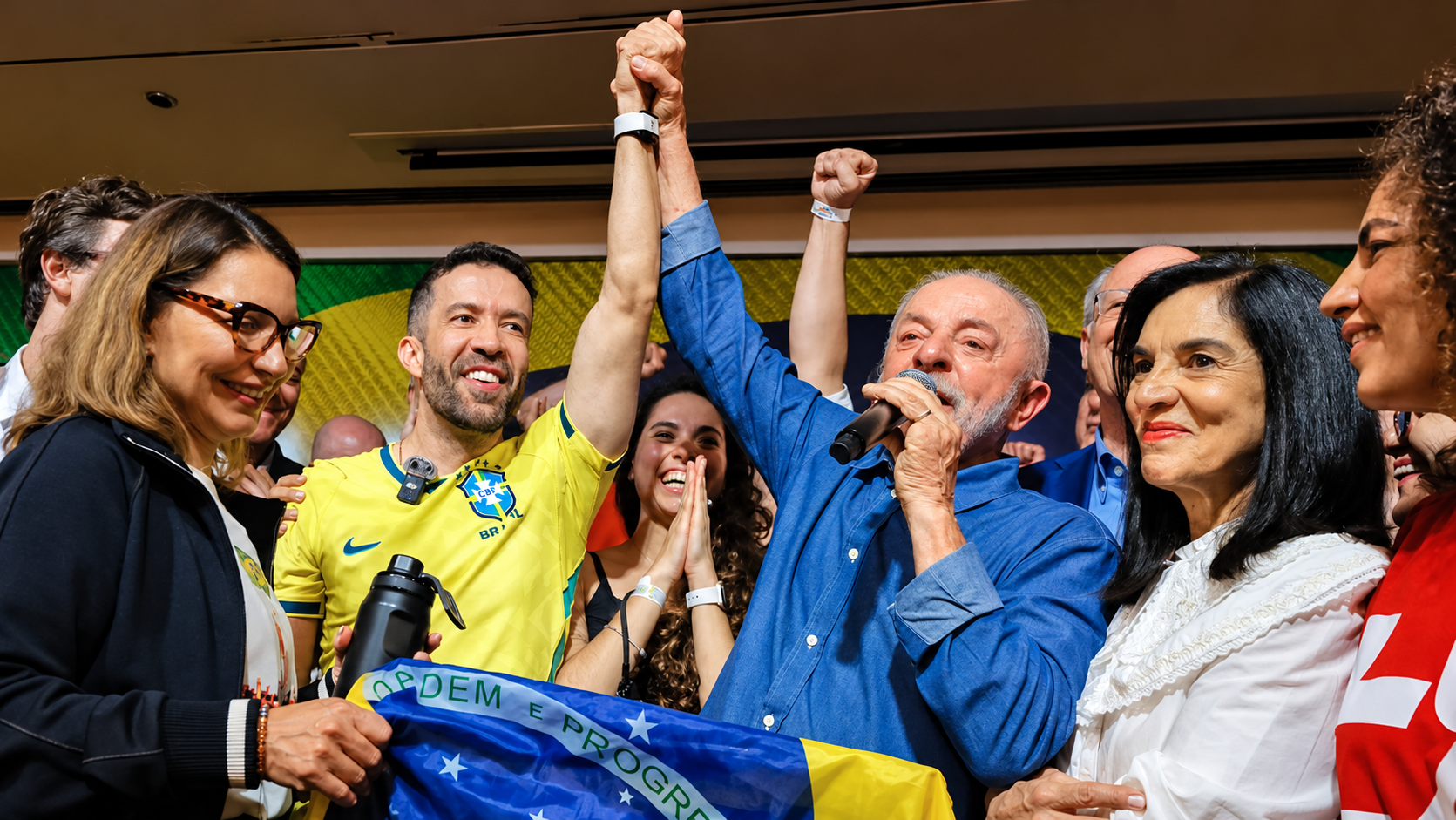
“Janones was responsible for changing the tone of Lula’s digital mobilisation, with a strategy focused on engagement on social media and actions beyond the internet. The deputy gave the WhatsApp channel elements that made the digital mobilisation effective: a cause that evokes emotion, clear objectives and a commanding voice directing the actions. As a result, supporters remained mobilised throughout the second round,” explained Felipe Rodrigues, who teaches political communication and electoral marketing.
A campaign that never switched off
“Social media was the main arena in the battle for attention in this election and changed the very nature of political communication. Social networks and messaging apps operate around the clock, every day, and reach voters who carry a screen in their hands at all times.” Rodrigues told NWS.
Calza Neto, a specialist in digital law, intellectual property, data protection and cybersecurity concurred. “Campaigning is no longer confined to scheduled television slots. It now follows voters to work, on public transport, at home and into conversations with family and friends, with each person becoming both an audience member and a relay for the message,” he told NWS.
Putting Flávio Bolsonaro on the defensive
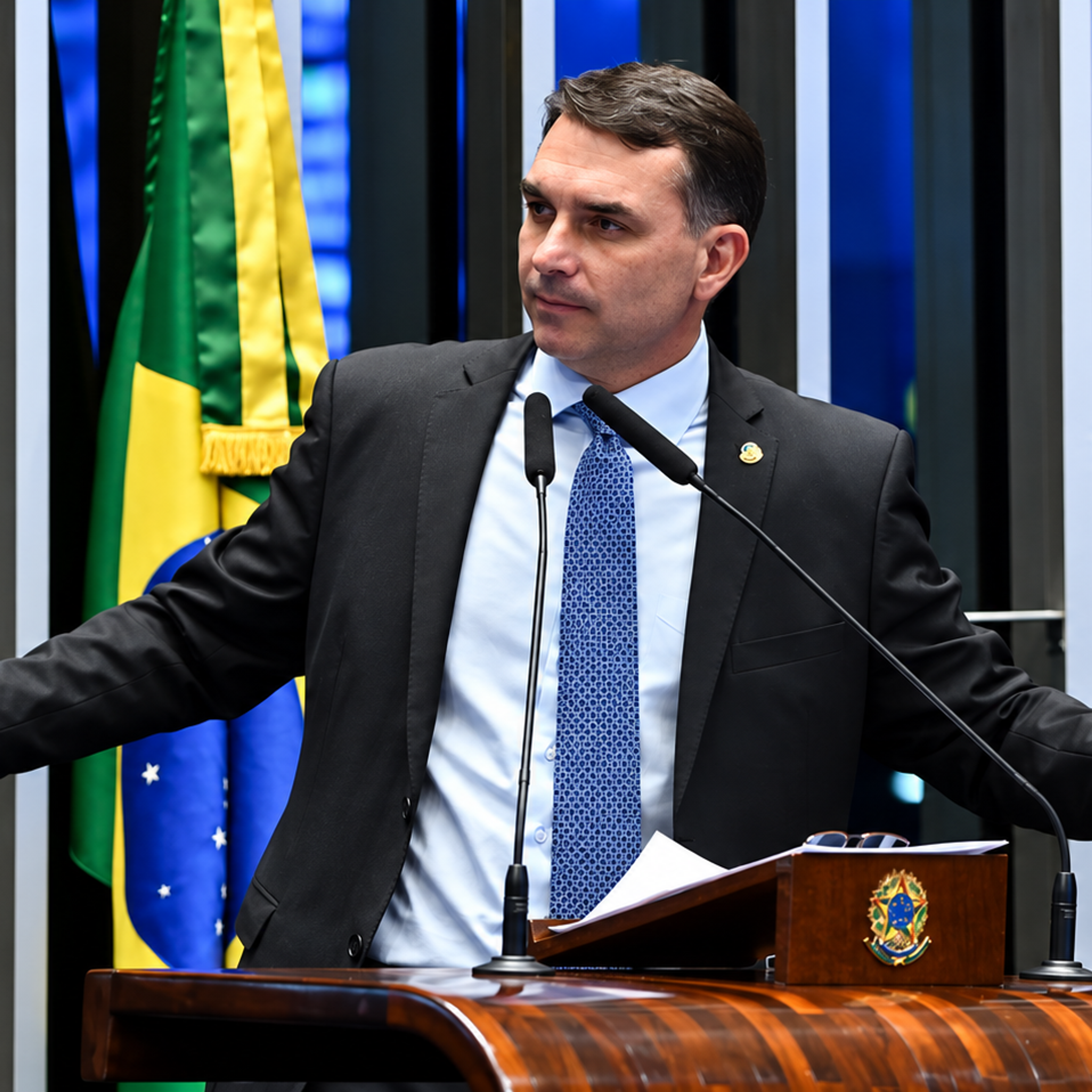
Janones also strengthened Lula’s campaign by highlighting the negative aspects surrounding Flávio Bolsonaro, the son of former president Jair Bolsonaro, who has been in custody since August 2025 for his alleged role in an attempted coup d'état.
A key move involved drawing attention to the death of Ana Clara, a five-year-old child who was murdered outside her home in Niterói. Forensic investigators concluded that the rifle bullets had been fired by military police officer Bruno Dias Delaroli, who was arrested but has been at liberty since November 2021, nine months after the crime. Since 2024, Flávio Bolsonaro has acted as the lawyer in the case and has managed to delay its resolution. His latest success came this month, when the trial scheduled for the 21st was postponed to May 5, 2027.
Lula’s campaign also began comparing the current president's government with Jair Bolsonaro's administration between 2019 and 2022. High inflation and the irresponsible conduct during the Covid pandemic, which resulted in over 700,000 deaths, also weighed on the election.
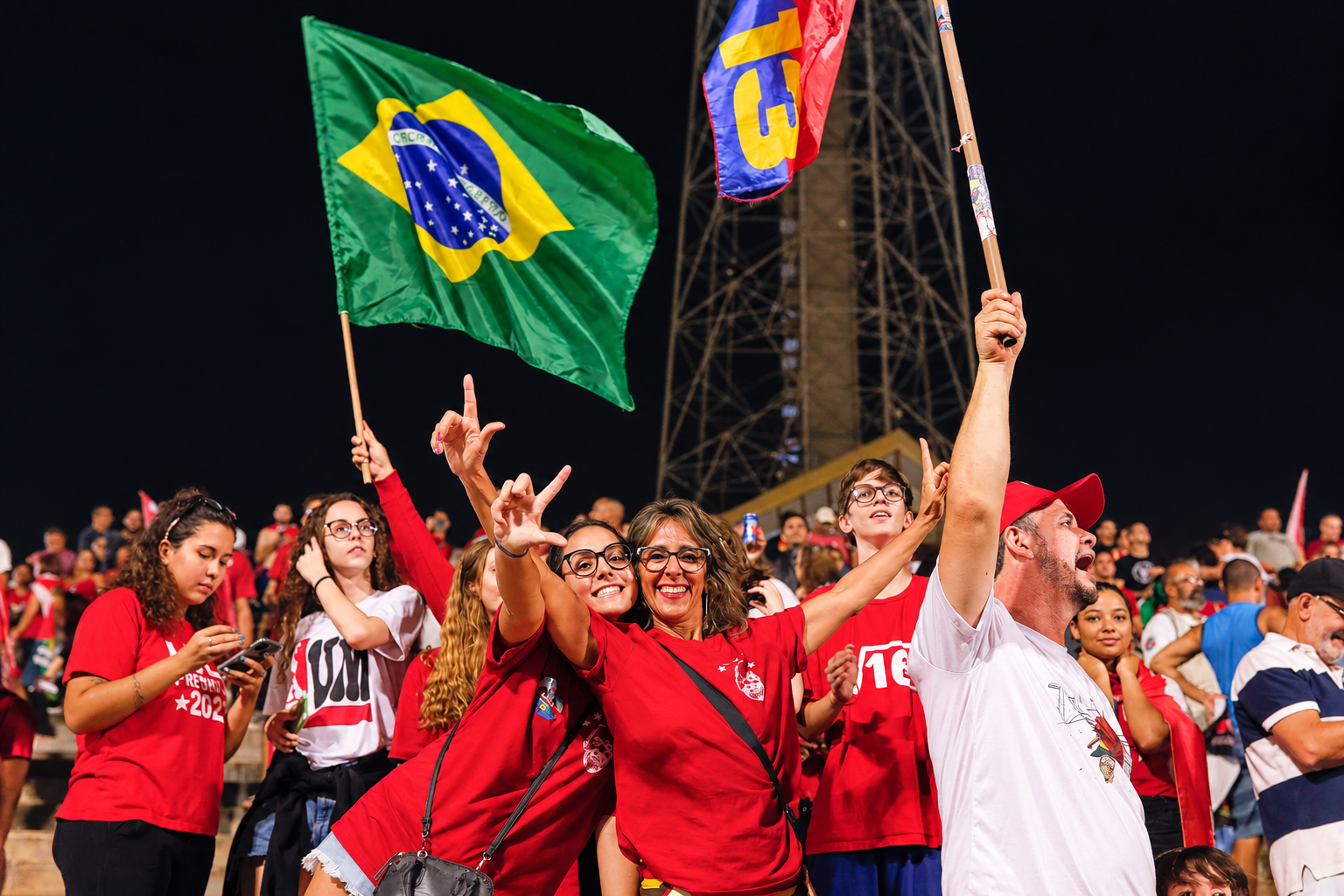
“Lula is a master of electoral campaigns. He knows that second rounds are won through comparisons. Lula began presenting comparisons with Jair Bolsonaro’s government and highlighting the risks of electing his opponent. Lula’s campaign came to revolve around the fear of the Bolsonaro family returning to power. If you don't want to take a risk, vote for someone you know. That was how Lula brought voters over to his side,” explained Alexandre Bandeira, a Brazilian political scientist, to NWS.
Bolsonaro’s missteps
Lula’s team also seized on missteps by Flávio Bolsonaro’s campaign. Having won the first round and secured the support of Ronaldo Caiado and Augusto Cury, two candidates who together accounted for 5 per cent of the vote, Bolsonaro began announcing the team that would serve in his government, creating another problem for his campaign.
“Bolsonaro’s campaign made mistakes on fundamental issues. It believed it had already won the election, and this was perceived by the public as arrogance. When he began announcing his team, he turned those people into spokespeople for the campaign. This was a very serious mistake. He introduced more voices into the campaign and lost control of the communication. When many people start speaking, you have to worry not only about your own message but also about what those people are saying,” said Bandeira.
Daniela Marques, tipped to become economy minister, Pablo Marçal, a Brazilian influencer, and Nikolas Ferreira, the most-voted federal deputy in Brazil in 2026, were among the figures who created noise around Bolsonaro’s campaign.
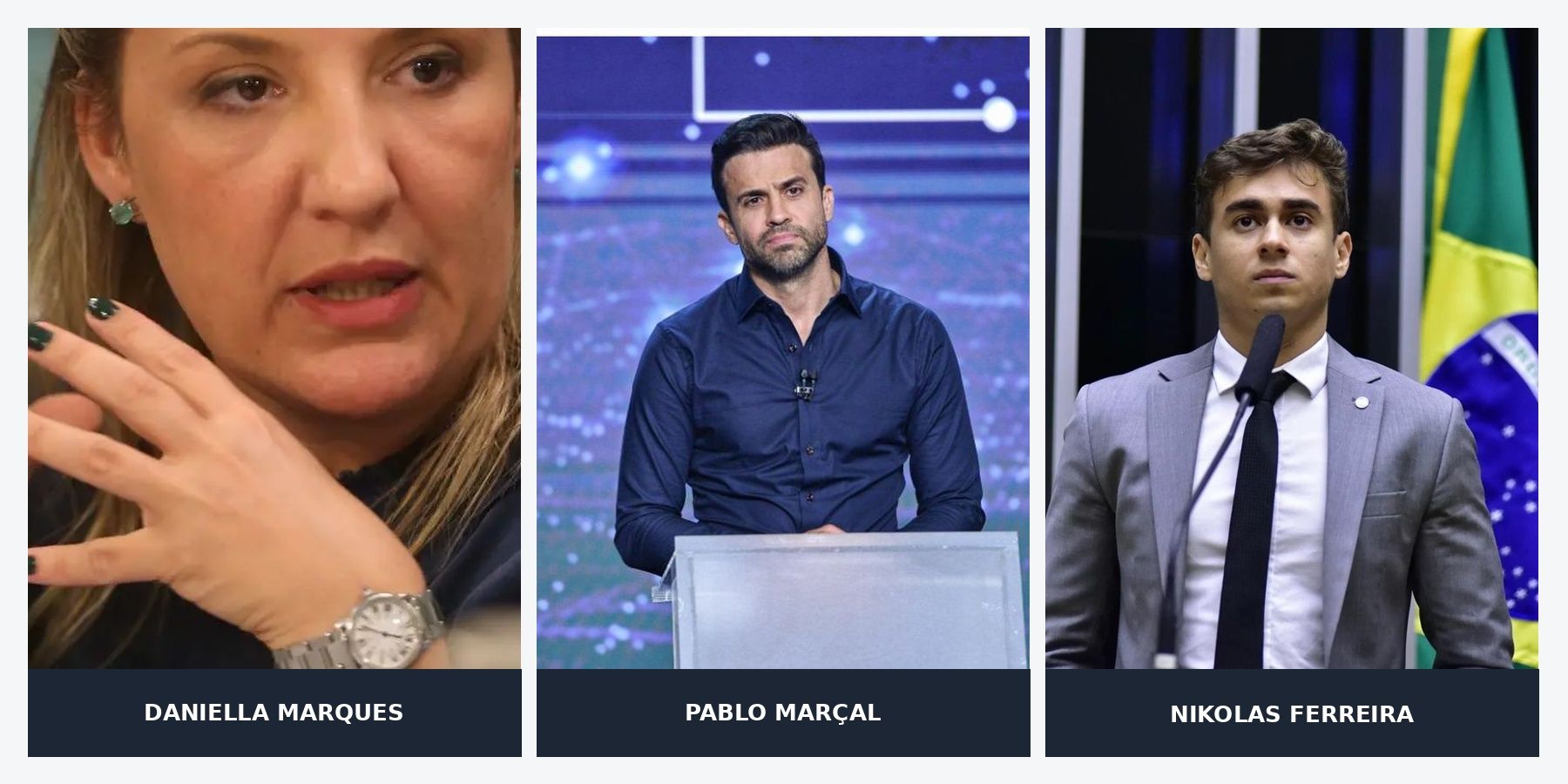
Daniela Marques went as far as calling for changes to social programmes and suggesting that artificial intelligence should take over work currently carried out by public-sector employees. Lula later used the proposal as ammunition on his social media accounts.
Amid this battle for space and the search for the spotlight within Flávio Bolsonaro’s campaign, the candidate’s increasingly aggressive rhetoric towards Brazil’s judiciary began to lose momentum. Seeking to portray himself as a moderate, one of the main criticisms levelled at his father, Flávio Bolsonaro abandoned one of the positions that had enjoyed strong support among his voters in the first round.
Courts, Meta and the regulation fight
The fight to shape the narrative on social media also spilled over into Brazil’s courts, with Lula’s campaign clashing with judges Kassio Nunes Marques and André Mendonça, both appointed by Jair Bolsonaro.
Amid these tensions, the Brazilian government filed a complaint against Meta at the United Nations, accusing the company of interfering in Brazil’s election. Calls for greater regulation of social media have been gaining momentum, particularly within Lula’s team, which argues that the president was disadvantaged during the campaign.
“Brazil needs to regulate social media, but the core issue is not a lack of legislation. The country already has an extensive legal framework capable of addressing a significant proportion of the conduct of major tech companies. What has been lacking is the consistent and robust enforcement of existing rules,” Calza Neto said.
“Criminal law already covers offences such as defamation, threats, incitement to commit crimes, fraud and online scams, and applies to those who commit such acts or knowingly assist in them. The problem, therefore, is one of enforcement. Public authorities lack both the capacity and the political will to apply these rules effectively,” he said.
A hostile Congress awaits
The debate over Brazil’s judiciary will be one of the challenges of Lula’s fourth term. First elected in 2002 and re-elected in 2006, Brazil’s veteran political leader now faces the most difficult political scenario of his career.
Alongside the crisis in the judiciary, he will also have to contend with the strongest opposition he has faced during any of his years in office. The Liberal Party (PL), Flávio Bolsonaro's party, won 121 of the 513 seats in the Chamber of Deputies and 29 of the country's 81 Senate seats. To secure approval for ordinary legislation, Lula needs a simple majority, while constitutional amendments require a three-fifths majority.
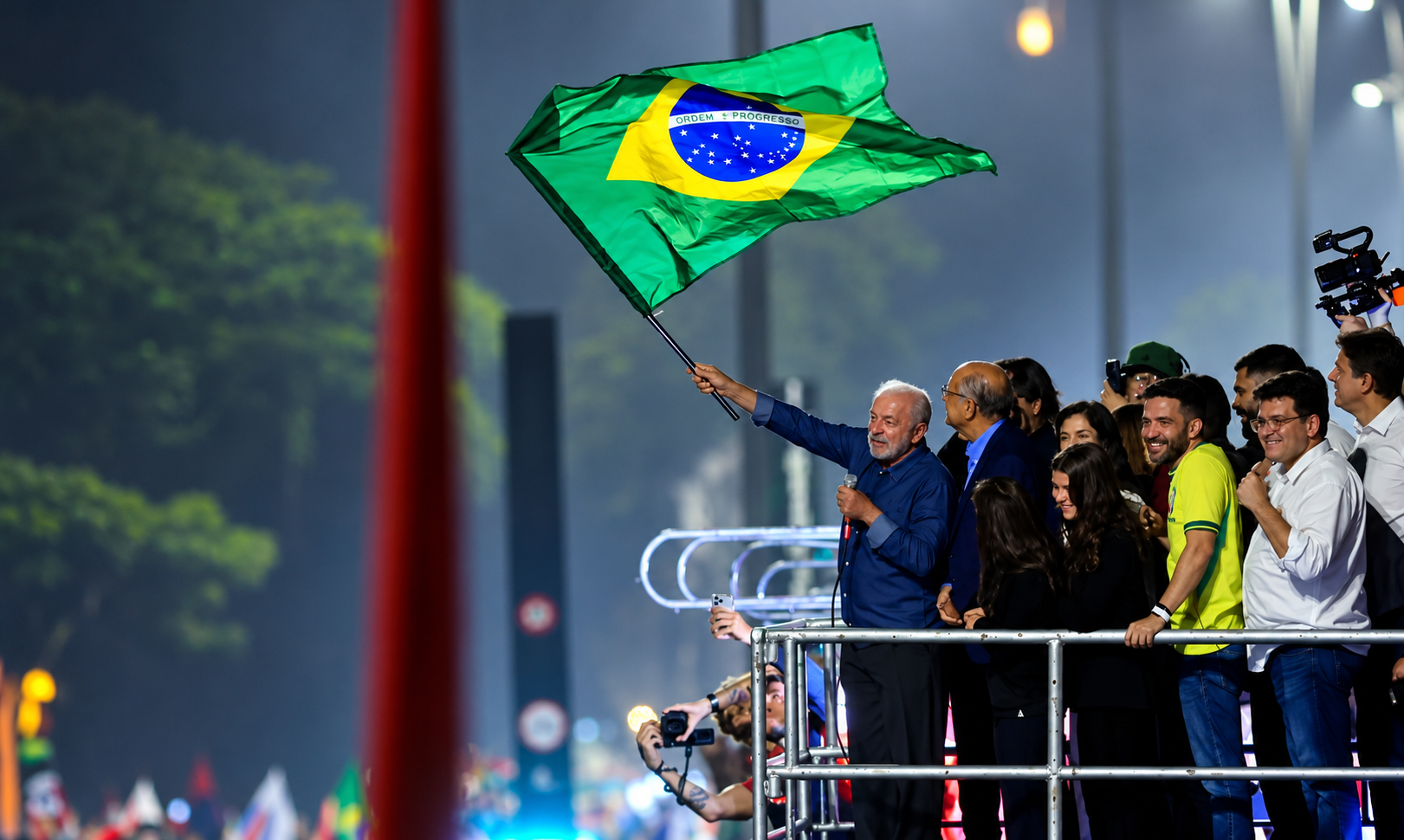
“Lula achieved the most important thing: victory and a fourth term. That helps him because it is a victory at the ballot box. But he will face very strong resistance, with a conservative and right-wing Congress. The opposition to his new term will be much stronger than it is today. Lula has already struggled with dialogue with the congressional blocs during his third term. Communication with different sections of Congress was very poor. This is something he needs to correct if he is to govern effectively,” Bandeira said.
The first day after Lula’s victory saw a sharp fall in the Brazilian currency and the country’s stock markets. This reaction has been a recurring pattern following victories by the Workers’ Party (PT). The business community has been a staunch opponent of Lula, particularly following his backing for shorter working hours and the abolition of the 6x1 system, in which employees work six days and have one day off.
At 81, Lula has a new chapter to write, in a landscape full of unknowns. Having overseen major transformations in Brazil, he has four years to cement his status as the country’s most influential politician, or to tarnish the legacy that has secured him four presidential election victories.