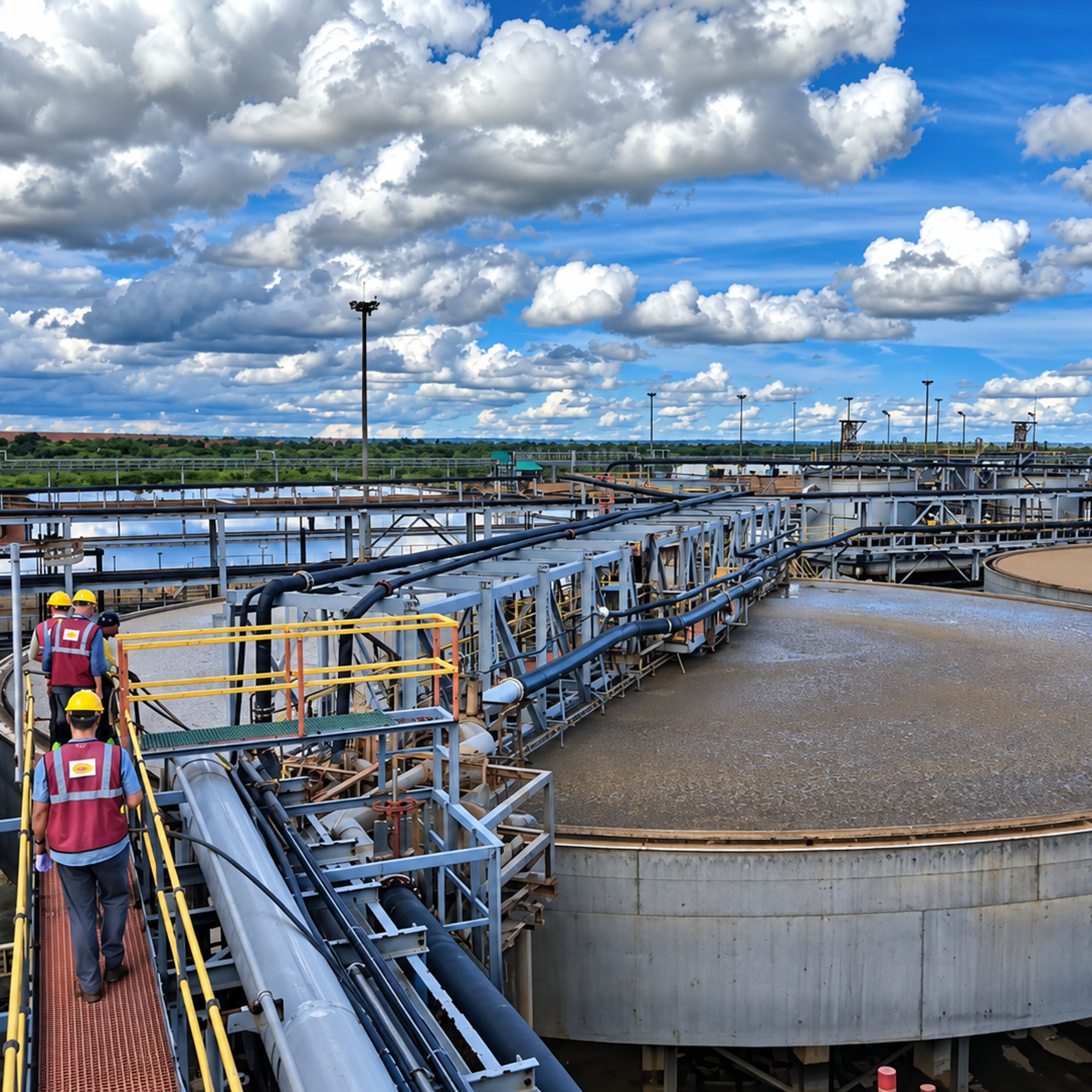
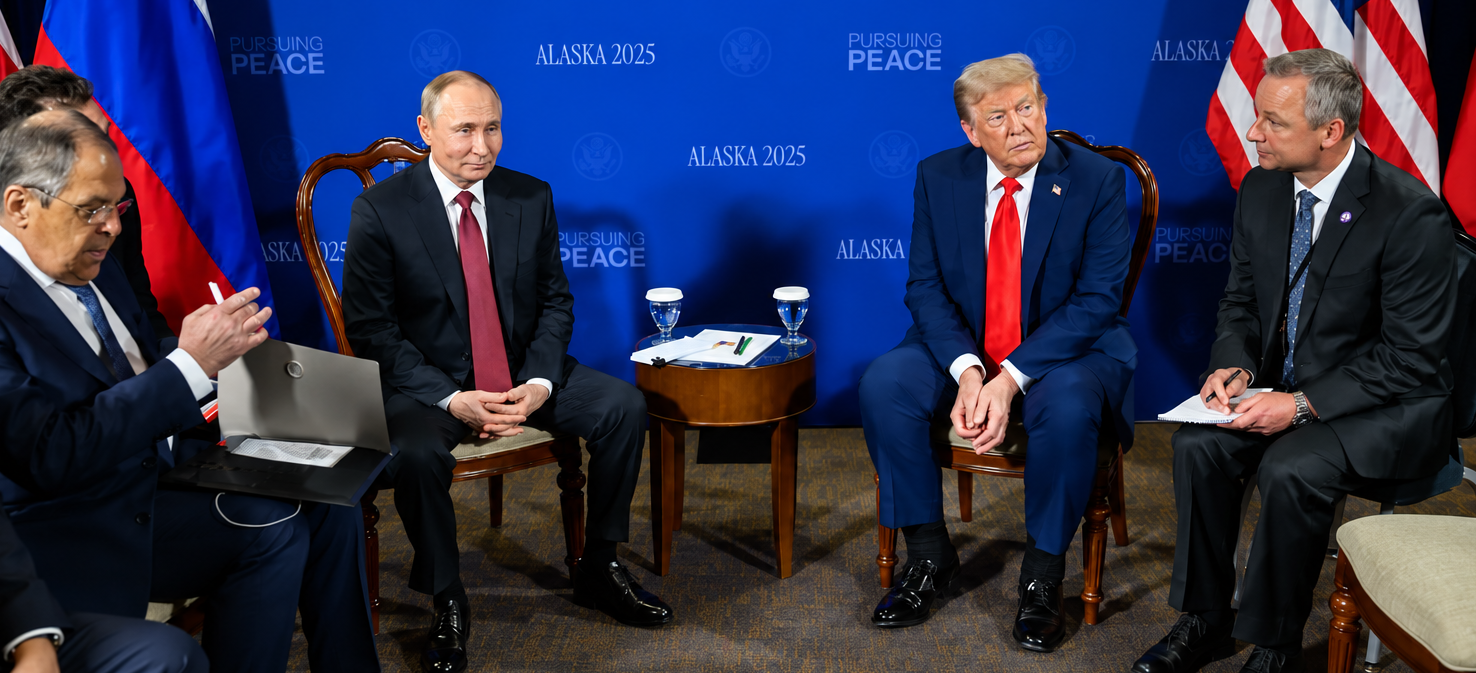
In a sharp policy reversal, President Donald Trump announced a deal with Russia on Friday (October 9) to supply diesel to US and global markets, accompanied by a temporary waiver of certain US sanctions on Russian fuel. “Russia will immediately supply over 300,000 Tons of Diesel Fuel to the American and Global Marketplace, another 500,000 Tons during November, and 1,000,000 Tons immediately thereafter,” Trump wrote on Truth Social following a discussion with Russian President Vladimir Putin. He also announced a further 3 million tonnes of diesel, subject to the condition of Russia’s refineries.
The Treasury Department’s temporary licence allows certain Russian diesel shipments already loaded onto tankers as of October 9 to be delivered without US sanctions applying until April 2027. The announcement came barely three weeks after Trump signed the Lindsey O. Graham Sanctioning Russia and Iran Act of 2026, which authorises tariffs of up to 100 per cent on certain major buyers of Russian oil and gas, including India and China. The diesel arrangement has drawn sharp criticism from Ukrainian President Volodymyr Zelenskyy and US lawmakers, while raising questions about Washington’s sanctions policy.
Trump announced the deal as Ukrainian and European diplomats gathered in Miami for talks on ending Russia’s war against Ukraine. In an interview with Axios, Zelenskyy said the arrangement “looks like a happy birthday present for Putin”, who turned 74 this week. A statement from Ukraine’s embassy in Washington described the decision as “a weak decision by strong partners”. It also accused Washington of undermining the diplomatic process, saying Ukrainian negotiators had been “used as a smokescreen” during the Miami meetings with US envoys Steve Witkoff and Jared Kushner.
Zelenskyy furious
Zelenskyy said Kyiv had told Witkoff and Kushner that Ukraine was “ready to take symmetrical de-escalatory steps” with Russia. He said Ukraine would stop attacking Russian oil refineries only if Moscow halted its attacks on Ukraine’s energy infrastructure. Trump has pressed Kyiv to stop striking Russian refineries, arguing that such attacks contribute to rising diesel prices. Ukraine’s sanctions commissioner, Vladyslav Vlasiuk, has challenged that argument, saying the US position overlooks the wider factors affecting fuel prices. The disagreement reflects a fundamental divide: Washington seeks to limit disruptions to fuel supplies, while Kyiv sees strikes on Russian refineries as a way to weaken Moscow’s capacity to finance its war.
Europe’s opposition
At the time of writing, no fresh formal response from Brussels or the major European capitals to the October 9 deal could be confirmed. The latest waiver risks reopening those divisions, as European governments remain concerned about Russia’s military ambitions and NATO's future. The Guardian reported that the new deal could trigger fresh tensions with NATO allies. For European governments that view sanctions as a key instrument for constraining Russia’s war effort, allowing additional Russian diesel into international markets could weaken the message that Moscow must face economic consequences for its invasion of Ukraine.
Midterm pressure
Trump’s decision comes amid mounting pressure to lower fuel prices ahead of the November 3 US midterm elections, as Republicans defend their congressional majorities. The US-Israeli war with Iran and disruptions around the Strait of Hormuz have intensified pressure on global energy supplies, pushing up fuel costs in the United States and elsewhere.
US diesel prices averaged $6.28 a gallon on October 9, according to the American Automobile Association (AAA), up from about $3.68 a year earlier. The price reached a record $6.53 on September 22. Higher diesel costs affect truckers, farmers, and businesses and can feed into the prices of food and other goods by increasing transport and production costs.
With the cost of living a major concern for voters, high fuel prices have become a political liability for the administration during the midterms. Trump said lowering prices for Americans, particularly farmers, ranchers, and truckers, was his “Greatest Priority”. The deal gives the administration a way to respond to that pressure before voters head to the polls, although analysts doubt the extra supply will significantly lower prices.
Democrats oppose
The deal has also drawn criticism from Democratic lawmakers and at least one Republican. Senate Democratic leader Chuck Schumer, Senator Jeanne Shaheen and Senator Elizabeth Warren condemned the announcement, arguing that it undermined the sanctions policy Congress had recently endorsed. The law authorises sanctions against Russian officials, banks and other entities. It gives the president powers to impose tariffs of up to 100 per cent on certain major buyers of Russian oil and gas. Republican Representative Don Bacon also criticised the arrangement, describing efforts to prop up Putin’s war economy as “morally wrong”. The lawmakers argued that easing restrictions on Russian fuel to address domestic price pressures undermines the economic pressure Washington has sought to apply to Moscow.
India, China and sanctions
Trump’s decision to allow Russian diesel supplies comes barely a few weeks after he signed the Graham law, which gives him discretion to impose tariffs of up to 100 per cent on certain major buyers of Russian oil and gas. India and China are among the countries the legislation could reach. India has defended its purchases of Russian crude as necessary for its energy security, while China has opposed unilateral US sanctions. The diesel waiver does not automatically exempt either country from potential tariffs.
Price relief remains uncertain
The Treasury Department’s temporary suspension of sanctions is a limited waiver, not a wholesale lifting of sanctions on Russian energy. Trump’s announced supply commitments total up to 4.8 million tonnes: more than 300,000 tonnes immediately, 500,000 tonnes in November, 1 million tonnes thereafter and a further 3 million tonnes, subject to refinery conditions.
Diesel futures fell after the announcement, but analysts warned that the additional supplies were unlikely to make a substantial difference to US or global prices. The shipments could redirect fuel from existing customers rather than increase overall global supply, while disruptions in the Middle East continue to constrain the availability of refined products. The Associated Press reported that experts expect the impact on US and global prices to be limited.