Developing countries face a triple shock from soaring energy prices driven by ongoing wars, a severe El Niño, and surging borrowing costs. Together, they could push “tens if not hundreds of millions” of people back into poverty, the UN Development Programme (UNDP) warned on Sunday (October 11). It called for urgent international support as the IMF and World Bank annual meetings open in Bangkok.
UNDP Administrator Alexander De Croo said the three pressures were pulling poorer economies in different directions and are expected to worsen before spring 2027. For fuel prices, El Niño and bond markets alike, “we don’t see any light at the end of the tunnel,” he said.
Oil is back above $100 a barrel for the first time since the war on Iran began. In a new report, No Time to Recover, the UNDP says emergency government measures shielded up to 130 million of the world’s poorest people from the full impact of price rises. Many of those protections are now ending because governments have run out of fiscal room. “They have no choice,” De Croo said.
$ 1 trillion subsidy bill
The cushioning is proving expensive. UNDP estimates global fuel subsidies are on track to reach $1.1 trillion in 2026, $410 billion more than in 2025, assuming oil averages $88.60 a barrel. In a severe scenario with oil at $110, the bill could rise to $1.43 trillion. With crude now above $100, that scenario no longer looks remote. The money is coming from budgets that are already stretched. Of 125 developing countries surveyed, 55 (44 per cent) now spend more than 10 per cent of their revenue on interest payments.
Many governments may struggle to sustain the subsidies. The UNDP’s chief economist said a major shift came in September, when some governments began letting higher energy prices flow through to citizens and rolling back subsidies and tax relief. Higher prices had already contributed to protests and unrest in 10 countries that month. De Croo said UNDP surveys show the war has grown from a regional conflict into a crisis affecting roughly 100 countries.
El Niño – New COVID
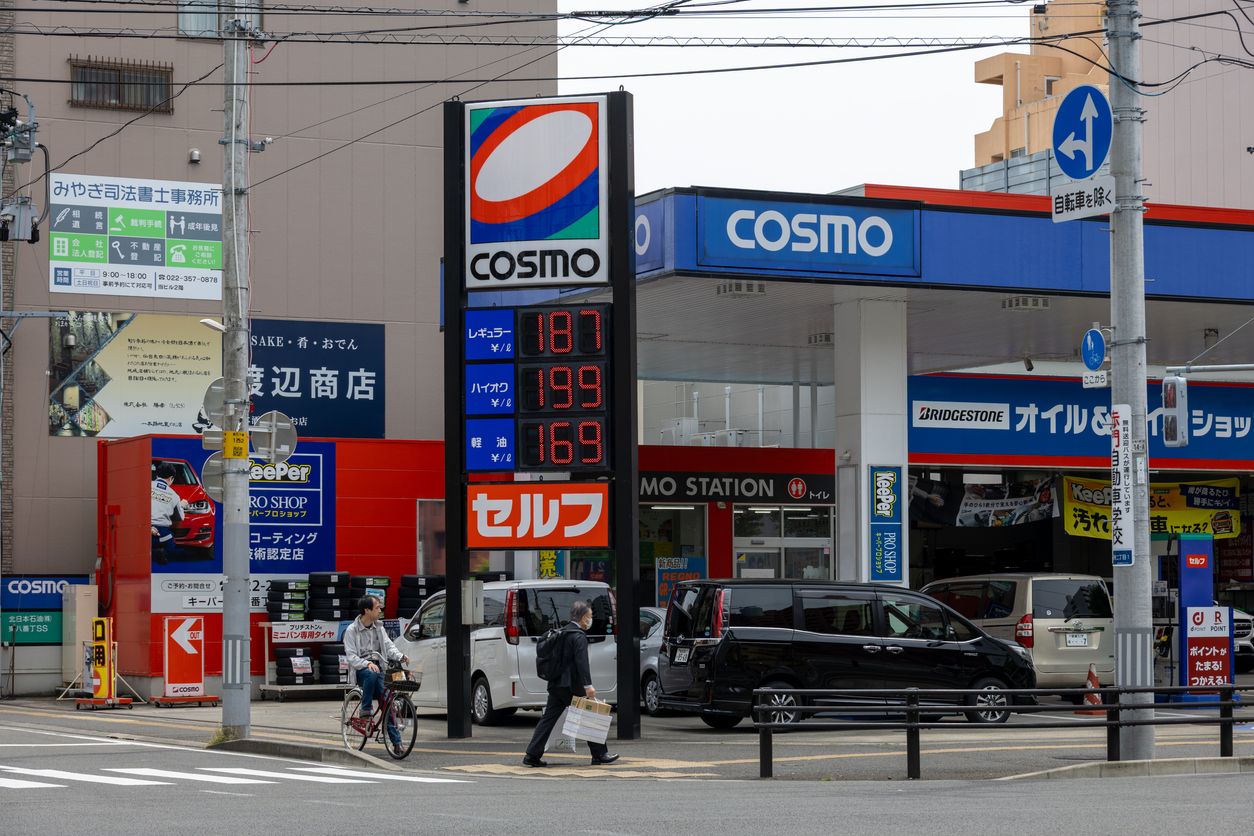
El Niño has emerged as the latest threat to global financial stability, adding a climate shock to an energy and debt crisis that was already straining poorer economies. The UN’s Food and Agriculture Organisation and World Food Programme have appealed for anticipatory action in 22 countries across Africa, Asia and the Pacific, and Latin America and the Caribbean. The US weather agency NOAA declared the onset of El Niño on June 11, warning it could be one of the strongest on record. Reuters reports it is the strongest since 1950 and is expected to leave 49 million more people food insecure by the end of 2027.
By comparison, the 2015-16 El Niño, one of the strongest on record, affected more than 60 million people across 40 countries. This one will outlast the event itself: El Niño is expected to peak between September and December 2026, but its effects will be felt through 2027 and will hit future harvests.
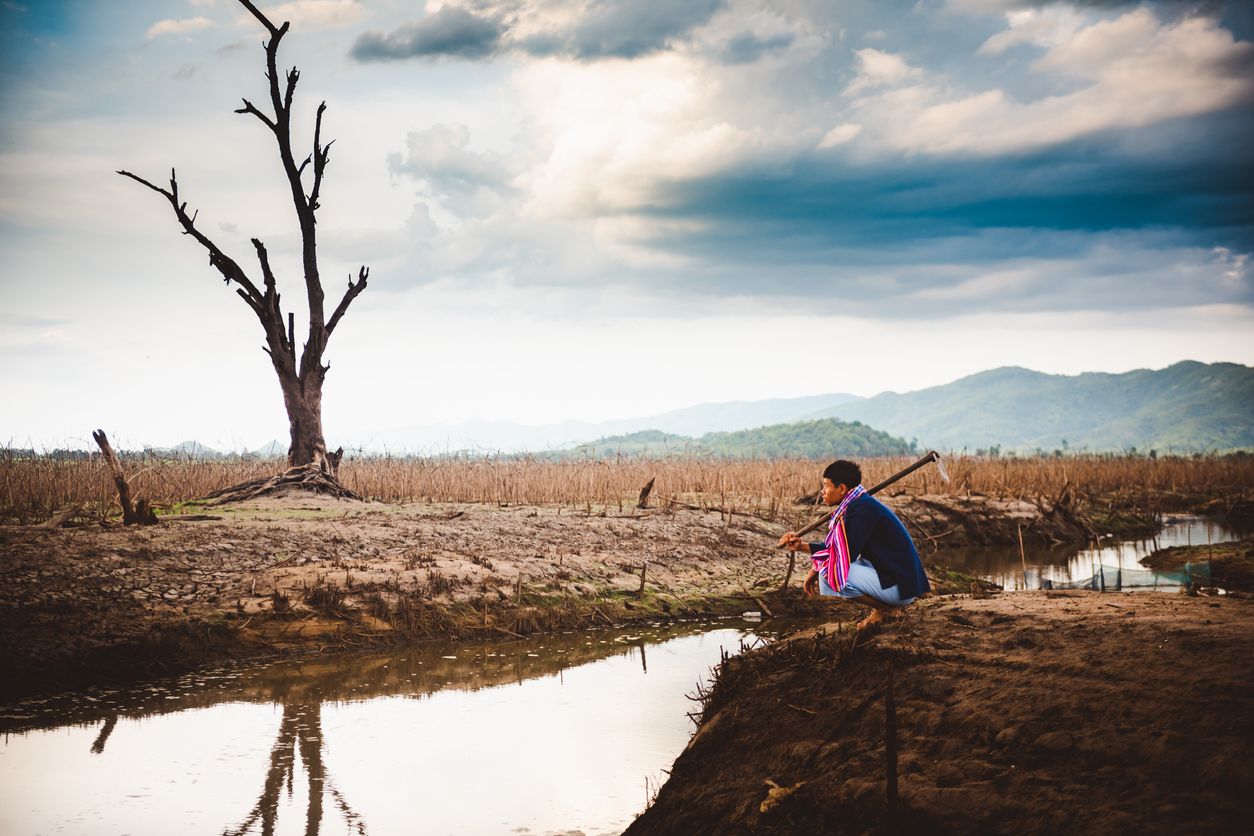
Governments have already begun to respond. Ecuador has declared a national emergency and red alert, as have El Salvador, Honduras, Panama and a third of Peru’s cities. In India, some government officials have begun calling it another COVID. The India Meteorological Department forecast below-normal monsoon rainfall at 90 per cent of the long-period average, and by mid-July the government had flagged 111 districts as vulnerable, 69 of them already rainfall-deficient.
Debt squeeze
Meanwhile, a global bond sell-off is raising government borrowing costs. De Croo put the cost of bond financing for developing countries at about 9 per cent, which he called “really, really high”. The IMF has acknowledged the trend, saying global bond yields have risen in both advanced and some emerging economies, though markets are functioning in an orderly manner.
Separate research from the campaign group Debt Justice, also published on October 11, shows the human cost. Low-income countries in or at risk of debt distress have cut education budgets by an average of 8 per cent since 2019. “High levels of debt are having a devastating impact on people’s access to healthcare and education,” said Heidi Chow, the group’s executive director. She called for outright cancellation of the most burdensome debts, especially those owed to high-interest lenders such as banks, hedge funds and oil traders, and for an overhaul of the IMF-administered common framework for debt restructuring.
What the UN suggests
De Croo said the UNDP does not oppose debt relief for the worst-hit countries, but it would take months to negotiate and is not enough on its own. He urged multilateral lenders, donors and partners to widen access to affordable finance so countries can keep supporting vulnerable households. He did not name a specific response but said it should give countries “time and space” to reform.
He pointed to precedents: the temporary G20 standstill on debt repayments during Covid, and the US Federal Reserve’s currency swap lines in earlier financial crises, which kept markets from seizing up. He also praised IMF chief Kristalina Georgieva’s call for spending restraint in rich countries to ease bond yields but said the response for developing countries cannot be “you are at the end of the line”.