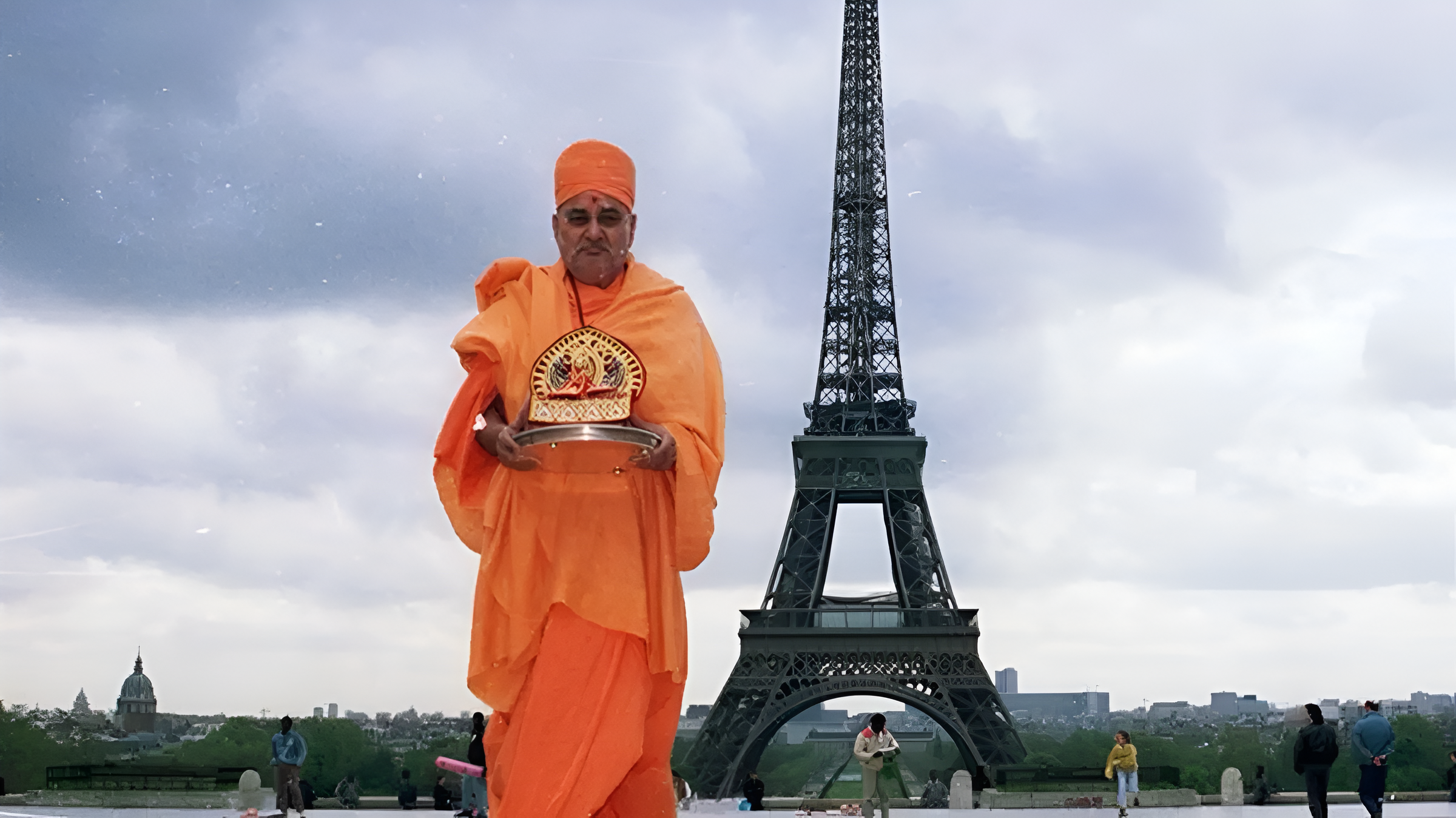
The Eiffel Tower was briefly closed on Monday (September 7) after staff protested against allegations that a visiting Hindu delegation had asked for female employees to be removed or kept at a distance during a tour the previous weekend. The episode has prompted a formal investigation by French authorities and reignited debate over religious accommodation and gender equality in one of Europe’s most secular nations.
What is BAPS?
The Bochasanwasi Akshar Purushottam Sanstha, known as BAPS, is a Hindu organisation founded in India in 1907 within the Swaminarayan tradition. It runs over 1,100 temples worldwide alongside extensive charitable, educational and cultural programmes, with a strong presence among diaspora communities in the US, UK, Canada and Australia.
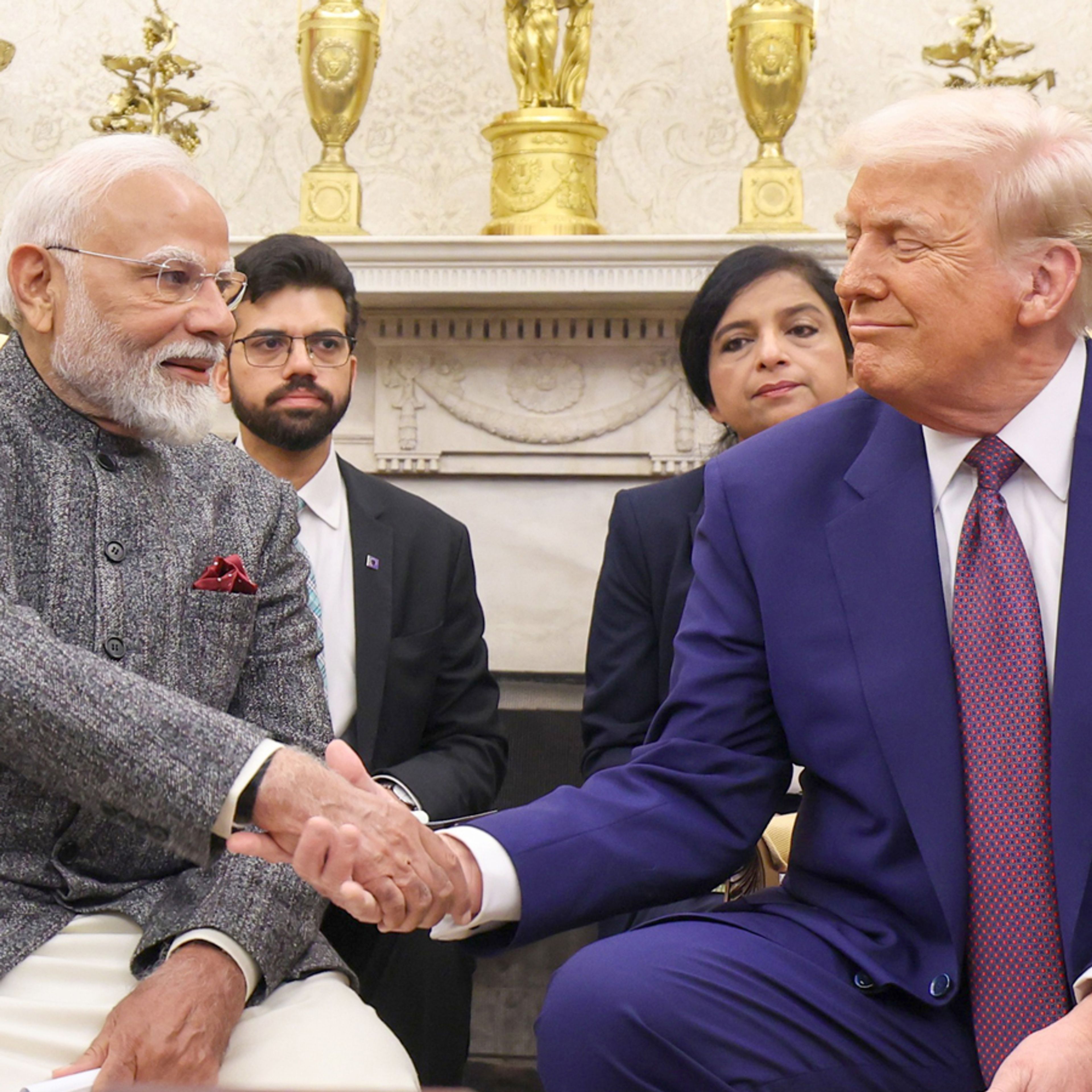
BAPS maintains a long, public association with Modi, who has attended numerous BAPS events, including the high-profile 2023 inauguration of the BAPS Swaminarayan Akshardham temple in Robbinsville, New Jersey. Its spiritual leader, Mahant Swami Maharaj, holds significant standing within Hindu religious and nationalist circles, and the organisation has played an active role in India's cultural diplomacy abroad.
What happened at the Eiffel Tower?
The incident occurred on Saturday. According to reports, employees alleged the delegation requested “limited interactions” with female staff, who were reportedly asked to step aside or were swapped for male colleagues.
The stated rationale ties to nishkam, a monastic discipline within the Swaminarayan tradition under which male monks observe strict celibacy and, in stricter interpretations, minimise direct contact with women. Workers and commentators, however, drew a sharp line between a monk’s personal religious observance and an institutional request directed at managing a mixed-gender public workforce – a distinction legal experts say carries serious implications under French equality law.
BAPS has not formally confirmed whether the request to remove female staff was formally made but its temple administration in Paris has now issued a statement, apologising for the inconvenience or hurt caused by the delegation's visit.
The statement said: “Given the size of our delegation, the visit was organized in coordination with the Eiffel Tower teams, at the start of normal opening hours, in order to limit as much as possible any disruption for other visitors. To our knowledge, at no time was access to the Eiffel Tower denied to anyone. Nevertheless, we wish to offer our sincere apologies to anyone who may have been hurt or inconvenienced by this situation. We are deeply committed to the universal values of mutual respect and service to others.”
The women’s protest and its aftermath
The strike was driven by female staff and their colleagues objecting to being reassigned or held back from the delegation’s tour, which they said amounted to discrimination on the job. The Société d'Exploitation de la Tour Eiffel, which operates the monument, confirmed that employees gathered on Monday, forcing a temporary closure while staff discussed the incident internally. The CGT union, which represents tower workers, called the episode deeply troubling. A union representative said: “Female employees were made to feel humiliated and sidelined in their own workplace.”
The union added that the incident struck at principles of equality enshrined in French law, with workers arguing the arrangement was not merely uncomfortable but potentially unlawful. The tower, the world’s most visited paid monument with roughly seven million visitors a year, rarely closes – making Monday’s shutdown a significant, attention-grabbing event.
Investigation ordered
The BBC reported that French authorities have ordered a formal investigation into the visit and the conduct alleged to have taken place. Officials have not commented on the inquiry’s scope or findings, though the move signals it is being treated seriously.
France’s principle of laïcité – state secularism – is among the strictest in Europe and governs public institutions. Critics argue that accommodating a request to limit female staff contact, whatever its religious basis, amounts to sex discrimination under French law. One legal commentator was quoted in French media as saying: “There is no religious exception to the principle of equality in a French public space.”
The episode has also drawn heavy coverage in India, reflecting sensitivity around both the international standing of Hindu institutions and domestic debates on gender equality.
The Eiffel Tower has since reopened, but unions say they will keep pressing management for clarity on how the visit was handled, what protocols were put in place to accommodate the delegation's reported requests, and whether those arrangements were approved at a senior level within the operating company.