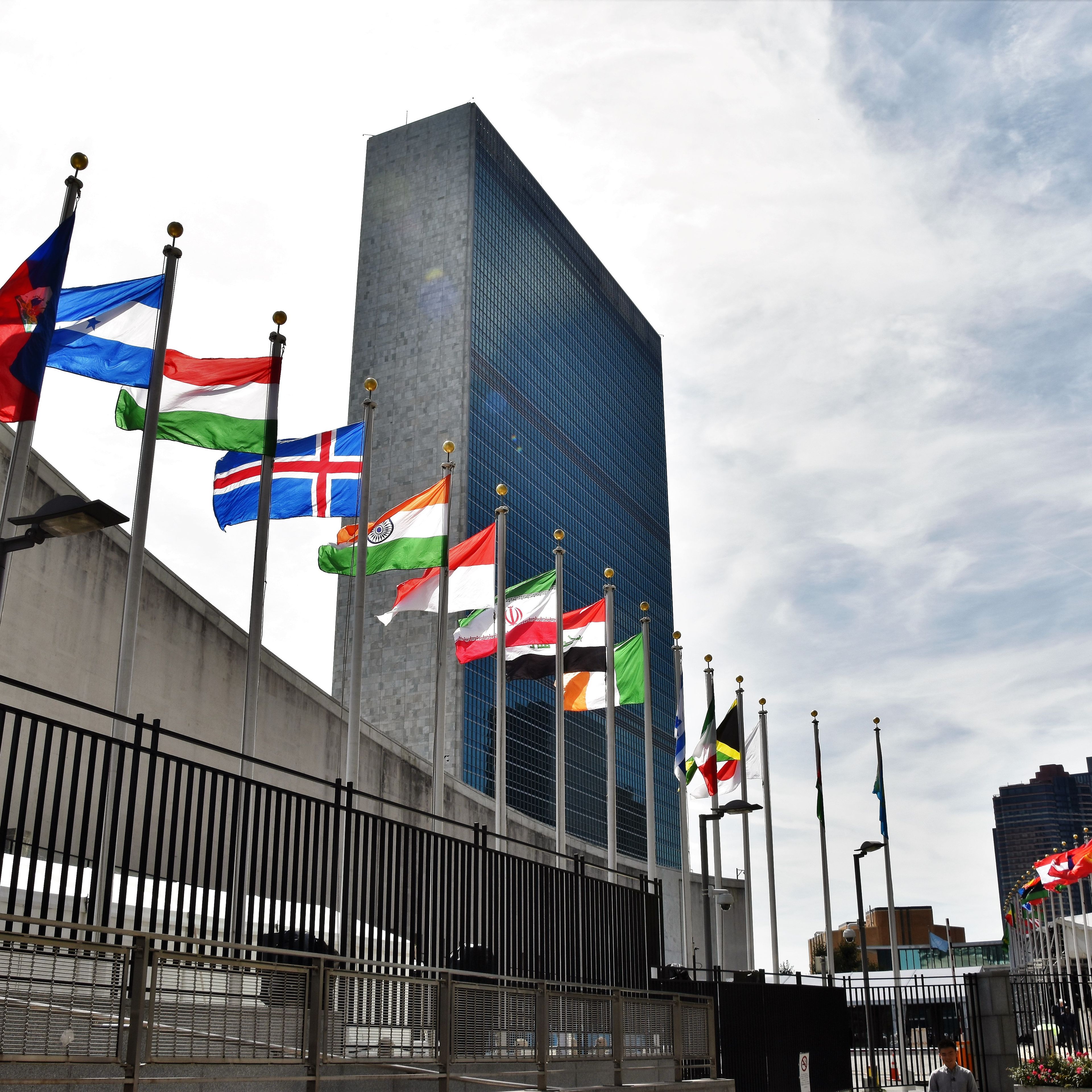
Human rights experts appointed by the UN Human Rights Council have found “reasonable grounds” to believe that the US committed war crimes in two February airstrikes in Iran – one of which destroyed a primary school and killed more than 150 people, most of them schoolgirls.
The Independent International Fact-Finding Mission on Iran, established by the Council in 2022 and chaired by Bangladeshi jurist Sara Hossain, published its formal findings on Thursday (September 17). The mission was originally set up following the death of Mahsa Amini, a 22-year-old Kurdish-Iranian woman who died in morality police custody after being detained for allegedly wearing her hijab improperly – a death that sparked mass protests and a brutal government crackdown. When the US-Iran war broke out in February, the panel expanded its mandate to cover the conflict, and it has now apportioned blame on both sides.
Strike on school
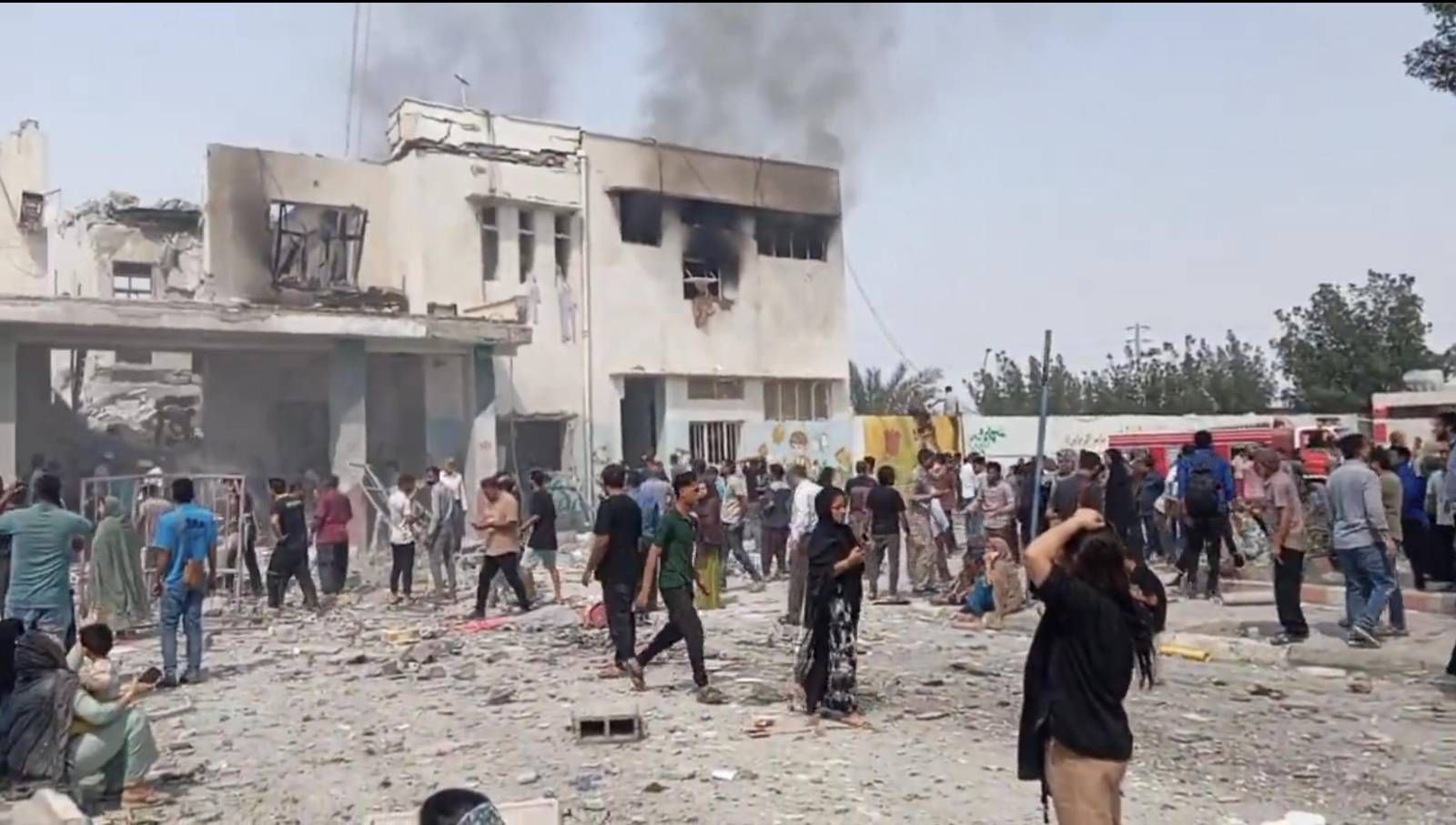
The panel’s gravest charge concerns the February 28 attack on the Shajareh Tayyebeh Primary School in Minab. Iranian authorities put the death toll above 150, about 120 of them children; the UN-backed team itself says the US strikes killed at least 178 civilians, including women and children. Investigators concluded the school was unambiguously civilian and found no evidence of any military use.
A UN statement on the findings said the mission had reasonable grounds to believe the US committed the war crime of launching indiscriminate attacks resulting in loss of life or damage to civilian objects. Crucially, the experts went further than suggesting a stray munition, concluding that the school building was the intended point of impact, rather than collateral damage from a strike on a nearby Revolutionary Guard compound.
A second strike that same day hit a sports centre in Lamerd, killing and injuring 22 civilians and damaging residential buildings and a nearby school; investigators reached the same conclusion there too. Responding, US Central Command denied carrying out any strikes on Lamerd that day,while the Pentagon declined to comment further, saying only that its own investigation “remains ongoing.”
The inquiry
Barred from Iranian territory, investigators could not inspect either strike site directly. Instead, they turned to satellite imagery, remote-sensing analysis, and remote interviews with survivors, witnesses and victims’ families, drawing also on forensic analysis of munitions fragments and blast patterns, medical and casualty records obtained through intermediaries, and testimony from Iranian civil society groups, some working clandestinely.
The panel applied the “reasonable grounds to believe” threshold – the same standard used by international investigators from Bosnia to Libya – rather than issuing a definitive finding of guilt, which would require full judicial proceedings.
The White House declined to engage with the report’s substance. Spokesperson Anna Kelly instead attacked the Human Rights Council itself, arguing it “has accomplished nothing for human rights while spouting unserious nonsense for decades”.
“The only party in this conflict that has committed war crimes is the Iranian regime, which has murdered thousands of its own people, killed Americans overseas, executed acts of terrorism in the Strait of Hormuz, and launched indiscriminate attacks against its neighbours in the region," she said.
Critics have noted that Washington has long resisted ICC jurisdiction over its own forces, a stance dating back to the 2002 American Servicemembers’ Protection Act, which explicitly empowered the president to use military force to free any American held by the Court.
Iran’s crimes
The report has not spared Tehran, too. Investigators found that Iranian authorities carried out widespread, systematic attacks on civilians during the protests that erupted in late December – unlawful killings, torture, arbitrary detentions, enforced disappearances and severe restrictions on free expression – concluding these amounted to crimes against humanity committed on a “staggering scale.” The UN statement classified these violations as crimes against humanity, including murder, imprisonment, torture and other inhumane acts committed as part of a widespread and systematic attack on civilians.
Iran’s government officially recorded 3,038 deaths and 25,000 injuries from the unrest, though the mission believes that the true toll runs significantly higher and says it could not independently verify Tehran’s figures. Rights groups have called it the harshest crackdown since Shi'ite clerics took power after the 1979 Islamic Revolution. Tehran, for its part, has blamed “terrorists and rioters” backed by exiled opposition groups and foreign adversaries, including the US and Israel.
The experts have called on both governments to halt all violations and provide full reparations to victims.
The mission’s findings are not legally binding. Still, they carry substantial historical and legal weight – reports of this nature have served as foundational evidence in cases before the International Criminal Court (ICC) and other tribunals. Experts have been scheduled to formally present their findings to the 47-member UN Human Rights Council on Monday.