On September 17, Russia warned that fresh US sanctions would make a Ukraine peace deal harder to reach, a day after the House passed a sweeping sanctions bill. Kremlin spokesman Dmitry Peskov labelled the law as “an unfriendly action.” Asked what it meant for the peace process, he told reporters: “Any additional sanctions will certainly complicate the search for a peace settlement with Ukraine.” The remark comes as US-mediated talks to end the four-and-a-half-year war remain stalled.
Trump's envoys, Jared Kushner and Steve Witkoff, met Putin in Moscow on September 5 for around three hours before travelling to Kyiv the next day for talks with Zelensky. The White House described the discussions as covering “substantive plans for next steps,” though neither side reported a breakthrough, and Moscow agreed only to a brief pause in strikes on capital cities during the visits.
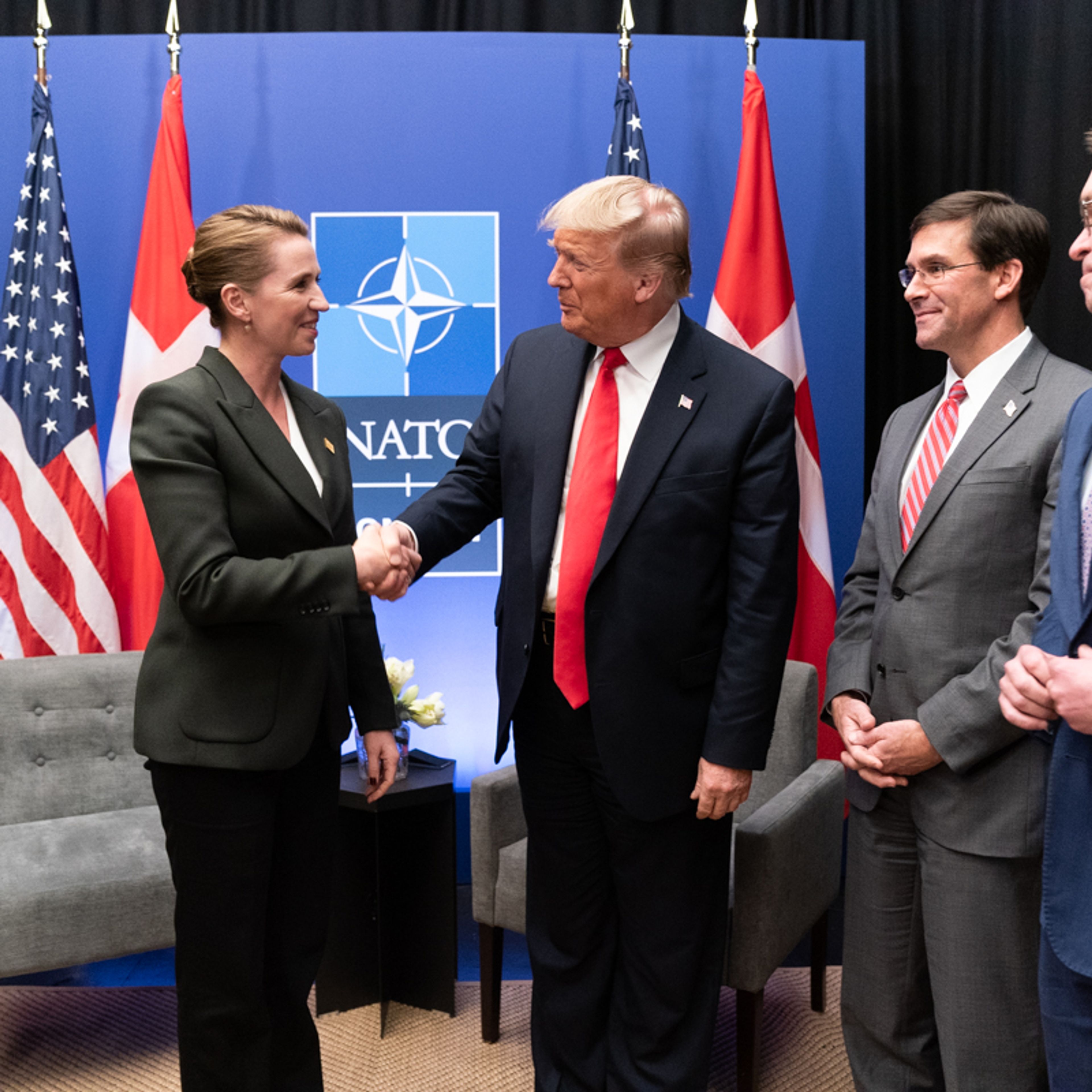
The sanctions legislation — Lindsey O. Graham Sanctioning Russia and Iran Act of 2026 — is named for the senator who spent more than a year pushing it through Congress. Graham died suddenly in July, days after returning from a trip to Kyiv where he had secured the White House’s backing for tougher penalties on Russian oil buyers. The bill cleared the Senate 86-11 in August and the House 262-159 on September 16, and now awaits Trump’s signature.
How the bill passed
The House vote split more sharply than the Senate’s: Democrats broke 58 in favour and 152 against, while seven Republicans voted no. Democratic leaders, including Leader Hakeem Jeffries, opposed the bill on the grounds that it hands Trump “extraordinary power,” including authority to waive its own sanctions while gaining sweeping new tariff powers.
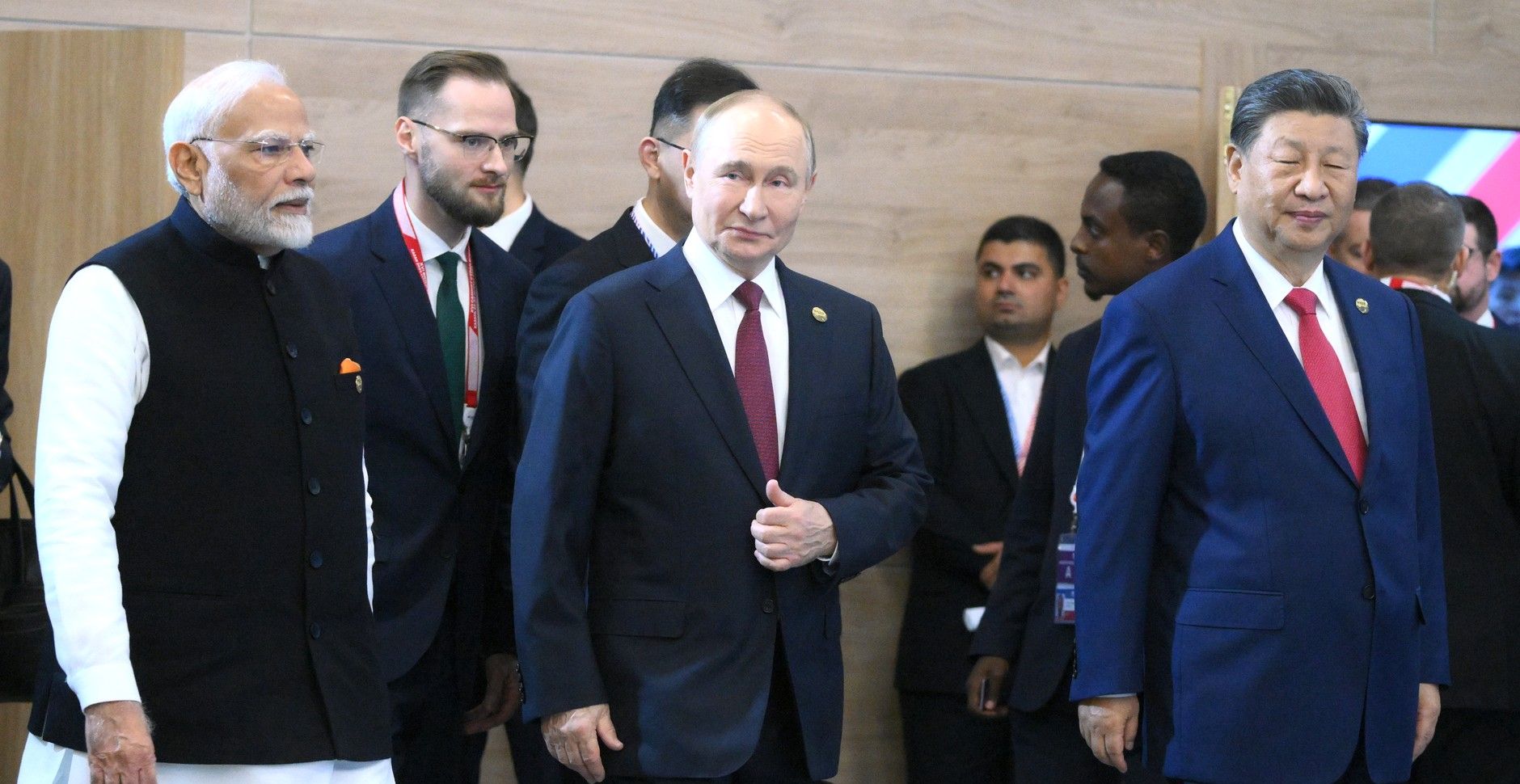
The bill targets Russia’s energy and financial sectors directly, naming Putin, senior officials, business figures and major banks, alongside Russia’s “shadow fleet” of tankers used to move sanctioned oil. Its sharpest edge lies elsewhere: it lets Trump impose tariffs of up to 100 per cent on the top five buyers of Russian oil and gas – a list that includes China, India and Turkey.
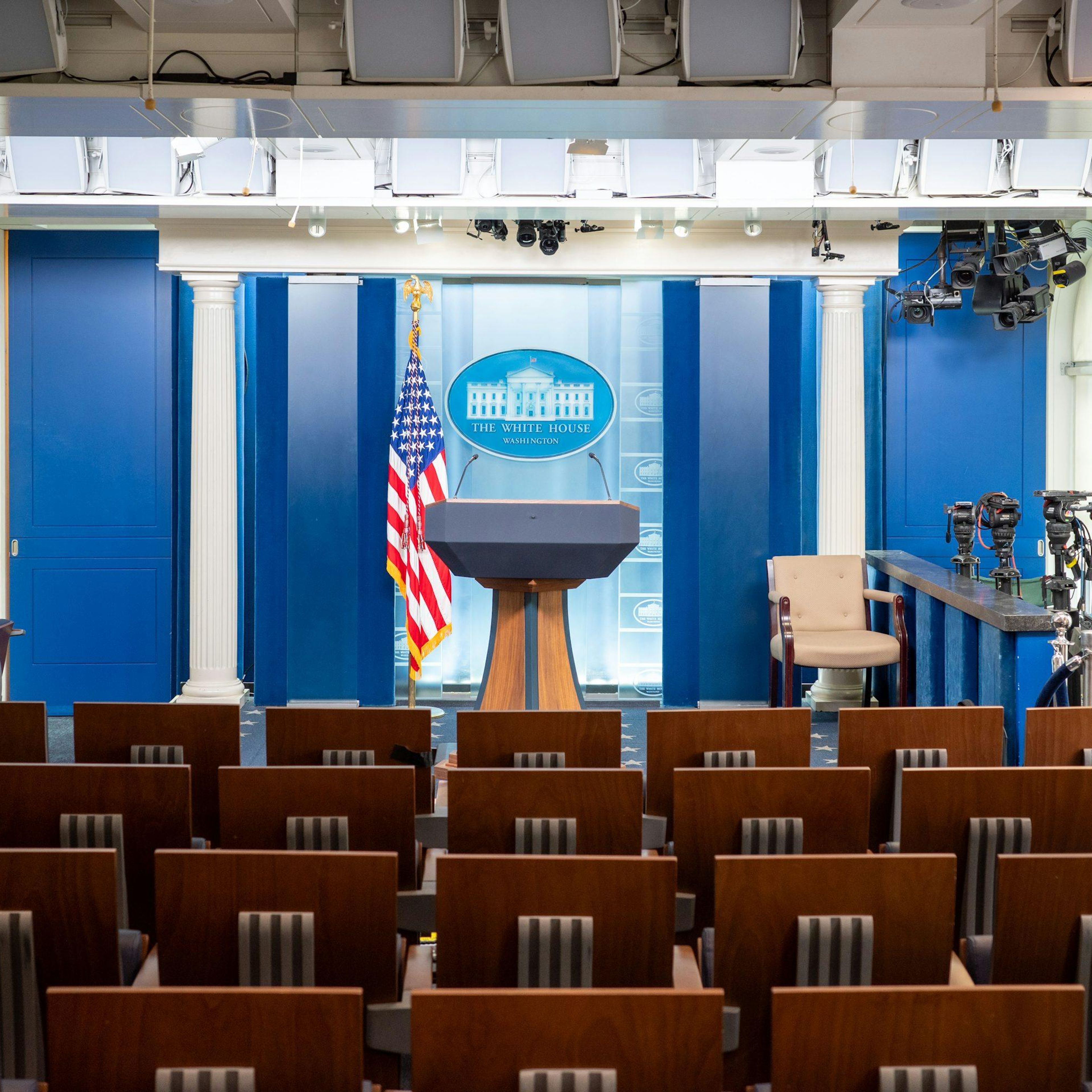
Once Trump signs the bill, he has 30 days to impose the sanctions and tariffs; any exemption requires written justification to Congress. The Center for Strategic and International Studies calls the tariff authority the law’s “most consequential” element, though it exempts countries that import under 15 per cent of their gas from Russia and are actively cutting that share. The bill also extends the Iran Sanctions Act of 1996 – due to expire this year – by five years, a provision added late in the Senate at Trump’s request.
Beijing pushes back
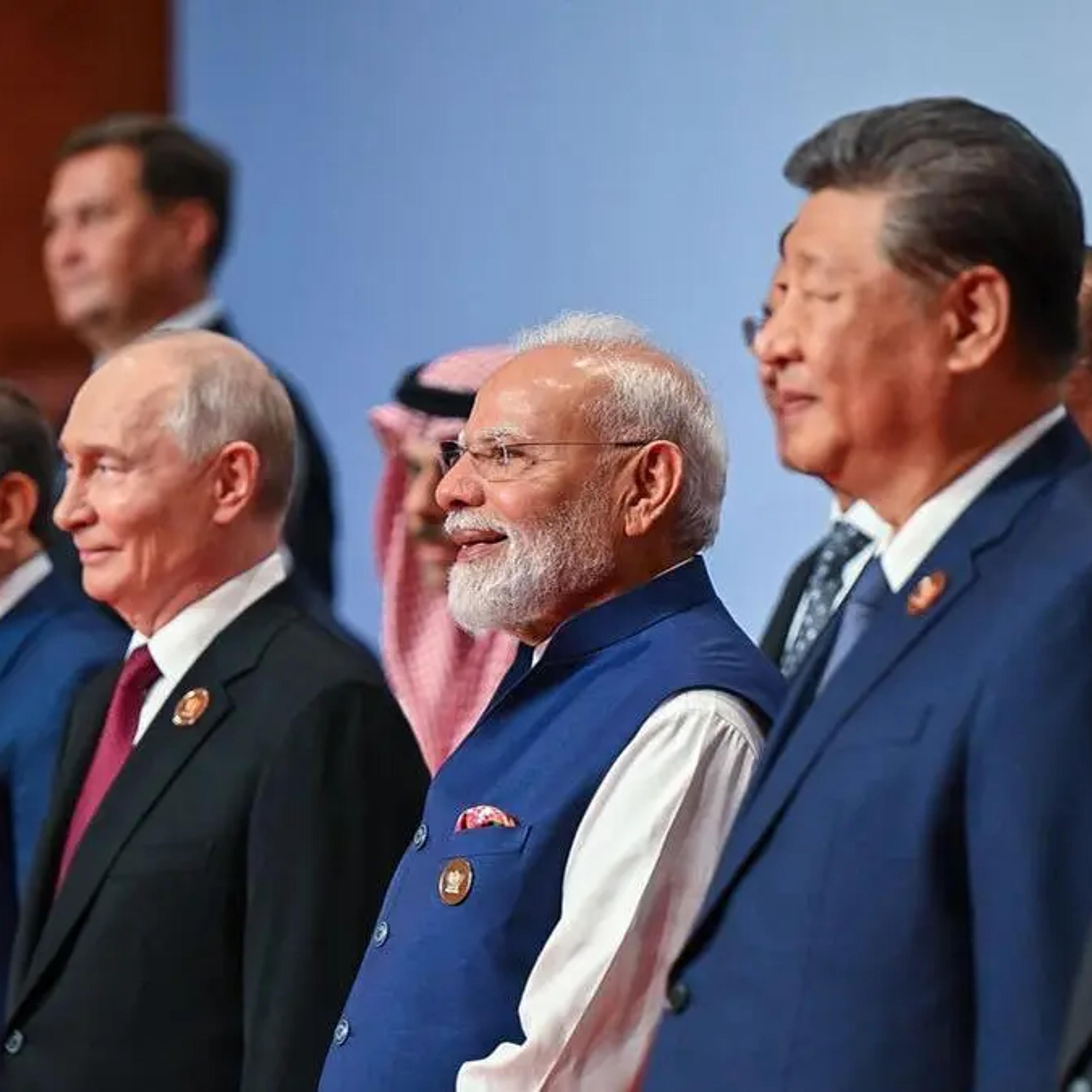
China has opposed the bill since it began moving through Congress. Foreign ministry spokesperson Lin Jian said: “China firmly opposes illegal unilateral sanctions that have no basis in international law,” accusing Washington of “double standards and coercion.” He added that Beijing would “safeguard the legitimate rights and interests” of Chinese firms and citizens. Spokeswoman Mao Ning repeated the line days later. China, notably, continues buying sanctioned Iranian oil largely undeterred and has defended its decision again last week – a precedent that undercuts the tariff threat’s bite.
India, another major buyer of Russian crude, could be hit hardest. Indian refiners paused Russian oil purchases twice in the second half of 2025 – first in July, then again from late October amid fresh US sanctions on Rosneft and Lukoil – before resuming as Washington softened its stance and global crude prices rose. A fresh round of tariffs would leave Indian exporters facing a similar bind.
Responding to the bill’s passage, however, New Delhi asserted its right to protect “its energy security”, indirectly indicating that it may not stop buying Russian crude. The Indian foreign ministry said the new tariffs “could impact bilateral ties,” without naming the US outright – a hint that India will watch and wait rather than react. China and India remain the two largest importers of Russian crude, according to the Centre for Research on Energy and Clean Air, putting both squarely in the tariff crosshairs once the 30-day clock starts.