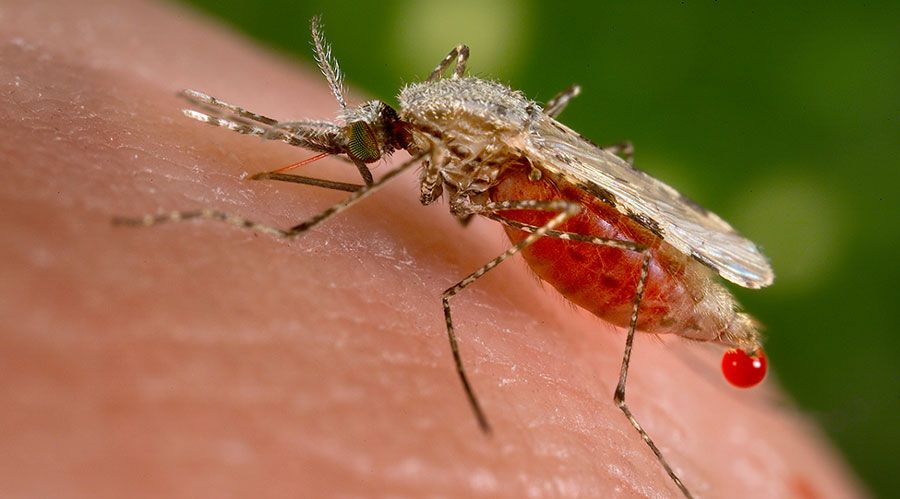
A malaria-carrying mosquito native to South Asia has invaded Africa, according to a report published in Nature. Worse, the species already carry resistance to the insecticides used to control it in Africa, and genomic evidence now traces its journey across the continent that bears roughly 95 per cent of the world’s malaria cases and deaths.
The mosquito, Anopheles stephensi, is native to parts of South Asia and the Arabian Peninsula, where it is a well-known vector of both Plasmodium falciparum and P. vivax, the two parasites responsible for the overwhelming majority of malaria illness worldwide. Its arrival in Africa was first flagged in Djibouti in 2012 – a country that, at the time, appeared to be on the verge of eliminating malaria altogether. Instead, the disease began creeping back into Djibouti’s cities, not through the surrounding bush but through water tanks, wells and construction pits, and researchers linked the reversal directly to the mosquito’s presence.
Genomic surveillance now suggests that African populations of the mosquito probably descend from South Asian lineages related to insects found in Afghanistan and Pakistan. Djibouti, the report finds, appears to have acted as an early “bridgehead” – a foothold population that then seeded separate invasions into Ethiopia, Kenya, Sudan and Yemen.
The findings, Nature reports, help explain how a mosquito already carrying insecticide resistance managed to establish itself in Africa.
A mosquito built for the city
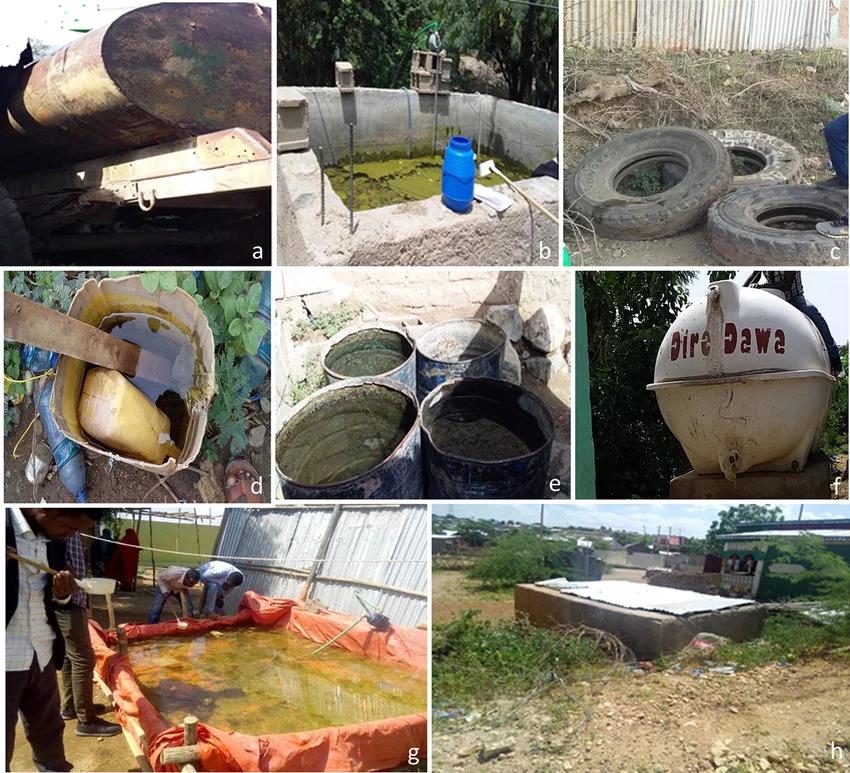
Unlike Africa’s familiar malaria vectors, which favour rural pools and puddles, An. stephensi thrives in urban and peri-urban settings, breeding in artificial containers – tanks, barrels, wells, cisterns and construction pits.
Solomon Yared, an assistant professor of medical entomology at Jigjiga University in Ethiopia, described its spread to Nature as “one of the most significant emerging threats to malaria elimination in Africa.” He argued that the mosquito upends the assumption that malaria is chiefly a rural problem, since surveillance systems built around traditional vectors may not think to check water containers in dense city neighbourhoods.
A 2020 modelling study estimated that more than 126 million people across African cities could be put at risk should the mosquito spread through all suitable urban habitats. Detection in a city does not guarantee an outbreak will follow, but the report notes that the insect has already been tied to unexpected surges in urban malaria in both Djibouti and Ethiopia.
How Djibouti became a bridgehead
In invasion biology, a “bridgehead” population establishes itself in new territory and then fuels further invasions elsewhere – and genetic evidence points to Djibouti having played exactly that role.
Tristan Dennis, a researcher in the Department of Vector Biology at the Liverpool School of Tropical Medicine, cautioned that genetic data offer only an “indirect view” of the mosquito’s movements, but said the pattern is nonetheless striking: “Genetic diversity decreases as we move further away from the likely point of introduction along each invasion front.”
That decline in diversity radiating out from Port Sudan and Djibouti, combined with Djibouti’s status as a major regional port and the first African site where the mosquito was ever detected, points to an introduction pattern by sea followed by inland spread. “We do not have the conclusive evidence of a mosquito collected from a ship," Dennis said, “but the genetics are consistent with that scenario.”
After Djibouti, the mosquito was subsequently reported in Ethiopia, Sudan, Somalia and Kenya, and later turned up in West African countries including Nigeria and Ghana. Molecular surveillance has even detected it in larval samples from the suburbs of Accra, a city with historically low malaria transmission.
Yared said that the bridgehead finding strengthens the case for tighter surveillance at ports, transport corridors, borders and high-risk urban centres, so that new incursions can be caught before populations take hold.
Rapidly growing African cities often rely on intermittent piped water, which forces households to store water in tanks, barrels and plastic containers – inadvertently supplying breeding sites. Poor drainage leaves standing water pooling in the open, while informal settlements frequently go without reliable water supplies, waste collection or routine vector control.
Aziza Mohamed, a professor of urban geography at Cairo University’s Faculty of African Graduate Studies, told Nature that An. stephensi cannot be treated purely as an entomological or public-health issue, since its spread also exposes cracks in urban infrastructure. “If malaria has long been treated as a rural disease, this mosquito forces us to bring it into the very heart of urban planning policy,” she said.
Fieldwork in Ethiopia’s Jigjiga found an immature An. stephensi colonising water storage tanks at construction and brick-making sites during the dry season. In Dire Dawa, Ethiopia, the mosquito was implicated in a 2022 urban malaria outbreak, where researchers found clusters of P. falciparum infections clustered around patients’ homes, malaria parasites inside the mosquitoes themselves, and the vector breeding in both artificial and natural water habitats. That outbreak also turned up parasite markers linked to drug resistance, plus genetic deletions capable of causing some rapid diagnostic tests to miss infections altogether.
Resistant before it even arrived
A genomic study published in Science and cited by Nature found that insecticide resistance in Africa’s An. stephensi populations is driven mainly by genes governing metabolic detoxification, along with resistance-linked genetic variants and extra gene copies that appear to have been imported directly from South Asia – meaning the mosquito likely arrived already resistant, rather than evolving resistance after it landed.
Dennis explained that elevated enzyme levels appear to break insecticides down before they can take effect, rather than resistance stemming mainly from changes to the nervous-system. A near-identical genetic signal has turned up in Sudan, Ethiopia, Yemen and Kenya, which Dennis warned could leave malaria control programmes with “a narrower set of tools,” since insecticide-treated bed nets and indoor spraying both rely on chemicals that metabolic resistance can blunt.
However, that same genomic evidence could also help fight back. Dennis proposed developing cheaper, targeted genetic tests rather than relying repeatedly on whole-genome sequencing – tools that could reveal whether a new detection in West Africa is connected to the Horn of Africa invasion fronts or represents an entirely separate introduction.
A continent-wide race to contain it
In April 2026, the World Health Organization published a continent-wide strategy aimed at preventing further introductions of An. stephensi, containing its spread and eventually eliminating it from Africa. The plan calls for early detection and rapid response to new incursions, containment at invasion fronts, and integrated suppression in areas where the mosquito is already widespread – along with urban planning, larval habitat management and community engagement.
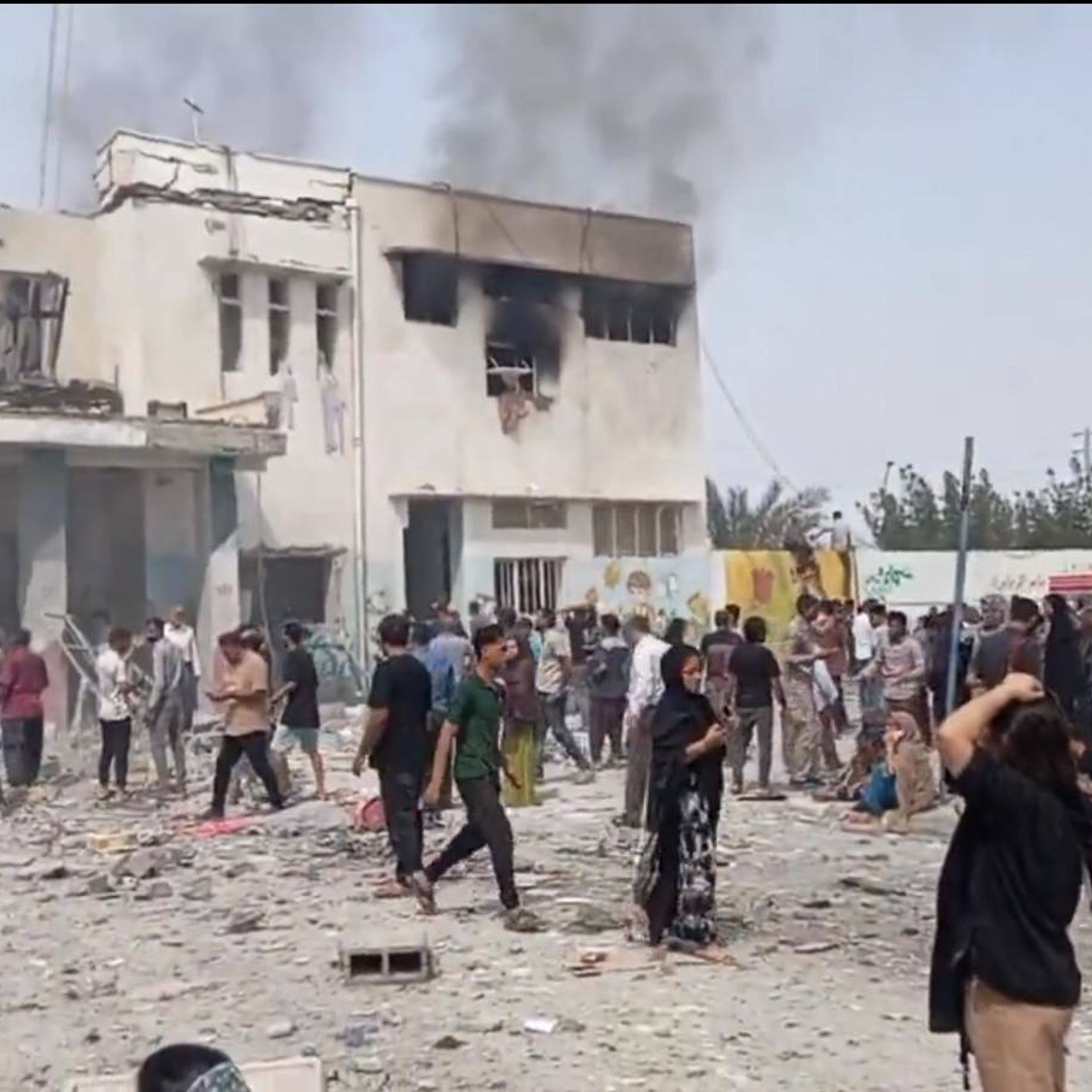
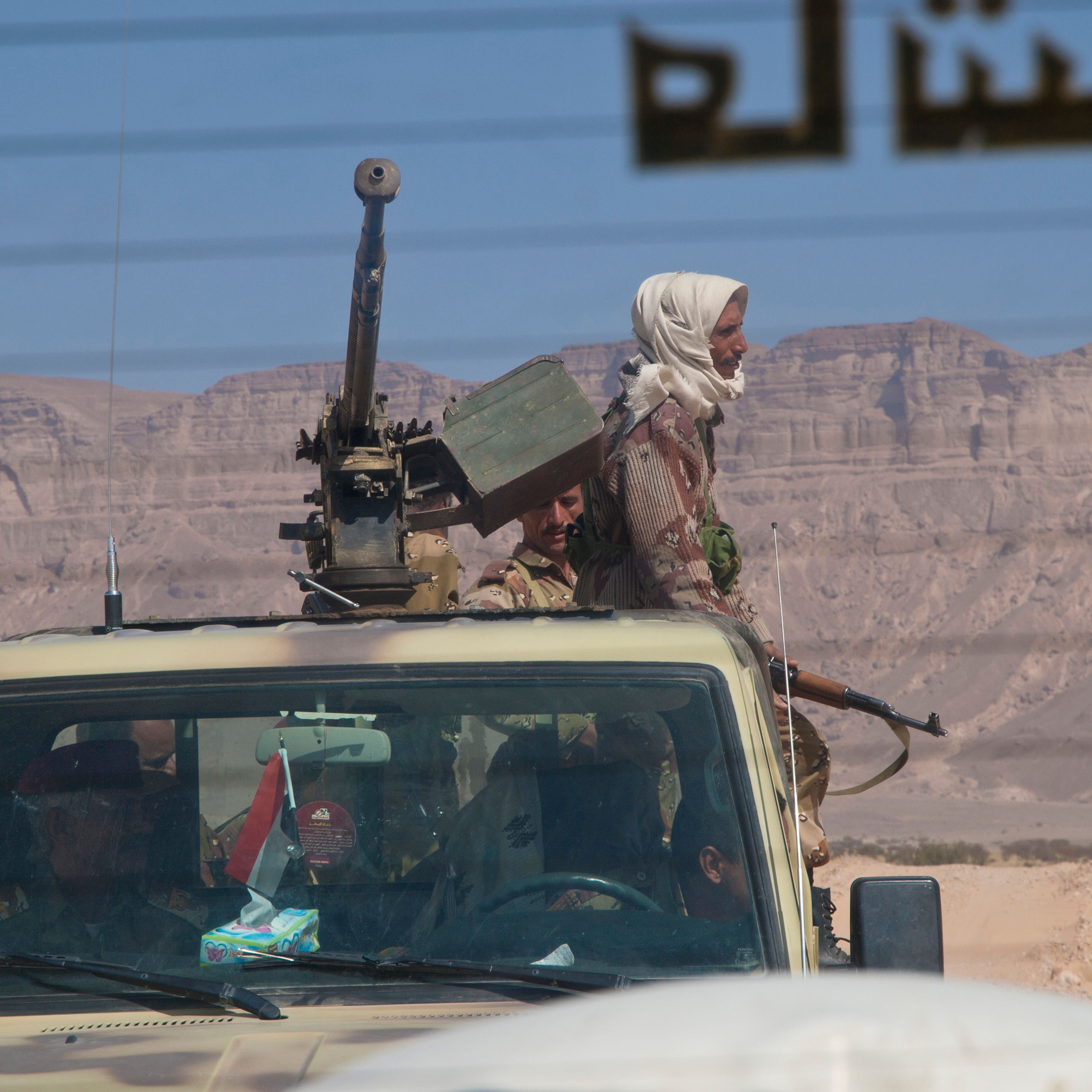
What, however, remains a challenge is that implementation will be hardest in conflict-affected parts of the Horn of Africa, Sudan and Yemen, where insecurity, displacement and damaged infrastructure disrupt monitoring and delay control efforts; water storage in displacement camps may create yet more breeding sites.
Ali-Fatih Malik, an associate professor at the University of Khartoum’s Faculty of Medicine, said that malaria programmes need surveillance systems built specifically around the mosquito’s behaviour – checking cities, tracking insecticide resistance, and working with municipal and water authorities to cut breeding habitat. Yared called for stronger cross-border coordination and faster information-sharing: “Early action is far more effective and considerably less expensive than responding after An. stephensi has become firmly established,” he said.
The human toll already emerging
The scale of disruption is already visible in the places the mosquito has reached. In Djibouti City, malaria incidence climbed from 2.5 cases per 1,000 people in 2013 – the year after the mosquito’s detection – to 97.6 cases per 1,000 in 2020, while reported cases nationally rose from just 27 in 2012, when Djibouti was nearing elimination, to 73,000 in 2020.
Ethiopia has seen an even starker shift. In Dire Dawa, a transport hub between Addis Ababa and Djibouti, 205 malaria cases were reported across the whole of 2019, but more than 2,400 cases were recorded between January and May alone the following year – an outbreak researchers called unprecedented because it struck during the dry season, when malaria is normally rare.
Fitsum Girma Tadesse, a molecular biologist at Ethiopia’s Armauer Hansen Research Institute who investigated the surge, said that his team quickly determined that “Anopheles stephensi mosquitoes are responsible for the increase in cases,” and its preference for open water tanks that are common across Africa “makes it unique.”
Nationally, the WHO has said the mosquito is central to an “unprecedented surge” in Ethiopia, where malaria cases jumped from 4.1 million and 527 deaths in a year to 7.3 million cases and 1,157 deaths between January and late October 2024 alone. Meera Venkatesan, malaria division chief for the US Agency for International Development, has warned that the mosquito’s invasion and spread “has the potential to change the malaria landscape in Africa and reverse decades of progress we havev made towards malaria control.”
A large part of the danger lies in the mosquito’s habits. Unlike seasonal, rural-dwelling species, it thrives year-round in cities, breeding in water tanks, roof gutters and even air-conditioning units, and bites earlier in the evening than other malaria carriers – a pattern that could blunt the effectiveness of bed nets, long the primary defence against the disease.
Continent-wide, the WHO estimated 247 million malaria cases and 619,000 deaths worldwide in 2021, with 95 per cent of cases and 96 per cent of deaths occurring in Africa, and modelling has separately suggested malaria cases in Ethiopia could rise by 50 per cent if the mosquito spreads to every area capable of sustaining it.