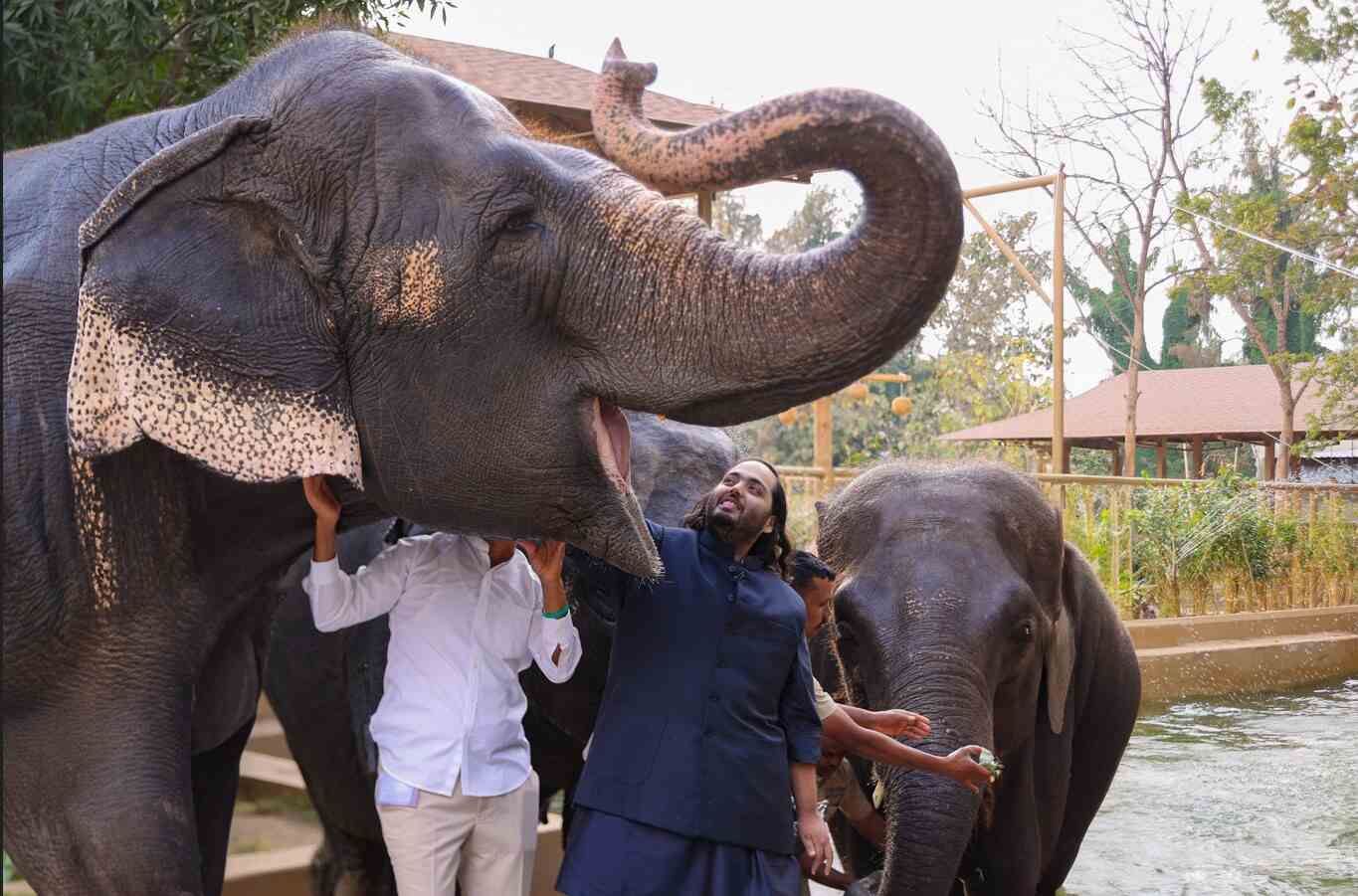
Vantara, the sprawling, billionaire-backed private zoo run by Reliance scion Anant Ambani, has worked with a UK-based lobbyist whose career is rooted in pro-hunting advocacy and whose firm has close links to Donald Trump Jr., according to an investigation by Mongabay, the independent conservation news outlet.
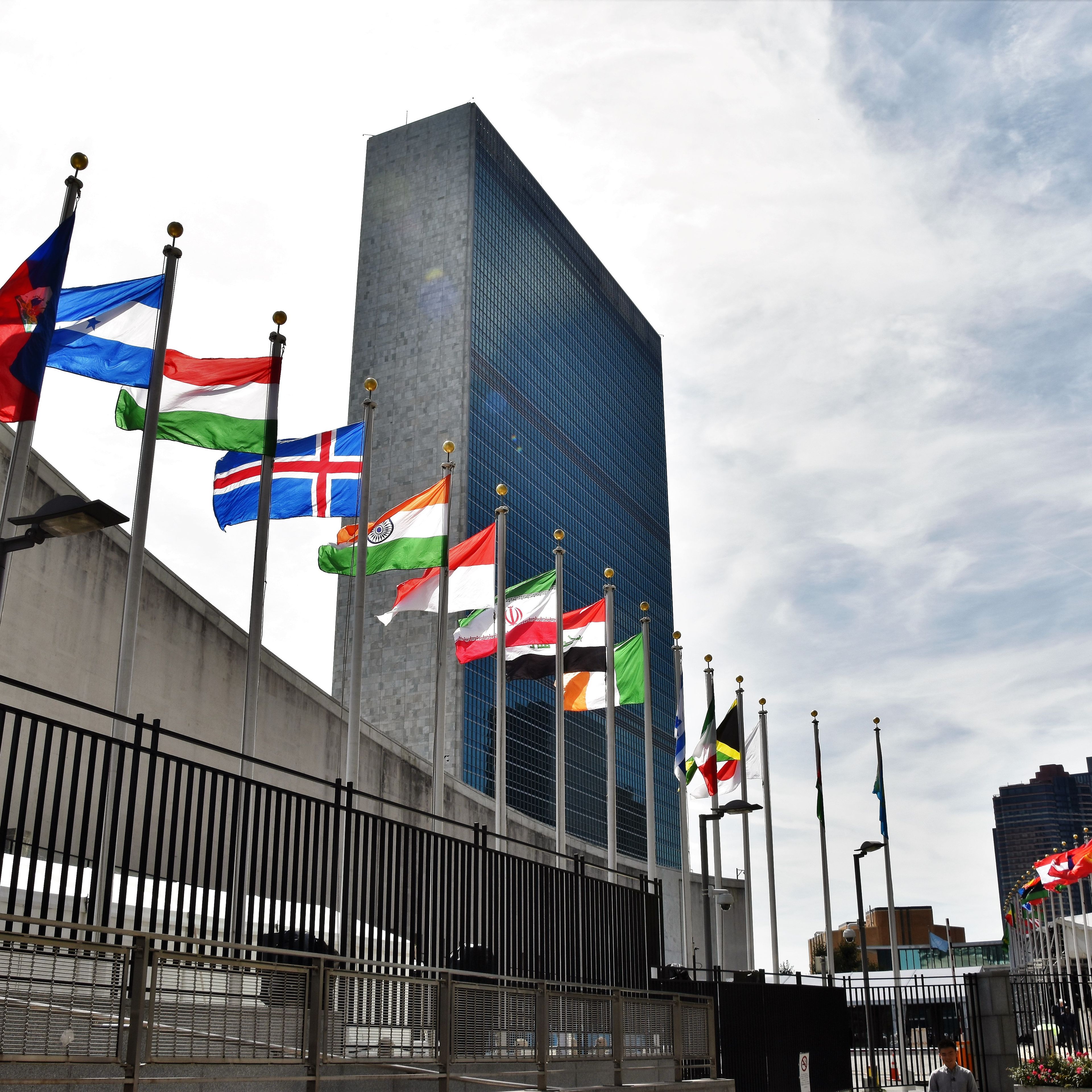
The report centres on Tristan Breijer, who heads the London office of the US lobbying firm Checkmate Government Relations. Sources told Mongabay that Breijer sent an unsolicited email, sometime before July, describing himself as “representing the Vantara initiative in the United Kingdom”, and invited at least one wildlife conservation organisation to a closed-door roundtable hosted by Vantara on the fringes of the CITES (Convention on International Trade in Endangered Species of Wild Fauna and Flora) Animals Committee meeting in Geneva.
A cancelled side event, then a private roundtable
According to a provisional schedule obtained by Mongabay, Vantara had originally proposed a public side event at the July gathering, titled “Every Life Matters”. That event was pulled from the programme without explanation. In its place, sources told the outlet, Vantara held an invitation-only roundtable on July 15, attended by roughly 15 to 20 people, including Breijer and Amit Aggarwal, Vantara’s president of regulatory affairs. What was discussed remains unclear.
Photographs obtained by Mongabay reportedly show Breijer alongside Aggarwal and Mike Oropallo, a wildlife law attorney representing the Dallas Safari Club, a US trophy-hunting organisation, at the Geneva meeting.
Both Checkmate and Vantara were approached for comment. Checkmate declined to discuss its lobbying work for the zoo. Vantara did not answer questions about its lobbying activities directly, instead issuing a statement: “Like many non-profit organisations, Vantara is committed to transparency and engages constructively with regulators, NGOs, scientific institutions and conservation partners around the world. Our focus remains on the rescue, rehabilitation and conservation of wildlife, and we welcome informed dialogue about that work.”
Breijer’s history with hunting lobbies
Breijer’s career, Mongabay notes, is deeply entwined with pro-hunting advocacy in Europe. For five years he has represented the European Federation for Hunting and Conservation (FACE), a Brussels-based umbrella body for the continent’s hunting associations, where he has argued publicly for the “social acceptance” of hunting. Since 2024, he has also served as director of communications at the International Council for Game and Wildlife Conservation (CIC), a body that promotes sport and trophy hunting and which recently expanded its presence at Safari Club International’s Nashville convention – self-styled as “the Super Bowl of hunting”.
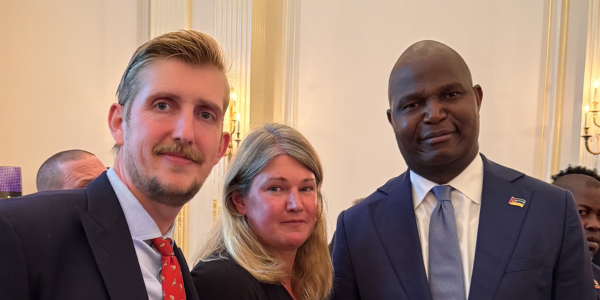
For campaigners, Breijer’s record is at odds with Vantara’s professed mission. Daniela Freyer, co-founder of the German NGO Pro Wildlife, told Mongabay that such ties “would also raise real credibility questions if an organisation claiming to rescue animals were, of all things, working with someone tied to trophy hunting and lobbying for trade in highly threatened species”. Freyer went further, arguing that established conservation groups typically lobby governments directly, “through their own in-house policy staff, technical submissions and evidence”, and that “hiring a paid lobbyist is far more typical of companies seeking political access, or worried about their reputation”.
Freyer added that legitimate conservation groups tend to make their case in a different way. “Legitimate conservation NGOs typically engage governments directly – through their own in-house policy staff, technical submissions and evidence. Not through a commercial government-relations firm,” he said.
Susan Lieberman, vice-president of international policy at the Wildlife Conservation Society (WCS), who has followed CITES negotiations for more than three decades, told Mongabay that lobbying at CITES meetings is nothing new: “There's always been advocacy from wildlife trade organizations – hunters, ivory traders, whalers, reptile traders, pet traders." But, she added, "hiring a private lobby firm is not common.”
Checkmate’s links to Trump Jr. – and to Reliance
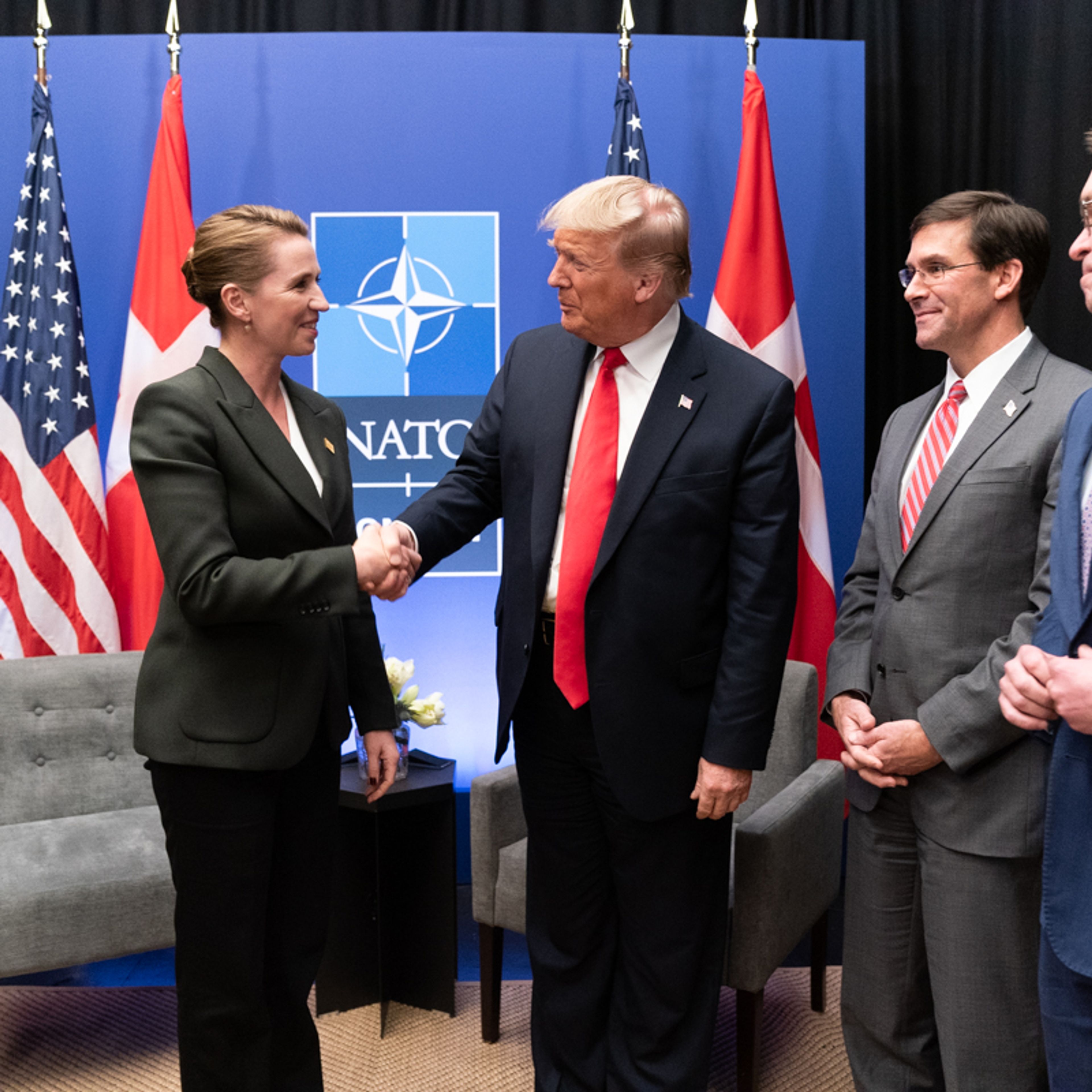
Checkmate Government Relations was founded in 2023 by Charles “Ches” McDowell, reportedly a close friend and hunting companion of Donald Trump Jr.; the pair reportedly once spent three days bear-hunting together in North Carolina and jointly run a hunting business called The Bear Store. The firm claims “unparalleled” access to the Trump administration.
Lobbying records show Checkmate’s clients include RIL USA, the American subsidiary of Reliance Industries – the conglomerate owned by Mukesh Ambani, whose son Anant serves as an executive director and founded Vantara. RIL USA has paid Checkmate roughly $570,000 since 2025 to lobby the White House and the US Department of Energy on trade and energy matters – engagement that began the same year Washington raised tariffs on India to 50 per cent over its purchases of Russian oil. By February 2026, those tariffs had been waived, while Reliance subsequently made the announcement of a $300 billion investment in a Texas refinery project in which Trump Jr. is reported to hold a stake.
Trump Jr. himself visited Vantara in November 2025, calling it “incredible” and “a wonder of the world”.
Timing, and what is at stake in November
Mongabay’s reporting places the lobbying push has come ahead of the 81st CITES Standing Committee meeting, due in November 2026, in which India must report on whether it has tightened the due-diligence processes that came under fire after irregularities were found in some of Vantara’s animal imports. Freyer told Mongabay the timing aligns with an apparent effort by Vantara to build goodwill ahead of that scrutiny. Notably, the UK will chair the November meeting, though WCS’s Lieberman cautioned that while a chair can “guide the discussions”, every Standing Committee member holds an equal vote.
Lieberman said, “If they really care about wildlife, then put the money into keeping the wildlife in the wild and their ecosystems safe.”
Ambani’s own account of how Vantara acquires animals has occasionally raised eyebrows. In a recent Sunday Times feature on his efforts to bring Pablo Escobar’s Colombian hippos to the zoo, Ambani recalled rescuing a separate group of hippos from a South African hunting lodge after a prospective hunter paid to shoot them but donated the animals instead. “For $10,000 you could shoot them all,” he told the paper.
Vantara, a 3,000-acre facility in Gujarat billing itself as an animal rescue centre, has faced repeated allegations that it acquired endangered and protected species – from as far afield as Brazil, Mexico and Guyana – through irregular or illegal channels. India’s Supreme Court ordered a Special Investigation Team to examine the claims in August 2025; the SIT subsequently gave Vantara a clean chit, even as a global CITES assessment separately flagged irregularities in some of its imports. Vantara has consistently denied wrongdoing, and, in an unrelated case earlier this year, had told Mongabay that it “has no connection with the buying of illegal animals” after a consultant linked to the facility was investigated by Brazilian police over trafficking allegations.
Breijer, for his part, has built a public profile around defending hunting as a conservation tool – a position that routinely puts him at odds with animal welfare and conservation groups, who argue trophy hunting undermines the protections that treaties such as CITES exist to enforce. His new client relationship with an organisation that markets itself on the promise that “every life matters” has, in the eyes of campaigners like Freyer, only sharpened that tension.