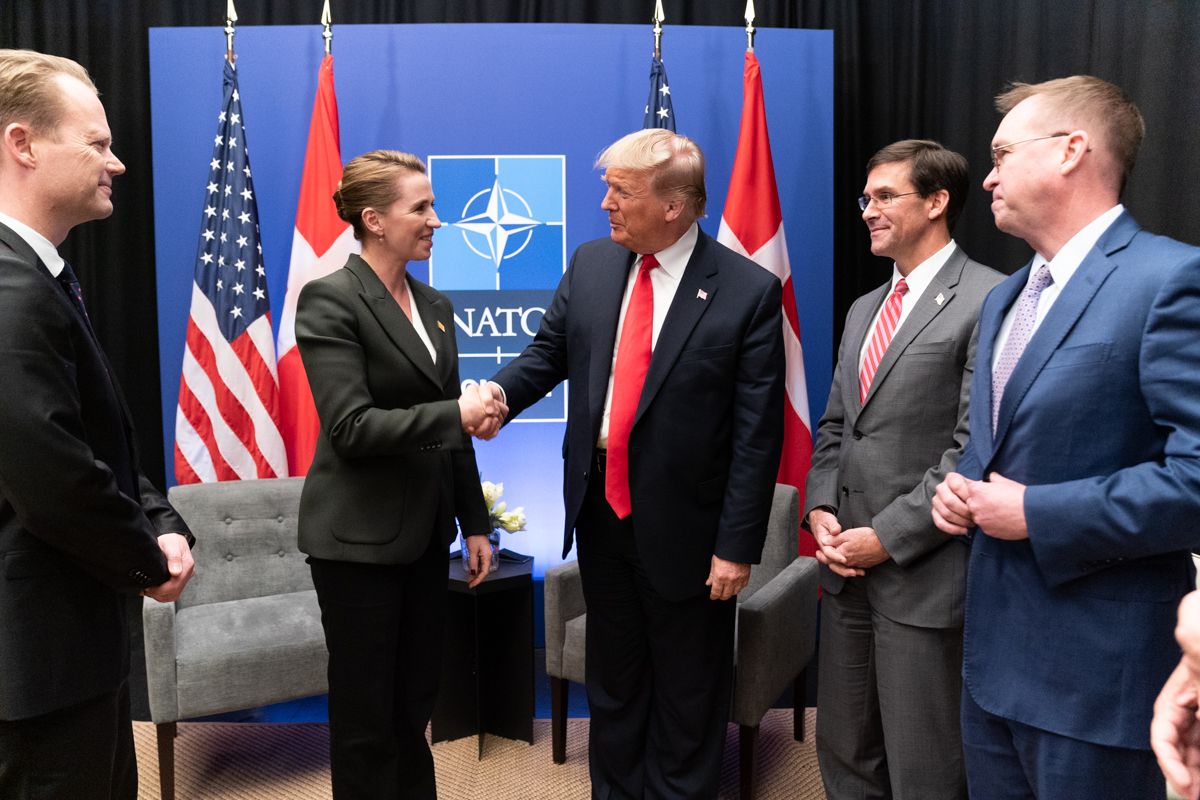
On Friday (September 17) evening, the US President Donald Trump announced that an agreement had been reached with Denmark over Greenland. However, instead of gaining the island, he is content with a security deal that becomes part of the broader NATO security framework for the Arctic region. In his Truth Social post, Trump said the US had secured "permanent control over security, and all other needs, in Greenland," an arrangement of "infinite life" that would allow Washington to set up military bases on the island. Besides, no other non-NATO country could set up bases or make sensitive investments without American approval—all at no cost to the United States.
Annexation to deal
From the start of his second term, Trump demanded that Denmark hand over Greenland to the US because it was essential to US national security. He argued that Washington must acquire the island either by purchase or any other means. He refused to rule out force, linked the issue to broader NATO commitments, and framed control of Greenland as a strategic imperative against Russia and China. Trump’s overt efforts faced derision from Denmark and other European countries. Danish Prime Minister Mette Frederiksen rejected the idea outright, insisting the territory was not for sale and that any change in status would violate sovereignty and Greenlanders' right to self-determination. However, Trump has finally reached an agreement with Denmark and Greenland that doesn’t include ownership of the island.
The agreement
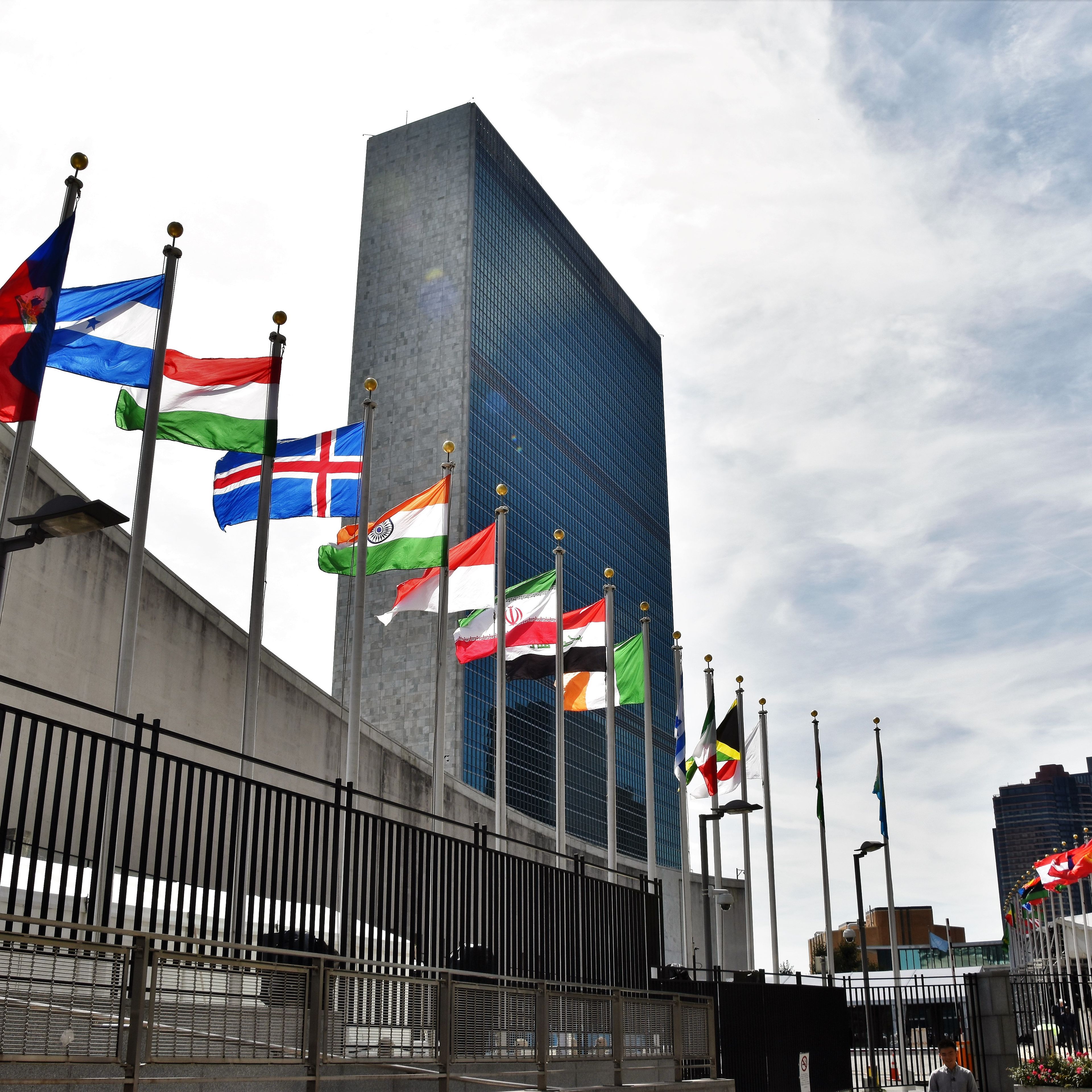
According to statements from Prime Minister Frederiksen and Greenland's Premier Jens-Frederik Nielsen, the three parties are going to sign the agreement next week on the sidelines of the United Nations General Assembly. The pact strengthens Arctic and North Atlantic security, expands longstanding U.S. military access and basing rights, and includes mechanisms to screen foreign investments and exclude non-NATO countries from military footholds. Frederiksen stressed that the agreement "recognises the sovereignty and territorial integrity of the Kingdom and the right of the Greenlandic people to self-determination." Nielsen said it recognizes Greenland's interests and place in international cooperation and benefits all parties. The text still requires parliamentary approval in both Denmark and Greenland before it takes effect.
1951 foundation
In practical terms, the US has gained a formalised and expanded American military footprint on the island - building on the 1951 Cold War-era defence arrangement that already granted the United States significant access—and a clearer ability to keep Russia and China at bay. The island remains part of the Danish realm. Greenlanders retain the right to determine their political future. No purchase, annexation, or change of sovereignty is contemplated.
Victory or retreat?
While Trump described the agreement as a great victory, many don’t think so. Torsten Jansen, USA commentator of Danish channel TV 2, noted that much of what Trump highlighted -- expanded basing rights and restrictions on adversarial presence -- could largely have been achieved under the existing 1951 defense agreement between the United States and Denmark. Jansen described the outcome as a "spectacular defeat" for Trump's original ambitions of acquiring the island.
Jacob Heinen Jensen, USA correspondent of Danish daily Berlingske, similarly observed that the deal falls well short of Trump's stated goal of ownership and does not cross Danish red lines on sovereignty. DR political analyst Jens Ringberg called the fact that all three parties could agree on a framework "historic," given the pressure of recent months.