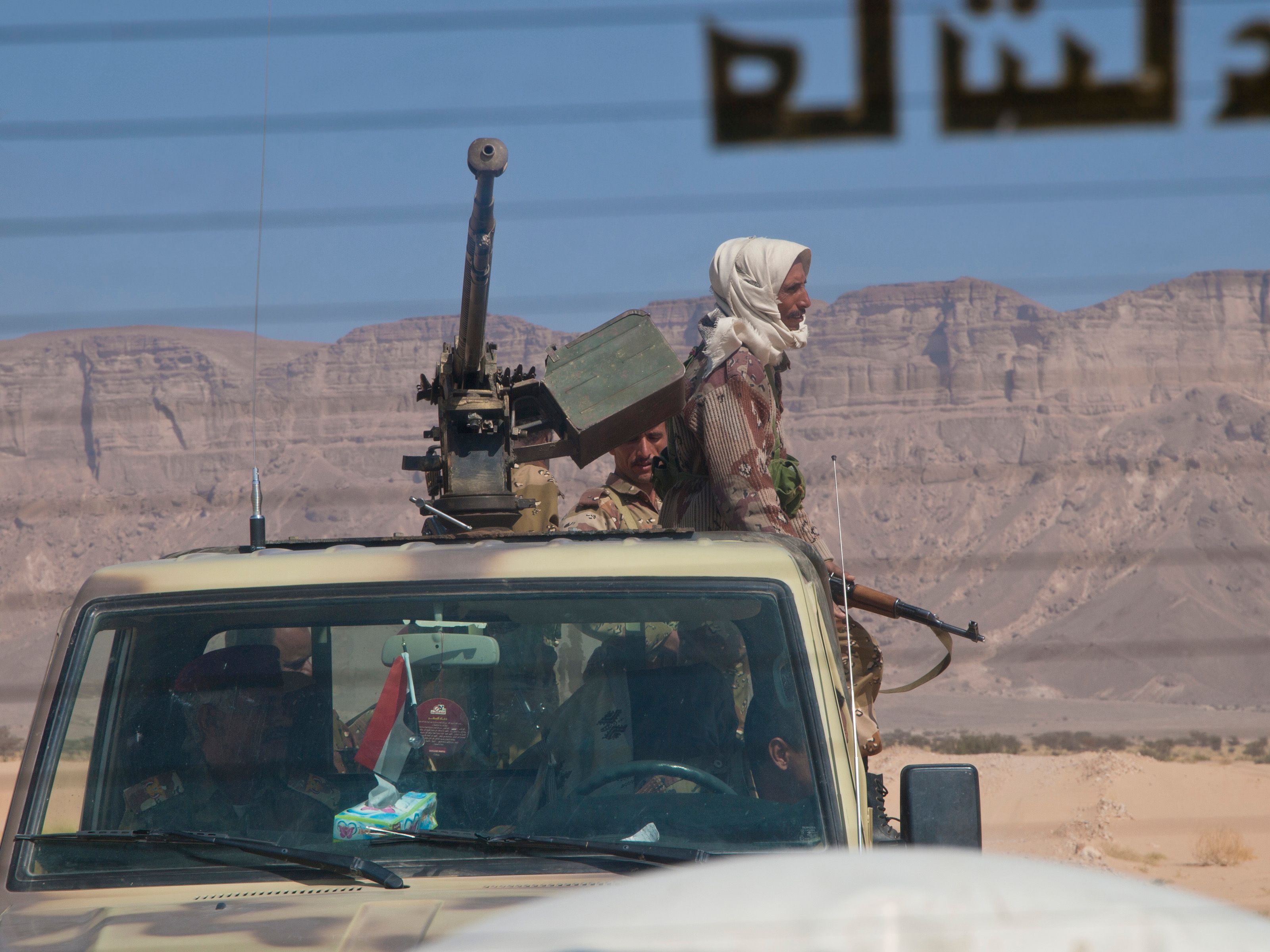
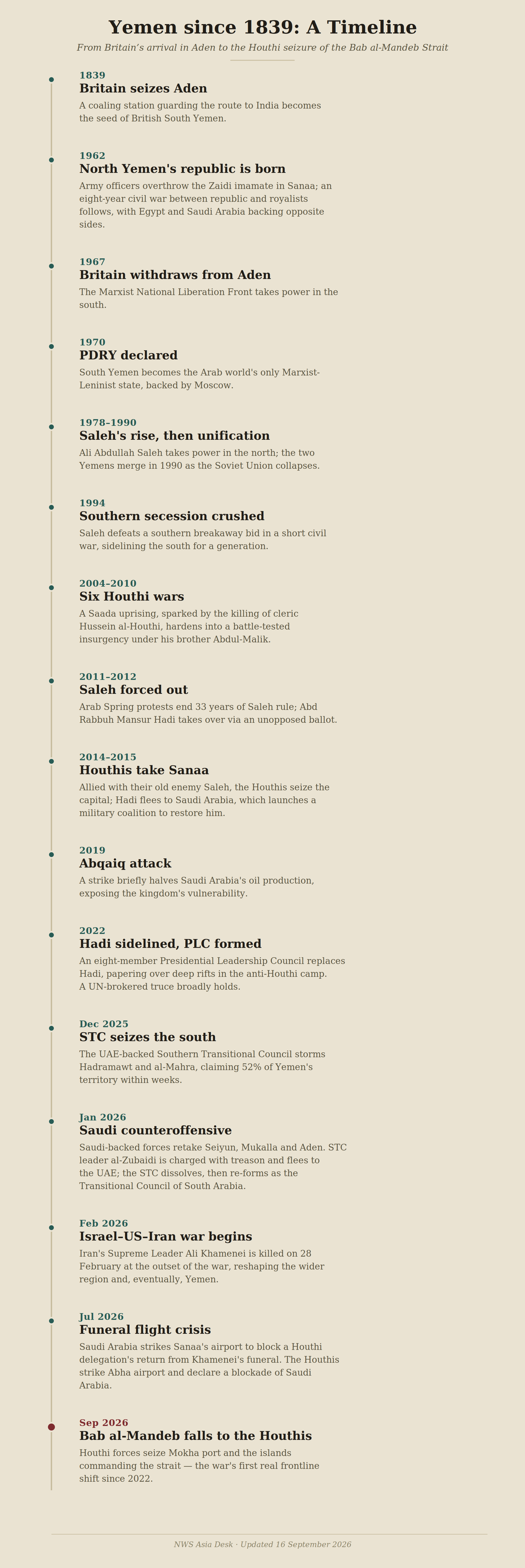
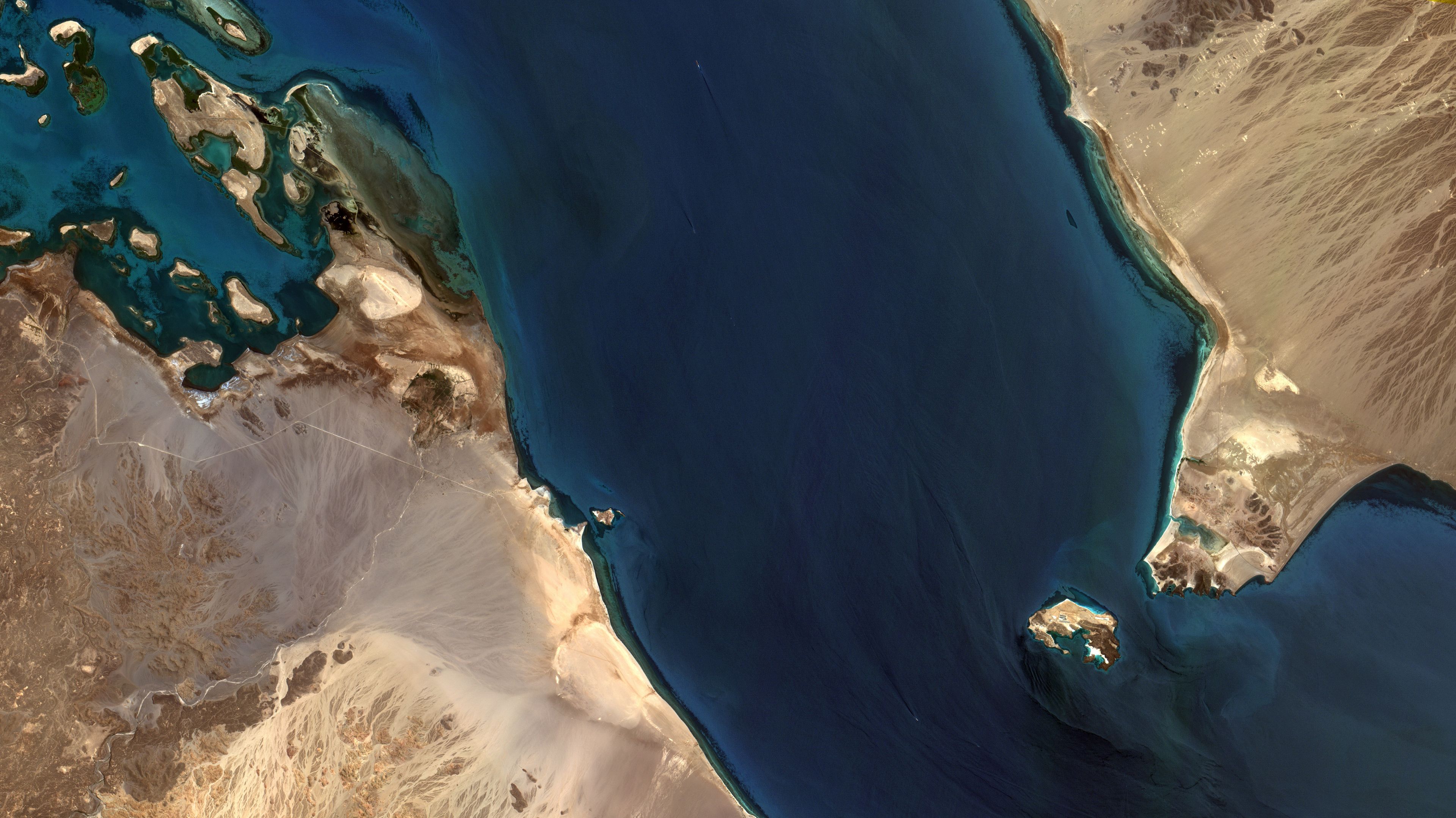
In September, Houthi forces seized a string of ports and islands along the Bab al-Mandeb Strait – the narrow waterway through which a large share of the world’s oil tankers pass en route to the Suez Canal. It was the first real shift in frontline control anywhere in Yemen since a ceasefire froze the war in 2022. It followed a Houthi naval and air blockade declared against Saudi Arabia in July, missile and drone strikes on Saudi targets, and a Saudi-led maritime response.
Barely three months earlier, in January 2026, Saudi Arabia had been fighting a different battle entirely – bombing a former ally, the Southern Transitional Council, after the latter seized more than half the country’s territory in a matter of weeks. Why is Saudi Arabia backing a “Yemeni government” that has never faced a genuine election, and why is it now bombing the same Houthis it once fought alongside against a common rival?
Two Yemens
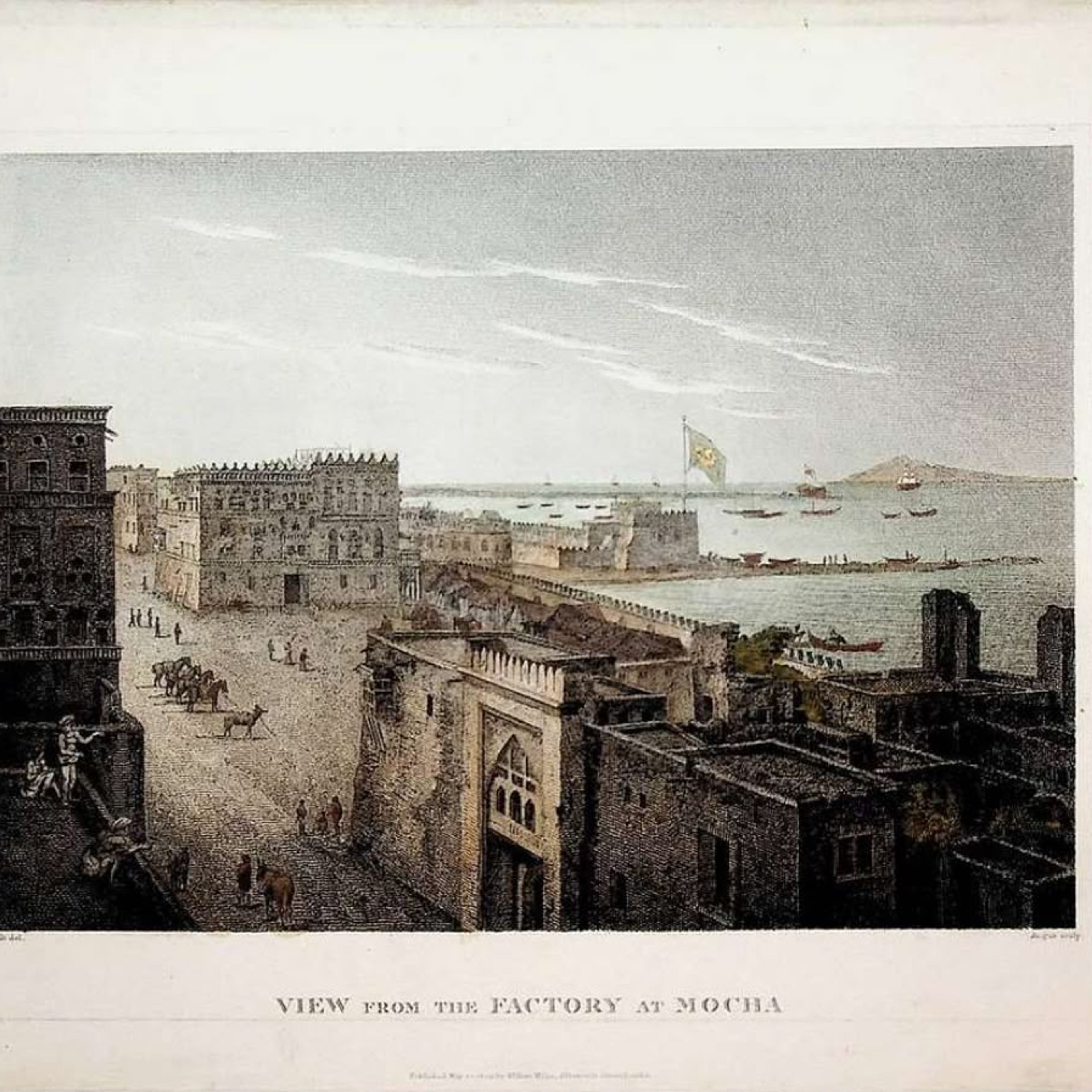
Before it was one country, Yemen existed as two territories with almost nothing in common. North Yemen was ruled for over 1,000 years by Zaidi Shia imams, a religious monarchy so isolated that it had barely any roads, schools or modern institutions by the mid-20th century. The south was a British protectorate: Britain seized Aden in 1839 as a coaling station guarding the route to India, ringed by a few protected sultanates it never fully absorbed.
Both Yemens fell apart around the same time. In 1962, army officers inspired by Gamal Abdel Nasser’s Arab nationalism stormed the palace in Sanaa, overthrew the Zaidi imamate and declared the Yemen Arab Republic. The ousted imam’s loyalists fled to the mountains and fought back, turning Yemen into a battleground for two competing visions of the Arab world. Egypt poured in tens of thousands of troops to prop up the new republic; Saudi Arabia funnelled money and weapons to the royalist tribes, terrified of a Nasserist republic on its border. The war dragged on for eight years before the royalists were defeated and the republic secured in 1970. Stability didn’t follow: the 1970s brought a string of coups and assassinated presidents before Ali Abdullah Saleh took power in 1978, after his predecessor, Ahmad al-Ghashmi, was assassinated. Saleh held on through unification in 1990 and ruled the unified Republic of Yemen until stepping down in 2012 – 33 years in power.
In the south, nationalist and Marxist guerrilla factions, chief among them the National Liberation Front, waged a bloody insurgency against British colonial rule through the 1960s. Britain, worn down and unwilling to keep paying the cost, withdrew in November 1967. The Marxist NLF took power and, within three years, had crushed its rival factions and declared the People’s Democratic Republic of Yemen (PDRY) in 1970 – the only Marxist-Leninist state the Arab world ever produced, with nationalised industry, collectivised land and a one-party government backed by the Soviet Union and Cuba.
Uneasy Unity
By 1990, both halves needed each other. The Soviet Union was collapsing, taking South Yemen’s only patron with it, and the south had weakened further after an internal power struggle within the Yemeni Socialist Party. The north, under Saleh, needed the oil discoveries near the southern border. So the two states merged – a socialist republic and a tribal state fused into one country, held together by an elite bargain between Saleh and southern leader Ali Salim al-Beidh.
Unity didn't last. Four years later, unhappy southern leaders tried to secede; Saleh crushed them militarily in a short 1994 war and never relinquished the advantage. The south was politically sidelined from then on — a wound that still bleeds today through a live secessionist movement.
Neglected North
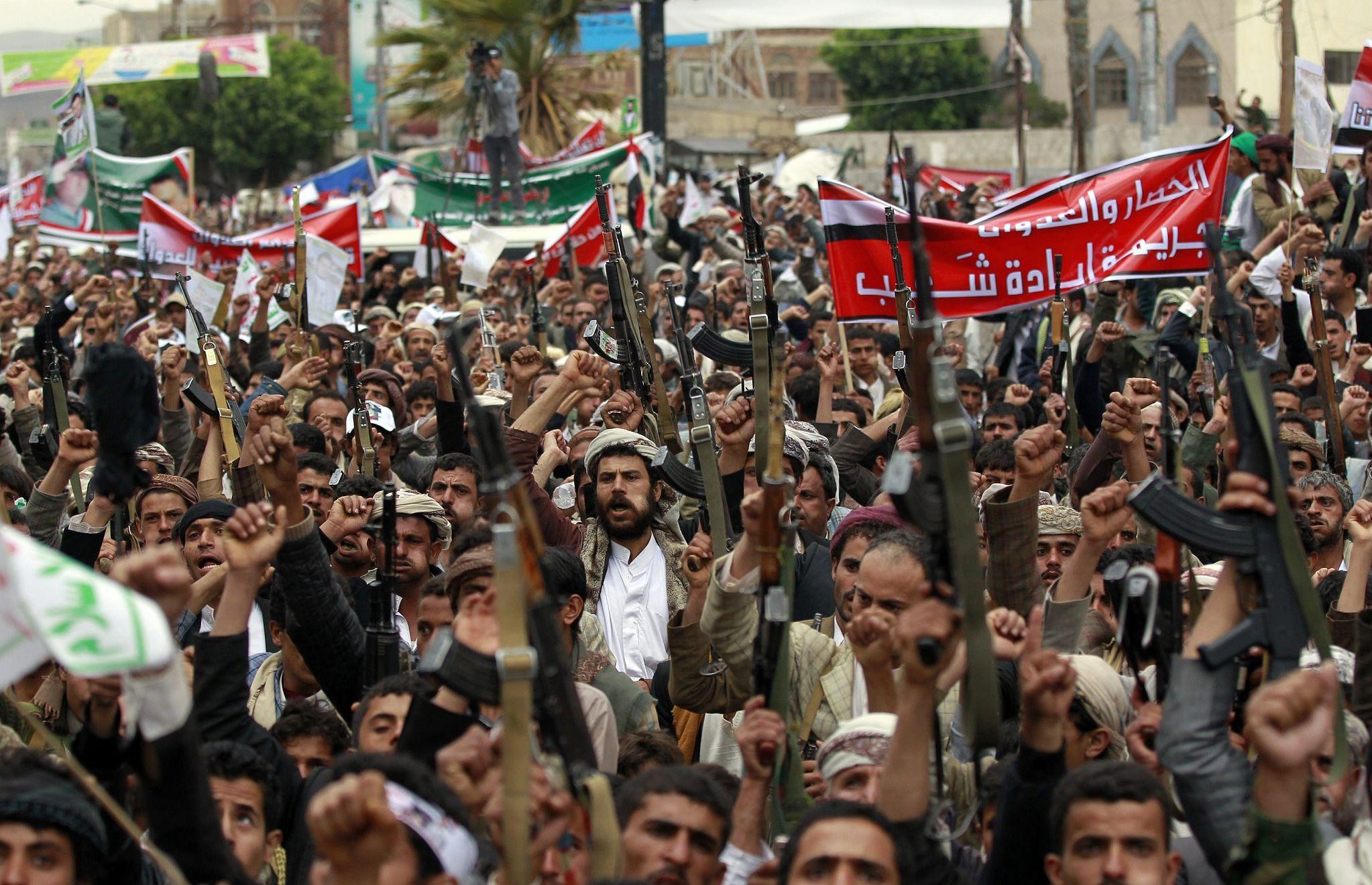
While the south simmered, a different crisis brewed in the northern province of Saada – poor, Zaidi Shia territory, ignored by Sanaa, now watched Saudi-funded Salafi preachers moving in to convert its population. A cleric named Hussein al-Houthi began organising religious study circles in response – part revivalism, part protest against Saleh’s corruption and his new alliance with Washington’s War on Terror.
Saleh saw a threat and sent the army in 2004. Hussein al-Houthi was killed. His death created a martyr and strengthened the cause. His brother, Abdul-Malik al-Houthi, took over, and Saada fought Sanaa in six separate wars between 2004 and 2010, each leaving the Houthis – officially known as Ansar Allah – more battle-hardened and more popular.
Revolution arrives
By 2011, Yemen was primed to break. Three decades of Saleh’s patronage rule, an entrenched al-Qaeda insurgency in the south and east, a restless Houthi militia in the north, and grinding poverty – all it needed was a spark. The Arab Spring provided one. Mass protests forced Saleh out under a Gulf-brokered deal. His deputy, Abd Rabbuh Mansur Hadi, took over by winning an unopposed, single-candidate ballot. The transition was supposed to produce a new constitution and genuine elections within two years. It produced neither.
Improbable alliance
What happened next surprised almost everyone. The Houthis, still nursing a decade of grievances against Sanaa, allied with the one man who had spent years trying to crush them – Saleh himself, now sidelined and vengeful toward his own successor. Together, their forces swept into Sanaa in September 2014. Hadi was placed under house arrest, escaped to Aden, and by March 2015 had fled the country entirely for Saudi Arabia. A local insurgency had just overthrown an internationally backed government by force.
Riyadh Steps in
Saudi Arabia moved fast. Within days of Hadi’s flight, it assembled a coalition with the UAE, Egypt, Bahrain, Kuwait, Qatar, Jordan, Sudan, Morocco and Pakistan and began airstrikes aimed at restoring him to power. The stated goal was simple, but the anxieties beneath it ran deep. Riyadh saw the Houthis not as a local Yemeni faction but as a foothold for Iran on its own southern border, a mirror of Hezbollah’s rise in Lebanon. It worried about the Bab al-Mandeb Strait, one of the world’s great shipping chokepoints, falling under hostile influence.
Saudi Arabia had already had bitter experience with the Houthis, who had raided Saudi border provinces starting in 2009. Tehran, meanwhile, found the Houthis useful for the opposite reason: a low-cost way to bleed its chief regional rival without direct confrontation. Weapons, missile technology and training flowed in, turning a domestic uprising into a genuine regional proxy war.
Unending war
Saudi Arabia did not expect the campaign to become a decade-long quagmire. It leaned heavily on air power, with a ground campaign that struggled to keep pace. The Houthis did not weaken as expected – their missiles and drones grew more sophisticated by the year, reaching deep into Saudi territory. Most damagingly, the Abqaiq oil facility was briefly knocked out in 2019, halving the kingdom’s oil production. Saudi-led airstrikes and a blockade, meanwhile, helped drive Yemen into one of the worst humanitarian catastrophes on earth – mass famine risk, cholera, millions displaced.
By the early 2020s, exhaustion had set in on all sides. Saudi Arabia, chasing its own economic ambitions at home, began quiet back-channel talks with the Houthis even without a final settlement. In 2022, Hadi was formally relieved of leadership and his powers transferred to a new eight-member body, the Presidential Leadership Council (PLC), assembled with backing from Saudi Arabia, the UAE and the United States to unify Yemen’s fractured anti-Houthi camp.
PLC cracks
The PLC was never a government in any ordinary sense – an appointed committee of rival factions, not a mandate from Yemeni voters. Cracks in its foundation nearly tore it apart from the start. The Southern Transitional Council (STC), a UAE-backed separatist movement nominally part of the PLC, had spent years quietly expanding its power within the council’s territory. In December 2025, it moved openly, seizing the oil-rich provinces of Hadramawt and al-Mahra and, within weeks, claiming control of roughly 52 per cent of Yemen’s landmass – nearly the entirety of what used to be South Yemen. It began talking about an independence referendum by 2028.
Saudi Arabia treated this as a red line. A rapid, Saudi-backed counteroffensive in January 2026 reversed the STC’s gains almost as fast as they had been made – retaking Seiyun and Mukalla within days, then entering Aden itself on January 7. STC leader Aidarus al-Zubaidi was charged with treason and fled to the UAE. The group announced its dissolution on January 9, though some members disputed that it was really gone. It has since resurfaced under a new name, the Transitional Council of South Arabia, and continues to hold protests.
The episode did lasting damage. Two Gulf monarchies that had spent a decade presenting themselves as partners in the same war had just fought each other by proxy inside Yemen’s borders. The UAE withdrew its remaining troops in January 2026 – though few analysts believe it has walked away for good.
Crowded field
By 2026, “the Yemeni government” and “the Houthis” were far too simple a description of who actually held power. Inside the anti-Houthi camp alone sat multiple, often rival forces: Islah, Yemen’s main Sunni Islamist party, backed by Saudi Arabia but eyed with suspicion by the UAE over alleged Muslim Brotherhood ties; the Southern Giants Brigades and other Saudi-aligned militias; the Hadramawt Tribal Alliance, a Saudi-backed tribal force that fought the STC directly over control of its home province; and the remnants of the STC itself, still active under its new name. Off to the side, in Yemen’s ungoverned pockets, al-Qaeda in the Arabian Peninsula persisted as it always had – holding no fixed territory but exploiting every fresh round of chaos to keep a foothold in the south and east.
Fragile present
The frozen war reignited in 2026 against the backdrop of a far larger regional rupture. Since February 2026, Israel and the United States have been at war with Iran – a conflict that killed Iran's Supreme Leader, Ali Khamenei, on February 28, drew in Tehran’s regional allies including the Houthis, and saw Iran blockade the Strait of Hormuz, one of the world’s other great oil chokepoints. It was, fittingly, Khamenei’s funeral that lit the fuse in Yemen.
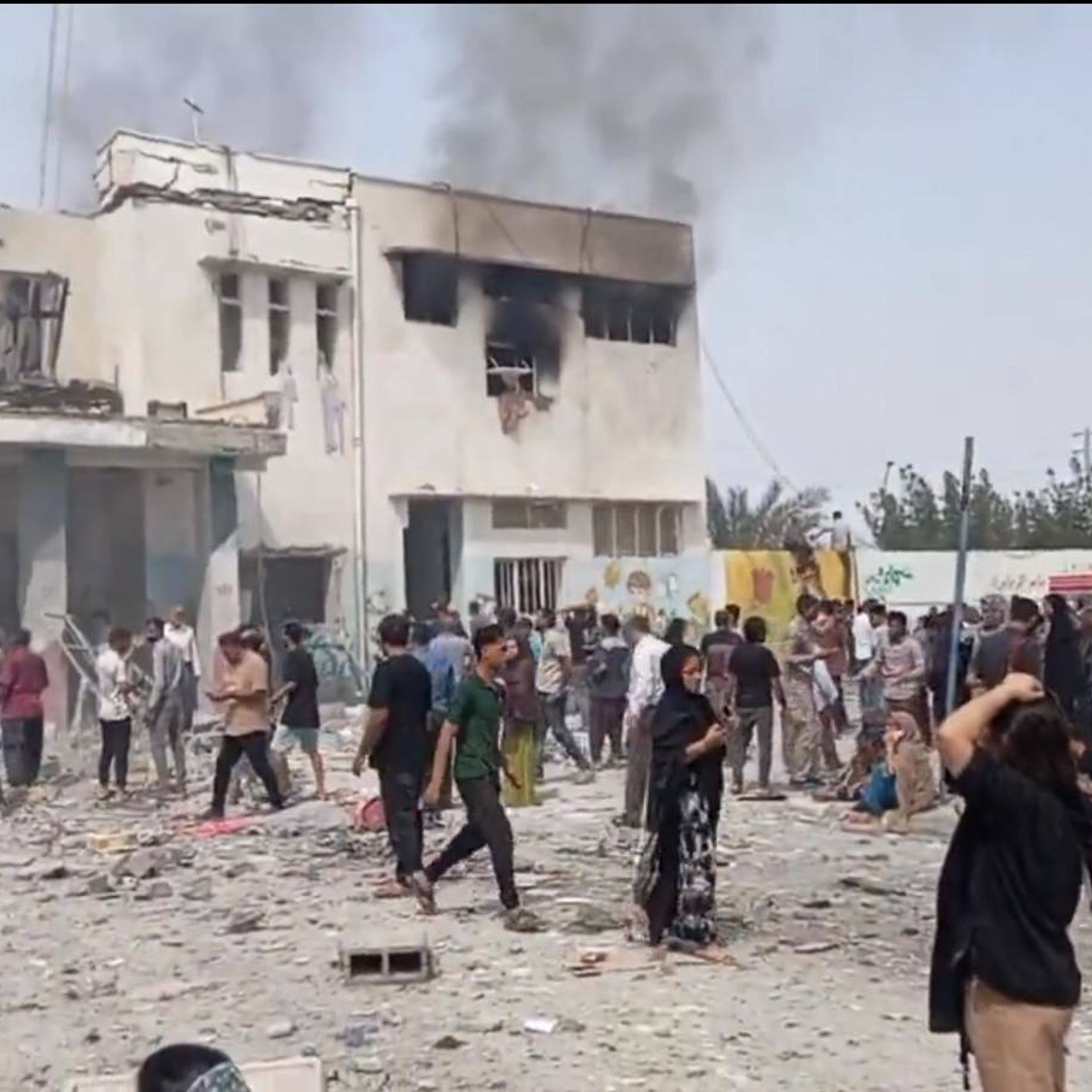
A Houthi delegation flew to Tehran for the funeral in July, aboard an Iranian Mahan Air jet – the first direct Tehran-Sanaa flight in over a decade. The Saudi-backed Yemeni government did not approve, proposing instead to fly the delegation home on Yemenia Airways, an offer the Houthis rejected as a matter of their own sovereign control over the airport. When the Iranian aircraft tried to fly the delegation back into Sanaa on July 13, Saudi Arabia struck the airport’s runway to block the landing, forcing the plane to divert to the Houthi-held port city of Hodeidah.
The Houthis retaliated within hours, firing missiles and drones at Abha International Airport in southern Saudi Arabia and declaring the four-year de-escalation with Riyadh over. By July’s end they had announced a naval and air blockade of their own against Saudi Arabia, alongside further drone and missile strikes. Riyadh responded with a maritime coalition and its own airstrikes.
By September, the fighting had produced the first real shift in frontline control in four years: the Houthis seized strategic ports and islands in the Bab al-Mandeb Strait itself – the very chokepoint Saudi Arabia went to war in 2015 to keep out of hostile hands. Analysts see the Houthis exploiting a moment of genuine Saudi weakness, compounded by Iran’s blockade of Hormuz elsewhere in the region.
Today, the Houthis hold Sanaa and most of the north, along with the majority of the population, and are pushing outward toward the coast. The PLC holds the internationally recognised government’s seat at the UN but commands only fragile, contested authority over a south still haunted by its own separatist movement. A network of tribal militias, Islamist parties and jihadist remnants fills the gaps between them. More than a decade into the war, neither side looks any closer to claiming the whole country back.