Iran’s security chief has laid out Tehran’s latest terms for ending its war with the United States, warning that Iran is now “more battle-hardened” than at any point since fighting began, as oil prices climb past $100 a barrel amid escalating attacks in the Strait of Hormuz.
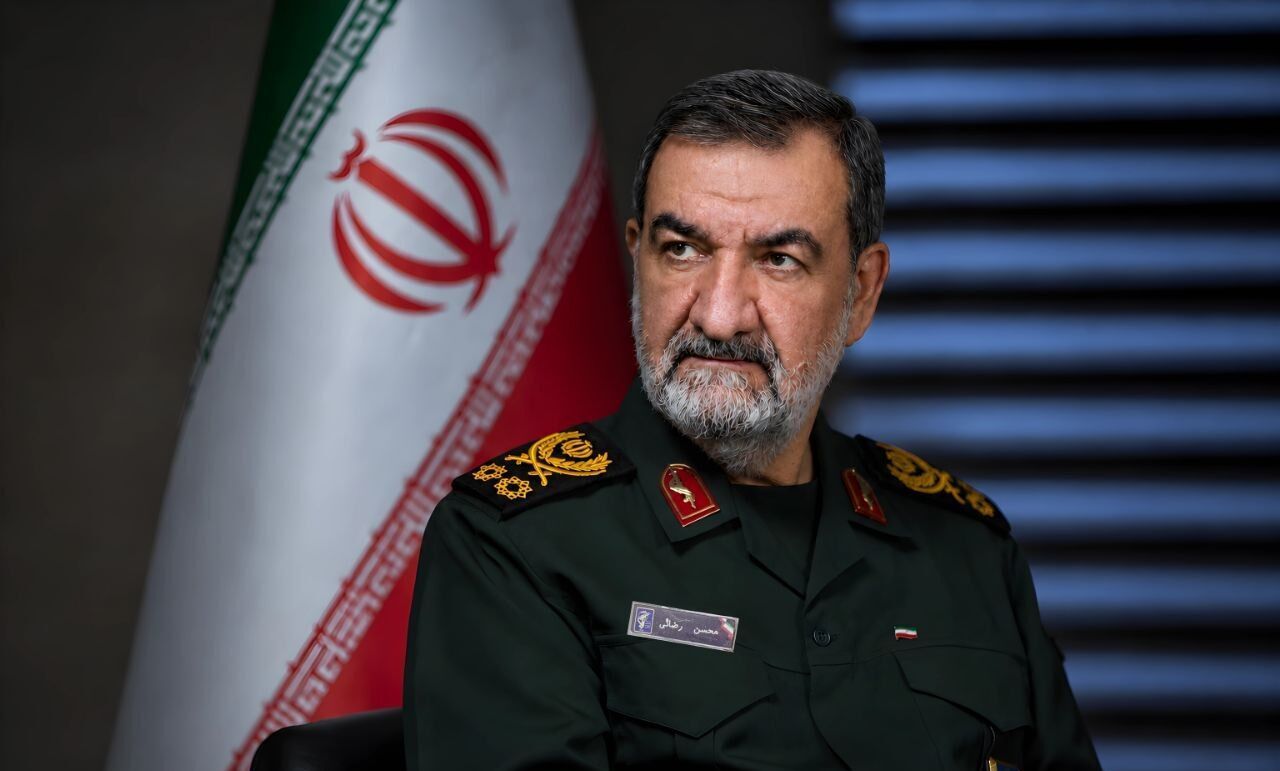
Mohsen Rezaei, secretary of Iran’s Supreme National Security Council, told Al Jazeera in an exclusive interview broadcast on Saturday (September 19) that Tehran has conveyed its conditions to Washington through Qatari mediators and is now awaiting a response from US President Donald Trump.
“We will confront America with greater force, and with more numerous and more painful strikes,” Rezaei said, according to the interview reported by Al Jazeera.
Six conditions, one message
Rezaei set out six public conditions for ending the war: an end to fighting on all fronts, “including, in particular, Lebanon"; the release of billions of dollars in Iranian funds frozen abroad; an end to the US naval blockade of Iranian ports; a halt to what Tehran calls American interference in its internal affairs; an end to US cooperation with “the opponents of our revolution”; and a stop to all US attacks on Iranian territory.
“It is in Washington’s interest to accept these conditions. Trump’s threats will not achieve any results. We are prepared for a decisive war,” he added.
Al Jazeera’s Tohid Asadi, reporting from Tehran, described Rezaei’s remarks as part of the “two-sided, twofold message” that Iran has maintained throughout the conflict, combining openness to diplomacy with continued preparations for war.
A stalled ceasefire and a widening war
The interview comes five months after a US-Israeli campaign against Iran began in late February. A memorandum of understanding signed by the two sides on June 17 expired last month, and since then attacks have intensified, particularly around the Strait of Hormuz, which Iran has effectively closed while the US maintains a naval blockade of southern Iranian ports. The resulting disruption to tanker traffic, compounded by Ansar Allah’s (Houthis) control of the Red Sea shipping route, has pushed oil prices above $100 a barrel for the first time in years.
Rezaei’s conditions largely echo those that Tehran demanded under the June deal, which also called for an end to fighting in Lebanon, mutual non-interference and the release of frozen funds, alongside a $300bn US-backed reconstruction package and Iranian commitments not to pursue nuclear weapons. Notably, Rezaei did not repeat Iran’s earlier demand for war reparations from Washington.
However, Adel Abdel Ghafar, a senior fellow at the Australian Strategic Policy Institute, told Al Jazeera that what has changed is not the substance of Iran’s demands but the timing and channel. “Iran is putting the onus back on Washington and doing it publicly, for maximum effect,” he said, adding that Tehran appears to be “betting” on war fatigue and November’s US midterm elections shifting the political calculus in its favour.
Rezaei also rejected US accusations that Iran breached the June memorandum by striking a tanker in the Strait of Hormuz, arguing Tehran had acted only after American strikes on Bandar Abbas. On the nuclear file, he said Iran had considered withdrawing from the Non-Proliferation Treaty after coming under attack but had not done so, while cautioning that “we do not know what will happen in the future.” He also denied any Iranian role in the intensifying Yemen conflict, offering Tehran's mediation instead.
Rob Geist Pinfold, a lecturer at King’s College London, suggested that Trump may take the conditions seriously given his desire to end the war before the midterms, though “significant substantive gaps” remain. David Des Roches, a former Pentagon director of Arabian Peninsula affairs, was more sceptical, saying Washington would “at first glance, probably” view the terms as tantamount to surrender.
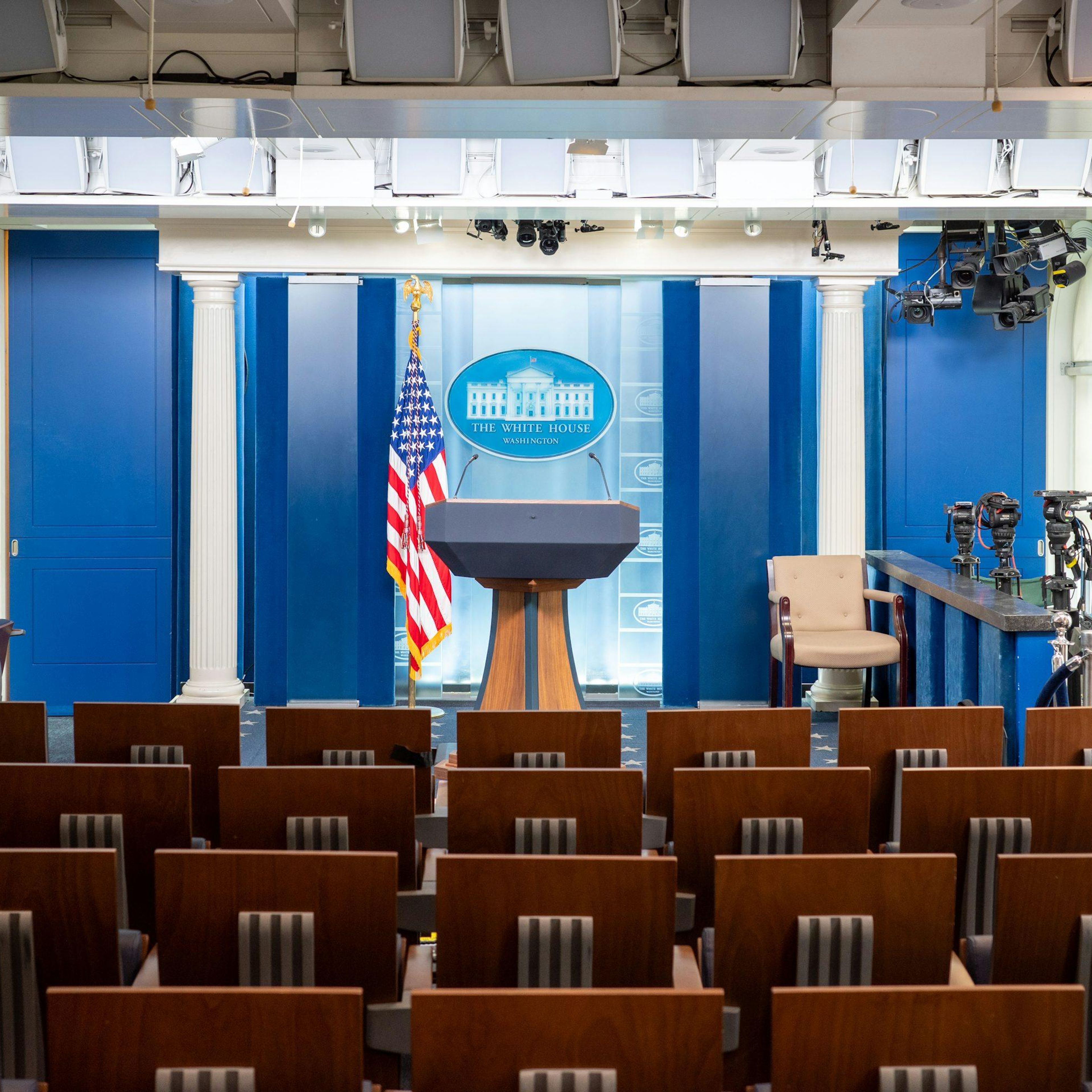
Washington had not formally responded to Iran’s conditions at the time of writing. The US State Department on Saturday warned American citizens across the Gulf and Levant to exercise “heightened vigilance”, while Trump cut short a weekend trip to Camp David and returned to the White House without explanation.