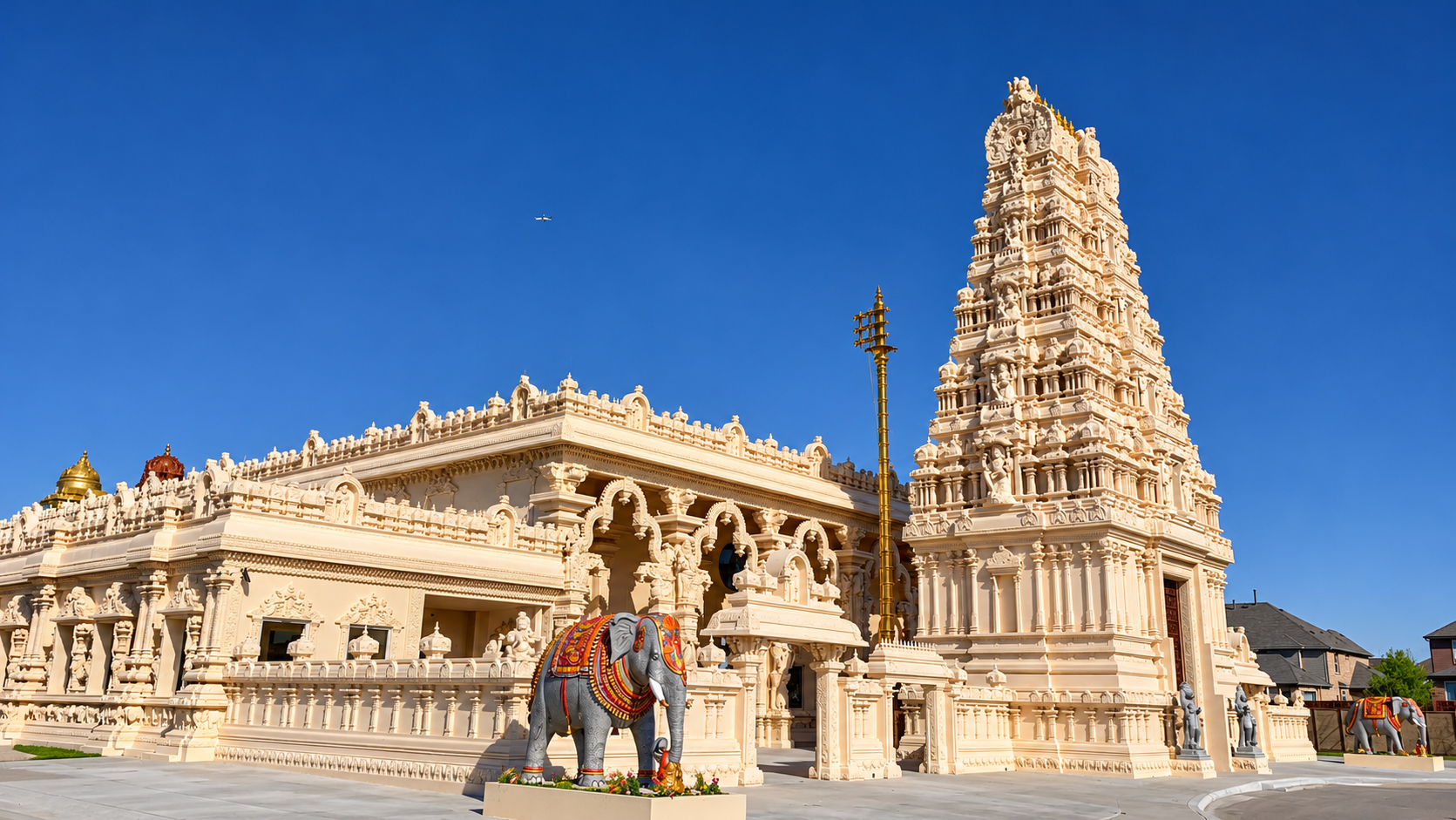
A 90-foot statue of Hanuman, the Hindu deity of courage, rises over a temple in Sugar Land, a prosperous suburb of Houston. HuffPost describes it as the fourth-tallest statue in the United States. To some on the American right, it has become a symbol of a country being remade by immigrants. To the people who worship beneath it, it is a mark of belonging.
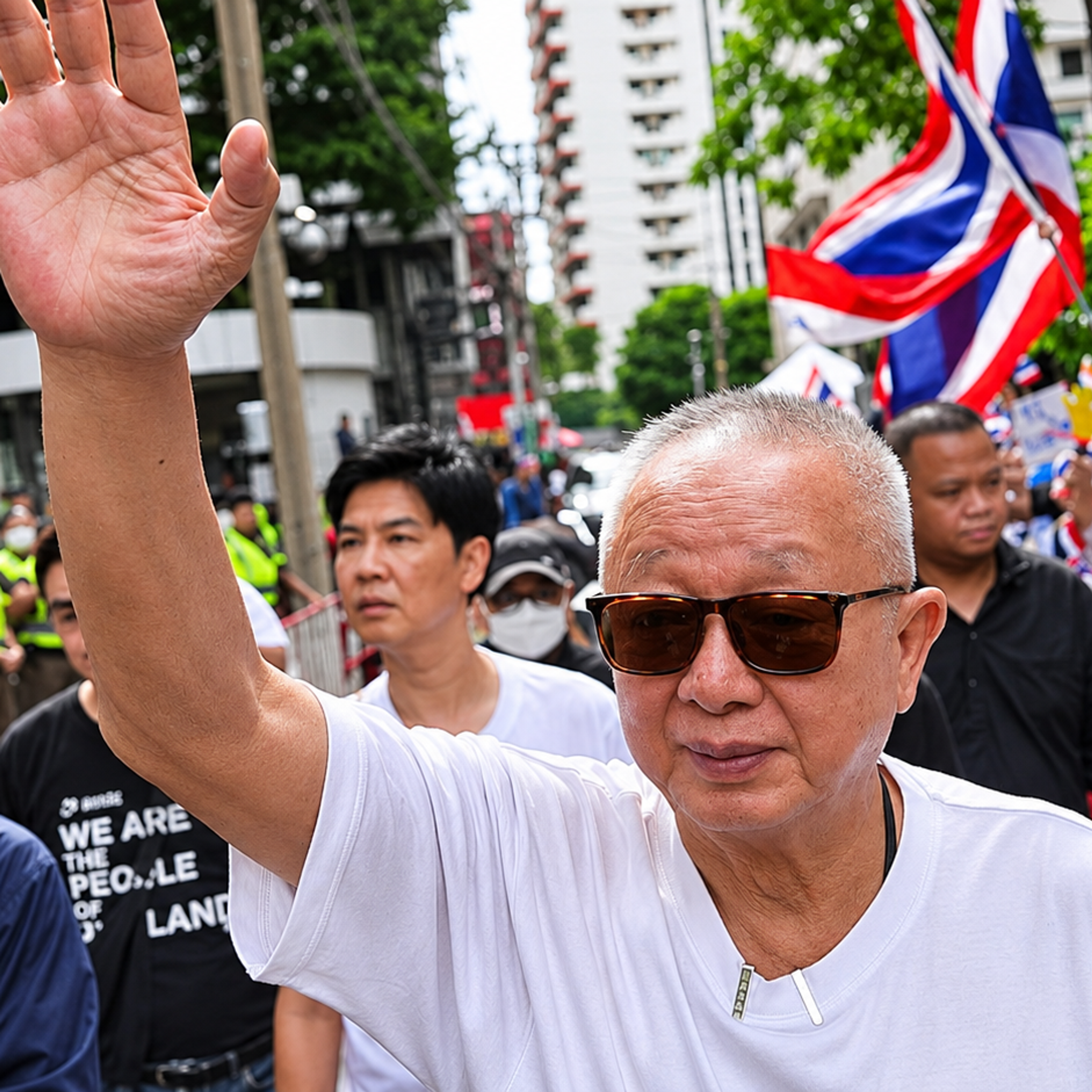
That gap between how South Asian Americans see themselves and how they are increasingly seen from the right is shaping how many will vote in Tuesday’s midterm elections. The community’s top concerns are the ones shared by most voters: the cost of living and healthcare. But organisers, candidates and voters across the country describe a second worry running along with them, which is the sense of being treated as outsiders in the country they have built lives in.
A courtship that soured
South Asians, and Indian Americans in particular, are among America’s best-educated and most prosperous immigrant groups, and for years Republicans saw an opening. The community has historically leaned Democratic, with 68 per cent of Indian American registered voters identifying as Democrats or leaning that way in a 2023 Pew survey. But Donald Trump gained five points among Asian American voters between 2020 and 2024, according to exit polls.
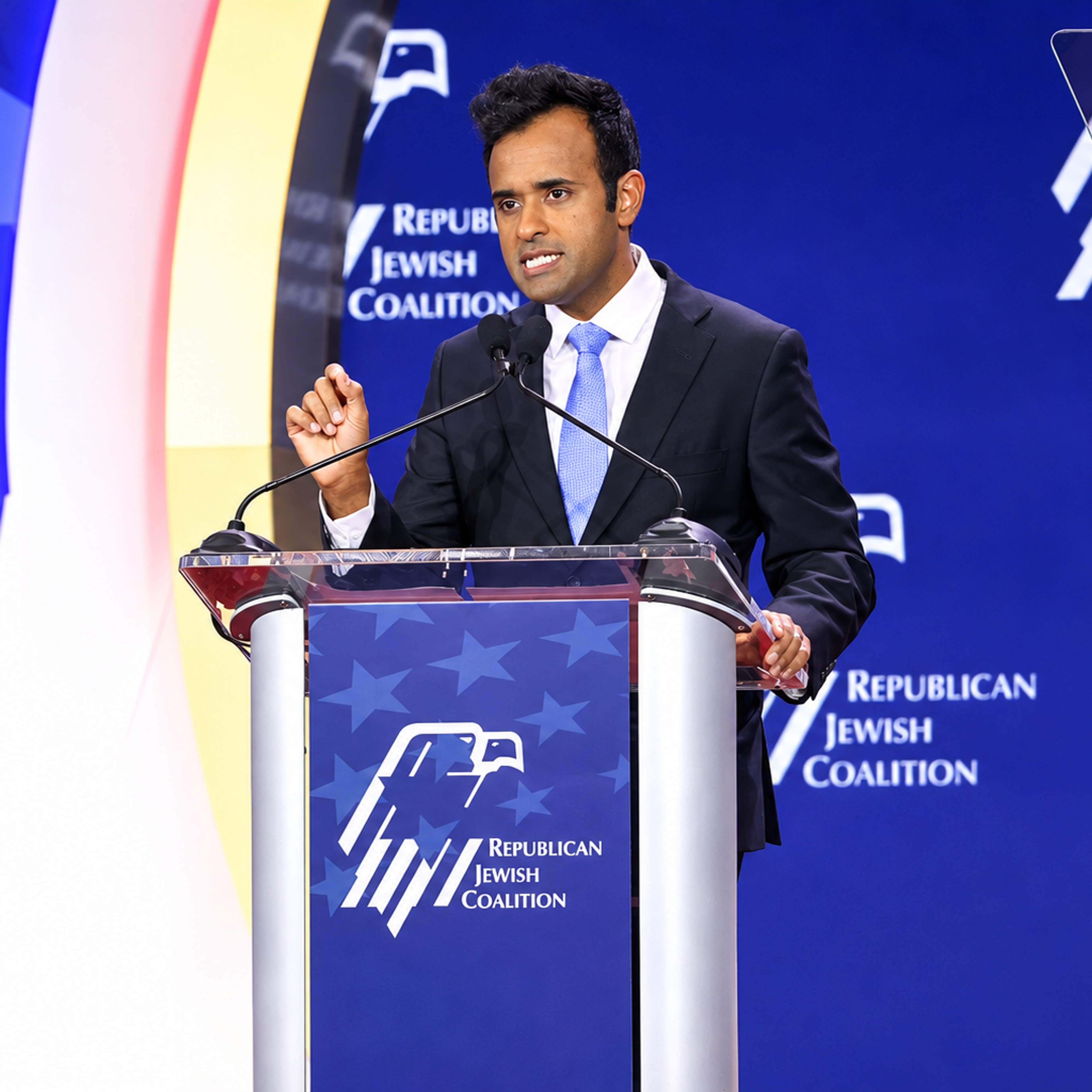
Since his return to the White House, the mood on the right has hardened. NPR’s Texas stations reported a surge of online hostility towards Indian immigrants, who are cast as job-stealers, with the H-1B skilled-worker visa a favourite target. The conservative commentator Chris Rufo hosted a podcast episode titled “The Indian Question”. Vice-President JD Vance said this month that H-1B visas should be eliminated altogether. In Ohio, the Republican gubernatorial candidate Vivek Ramaswamy has faced conservative scepticism over his ancestry and Hindu faith.
The hostility is not merely online. A Sikh truck driver was stabbed 17 times at a highway rest stop in Wyoming in September, amidst a federal crackdown on immigrant truckers that singled out Sikhs. This month, police in Illinois foiled a planned mass shooting at a Hindu temple after a colleague of the suspect reported a plan to “kill Indian people”. A September report from Stop AAPI Hate found that anti-South Asian slurs in monitored online spaces more than doubled between January 2023 and the end of 2025.
Chintan Patel, executive director of Indian American Impact, an advocacy group, said the temple plot showed how serious things had become. “We could have been talking about a massive tragedy,” he said. His group’s poll found that a quarter of Indian Americans who backed Trump in 2024 plan to vote Democratic this time, and that Democrats lead among likely voters in the community. The poll was commissioned by an advocacy group, and Patel described many voters as having buyer’s remorse.
A case study: Texas
Nowhere is the tension clearer than in Texas, home to more than 450,000 Indian Americans, almost double the 2010 figure. Last month Bo French, the Republican candidate for the state’s Railroad Commission, posted a photograph of South Asian students at a University of Texas football game and suggested it showed Americans being displaced.
Rishi Bhutada, a Houston businessman and Hindu American Foundation board member, said earlier hostility had felt like an online fringe phenomenon until the French post changed the conversation. Some people, he said, were planning to vote Democratic down the ballot to send a message. Judge Manpreet Monica Singh, Texas’s first Sikh jurist, said that conservative members of her community were asking themselves what they had been backing.
For some, the break is personal. Vasant Bhatt, a 21-year-old University of Houston student, interned for Senator Ted Cruz. When he announced he would back the Democrat James Talarico for the Senate, a conservative streamer called him a “parasite”. “I’m asking myself why I was working so hard to defend a political party,” he said, adding that he had felt increasingly compelled to defend his own place within it.
A survey of about 1,000 South Asian Texans by the SAAVETX Education Fund and the University of California, San Diego, suggests that the mood is widespread. Well over half reported experiencing hate in the past year, and most said they had heard South Asians or immigrants described as “invaders” or “outsiders”. A large majority said that they would be more likely to back a candidate who speaks out against discrimination. “Our community is tired of being treated as outsiders and used as political pawns,” said Chanda Parbhoo, the group's founder.
Where the midterms stand
The wider contest leans towards the Democrats, but with caveats. A new NBC News poll of 1,000 registered voters, taken from October 28 to 30, shows them ahead of Republicans by 52 per cent to 45 per cent in the fight for Congress, including a 21-point lead among independents. The margin of error is 3.1 points. Trump’s approval stands at 40 per cent and disapproval at 60 per cent, the worst of his two terms in NBC’s polling. Nearly two-thirds of voters want a change of direction, half of them “a great deal”, and for the first time in 30 years of NBC polling, more voters are dissatisfied with their finances than satisfied.
The president’s coalition is fraying at the edges. His net approval has fallen among white voters without degrees, young voters and Latino voters, and one in five Republicans who do not identify with MAGA prefer Democratic control. Yet the lead is a reluctant one. Just 29 per cent of voters view the Democratic Party favourably, against 38 per cent for the Republicans. Bill McInturff, the Republican pollster who helped run the survey, said Democrats were “in total control of the 2026 issue agenda”. The map also helps Republicans, because the fight for Congress runs through territory Trump won in 2024. New York Times/Siena polls put Democrats ahead in Texas, Michigan, Kansas, Maine and Ohio.
A community up for grabs
Against such a backdrop for South Asian voters, whose numbers are small nationally but concentrated in places that matter, the US midterms may be the first place which they could use to send a strong message against racism. Significant Indian American populations in New Jersey’s 7th and Pennsylvania’s 1st districts, both Democratic targets, and in the swing states of Georgia and Michigan.
The community is not of one mind, and some remain loyal Republicans. Parbhoo has called South Asian voters “up for grabs”, and Republicans may yet win some back. But if even a modest share has moved, the shift will owe less to the price of groceries than to a simpler question that many South Asian Americans, from Sugar Land to the suburbs of New Jersey, are asking themselves: who, in the end, is welcome here?