A rare strain with no approved vaccine or treatment has spread to eight provinces and four African countries, with a Swiss-linked case in Nigeria and travel bans now reaching Kenya.
More than 5,000 people have died in the Democratic Republic of the Congo’s Ebola outbreak, government data show. It is the country’s deadliest outbreak on record, and authorities have yet to find a way to control it. The disease is moving faster than health workers can track it. It has crossed borders and reached West Africa, and health teams are being attacked at many places.
Ministry of Public Health figures released on Tuesday put confirmed cases at 10,060 and deaths at 4,887, so nearly half of confirmed patients have died. The outbreak was declared on May 15. It is the DRC’s fastest-growing Ebola outbreak, and it is the second-largest ever recorded. Only the 2014-2016 West African epidemic was bigger, with more than 28,600 infections and more than 11,000 deaths across Guinea, Liberia and Sierra Leone.
A rare strain, and no approved defence
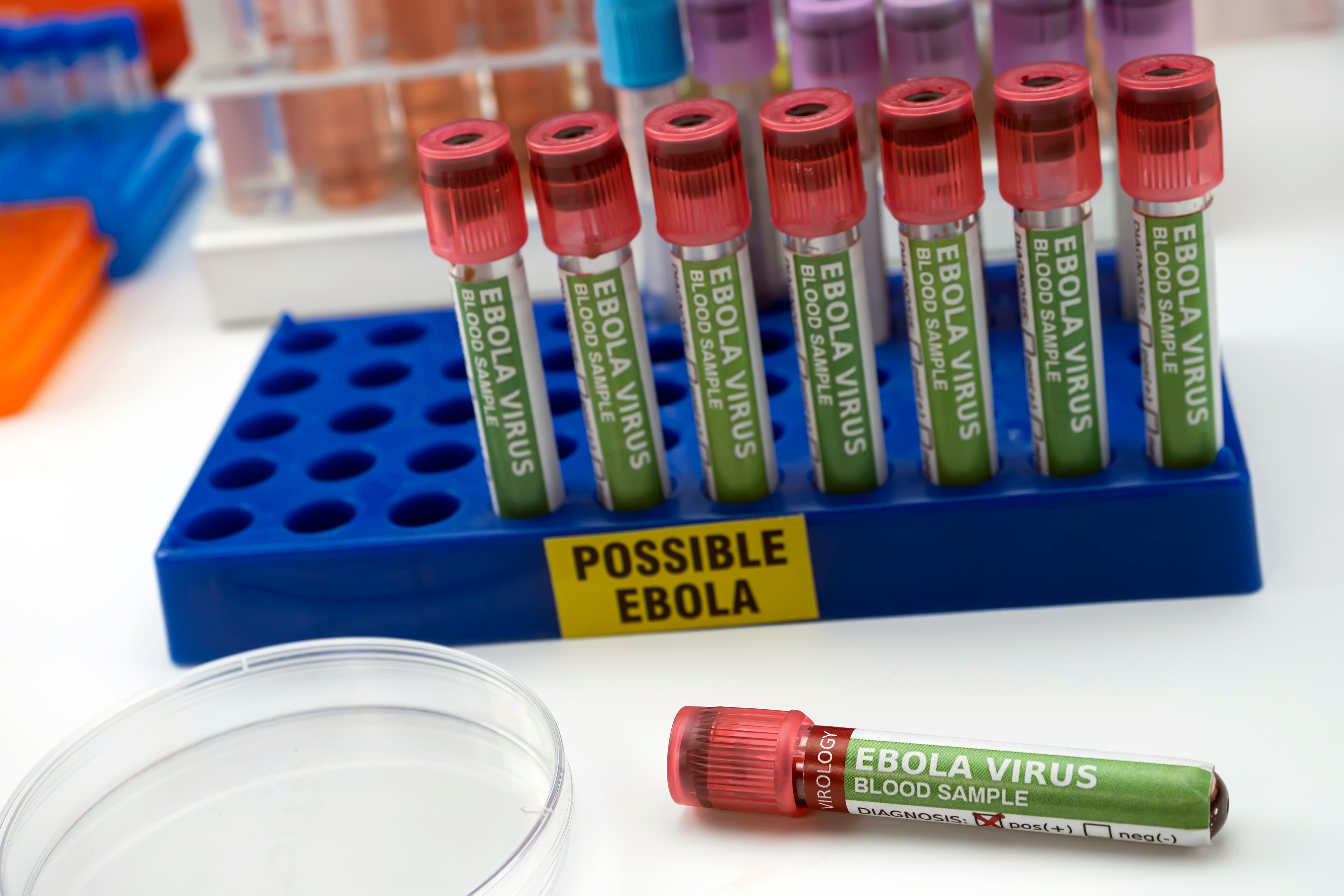
Ebola is a severe viral disease that is often fatal. It is generally spread through direct contact with the blood or other bodily fluids of a sick person, or of someone who has died from it. This outbreak is caused by the Bundibugyo strain, one of several types of Ebola virus. It has caused only two earlier outbreaks, in Uganda in 2007 and in the DRC in 2012. Both were small, and estimates of how many patients died range from about 30 per cent to 50 per cent.
Unlike the better-known Zaire strain, Bundibugyo has no approved vaccine or treatment. The World Health Organization (WHO) responded to the outbreak by declaring a public health emergency of international concern, something that is being seen as its second-highest alert level.
Last week the WHO announced the first vaccine trial of this outbreak, in Bunia, the capital of the north-eastern province of Ituri and the epicentre. It uses Ervebo, a vaccine approved against the Zaire strain, to test whether it offers any protection against Bundibugyo. The trial will use “ring vaccination”, which means immunising the contacts of infected people who are at highest risk. Two vaccines designed specifically for Bundibugyo, from the University of Oxford and the US firm Moderna, are expected to join shortly. Tedros Adhanom Ghebreyesus, the WHO’s director-general, said the trial would show whether the candidates work.
Why containment is failing
Delayed detection, conflict and overstretched health services have all helped the virus spread. Cases have been recorded in 66 health zones across eight of the DRC’s 26 provinces, up from three zones in the first days.
About 80 per cent of new cases are appearing outside the chains of transmission that health teams are tracking. The Africa Centres for Disease Control and Prevention (Africa CDC) says at least 95 per cent of cases must come from known contacts before an outbreak can be considered under control.
Responders say some treatment centres are overwhelmed, while remote areas lack supplies and staff. Many teams lack vehicles, and they struggle to persuade families to hand over the sick for treatment and the dead for safe burial. At least half of those who have died were never admitted for treatment. Responders have also gone on strike over unpaid wages and bonuses, including in Nia Nia in Ituri.
The outbreak has also disrupted routine care such as childhood vaccinations, and maternal deaths have doubled in some provinces. Public mistrust has turned violent. On October 24 attackers killed a nurse and seriously injured a colleague who were responding to a suspected case in Bafwasende, in Tshopo province. Last month a local politician, Marie-Celestin Karondwa, was beaten to death after defending the response on the radio, his party said.
A virus that has crossed borders
The WHO says this is the widest geographic spread of any Ebola outbreak in Africa. Uganda recorded 20 cases, mostly imported from the DRC, and two deaths over the summer, and officials say it has no active infections now. It has ordered citizens returning from the DRC to quarantine for 21 days at their own expense. NWS had also reported on Kenya’s nine confirmed cases, two of them fatal.
Last week Nigeria became the fourth African country affected after a woman married to a Swiss diplomat was diagnosed there. Swiss authorities say she was infected during a September visit to Uganda. She was flown to Switzerland for treatment on Monday.
Governments are responding with travel curbs. On Friday, Saudi Arabia suspended travel to and entry from Kenya, including for people who passed through third countries after staying in Kenya or another Ebola-affected country in the previous 21 days. It has barred travel to and from the DRC, Uganda and South Sudan since June.