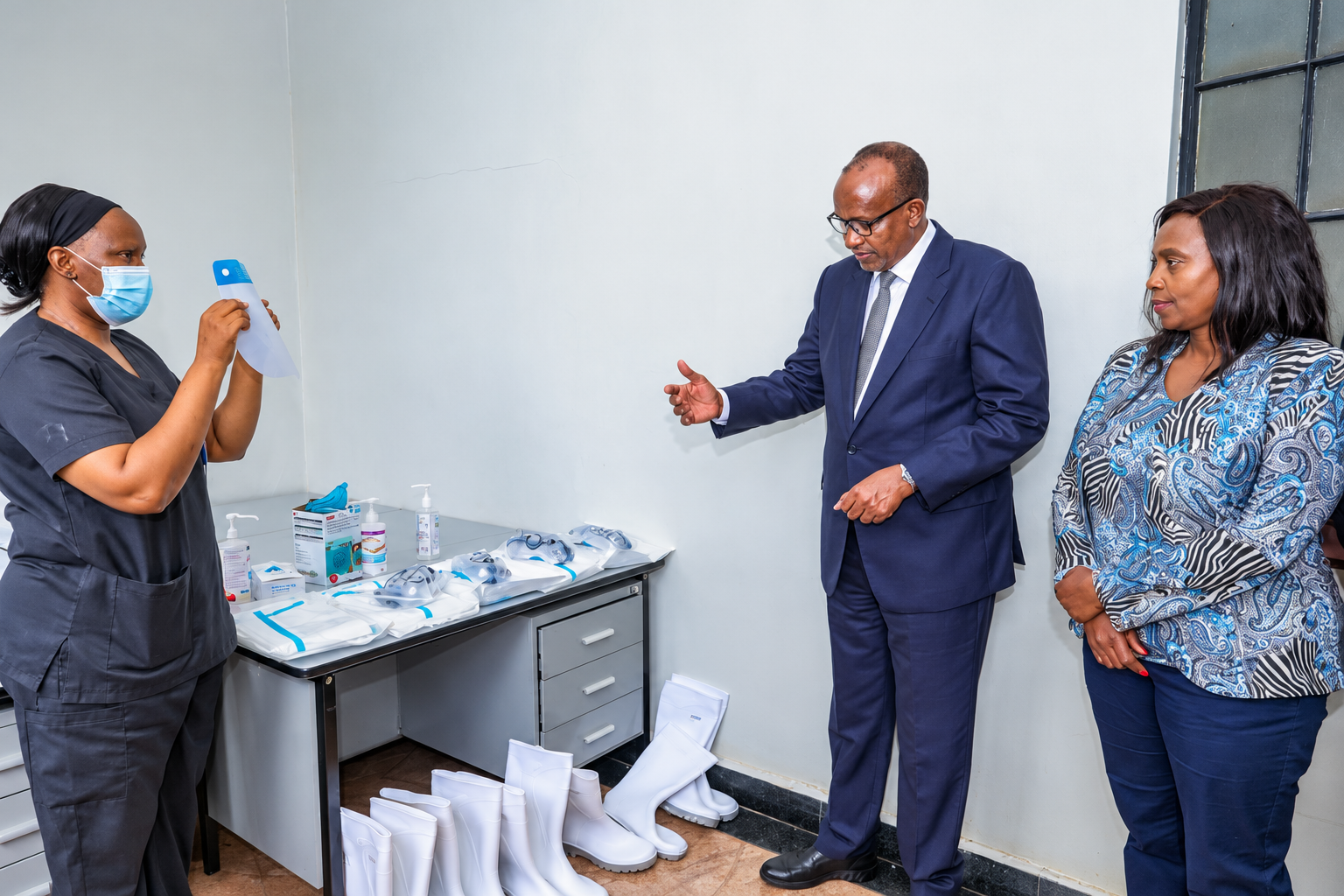
Nairobi, Kenya: The Kenyan government insists the country does not have an Ebola outbreak. Health Minister Aden Duale says it is dealing with one imported case of Ebola virus disease from the Democratic Republic of Congo (DRC), which proved fatal on October 5, 2026. It is Kenya’s first confirmed case and makes it the fourth country to report one in the current outbreak. The outbreak is caused by the Bundibugyo strain, for which there is no approved vaccine or specific treatment, which is why Kenya’s first Ebola case has garnered worldwide attention.
However, speaking after inspecting the Ebola isolation unit at a Nairobi Hospital, where the patient died, Duale said the case’s journey from the Democratic Republic of Congo (DRC) through Uganda to Kenya was traceable. This allowed health authorities to follow up people who may have come into contact with him.
“We have already identified 55 contacts, with ten of them having been traced and placed under quarantine at the National Police Service Hospital in Nairobi,’’ Duale said. The contacts will be monitored for 21 days. He added, “We have designated five facilities across the country for the isolation and treatment of suspected or confirmed cases.’’ Temporary isolation centres have also been identified at two crossing points with Uganda.
“We have the technical expertise, trained personnel, laboratory capacity and infrastructure required to detect, isolate and manage suspected cases,” Duale said. According to Duale, Kenya’s focus remains on early detection, rapid diagnosis, timely isolation, appropriate treatment and effective contact tracing.
The deceased, a Kenyan citizen, had been living in the DRC, where he fell ill and was treated at several hospitals. He travelled by road to Kampala, Uganda, then flew to Nairobi on October 3. On arrival, he was screened and taken to Nairobi Hospital, where he was isolated. The National Virology Reference Laboratory and the Kenya Medical Research Institute independently confirmed Bundibugyo Ebola virus disease, according to the WHO.
He died on the night of October 5 and was buried the next day under tight security, with a handful of family members and government officials, in line with public health protocols.
Panic among Kenyans
At a Nairobi Hospital, there was palpable panic and tension as authorities moved to reassure other patients and their relatives. Chief Executive Felix Osano told NWS that normal services have not been disrupted because the isolation unit has its own dedicated staff, entrance and access route, preventing cross-contamination with the main hospital. He said 21 healthcare workers who attended to the deceased are in quarantine and being closely monitored.
“As a facility, we are well prepared, and that is why we handled the case with the utmost professionalism it deserved. We have everything under control, and our prayer is that those under quarantine will walk out safely,” Osano said.
The Kenya Medical Practitioners, Pharmacists and Dentists Union (KMPDU) says that it is worried about healthcare workers’ welfare. Secretary-General Dr. Davji Atellah told NWS that health workers are among those exposed during an outbreak, and that a lack of appropriate infrastructure puts them at greater risk.
“This development should remind us that preparedness for infectious disease outbreaks must never be reactive but active,” said Atellah. He added, “Our healthcare workers must not be the weakest link in our response. They must be our first line of protection.” Atellah says facilities need adequate supplies of specialised protective equipment, effective infection prevention protocols and properly trained personnel.
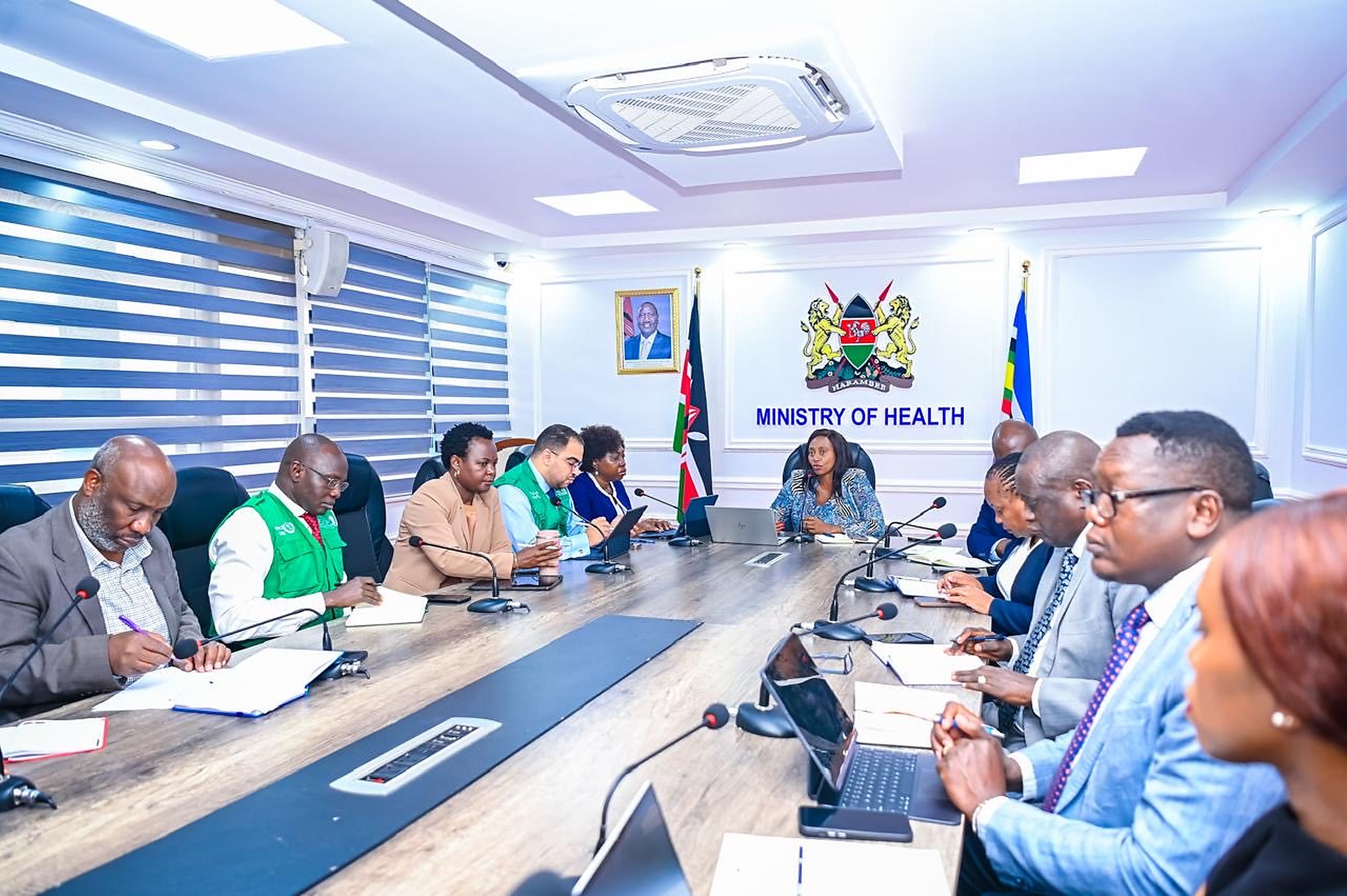
Consultant pathologist Dr. Ahmed Kalebi told NWS that the case exposes weak points in Kenya’s surveillance and testing. He says contact tracing should be the top priority because it is easier now than later, and that more public education is needed so Kenyans take Ebola seriously. “The government must employ a multi-agency approach in tracing all the contacts linked to the deceased. It is better to be very strict right now,’’ Kalebi told NWS.
“Until now it remains a single imported case. Let us hope that line is not crossed because if it gets a bit out of hand, I don't think, as a country, we are prepared,” he warned.
Fears of a second case eased on October 8, when preliminary results for a suspected case in Wajir County came back negative, according to the county governor. Monitoring continues.
Jambo Jet, the airline the deceased used, is working with authorities to trace passengers on the same flight. Commercial Director Cynthia Otoro told NWS that 27 passengers have been identified and contacted, and authorities are taking appropriate public health measures.
Entry point screening
Kenya has stepped up screening at Jomo Kenyatta International Airport (JKIA), particularly for passengers from countries in and around the affected region. Arrivals are asked to complete a health declaration form truthfully to support surveillance and contact tracing.
Speaking as she led Africa CDC officials on a tour of JKIA, Principal Secretary for Public Health and Professional Standards Mary Muthoni said preparedness has been heightened at the airport and other entry points. “We have a designated gate at the airport to handle travellers arriving from 10 high-risk countries, including the Democratic Republic of Congo, Uganda, Tanzania, Ethiopia, Angola, Zambia, Rwanda, Burundi, the Central African Republic and South Sudan,’’ said Muthoni.
Kenya has also activated a 20-member committee of the National Ebola Virus Disease Taskforce to coordinate the response. The taskforce is overseeing intensified contact tracing, enhanced border surveillance and readiness of designated facilities.
President’s assurance
On October 6, President William Ruto convened the National Security Council Committee, the country’s top security organ, to assess the situation. A statement from his office said surveillance and rapid response teams were on the ground, building on systems Kenya has had in place since the outbreak began in May 2026. “The country has the capacity to detect, isolate and manage suspected cases,” the statement read in part.
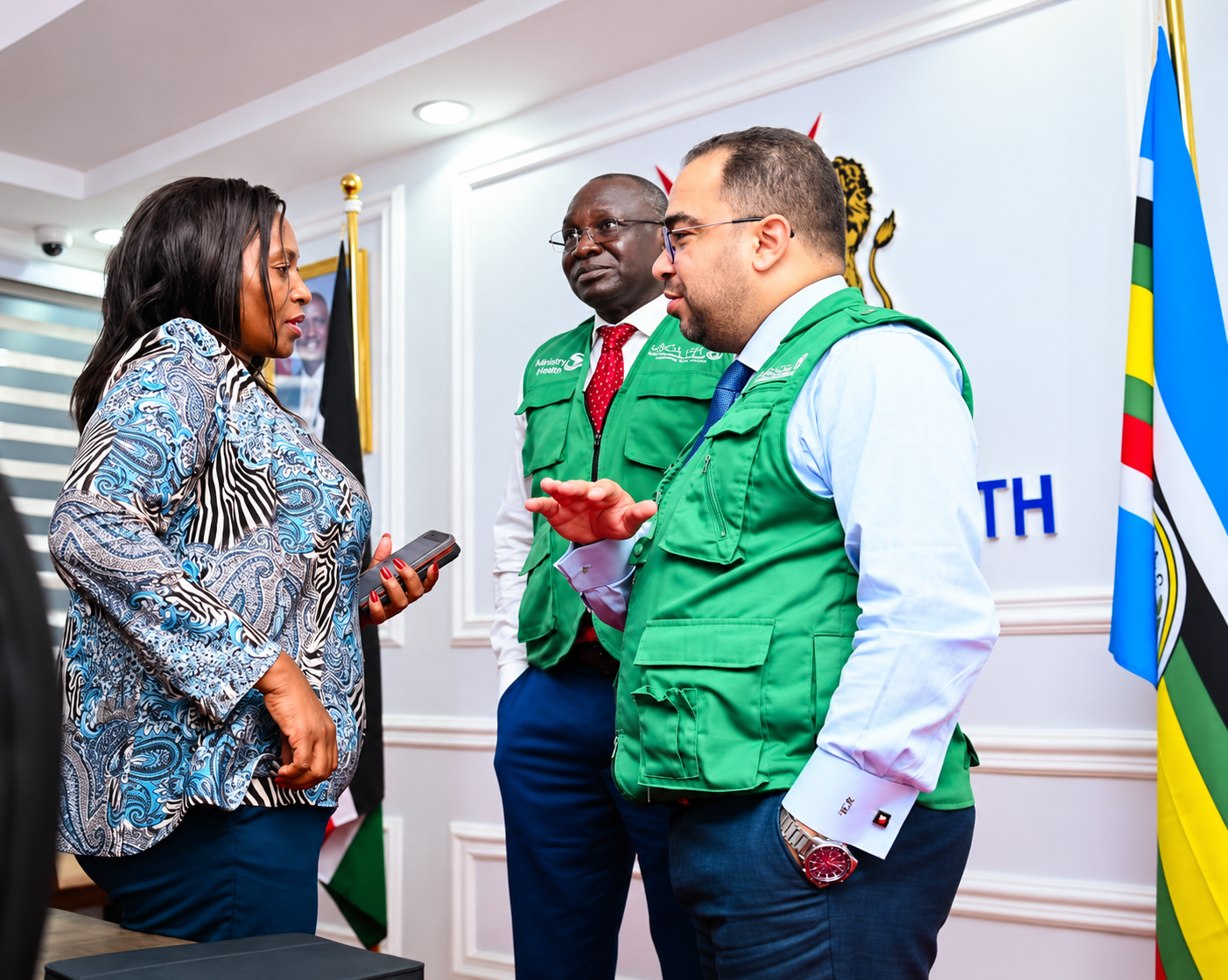
As of October 6, Kenya had screened 652,584 travellers and tested 267 samples across five laboratories. Ruto says 4,971 healthcare workers have been trained in Ebola prevention, detection and management.
Global support
Africa CDC has sent a high-level team to Nairobi led by its Head of Emergency Response, Dr. Wessam Mankoula, and Dr. Lui Riek, Special Representative of the East Africa Coordinating Centres. The US embassy says that Kenya may use America’s bio-isolation facility in Laikipia, Nanyuki County.
Finance Minister John Mbadi said subsequently that the government was working to mobilise more than US$539 million for surveillance, treatment and containment, and has set aside $20 million as an emergency fund for the Ministry of Health. “We are talking to our international partners, and we are hopeful,’’ Mbadi said. He expects $162 million from the United States, with another $400 million possible through the World Bank’s Rapid Response Option. The money is meant to fund surveillance, early detection, contact tracing, training of health workers and community teams, protective equipment and medical supplies.
Chinese Ambassador Guo Haiyan, too, presented a $2 million grant for drought mitigation and Ebola preparedness. Finance Ministry’s Principal Secretary Dr. Chris Kiptoo said $1 million of it will go towards Ebola readiness.
The World Health Organisation declared Ebola a public health emergency of international concern in mid-May. The DRC, the epicentre, has recorded 8,728 confirmed cases and 4,205 deaths as of October 6. Uganda recorded 20 cases and two deaths earlier in 2026 before being declared Ebola-free in August.