Police in nine Latin American and Caribbean countries have arrested 233 people, recovered more than 1,000 animals and seized 4.6 tonnes of cyanide in a two-month operation. Interpol says it exposed a web of companies, spread across several continents, behind alleged industrial-scale deforestation in the Amazon, illegal mining and wildlife trafficking.
Interpol, the international police organisation based in Lyon, announced the results of Operation Madre Tierra VIII ("Mother Earth") on October 7. The operation ran from June 1 to July 31 in Colombia, Costa Rica, the Dominican Republic, El Salvador, Guatemala, Honduras, Mexico, Nicaragua and Panama.
Scale of the operation
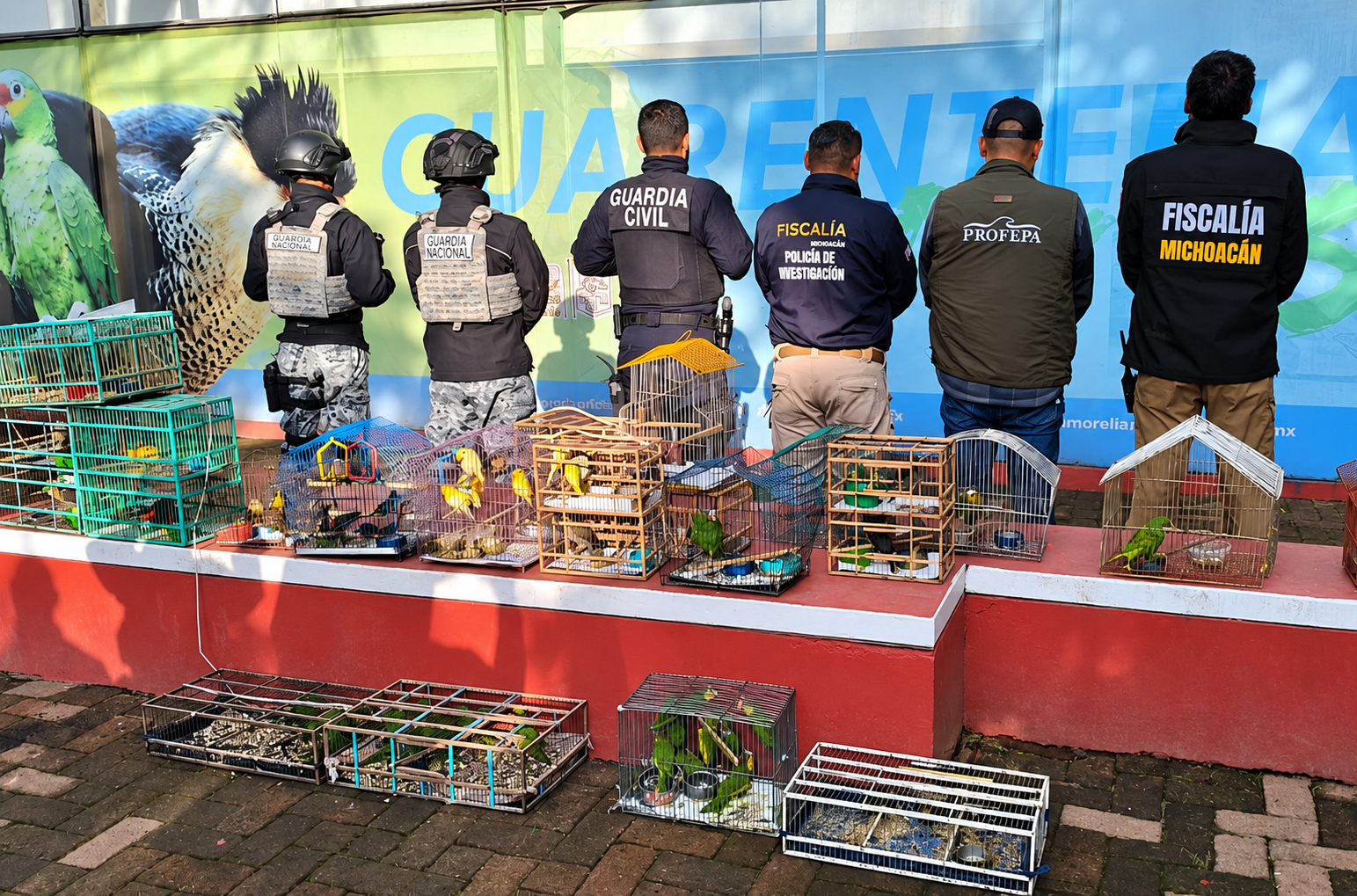
Across more than 330 cases, officers identified a further 312 suspects and made 313 seizures, which also included mercury and ammunition. They recovered more than 1,000 live animals, among them exotic birds and big cats, and identified 60,000 hectares of illegally cleared forest.
Interpol said that investigators found illegal timber and wildlife trafficking networks operating on an industrial scale along the corridor linking Central and South America. The operation was coordinated by Interpol’s Regional Bureau for Central America in El Salvador. It aimed to turn intelligence from earlier operations into investigations and prosecutions.
From seizures to the money trail
The biggest change in this edition was a focus on who finances and profits from the trade. Krandall Gullock, head of the bureau, said: “Across Latin America and the Caribbean, investigators are tracing payments and identifying the companies and properties used to hide criminal activity across borders. By linking those findings across jurisdictions, they gain a clearer picture of how these networks operate, how far they stretch and who exactly is involved.”
"Following the money, whether from an illegal gold mine in Panama to a buyer in North America, Europe or Asia, helps a case move beyond the individuals physically harvesting the timber, handling the animal or extracting the gold and focuses on the companies that finance, manage and profit from the trade,” he addd.
The Amazon case: 11 firms, then 161 more
The clearest example came from Colombia. In 2025, its authorities asked Interpol to help investigate 11 foreign companies suspected of industrial-scale deforestation. The network is suspected of clearing more than 52,000 hectares of protected Amazon forest, equivalent to about 73,000 football pitches.
This year, analysts using Interpol’s global police databases found links to a further 161 companies and 65 individuals on several continents. They also found widespread permit fraud and the alleged use of shell companies and foreign investment mechanisms. Interpol issued three Red Notices (alerts asking police worldwide to locate and provisionally arrest a suspect), three Blue Notices (requests for information about a person) and a Purple Notice (which shares details of criminal methods).

Colombian raids led to 16 arrests and the seizure of digital evidence for forensic analysis. Interpol says the activity under investigation is believed to have irreversibly damaged ecosystems vital to regional climate stability.
Mining chemicals and the wildlife trade
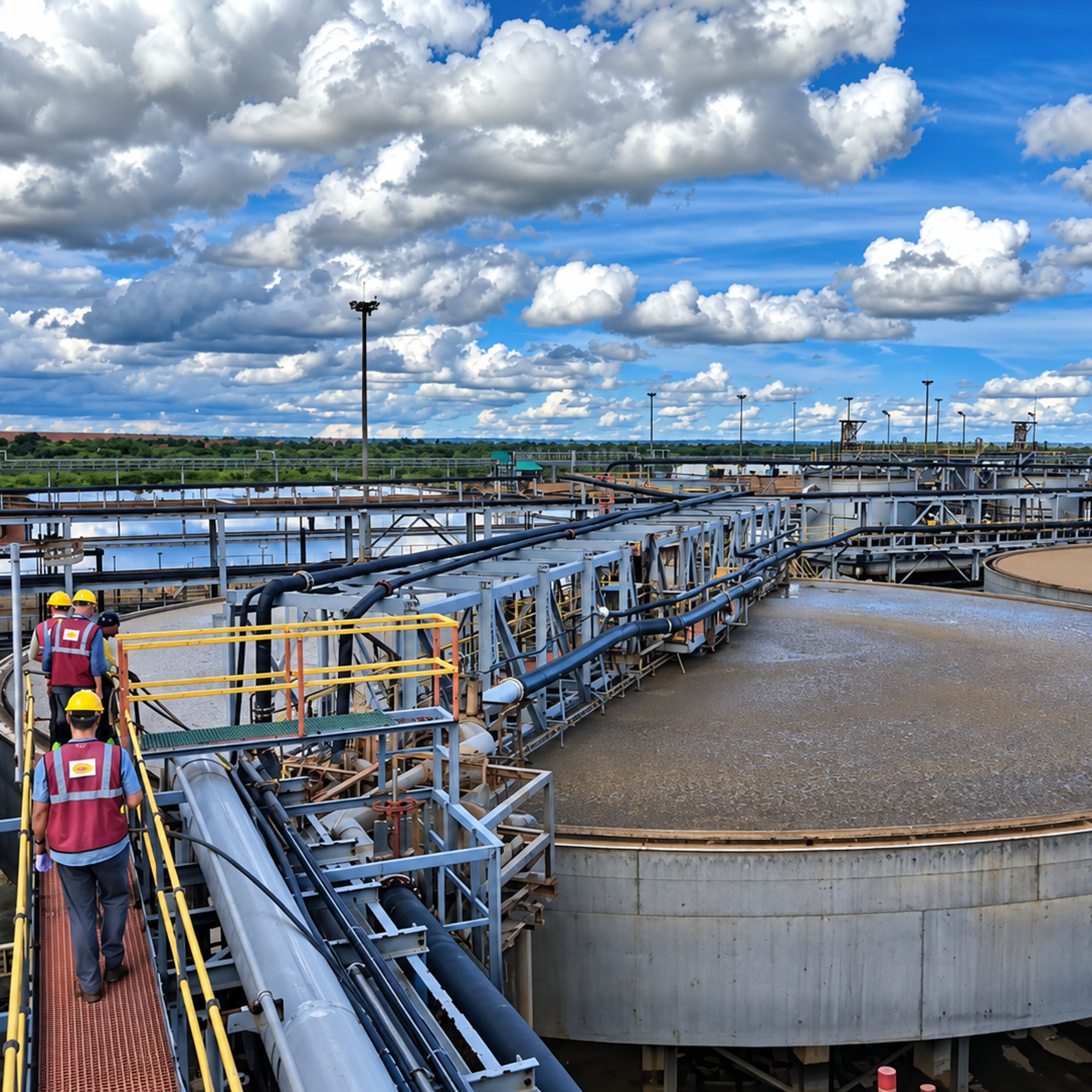
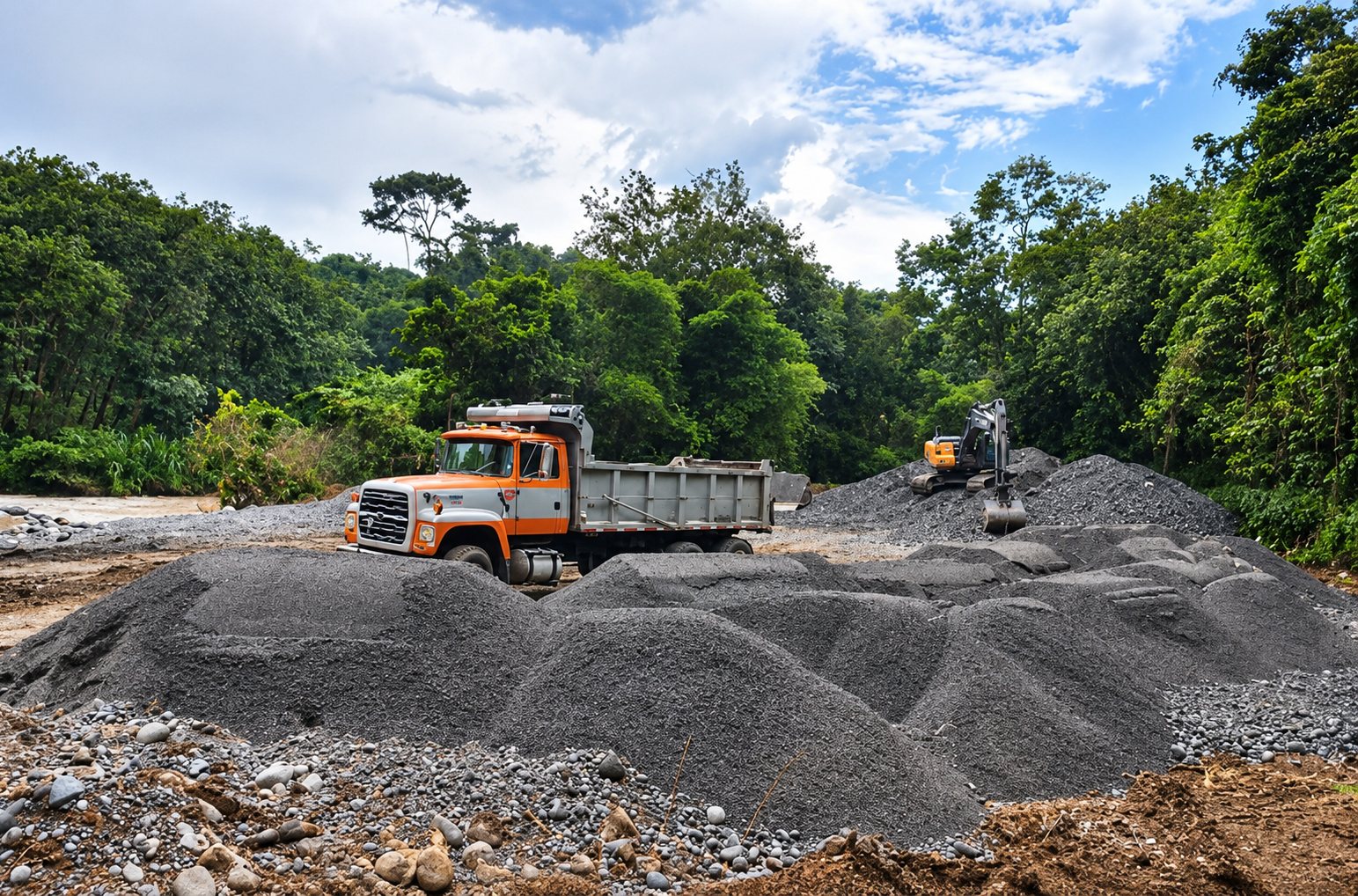
In Costa Rica, authorities seized about 4.6 tonnes of cyanide and 11 containers of mercury, both commonly used in illicit gold extraction. Interpol says such chemicals have a devastating impact on waterways, biodiversity and nearby communities.
In Mexico, officers recovered lions, ocelots and jaguars, as well as two endangered Bengal tigers, one a rare white tiger. They were found along routes that Interpol says criminal networks also use to move narcotics. In Nicaragua, police recovered a significant number of birds protected under CITES, the international treaty governing wildlife trade, including parrots and green and red macaws.
Reptiles, including pythons, rare insects and exotic birds made up most wildlife recoveries across the region. Authorities also seized 165kg of dried shark fins worth an estimated US$280,000. Interpol says the operation exposed trafficking corridors linking Latin America to destination markets in Europe and Asia.
Why it matters to the world
Climate and forests. The Amazon helps regulate regional climate, and Interpol says the clearing under investigation may have done irreversible damage. The previous operation, which led to 225 arrests, reported deforestation hotspots exceeding 50,000 hectares. This year's 60,000 hectares is higher, although the two figures may not be measured in the same way.
Health and pollution. Small-scale gold mining accounts for almost 40 per cent of human-caused mercury emissions, according to the UN Environment Programme. That makes it the largest single source. Cutting mercury use in the sector is a priority under the Minamata Convention, the global mercury treaty.
A big and growing criminal market. A joint UN and Interpol study valued environmental crime at up to US$258 billion a year in 2016 and said it was growing by five to seven per cent annually. The figures are a decade old and estimates vary, but they show the scale.
Links to wider crime. UN and Interpol work has found that some armed groups and criminal networks fund their activities by exploiting natural resources. Jürgen Stock, then Interpol’s secretary general, said in 2016 that environmental crime was “transnational in scope and insidious in nature.”
Exposure for legitimate business. Shell companies and permit fraud mean illegally sourced timber and gold can reach ordinary supply chains. That makes the investigation relevant to refiners, jewellers, importers and the banks that finance them.
A pattern of crackdowns
Madre Tierra is a recurring Interpol programme, now in its eighth edition, run with the Commission of Central American, Mexican, Caribbean and Colombian Police Chiefs and Directors. It is part of a wider push. A South American gold-mining operation produced 198 arrests in January, and a global operation seized 30,000 live animals in December 2025.
Interpol's Project Gaia, funded by Germany, backed the operation, and Norway-funded Project LEAP also supported the work. Thomas Ungerbuehler, Interpol’s assistant director of environmental security, said that the cases showed the transnational nature of environmental crime and the need for sustained international cooperation.
Arrests are not convictions. Interpol has not said how many suspects have been charged, and the allegations against the companies remain unproven. The notices are designed to help police locate and arrest suspects on several continents, and the digital evidence seized in Colombia is still to be analysed.