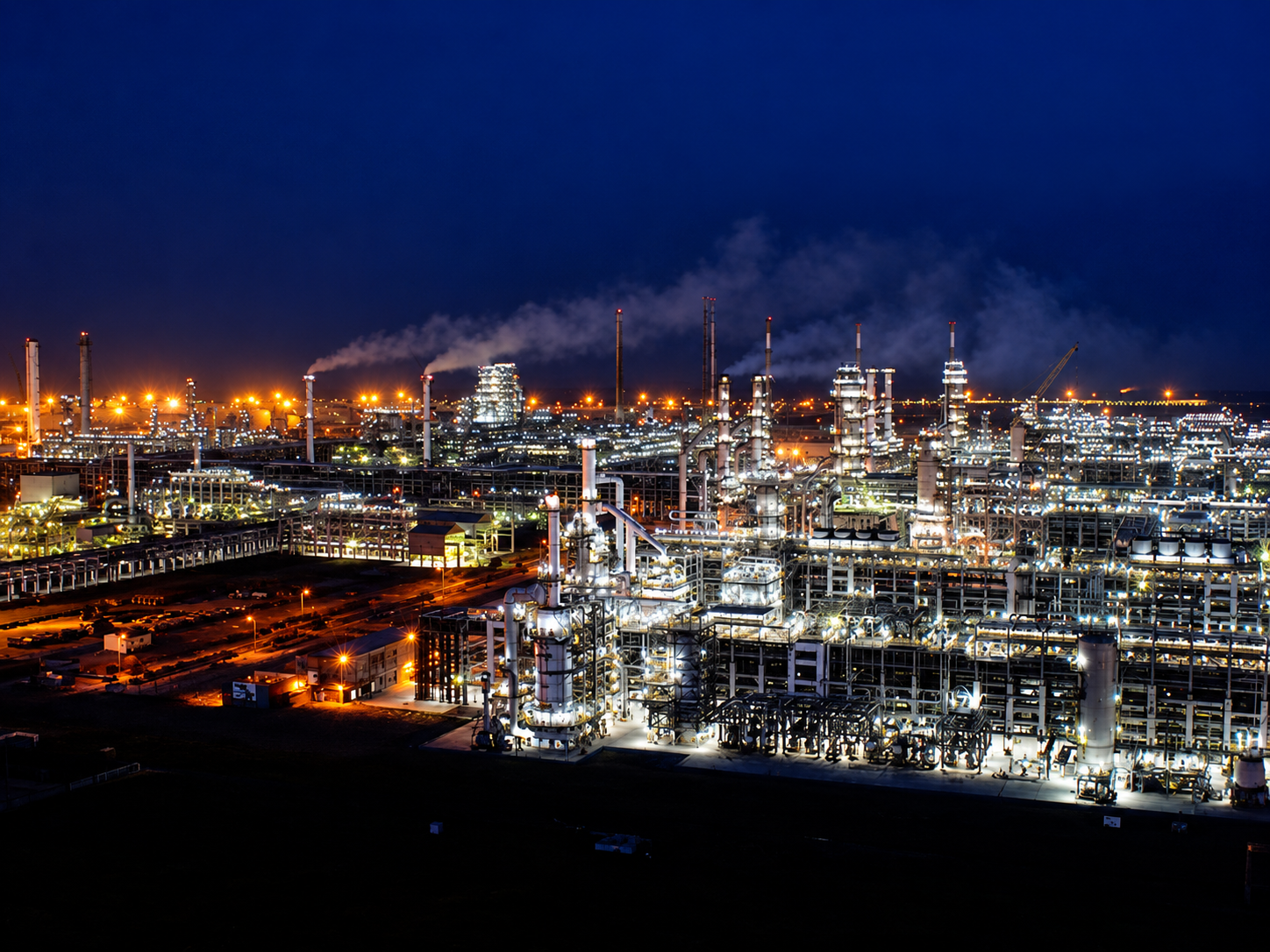
India enters the October 18 deadline for US tariffs on Russian oil buyers still buying at scale, just as Washington licenses Russian diesel for its own market. Indian refiners took about 1.82 million barrels a day of Russian crude in September and are on course for 1.8-1.9 million in October, Kpler data showed on Wednesday.
On Tuesday, 12 US senators from both parties urged President Donald Trump to rescind the diesel deal, calling it “a gift to our adversary”. Analysts believe the deal is giving Delhi leverage in its dispute with Washington over discounted crude, and that it also gives India room to press its Ukraine diplomacy. Kpler’s Sumit Ritolia cautioned that India’s recent dip in Russian purchases is not simply a response to US tariff pressure. Tighter supply and Chinese competition have also played a role, he said.
The diesel deal
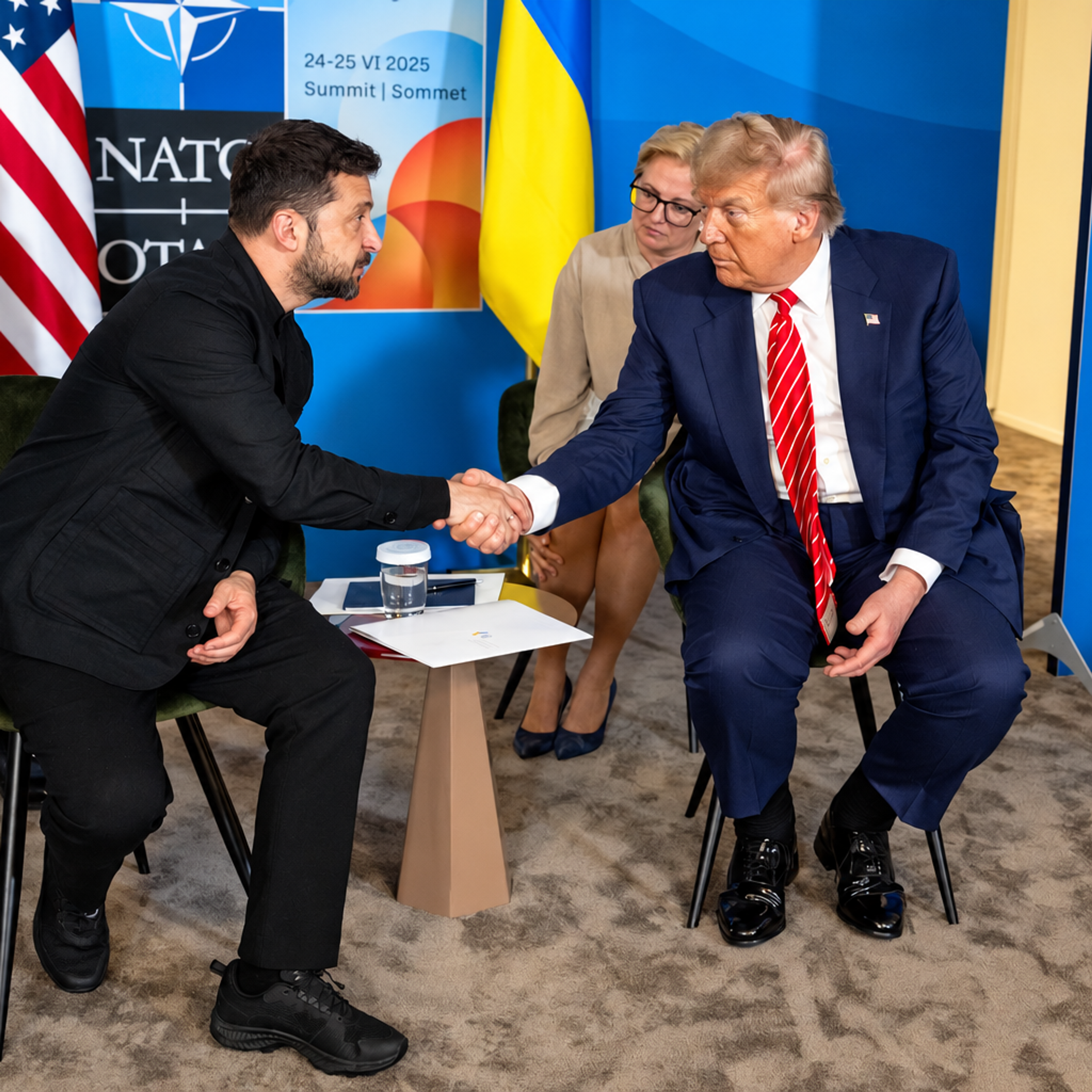
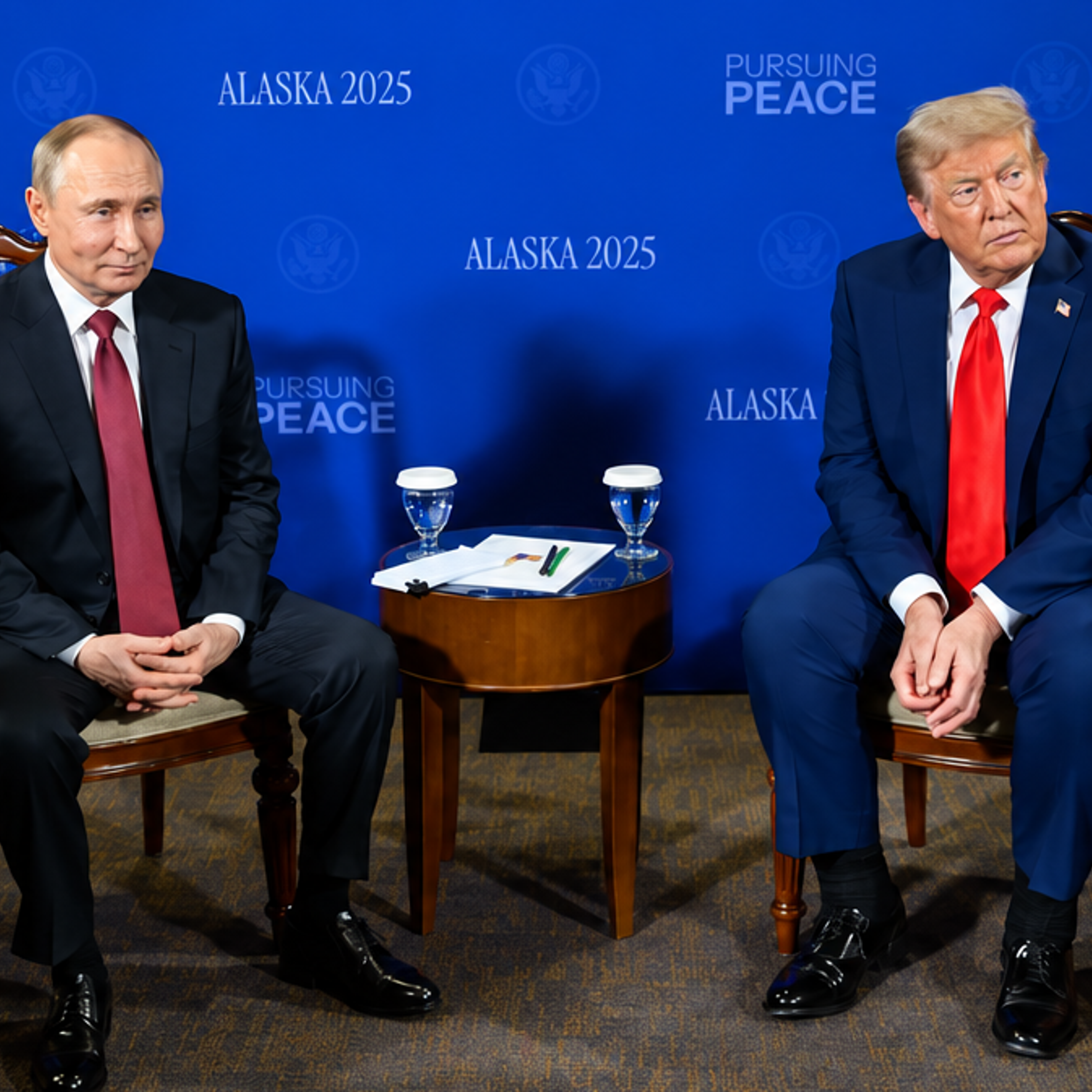
Trump announced the deal on October 9 after a call with Russian President Vladimir Putin. Russia is to supply more than 300,000 tonnes of diesel immediately, 500,000 tonnes in November and one million tonnes soon after. A further three million tonnes would follow, depending on the state of its refineries.
The Treasury issued a general licence within hours, authorising Russian diesel transactions, including imports into the US, until April 7, 2027. NPR reported that it covers diesel already loaded onto tankers. It added that the Treasury had eased sanctions in March and April, even though Treasury Secretary Scott Bessent had ruled out such a move. Russia’s deputy prime minister, Alexander Novak, said Moscow would begin lifting its diesel export ban.
The aim is to ease record diesel prices before November’s midterm elections, though analysts doubt the volumes will be enough. The senators’ letter was signed by six Republicans and six Democrats, including Mitch McConnell, John Cornyn and Thom Tillis. They argue the licence runs counter to a 2022 law because Congress was not consulted. Bessent says the administration is acting within its legal authority.
A year of pressure on India
India has borne the brunt of the US campaign against Russian oil. Washington added a 25 per cent penalty tariff in August 2025, taking the total on many Indian goods to 50 per cent. US sanctions on Rosneft and Lukoil that October pushed Reliance Industries and state-run refiners to cut direct purchases. The EU had already sanctioned Nayara Energy’s Vadinar refinery, which is part-owned by Rosneft, in July 2025.
In February, Washington rolled back the penalty under an interim trade deal, even as India has not announced any halt to Russian purchases. When the war on Iran disrupted Gulf supplies in March, the US itself granted a 30-day waiver for stranded Russian cargoes. Delhi said it had never depended on anyone’s permission to buy Russian oil.
The law and the deadline
Trump signed the Lindsey O. Graham Sanctioning Russia and Iran Act on September 18, after it cleared the Senate 86-11 and the House 262-159. One provision allows tariffs of up to 100 per cent on goods from the five largest buyers of Russian crude or gas that make new purchases from that date. Unofficial rankings put India second among crude buyers, behind China. Any duty on Indian goods therefore turns on whether refiners keep buying after October 18. The test counts only crude and gas, not refined fuels such as diesel. The administration had published no justification, country list or waiver. India is reviewing the diesel deal, and Washington has yet to decide on a waiver for it.
India’s advantage
Srikumar Menon, a former Indian diplomat, said India should cite the deal in bilateral talks rather than criticise the US. He urged Delhi to demand consistent treatment or waivers, diversify supplies and make more use of its refined-product exports. He said the deal "exposes US double standards".
Uday Chandra, a politics professor at Ashoka University, said it weakens Washington's moral and political case for penalising India. If US energy security justifies buying Russian diesel, he said, it is hard to deny India the same argument. He cautioned that the sanctions framework remains in force, so the tariff threat has not gone away. He urged Delhi to use the opening pragmatically rather than accuse Washington of hypocrisy.
Delhi has made this argument before. Its foreign ministry said in August 2025 that the US itself imports Russian uranium hexafluoride, palladium, fertilisers and chemicals. India also faces its own diesel squeeze: Jio-bp and Nayara have rationed pump sales. The US licence is temporary, and the law's tariff threat remains.
Russian oil was already losing ground. Kpler data show India’s intake fell from about 2.6 million barrels a day in June and 2.57 million in July to 1.82 million in September, still ahead of China’s 1.49 million. Bloomberg reported that top refiners plan to bring Russia’s share down to 20-30 per cent of their intake.
India is also a supplier to Russia. The Centre for Research on Energy and Clean Air (CREA) found that India supplied 70 per cent of Russia’s seaborne oil-product imports in August, nearly all of it gasoline. Ukrainian drone strikes on Russian refineries have contributed to Russia's domestic fuel shortages.
The sanctions relief could ease India’s energy costs and give it space to advance its plan to end the Russia-Ukraine war. India’s three-part truce framework seeks to halt attacks on energy infrastructure, keep grain and energy moving through Black Sea ports, and stop strikes on commercial shipping. Ukrainian Foreign Minister Andrii Sybiha called it the “most comprehensive” of four proposals before Kyiv, alongside those from Türkiye, Egypt and the US. Chandra said India could build on its initiative by helping negotiate practical arrangements on energy infrastructure, shipping and trade.
Srinivaasan Balakrishnan, an analyst at the Delhi-based Indic Researchers Forum, said the deal shows Washington will put pragmatism ahead of principle when domestic affordability is at stake. The larger lesson for India, he said, is that strategic autonomy must translate into economic resilience.