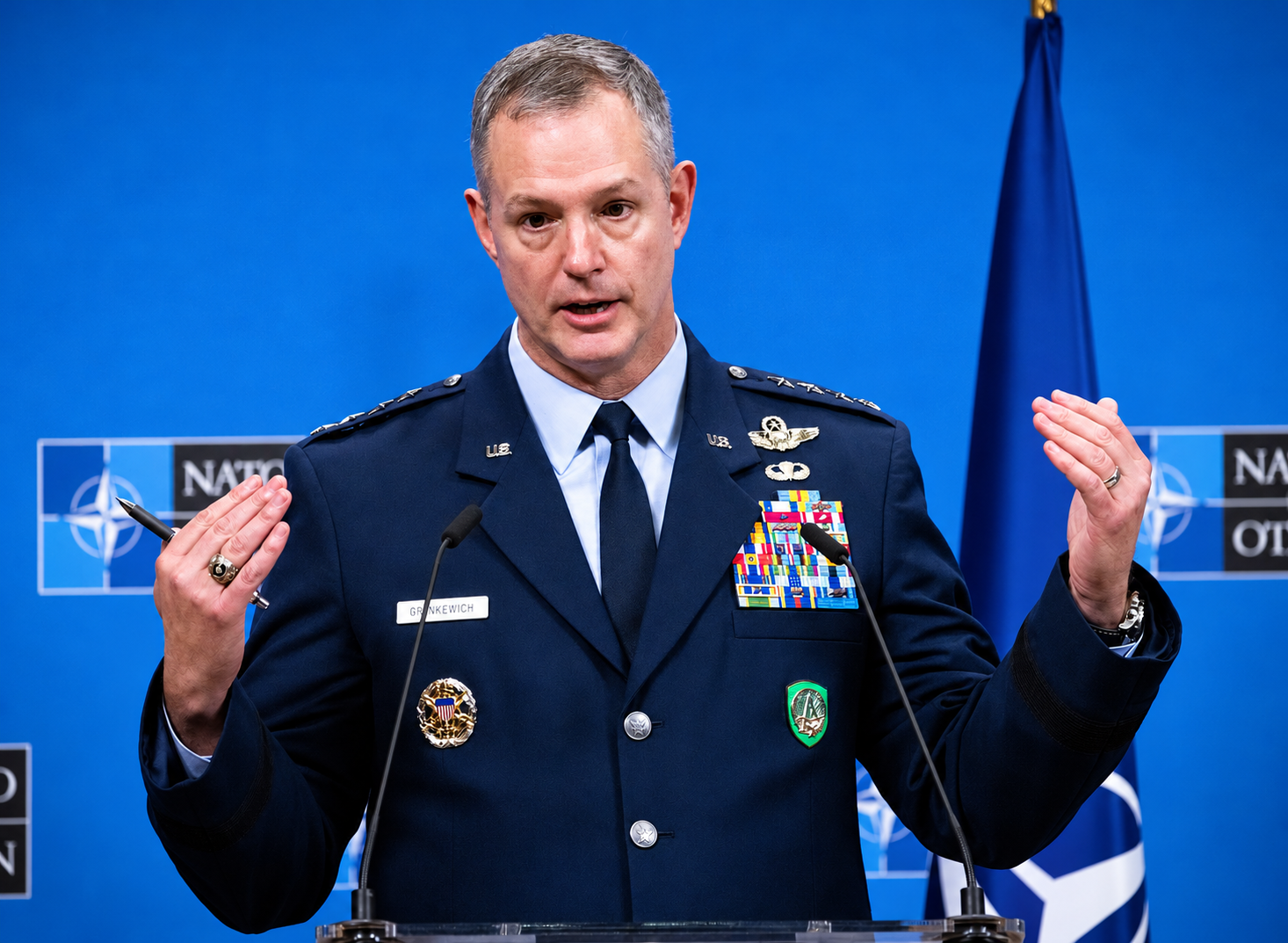
NATO’s top military commander has unveiled for the first time how the alliance would fight off an attack on a member country. He did so three days after Donald Trump eased sanctions on Russian oil, and as the Pentagon weighs pulling up to 40,000 US troops from Europe. Gen. Alexus Grynkewich, the Supreme Allied Commander Europe, described a three-stage “Theory of Victory” aimed at stopping an invading force and dismantling the system behind it. He did not name Russia directly.
Grynkewich presented the concept at the Warsaw Security Forum on October 12. “My theory of victory is simple: we will block the initial attack. If the attack persists, we will blunt it and prevent enemy advance. And if required, we will break the enemy’s forces and the operational warfighting system that is arrayed against us,” he said. He added that he does not see war as imminent.
Why now
The announcement comes amid heightened tension with Russia. Several European countries have reported drone intrusions, suspected sabotage and arson, and governments have vowed to respond decisively. The presentation appears to answer the questions those incidents have raised among allies. All 32 members agreed to a classified version of the plan in July. Grynkewich chose to make it public to address growing anxiety within the alliance.
Trump’s oil U-turn
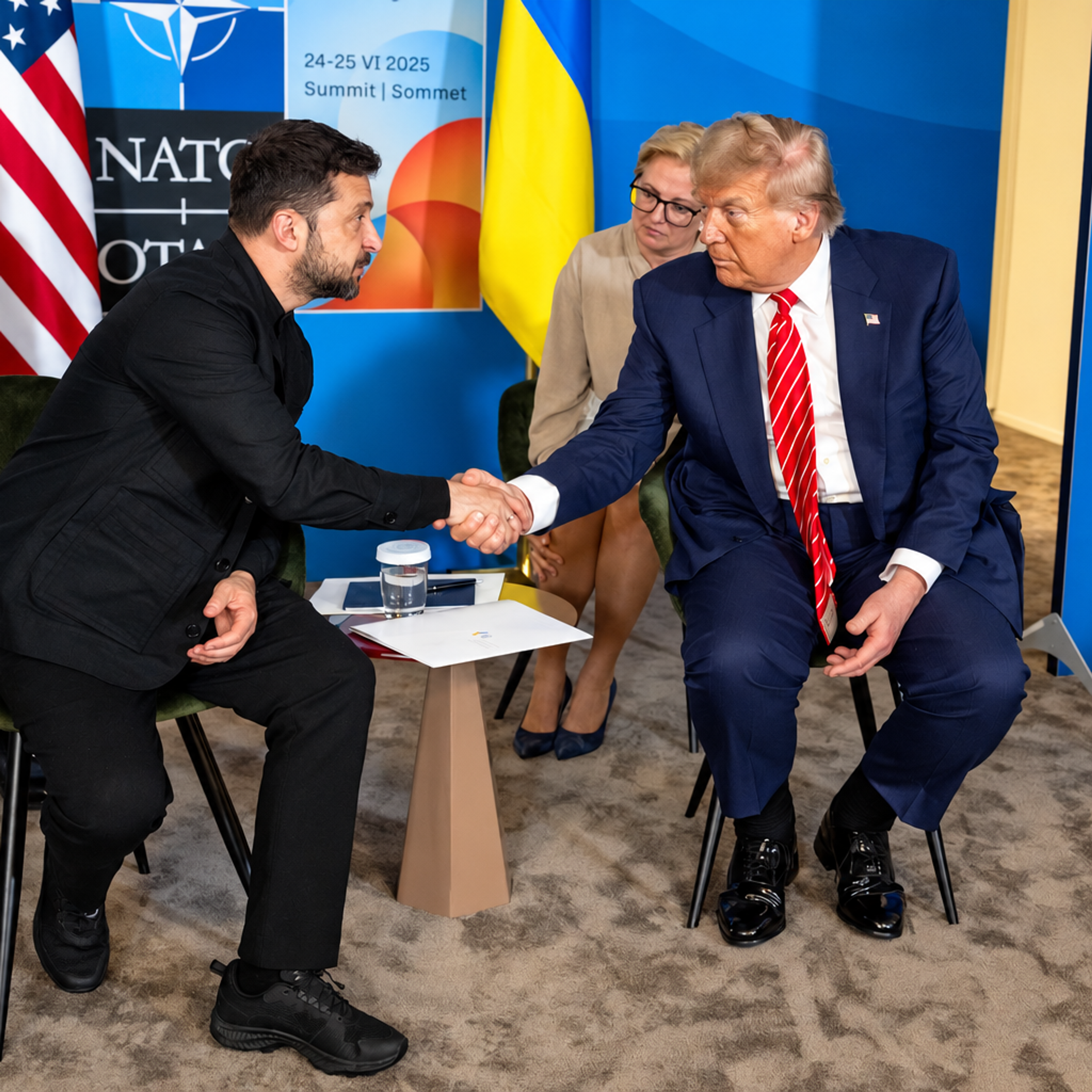
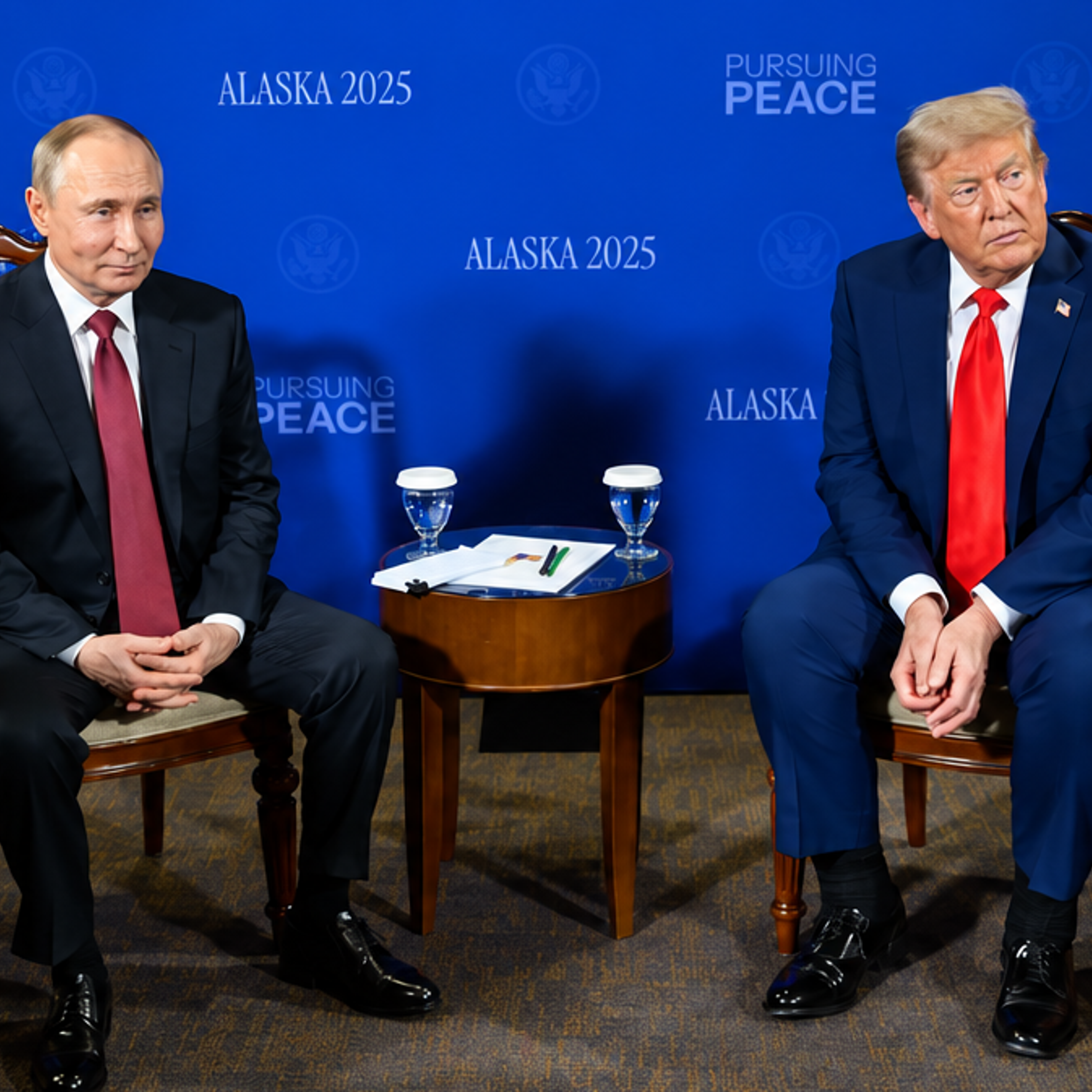
The speech also has come on the heels of Washington’s move to send mixed signals on Russia. On October 9, after a call with Vladimir Putin, Trump announced a deal under which Russia would supply 300,000 tonnes of diesel to the US and global markets, with larger volumes promised later. The Treasury issued a general licence the same day. It authorises Russian diesel imports until April 2027, though whether it overrides a 2022 congressional import ban is disputed.
The move is abrupt as Trump had signed a law on September 18 to punish buyers of Russian oil. It was driven by US diesel prices of about $6.28 a gallon amid fuel shortages linked to the war with Iran, ahead of the November midterms. The decision shook allies, and Trump then said Ukraine should replace President Volodymyr Zelenskyy. Republican Rep. Brian Fitzpatrick has since said he will introduce bipartisan legislation to block US purchases of Russian oil.
NATO’s plan, however, predates the oil deal. But it arrives just as European allies are questioning how firmly Washington will stand against Moscow, with the US troop review still pending.
Tactical aims
Although the strategy envisages direct engagement with an attacker, it stops short of seeking a wider war. “Should the adversary choose to press the attack or commit his reserves, we will break the warfighting system engaged against us,” Grynkewich said. “This includes not just the attacking force itself, but anything and everything that supports, sustains and controls that force.”
He stressed that the goal is not to defeat Russia strategically. NATO would seek the tactical and operational defeat of attacking forces and deny any adversary the ability to seize and hold alliance territory. The plan draws on lessons from Ukraine and the Middle East. It layers precision munitions with large numbers of affordable, scalable systems, and uses intelligence collection and advanced algorithms to detect threats and position forces early. Grynkewich said NATO was “ready to fight tonight” if attacked, but that war was neither imminent nor inevitable. The alliance’s ultimate goal, he said, was to prevent war.
Who the plan targets
Grynkewich did not name a specific adversary, but media coverage viewed the plan as aimed at Russia. Eurasia Review described it as a warning to Moscow and said he tied credible deterrence to higher defence spending. He said he was comfortable with current weapons stockpiles but acknowledged NATO could be better prepared. The speech has been described as an unusually public account of how NATO intends to fight.
Russia’s nuclear warning
The presentation followed a nuclear warning from Putin. Speaking at the Valdai Forum, he said: “If we are talking about a direct attack on the Russian Federation, in this case we mean Kaliningrad, and possibly other territories, then the issue of the use by the Russian Federation of all the weapons at our disposal will, of course, inevitably and immediately be on the agenda,” Putin said.
US troop review
The speech also has come against the backdrop of the Pentagon reviewing its force posture in Europe. NBC News reported in September, citing current and former officials, that options include withdrawing 25,000 to 40,000 of roughly 80,000 US troops. No final decision has been made. A final recommendation is due on November 6, before any proposal reaches Trump. The Pentagon has not publicly released the figures.
With the speech, NATO appears to want to reassure a European public that is increasingly anxious about an “imminent war” with Russia. Finnish President Alexander Stubb said in August that he sees no evidence Russia would attack NATO, and Putin has long denied any such intention. But continuing arson and sabotage incidents keep feeding the imminent-war narrative.