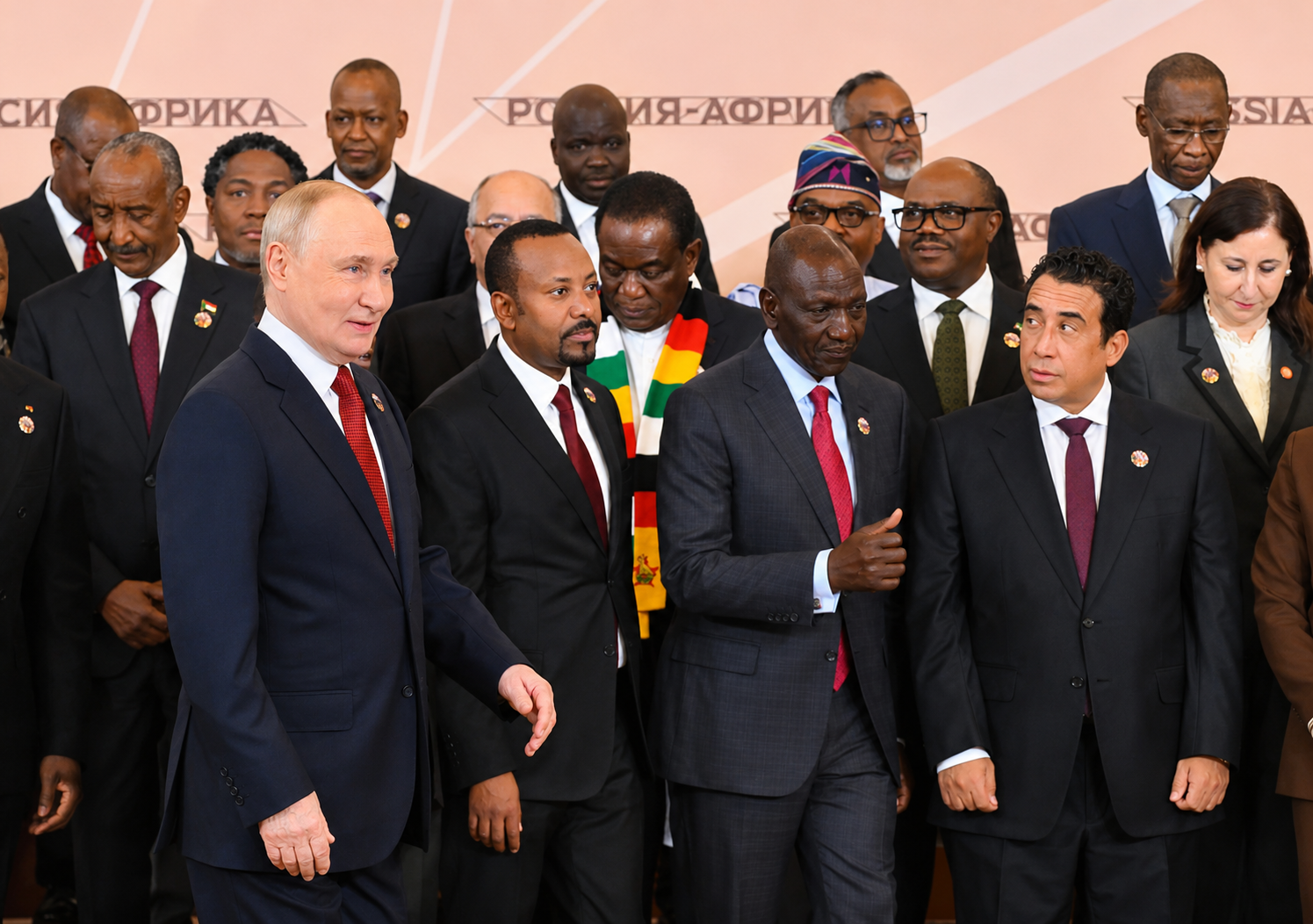
Young Africans now see Russia as a more influential presence in their countries than France, according to the African Youth Survey 2026, whose Russia findings were released as Vladimir Putin opened the Russia-Africa summit in Moscow on Friday (October 28). China remains the most warmly regarded partner, and 80 per cent of respondents say they are worried about foreign powers’ sway over their countries.
The report put Russia among powers “viewed warmly by many young Africans”, though it said China remains more highly rated. The Kremlin said 48 African delegations would attend the 28-29 October summit, with 22 represented by heads of state. That is more than the 17 leaders who went to St. Petersburg in 2023, but fewer than the 43 who attended Sochi in 2019. The summit ended with a Moscow Declaration, a 2027–2029 action plan and a declaration on civilian use of artificial intelligence, according to Russian state media.
Russia’s rise, and its limits
The survey, commissioned by the Ichikowitz Family Foundation and run by PSB Insights, interviewed 4,901 people aged 18 to 24 across 16 countries in March. Some 54 per cent said Russia has some or a lot of influence where they live, up from 44 per cent in 2024. French influence fell from 49 to 47 per cent.
Attitudes towards Russia are largely positive. Of those who see it as influential, 83 per cent judge that influence favourably, and 86 per cent regard Moscow as a strong or somewhat of an ally. Support is concentrated in Burkina Faso (95 per cent), Congo-Brazzaville (69 per cent) and Chad (65 per cent), countries the survey’s authors say have deepened their ties with Moscow in recent years. Only 24 per cent of Liberians and 26 per cent of Somalis see Russia as influential.
Ivor Ichikowitz, who commissioned the survey, said that the figures are real and that other capitals ignore them “at their peril”. He stressed that approval does not amount to unconditional support.
China keeps its lead
China scored higher. Among respondents who consider it influential, 95 per cent rate that influence as positive, against 85 per cent for the United States. China's own figure was 82 per cent in 2024. On sheer perceived influence, Washington edges Beijing, 81 per cent to 79.
The report’s own summary of the mood is straightforward: “Youth want partners, not patrons.” The survey points to pragmatism over ideology. Asked what matters most in an ally, 43 per cent chose investment in infrastructure and the economy. Respect for natural resources (39 per cent), sovereignty (34 per cent) and democratic values (34 per cent) followed, ahead of technology transfer (30 per cent) and military support (29 per cent)- only 15 per cent cited shared history.
A narrow majority, 55 per cent, would back partners that deliver trade and investment, whatever their political system. Another 42 per cent prefer like-minded governments. Ichikowitz argued that this generation is not seeking rescue but “asking to be taken seriously”. He also credited China’s gains largely to its visible construction projects. The 2024 edition identified affordable goods and infrastructure investment as the main drivers. The published 2026 findings do not isolate a single reason for Russia's rise.
A different poll, and a human cost
Other data, however, urge caution about these findings. Afrobarometer, covering 38 countries, found that 62 per cent view China’s impact positively and that US ratings fell six points. A summary of the same survey puts positive views of Russian influence at 36 per cent, against 52 per cent for the US and 50 per cent for the EU. Many respondents held no view at all.
The warm youth-survey numbers also sit uneasily with reports that Russia is recruiting young Africans for the war in Ukraine. Ukraine’s foreign ministry says it has identified at least 2,982 recruits from 37 African countries and that 486 have died. Kyiv is a party to the war, but an independent report by FIDH, Truth Hounds and KIBHR found recruiters advertising civilian jobs. Thirteen of 16 foreign prisoners of war interviewed said they had been promised they would not fight. The youth survey did not ask about any of this.
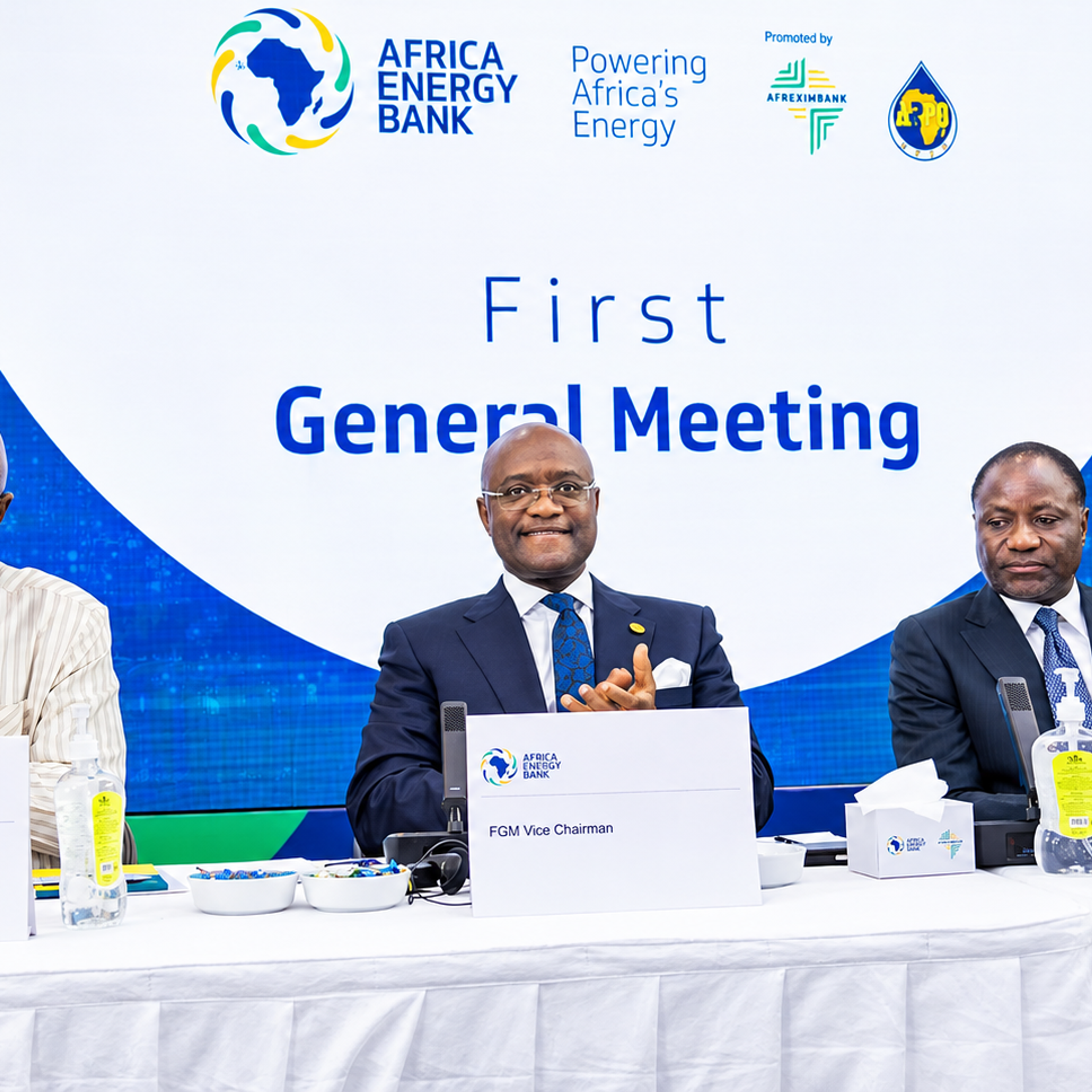
Russia’s Foreign Ministry spokeswoman Maria Zakharova told a media forum on the eve of the summit that Africa had stood firm under Western pressure and not retreated from supporting Russia. Putin called for Russia–Africa trade to reach $50 billion. China’s state-run Global Times quoted Chinese observers attributing the survey’s China findings to development-focused cooperation, notably infrastructure and industrialisation, and respect for African countries’ right to choose their own paths. It added that the foreign ministry has repeatedly rejected framing China–Africa ties in geopolitical terms.
France has not officially responded to the findings. However, when Emmanuel Macron arrived in Nairobi in May for the Africa Forward summit with €23 billion ($26.2 billion) in investment commitments and a pledge of equal partnership, he said that French influence is being “reorganised” rather than lost. Recently, France withdrew troops from Mali, Niger, Burkina Faso, Chad and several other countries.
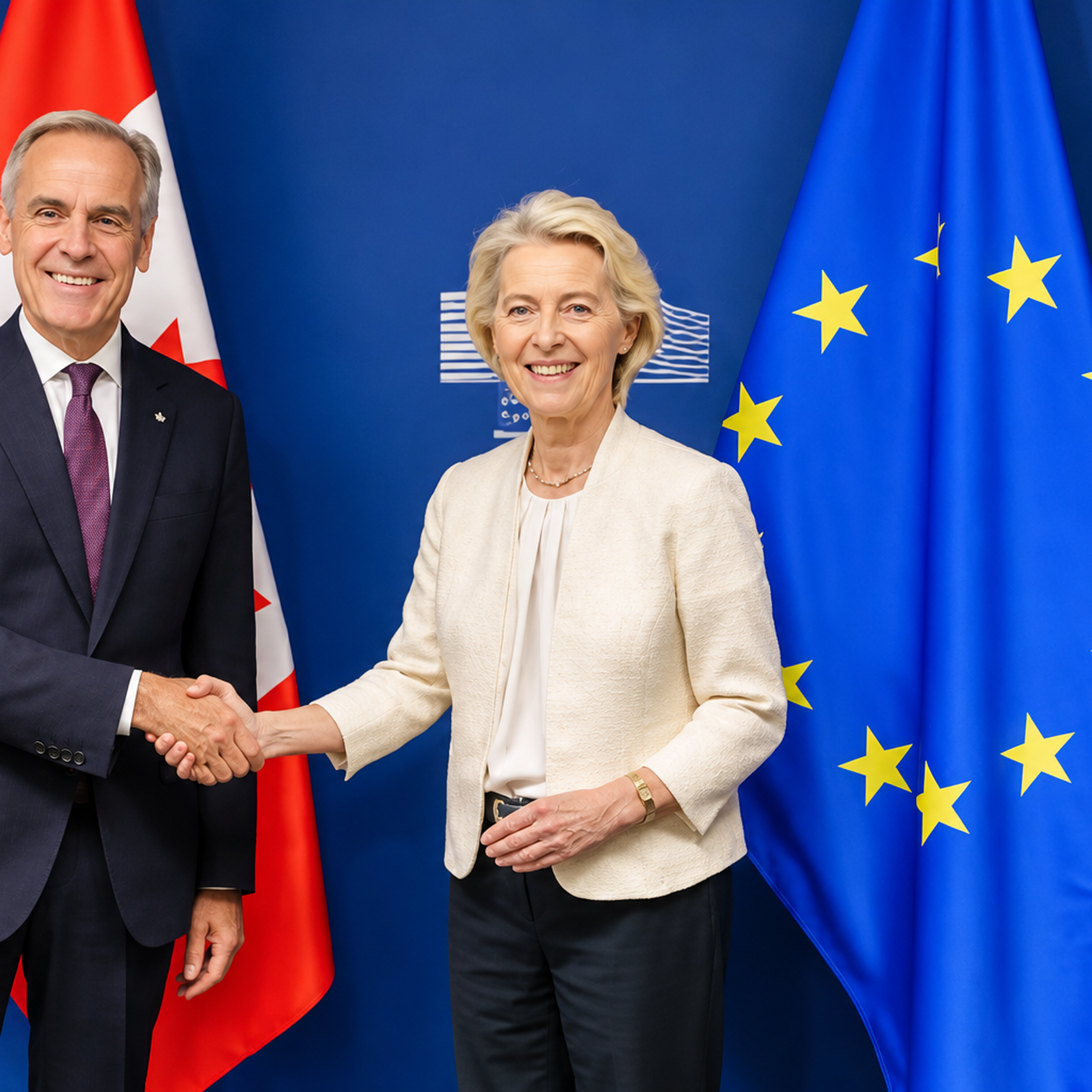
African Union chair Évariste Ndayishimiye said in Moscow that Africa is looking for partners that strengthen its capacity to generate its own wealth, echoing what young respondents told pollsters.
How far the findings go
The survey covers 16 of Africa’s 54 countries, with about 300 interviews in each and only 18 to 24-year-olds. Mali and Niger, where Russian military ties run deepest, were not polled. Comparisons with earlier waves are strictly valid only across the eight countries tracked since 2020. Importantly, Ichikowitz is an arms manufacturer and may have vested interests. The same survey also found that around 58 to 60 per cent of respondents were optimistic about outcomes under the Trump administration, and British influence rose from 60 to 63 per cent.