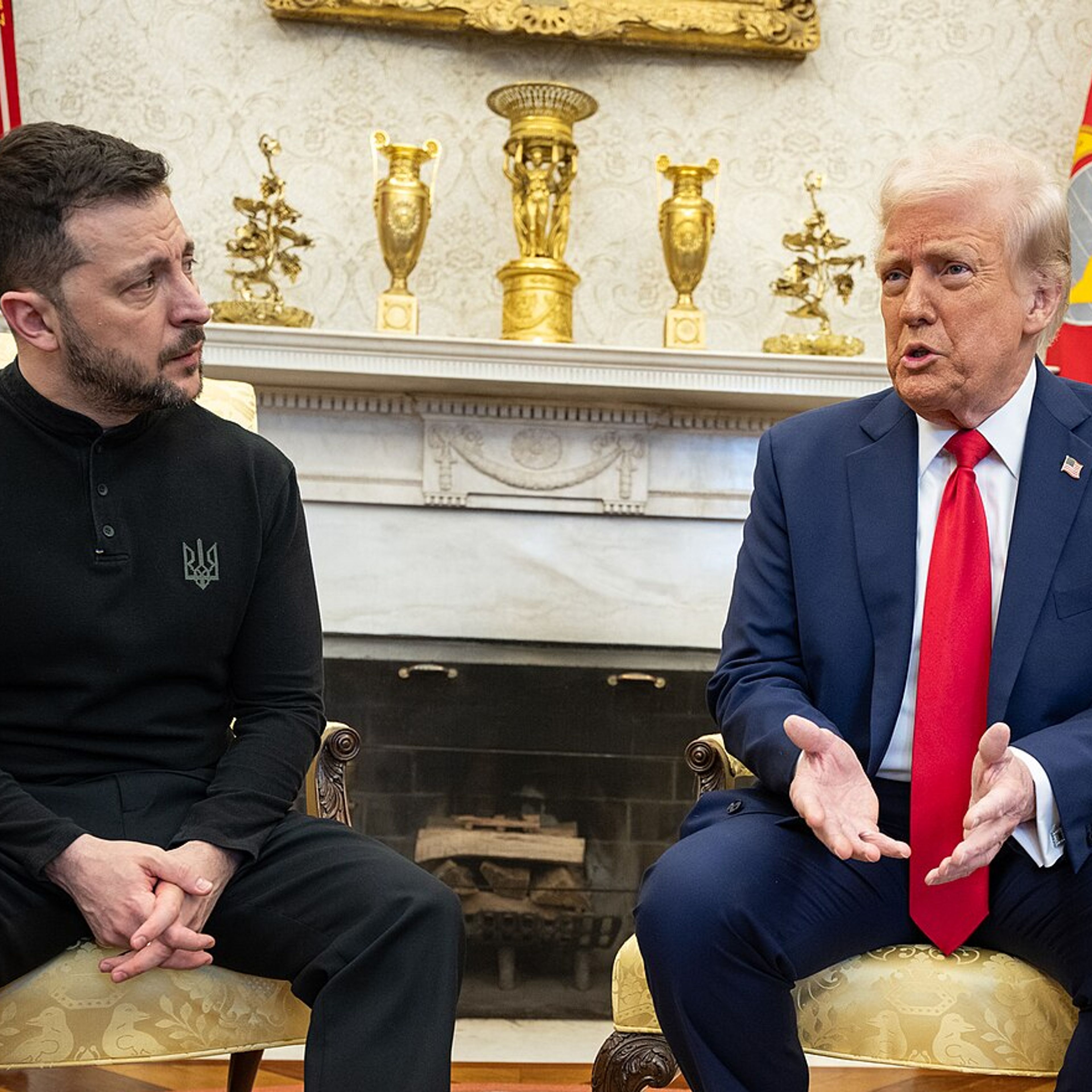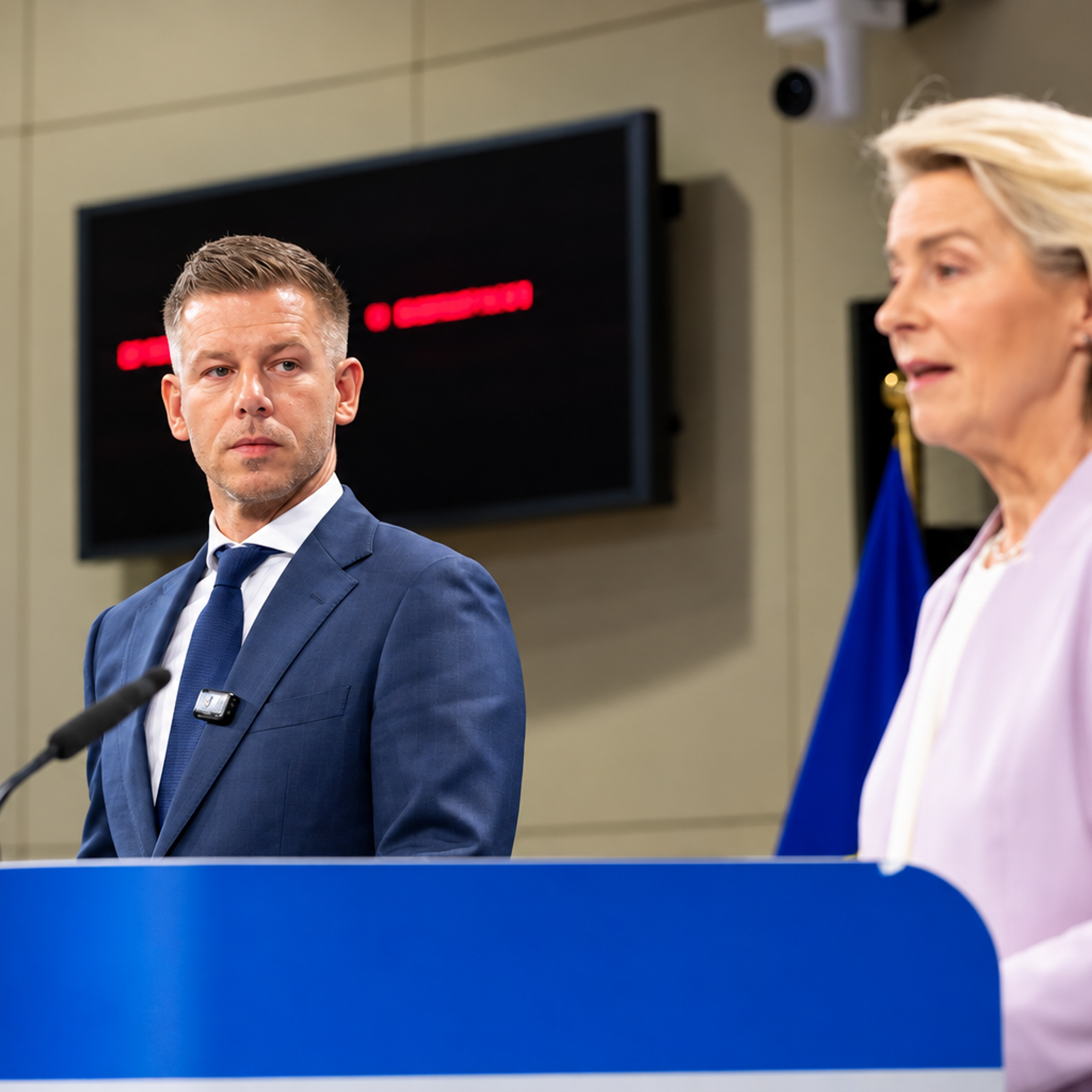
Britain has reopened its Chagos Islands dispute with Mauritius after the US withdrew support for the 2025 sovereignty agreement. On Wednesday (September 23), Defence Secretary Wes Streeting confirmed that the UK was reviewing the deal because Washington does not back it in its current form, and that payments to Mauritius have been paused pending the review. His comments came a day after US President Donald Trump called the agreement a “terrible deal” at his first face-to-face meeting with Prime Minister Andy Burnham, on the sidelines of the UN General Assembly in New York.
Colonial occupation
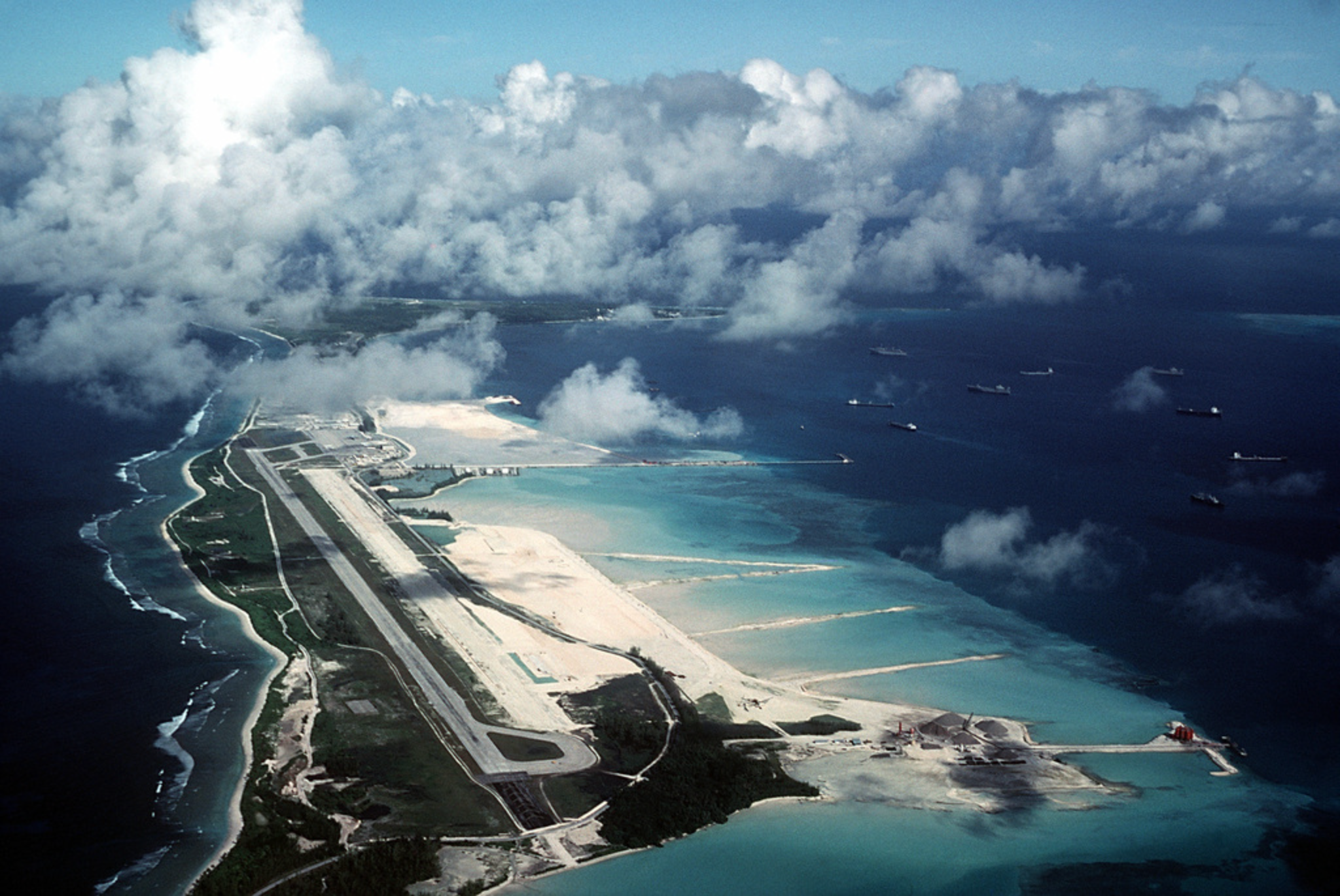
The Chagos Archipelago comprises 58 islands and atolls in the central Indian Ocean. Its land area is just 60 sq km, but its waters span roughly 640,000 sq km. Diego Garcia, the largest island, hosts the strategically vital joint UK-US military base.
Britain took Chagos from Mauritius in 1814. In 1965, three years before Mauritian independence, it split off the islands to create the British Indian Ocean Territory, clearing the way for the Diego Garcia base agreed with Washington. Around 2,000 Chagossians were removed between 1967 and 1973 – forcibly, according to the International Court of Justice, and never allowed to return.
Mauritius has sought the islands’ return for decades. The ICJ strengthened its case in 2019, ruling that decolonisation had never been lawfully completed and that Britain should end its occupation; the UN General Assembly backed the finding. Talks opened in 2022, a political agreement followed in October 2024, and the treaty was signed in May 2025. India has backed Mauritius throughout.
The deal
Under the 2025 treaty, Mauritius would gain sovereignty over the whole archipelago, including Diego Garcia, while Britain would retain the rights to run the base there for 99 years. The cost was finalised at average annual payments of about £101 million, with a net present value near £3.4 billion over the full term – a price London argued was worth paying for legal certainty. That bargain has now hit its biggest obstacle: the US president himself.
Why Diego Garcia matters
The island lets Britain and the US project power across the Indian Ocean, the Middle East, Africa and the Indo-Pacific – a footprint the government has called irreplaceable. The 2025 deal was built to preserve that access while resolving sovereignty. Trump has repeatedly rejected that logic, questioning why Britain should pay Mauritius for continued use of a base it already controls.
After meeting Burnham, Trump said that Britain would review the deal again; Burnham replied that his government had inherited the situation and would work with all sides to protect the base’s future. Streeting has since sharpened that line, saying more work is needed with the Trump administration “to get the deal to a place where he can support it,” with long-term certainty for Diego Garcia the priority.
A three-way balancing act
London must now satisfy three competing interests: Mauritius, whose legal position was bolstered by the 2019 ICJ ruling; Washington, which wants firmer guarantees over the base; and its own commitment to a treaty already laid before Parliament. Reopening it risks unpicking years of negotiation – but the review doesn’t necessarily mean sovereignty transfer is off the table, only that Britain is hunting for a formula both Mauritius and the US can live with.
There is currently no fixed end date for the review. Streeting says talks with Washington and Port Louis continue, with Diego Garcia’s future at their centre. A deal meant to close a colonial-era dispute has instead reopened it – because the US won’t accept it as it stands.