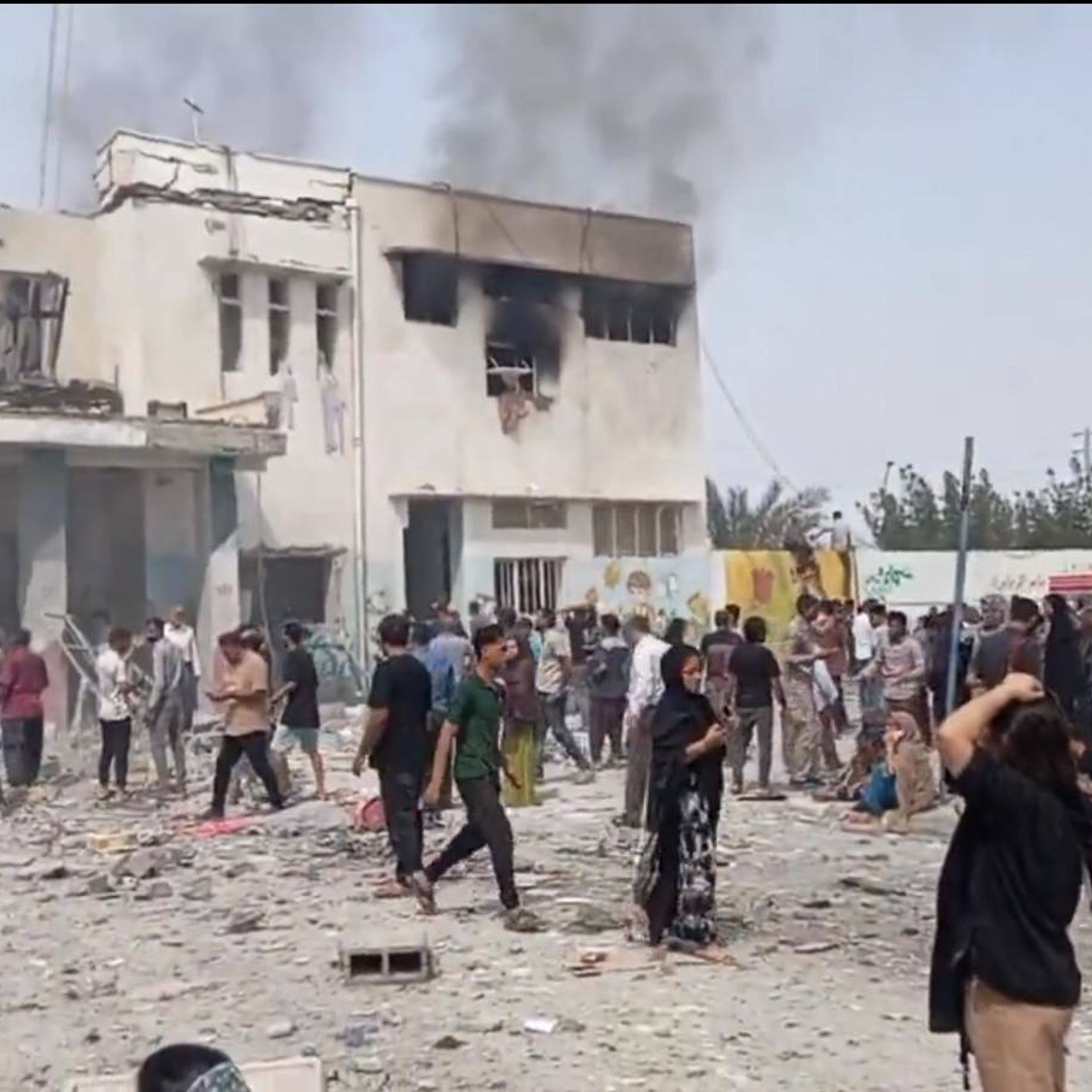
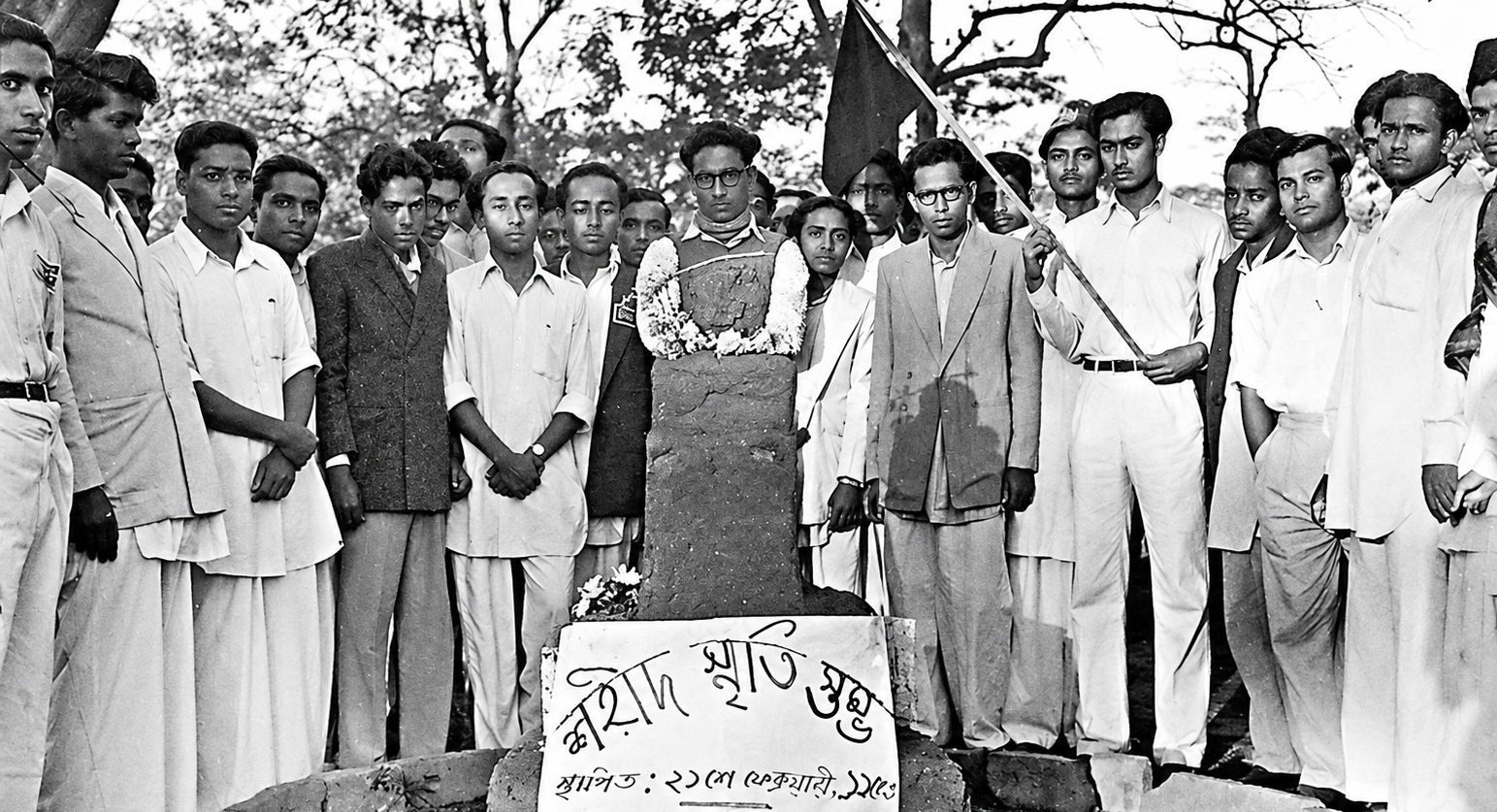
The latest reset between Bangladesh and Pakistan is being tested by their troubled past. This time, photographs of Pakistan's founder Muhammad Ali Jinnah put on display at a "renovated historical museum" at Dhaka University this month caused angry responses. The photos displayed the student wing of the Islamist Jamaat-e-Islami were torn down within days of being hung, and the University teachers' network alleged that photographs of Bangabandhu Sheikh Mujibur Rahman were removed from the show.
The incident happened after the Dhaka University Central Students' Union (DUCSU) reopened its historical museum on September 14 following a renovation. Among the new exhibits were three images of Jinnah: a photograph of him at Dhaka's Racecourse Maidan in March 1948 declaring that Urdu alone would be Pakistan's state language, a group photo from the 1940 All-India Muslim League session in Lahore and a newspaper clipping.
Angry response
Later that day, Abu Tayeb Habildar, a fourth-year Urdu department student who had previously run for DUCSU vice-president, entered the museum, tore down all three photographs, and spat on them. Talking to the media, he asked, "The administration and DUCSU leaders must answer why they have displayed photographs of Jinnah, the powerful leader of Pakistan, while leaving out the real heroes of this country's Language Movement." The following day, a separate group of students placed photographs of Jinnah and of Ghulam Azam -- a wartime collaborator later convicted of crimes against humanity -- on the floor at the museum entrance and trampled them.
Reactions
DUCSU's general secretary S.M. Farhad defended the display as part of a chronological record of the university's history and called the removal a “mob attack.” “You can correct us if we make any mistake, though we haven't made any,” he maintained. However, a rival student group, Bangladesh Chhatra Dal, reportedly gave the university a 24-hour ultimatum to remove the photograph.
Bangladesh's University Teachers' Network issued a statement condemning the renovation as "unauthorised and unlawful," saying student leaders could not impose changes "based on personal whims, partisan motives or extremist religious views." The teachers' union called the Jinnah display "a grave insult to the Bengali nation" and demanded an independent investigation along with restoration of removed items, including photographs of Bangabandhu Sheikh Mujibur Rahman that it said had been taken down.
Troubled history
Pakistan and Bangladesh were formed as a single country in 1947, split into two wings separated by roughly 1,500 km of Indian territory. Bangladesh won independence after a 1971 war in which Pakistani forces were accused of widespread atrocities. Bangladeshi estimates put the death toll in the millions. Islamabad has not issued a formal apology.
Jinnah's 1948 declaration on Urdu is widely cited as the trigger for the Bengali language movement that preceded the independence struggle. He was not himself an Islamist, but his campaign for a separate Muslim homeland has made him a reference point for Bangladesh's Islamist opposition.
DUCSU has been controlled by Bangladesh Islami Chhatra Shibir, the student wing of Jamaat-e-Islami. The group's candidates won 23 of 28 central posts in the 2025 elections. Jamaat is now the largest single opposition party in Bangladesh's parliament, having won 68 seats in February elections. The dispute follows the 2024 uprising that removed then-Prime Minister Sheikh Hasina, who has since been sentenced to death in absentia; her Awami League party has been banned, and her father Sheikh Mujibur Rahman's former residence, later a museum, was burned during the unrest.
Political analyst Altaf Parvez said the controversy reflects a broader political shift: “The ground is fertile for the rise of the Islamists. They need a suitable leader, and that is why there is so much fuss around Jinnah.” The Islamists' resolve remains on display even without the photos of Jinnah. The space where the Jinnah photographs hung remains empty. Neither the university administration nor DUCSU had announced a resolution as of publication.