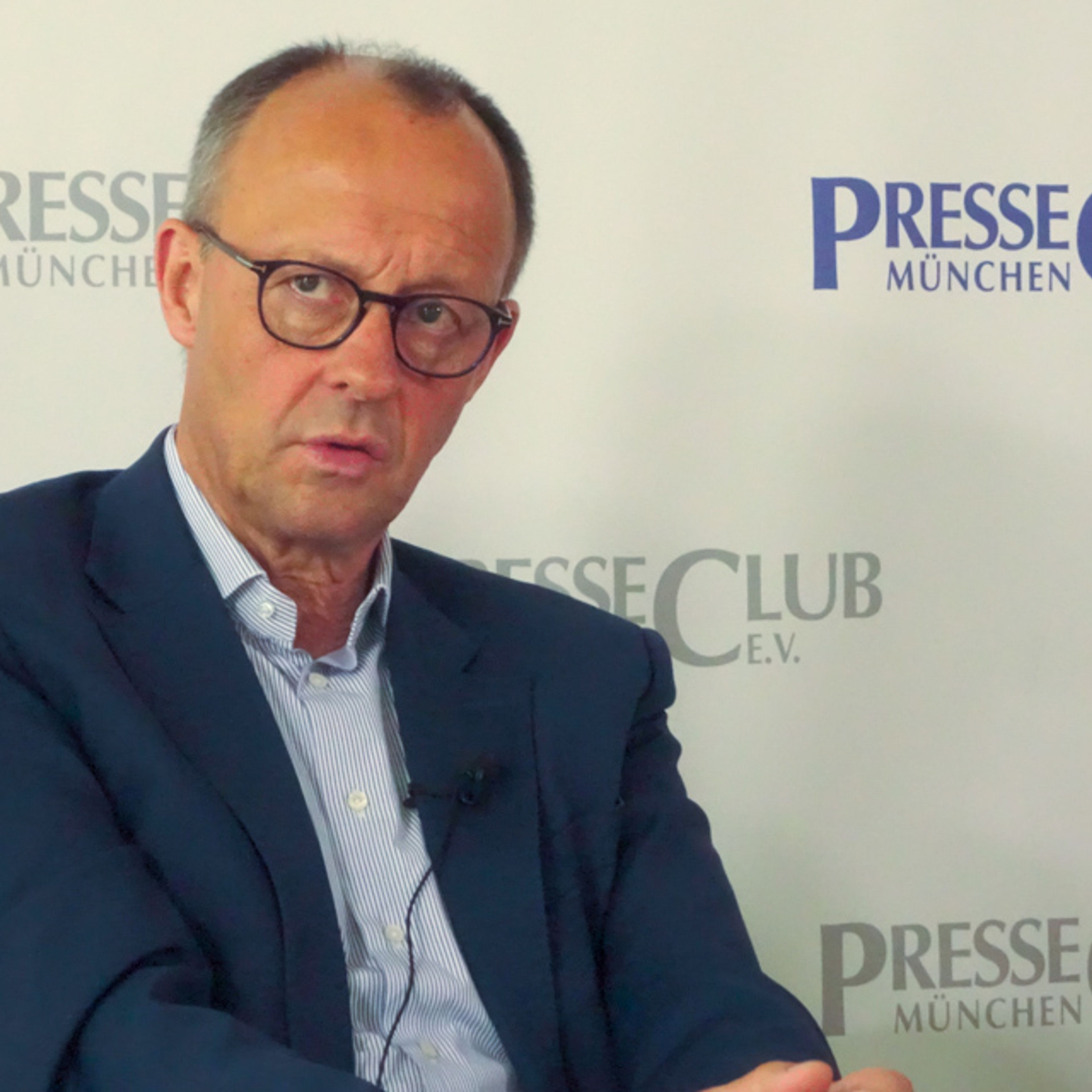
A pipeline wrecked at the bottom of the Baltic Sea three years ago may hold part of the explanation for Sunday’s (September 20) upset in northeastern Germany. When the far-right Alternative for Germany (AfD) swept to first place in Mecklenburg-Western Pomerania with 38.2 per cent of the vote – pushing the Christian Democratic Union (CDU), Chancellor Friedrich Merz’s party, below the five per cent threshold entirely – the state’s own Social Democratic Party (SPD) premier pointed to the wrecked Nord Stream pipeline as a driving force behind the result.
Manuela Schwesig, who has led the state since 2017, said two grievances above all had pushed voters toward the AfD: opposition to continued German aid for Ukraine, and – in her words – “many people also wish to see energy flowing through Nord Stream again.” Merz, for his part, called the result a disaster for his party.
Blown-up pipeline
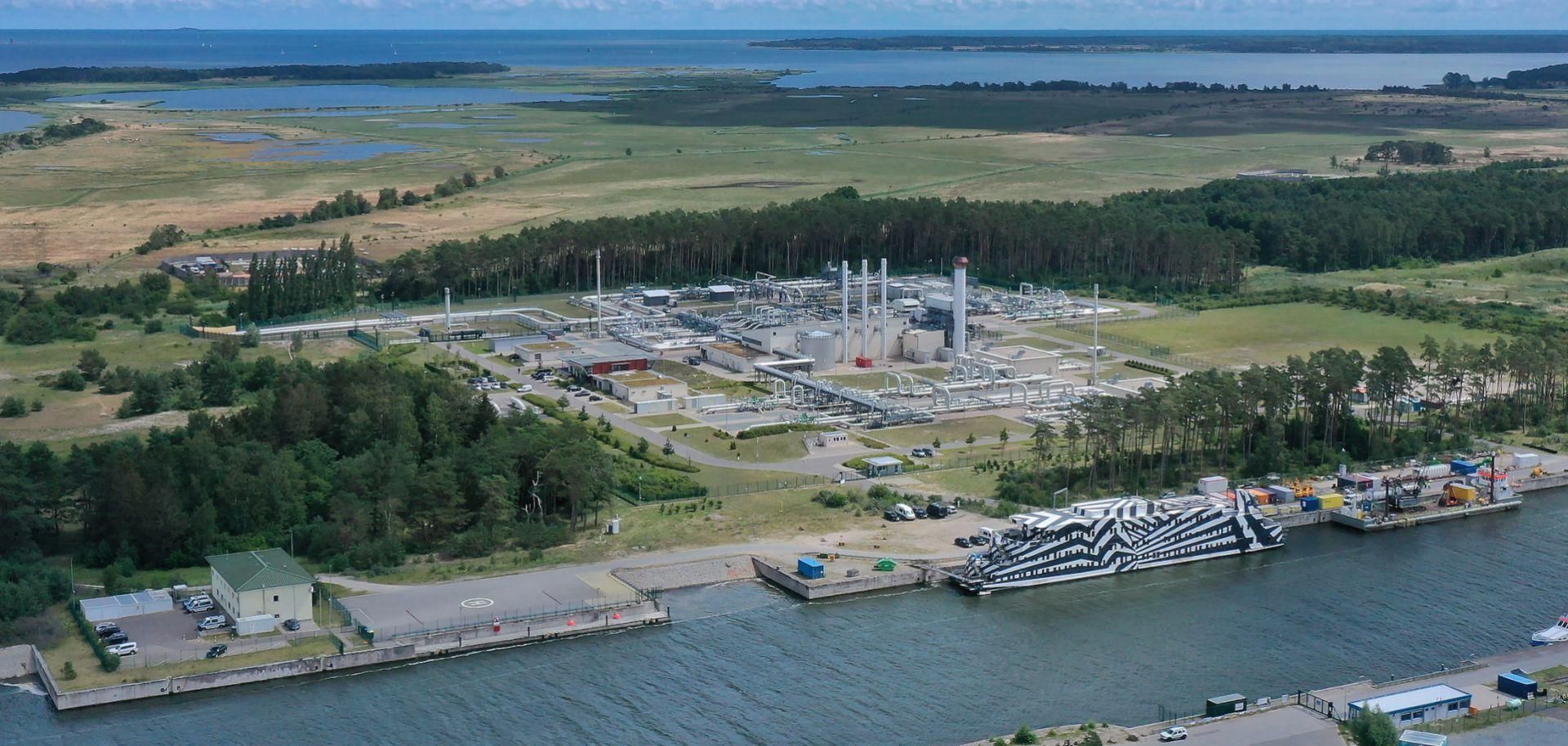
Nord Stream was built to carry Russian natural gas directly to Germany under the Baltic Sea, bypassing transit countries such as Ukraine. Nord Stream 1, running 1,222 km from Vyborg, Russia, to Lubmin, Germany, was completed in 2011-12 with a capacity of 55 billion cubic metres a year. Nord Stream 2, built alongside it between 2018 and 2021, would have doubled that capacity, but Germany halted its certification in February 2022, just before Russia invaded Ukraine, so it never entered service. On September 26, 2022, underwater explosions ruptured three of the pipeline’s four lines. Danish police concluded “the sabotage of the pipelines was intentional”, though, like Sweden, they closed their case in 2024 without naming a culprit.
In Mecklenburg-Western Pomerania, though, Nord Stream is not an abstract energy-policy debate – it is local infrastructure. Both pipelines make landfall at Lubmin, a small Baltic coast town whose economy has long depended on energy and tourism alike.
Three years on, investigators have failed to identify anyone responsible; Germany’s own investigation is now the only one still open. Blame has been thrown in several directions. Russia has accused the American CIA and Ukraine’s government, and separately claimed that “British military specialists were directing and coordinating the attack” – an allegation the UK dismissed as false. Washington and Kyiv likewise deny involvement. The US has meanwhile become a major supplier of gas and oil to Europe since the war began.
AfD’s pitch
The AfD has campaigned openly to revive Nord Stream and restore cheap Russian gas, arguing this would cut energy costs for households and industry still adjusting to pricier alternatives since the war began. The message resonates strongly in this former East German state. Germany’s economy has been slowing and unemployment rising, but mainstream parties and much of the German media reject the AfD’s contention that cheap Russian gas had been propping up the country’s manufacturing competitiveness.
Sunday’s result marked the AfD’s second regional win in a fortnight, after it took 43.8 per cent in Saxony-Anhalt earlier this month, falling just three seats short of an outright majority there. The same Sunday, in Berlin’s state election, the far-left Die Linke finished first for the first time, with 25.7 per cent votes, with the CDU slumping to 18.8 per cent there too.
Schwesig’s reversal
Schwesig's own political history adds an ironic layer. She once backed Nord Stream 2, and in 2021 her state government set up a foundation that helped shield its construction from US sanctions. After Russia’s invasion, she reversed course, called her earlier stance a mistake, and later visited Kyiv to back Ukraine’s war effort – a shift that may have cost her credibility with voters who still want the pipeline revived. Despite losing the popular vote to the AfD, Schwesig looks set to remain premier, with the Left and the Greens together holding 39 of the state parliament’s 71 seats.