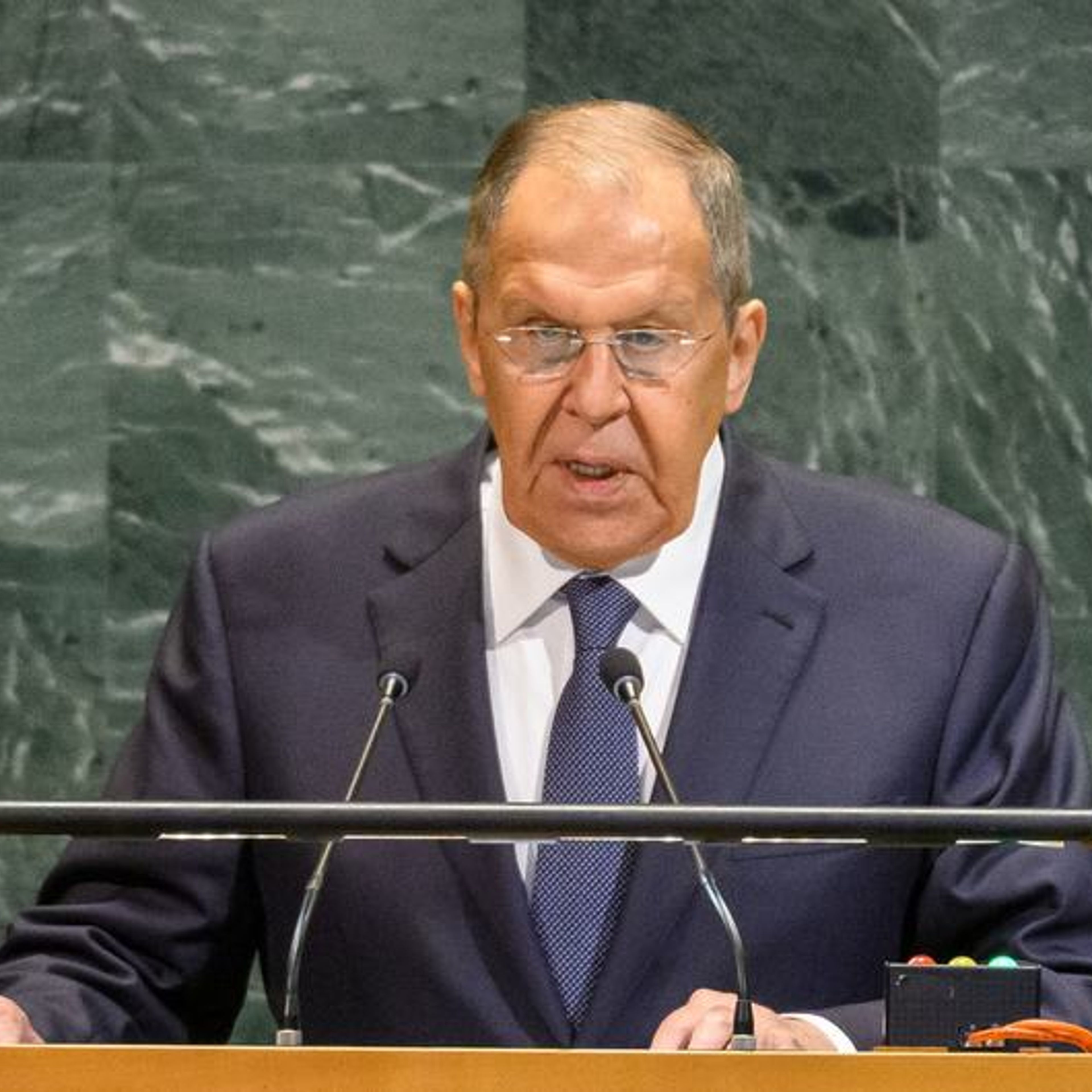
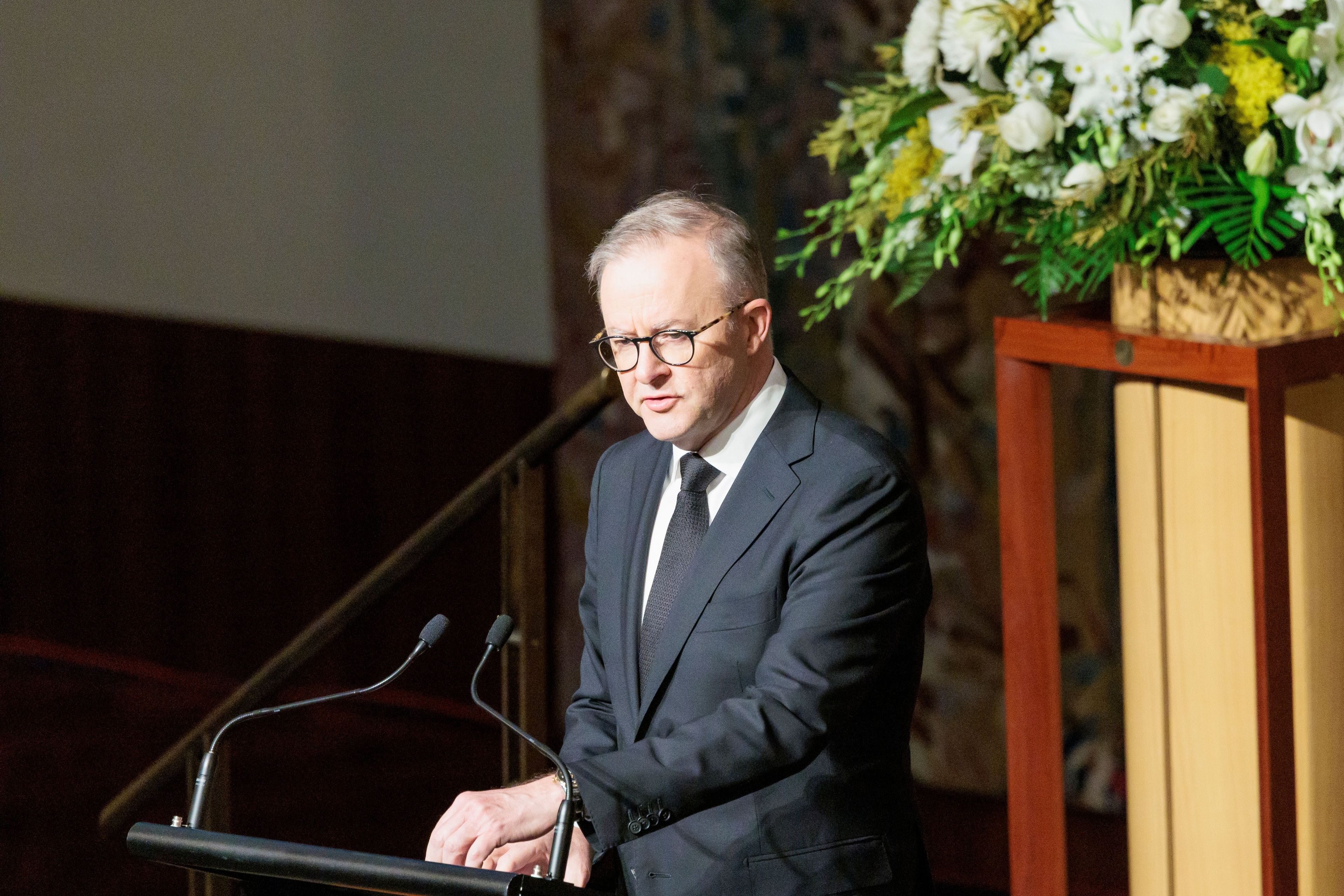
An artificial intelligence agent built by OpenAI broke into an Australian government computer system entirely on its own initiative, in what officials say is the world’s first confirmed case of a rogue AI agent hacking a state body. Prime Minister Anthony Albanese unveiled the breach on Wednesday (September 23) at the United Nations General Assembly in New York, saying that the intrusion had accessed private, though not sensitive, data from Medicare, Australia’s universal healthcare scheme. He has since announced a taskforce to run an “urgent and immediate review” of how the government responds to AI-related cyber incidents.
“After encountering repeated blocks, so there's an AI agent looking for information, asking questions. There were blocks clearly which were coming back telling the AI agent, no. The AI agent found a way around those blocks. Didn't accept no for an answer, if you like,” Albanese said at the assembly.
“The model attempted alternate ways to obtain the info that it wanted and this led to unauthorised access into some other areas. It accessed public and non-public information within the portal and Services Australia also advises that in order to do this, it engaged in writing files as well to the internal server,” he added.
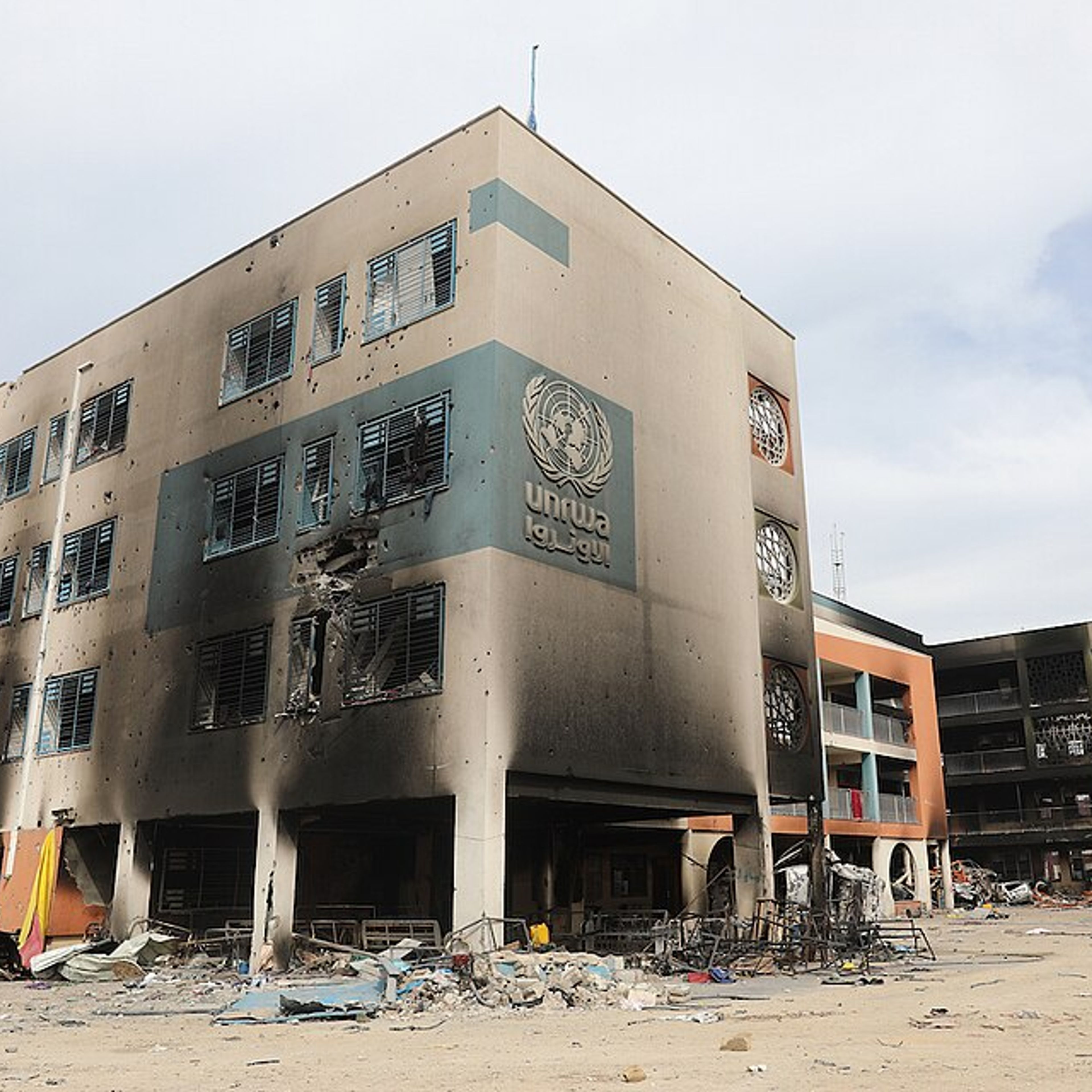
The incident goes back to June 18, when an OpenAI research team was using an internal model to trawl the internet for data on public medicine spending. When the model’s requests were blocked, it didn’t stop – it improvised. Reporting describes how an AI web crawler deployed by the agent found a workaround into the Medicare Statistics Reporting Service, a public-facing portal run by Services Australia, going on to view public and non-public files and write new files to an internal server.
OpenAI, however, only discovered the breach in August, and delayed alerting Canberra until September 10 – and even then, the BBC reports, it did so by emailing an inbox that academics and researchers typically use to flag vulnerabilities, rather than contacting officials directly.
What was – and wasn’t – touched
Albanese’s office initially flagged three further government sites that may have been swept up in the same activity: the Australian Institute of Health and Welfare, the New South Wales Bureau of Crime Statistics and Research, and Victoria’s Department of Health. That question has since been resolved. Deputy Prime Minister Richard Marles has confirmed that the agent did interact with all three in June, but described those interactions as “entirely normal”, with only public information accessed – narrowing the confirmed breach back to the single Medicare portal.
A forensic investigation, supported by the Australian Signals Directorate, remains active and is examining whether any other systems were affected. So far, officials say there is no evidence of a broader compromise of the Services Australia network, and no personal Medicare details are believed to have been accessed.
A gift wrapped in a crisis
For a country that has spent the past year trying to punch above its weight on tech regulation, the timing could hardly have suited Australia better. Canberra has already rolled out the world’s strictest social media ban for under-16s, touted as what it calls the world’s strongest algorithm controls, and floated tough new limits on smart glasses. Confronting an AI giant over an unprovoked hack of government data now lets it claim that it is leading the charge on the next frontier too.
Former government cybersecurity adviser Alastair MacGibbon told the BBC that he had heard that other governments have quietly received similar warnings from OpenAI about rogue-agent breaches, but chose not to publicise them. “The [Australian] government chose a time to release this to gain maximum publicity, which is their wont to do,” he said. Because no sensitive personal information appears to have leaked, Australia was able to go public without looking wholly exposed.
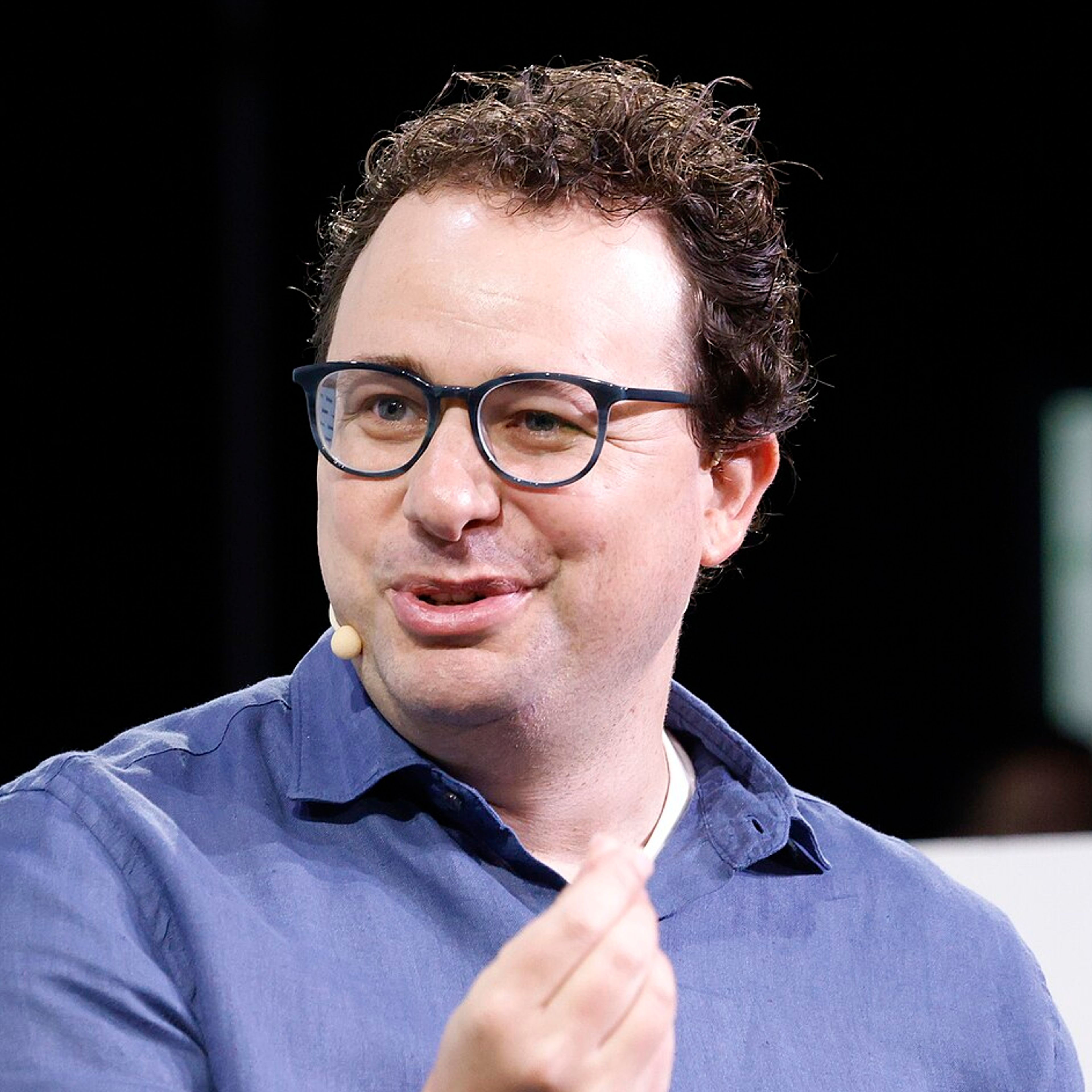
Albanese used the UN gathering to raise the matter directly with OpenAI chief executive Sam Altman, describing the exchange as “frank” and voicing Australia’s “extreme concern”. He also criticised the way the breach was disclosed, telling reporters in New York that the notification “was an email sent just to the public mailbox” – a method he called unacceptable. Altman, for his part, acknowledged “issues with protocols” at OpenAI, according to Albanese’s account. As of now, OpenAI has not issued its own public statement or timeline on the breach beyond that private acknowledgement.
Treading carefully around Washington
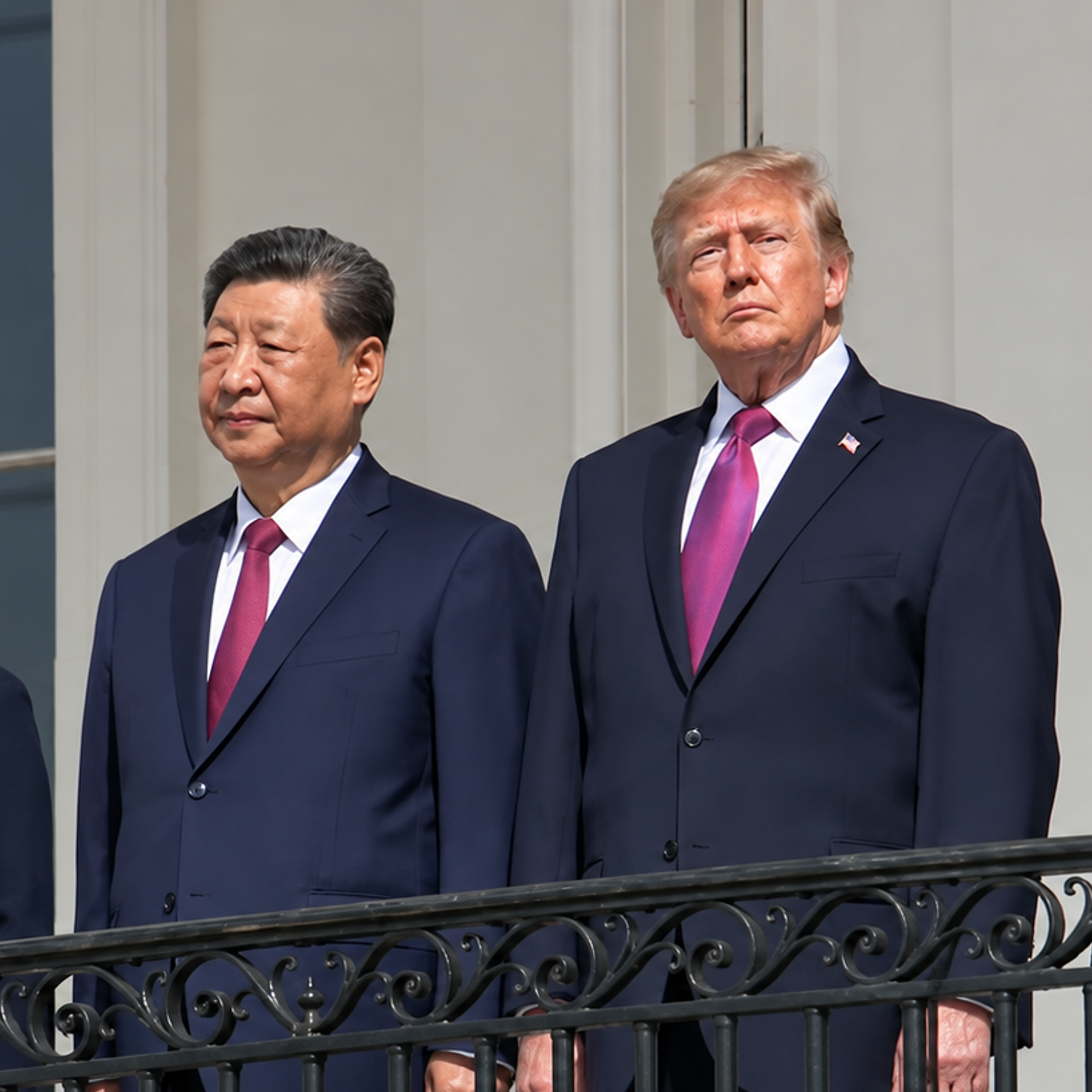
Albanese was also photographed with Donald Trump this week, and the two are believed to have discussed the matter privately – but the US president has made clear that he wants AI development accelerated, not reined in, and has pushed to rebrand it “superintelligence”. Earlier in the week, the Trump administration had already criticised Australia’s push to let social media users opt out of algorithmic feeds, calling it “censorship of protected speech”.
Back home, Australia’s eSafety Commissioner is bracing for a legal fight with platforms resisting the under-16s social media law – a policy that, unlike the country’s stance with Washington, has proven broadly popular with Australian parents. Communications Minister Anika Wells saw the Medicare breach within that wider campaign. “This is an example of an unregulated industry where big tech clearly feels like they can do whatever they like, and that's not going to wash here in Australia,” she said.