
South Korea’s presidential office demanded an official explanation and apology from Ukraine on Sunday (September 27). It accused Kyiv of breaching a confidentiality agreement by announcing at the UN that Ukraine had sent two captured North Korean soldiers to South Korea, then falsely denying the deal existed. Kyiv, however, denied the allegation.
Senior presidential secretary Seong Ghi-hong said in a statement that the office felt “strong regret” over Ukraine’s disclosure and its later denial. He said the denial had seriously damaged trust and could harm bilateral relations. Ukraine revealed the transfer “unilaterally and abruptly” in the president’s UN speech, Seong said, without sufficient advance explanation or consultation. The government is reviewing additional measures, he said, without saying what they are.
What triggered the row
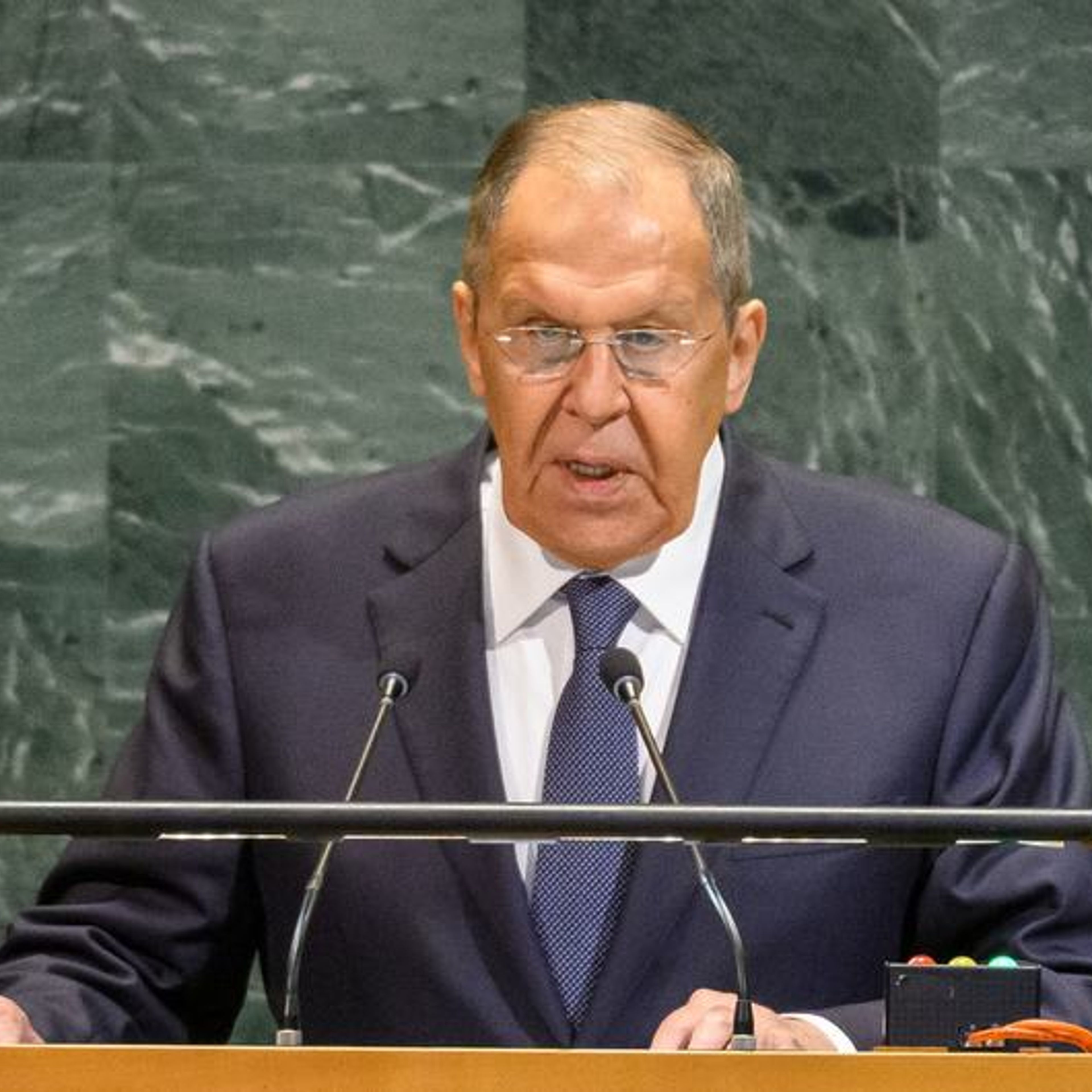
In his September 23 address to the UN General Assembly, Ukrainian President Volodymyr Zelenskyy said: “Recently, we sent two North Korean prisoners of war to the Republic of Korea.”
He gave no date or details. He said the men were “not easy to capture alive” and that one tried to kill himself on realising he would be taken as a prisoner, and accused Kim Jong Un of treating soldiers like “currency”. He praised the two men, who he said “chose freedom of their own will.” Ukraine captured the pair, the first North Korean soldiers taken alive in the war, in Russia’s Kursk region in January 2025. South Korean intelligence estimates North Korea has sent 14,000 to 15,000 troops to support Russia since 2024.
Seoul said in June that it would accept any North Korean prisoners captured by Ukraine who chose to come south, and opposed returning them against their will. President Lee Jae Myung and Zelenskyy agreed at the NATO summit in Ankara on July 8, their first bilateral summit, to handle the case on humanitarian grounds and with respect for the soldiers’ wishes. Lee also announced a $100 million support package for Ukraine. Zelenskyy had earlier floated swapping the men for Ukrainians held by Russia.
The episode sits between the Third Geneva Convention, which requires prisoners’ repatriation once hostilities end, and the principle of non-refoulement, which UN human rights chief Volker Türk said in May applies to the men.
The prisoners have been identified in the media only by their surnames. Both reportedly wished to go to South Korea, which considers North Koreans its citizens under its constitution. People Power Party lawmaker Yu Yong-weon, who met the pair in Ukraine in 2025, said on September 24 that they were understood to have reached South Korea three or four days earlier via a third country. Yu, who said he “was aware of their entry in advance” but kept quiet for the men’s safety, added that he believed intelligence agencies were taking custody of them. The government has neither confirmed nor denied the arrival.
Seoul’s case and Lee’s remarks
Seoul says it agreed to secrecy because of security, diplomatic and humanitarian concerns, including the safety of the prisoners and their families. Seong said that Ukraine had requested confidentiality, fearing domestic criticism that Kyiv had given up a chance to trade the soldiers for Ukrainian prisoners. A senior presidential official said Ukraine had told Seoul beforehand that the speech might touch on the prisoners, and Seoul replied that the transfer should not be disclosed.
Lee criticised Kyiv days earlier. In a post on X from a state visit to Mexico on September 24, he called the disclosure “deeply regrettable” and said it violated the confidentiality agreement. He said that it was “appropriate in every aspect not to disclose” the transfer. He said going public would have helped the government’s approval ratings, but that confidentiality was the right course, and he condemned the “cruelty and irresponsibility” of publicising the transfer for credit. Lee’s approval rating, at 37.9 percent, is recovering from a 10-week slide.
Lee also lashed out at critics at home, saying people who put lives and national security at risk for petty gain are “murderers or traitors.” People Power Party floor leader Jeong Jeom-sig had asked on Facebook: “Were you really so afraid of upsetting Kim Jong-un?”
The row complicates Lee’s efforts to restart dialogue with Pyongyang, at a time when US President Donald Trump has renewed his willingness to engage with North Korea. Park Won-gon of Ewha Womans University said that Pyongyang uses its deployed soldiers to build a “heroic narrative for regime propaganda,” and that Seoul appears concerned publicising the prisoners’ return could further fuel the North’s hostility. AFP reports that the dispute also risks complicating Kyiv’s requests for weapons from allies, including South Korea.
Kyiv’s response
However, Ukraine has defended its handling. Zelenskyy’s aide Dmytro Lytvyn told journalists that Ukraine is “an open country” and that only the fact of the transfer was reported, not the rest of a long story. He wrote on Facebook that there was no confidentiality agreement and that hiding where the prisoners are sent would be wrong. Yet, criticism has also come from within Ukraine. Oksana Torop, media adviser to Valery Zaluzhny, the former commander-in-chief who is now ambassador to Britain, called the announcement “a show” on Facebook. She also said a confidentiality agreement did exist, according to Seoul Economic Daily.
As of Monday, no public Ukrainian reply to the apology demand had been reported, and Ukraine’s embassy in Seoul did not immediately respond to a Reuters request for comment.