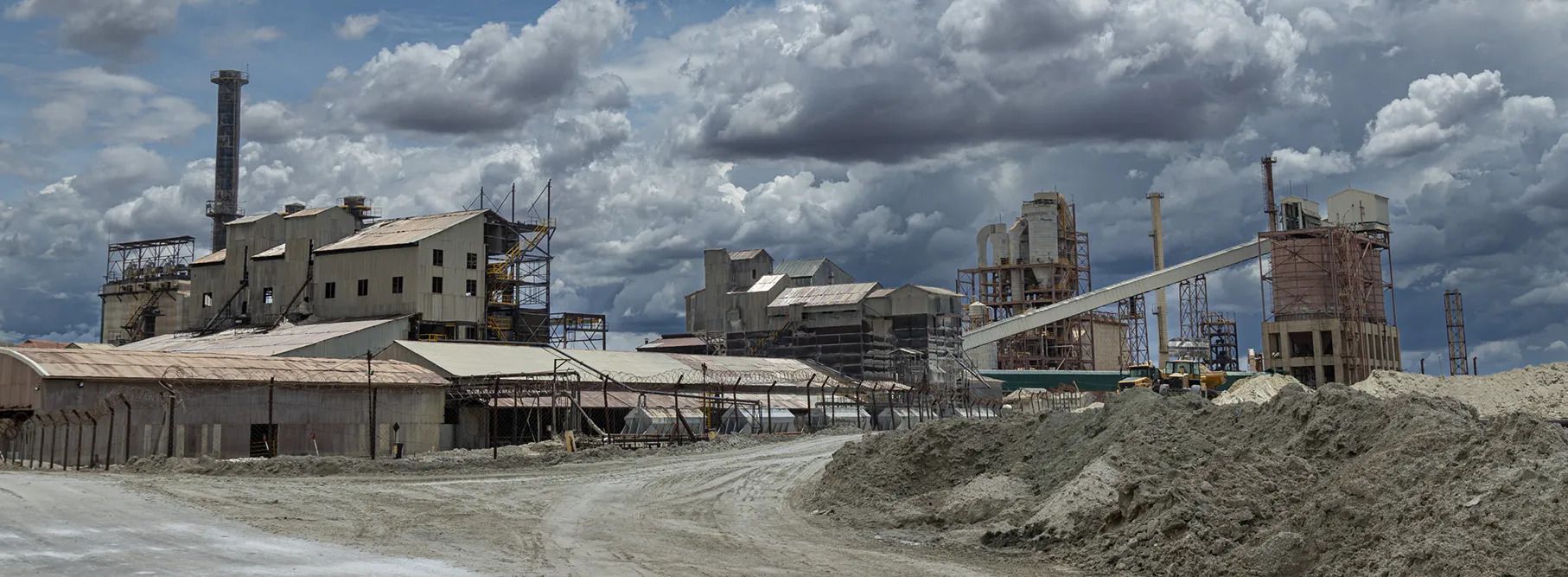
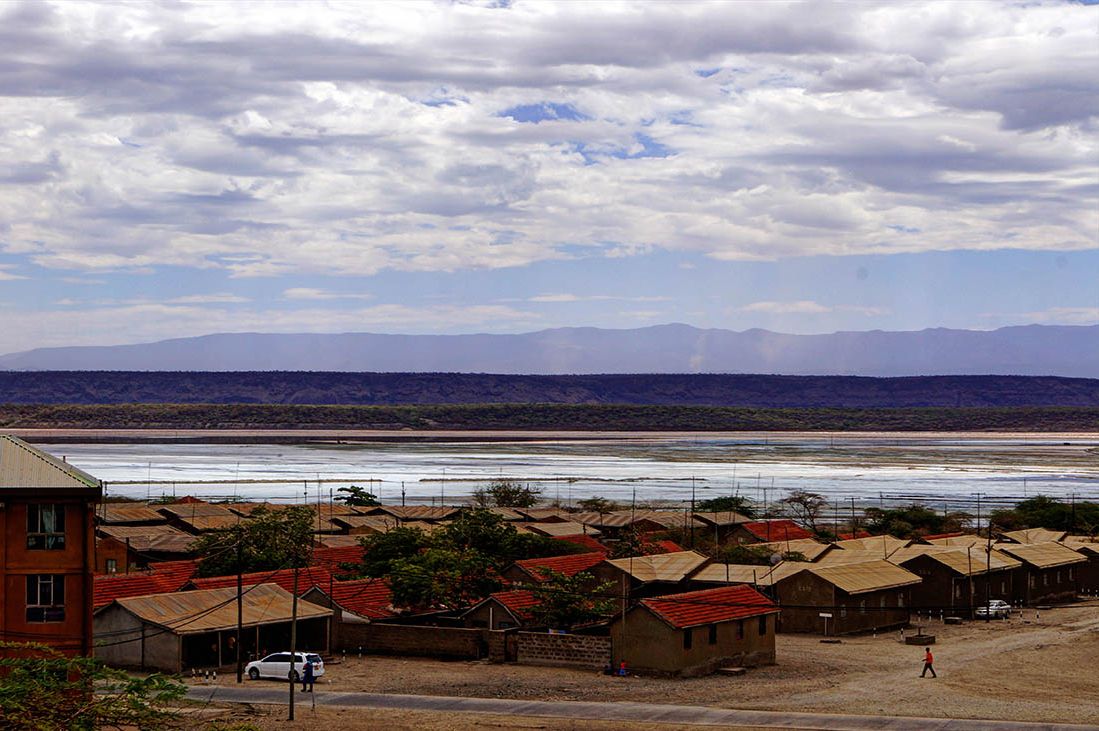
Magadi, Kenya: In Magadi, a small town 120 km southwest of Nairobi, the dispute between Kenya and Tata Chemicals has become far more than a battle over a mining licence. The town is unusually quiet on a Sunday afternoon, its normally busy streets deserted and only a handful of shops open. About 4,000 families here depend on Tata Chemicals Magadi Limited (TCML), which produces natural soda ash from Lake Magadi. The company’s facility now stands silent, its gates closed and guarded.
James Mwaura, a lorry driver who supplied groceries to local hotels, says “life has slowed down” since TCML suspended mining in July. “My customers have drastically reduced their purchases. Without Tata employees, most businesses will close, and this will hit suppliers, transporters and farmers who depend on them,” he told NWS.
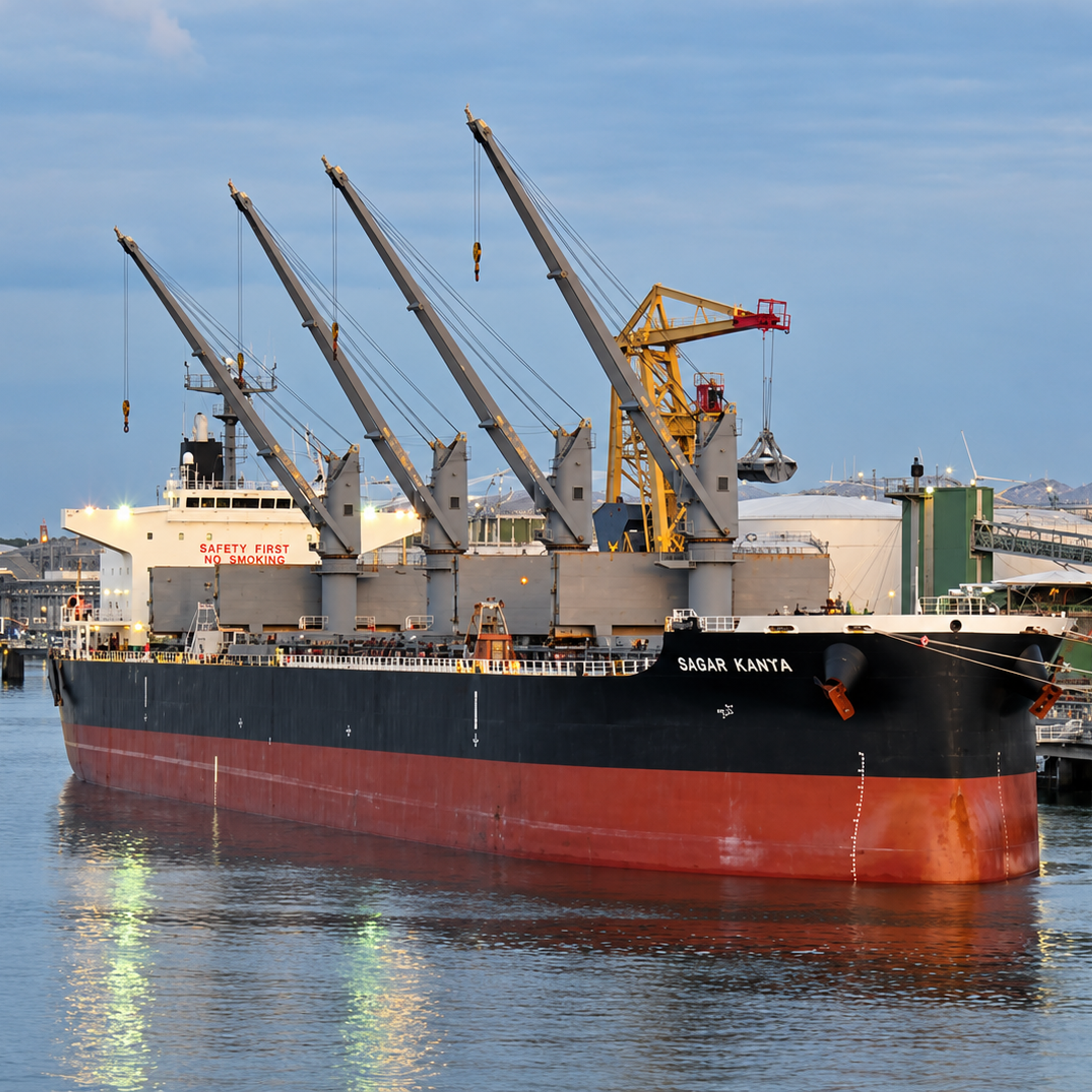
TCML is Africa’s largest soda ash producer, supplying a mineral used in glass, detergents and other industrial products, with output exceeding 350,000 tonnes annually for markets across Asia, India, the Middle East and Africa. Between January and July 2025, Kenya exported 254,779 tonnes of soda ash worth US$56.9 million. The Kenyan unit is a small part of Tata Chemicals globally, the world’s third-largest soda ash producer, whose largest operation sits in Green River, Wyoming. Tata entered Kenya in 2005 by acquiring the London-based Brunner Mond Group.
Suspension of operations
TCML’s operations came to a sudden halt after the Kenyan government suspended them over “unresolved mining compliance issues” on July 28. TCML challenged the order in Kenya’s High Court on July 30, but the court declined to grant relief, ruling that the suspension had already taken effect. On September 3, President William Ruto hardened the government’s position further, ordering Tata Chemicals out of the country. He accused TCML of failing to establish a value-addition ecosystem despite a century-long presence in Kenya – a claim that may not be strictly accurate – Tata took over the Magadi plant in 2005 through its acquisition of the London-based Brunner Mond Group – though his demand for local beneficiation of Kenya’s soda ash reflects a broader shift across Africa, where governments are seeking greater value from their raw materials.
Following the President’s statement, the government accused the company of violating regulations under Kenya’s Mining Act of 2016, which requires mining companies to establish a community committee in their area of operation and allocate at least one per cent of gross income to community development. The government has also raised concerns about TCML’s monopoly over Lake Magadi’s mineral resources, arguing that more investors should be allowed to exploit them.
Speaking with NWS, Cabinet Secretary for Mining Hassan Joho maintained that the action against Tata Chemicals was not rushed. “We served a suspension notice to Tata Chemicals in July. However, instead of addressing the issues we had raised, they opted to seek legal redress in court,” he said. President Ruto has suggested awarding the contract to new investors under stricter conditions, proposing two additional companies, though none have been named.
Kajiado County, where TCML is based, is also demanding the company return part of the land it occupies, with Governor Joseph Ole Lenku calling the situation a “historical land injustice.” He claims Tata occupies more than 200,000 acres but uses only about 11,000, and alleges the company owes the county US$100 million in unpaid land rates. Lenku says the plant should not reopen until community interests are protected and a fairer benefit-sharing agreement is reached.
TCML’s response
TCML maintains it has not violated any laws. Company officials have not directly addressed why it failed to establish a value-addition industrial ecosystem, citing ongoing negotiations with the government. TCML legal manager Karen Wanjohi told NWS the company provided the necessary information, reports and documentation on August 17 in response to all issues raised by the Ministry of Mining. “As a leading company, we remain committed to open and continued engagement with the government, and we look forward to the report the committee will provide and any direction the government provides,” she said. She added that a prolonged shutdown risks disrupting an existing export chain involving workers, contractors, transporters and other businesses.
Magadi feels the heat
Magadi is already in severe distress. TCML is not only the town’s major employer but also provides basic amenities to the community, running three schools, a hospital and a water plant. In July 2025, Tata commissioned a 10-tonne-per-hour electric calciner and a 5MW solar plant. Since the suspension, the local economy has ground to a halt and these essential services have become unavailable.
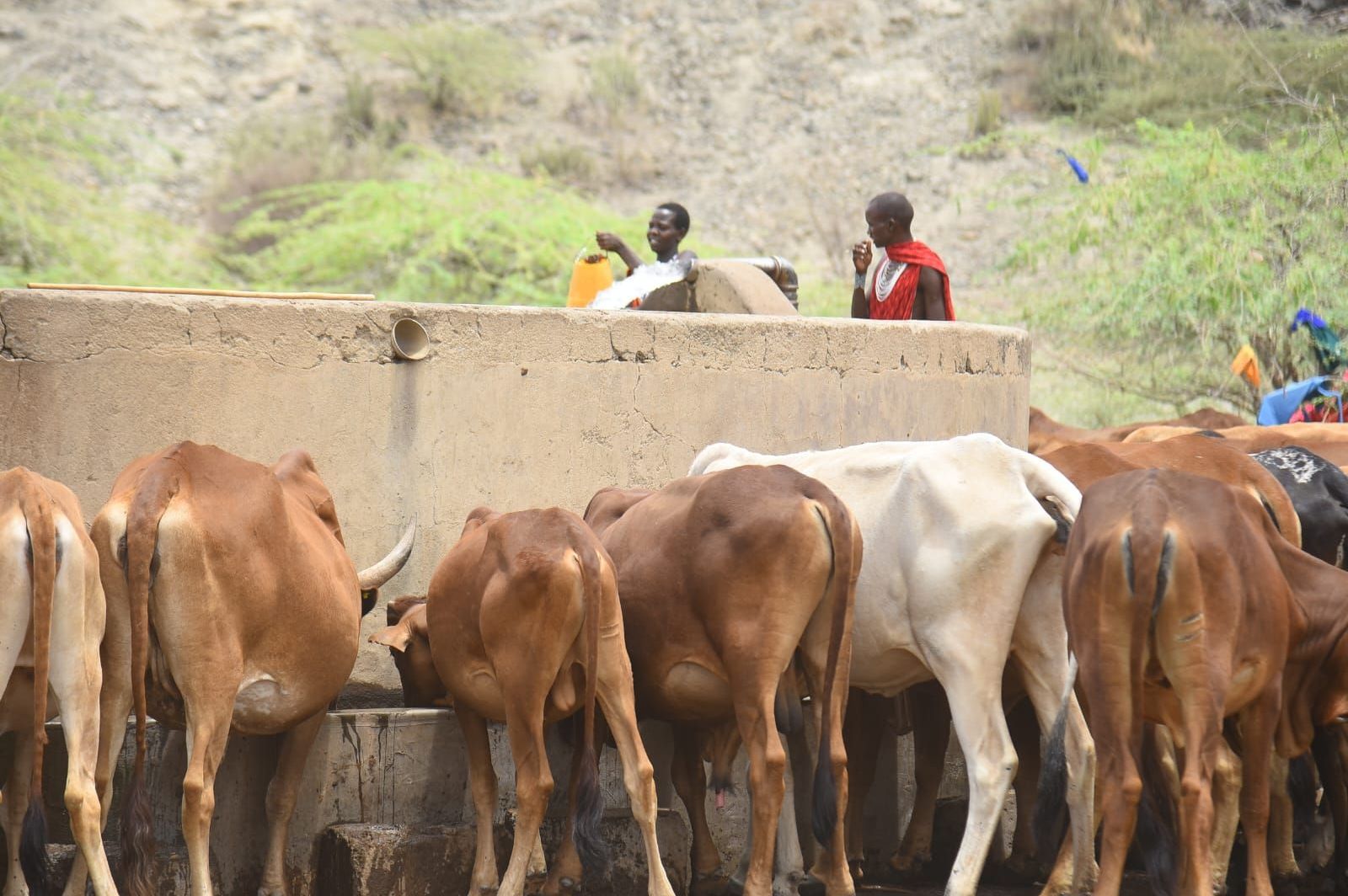
Ezekiel Rapudo has worked as a machine operator at Tata Chemicals for 40 years. He moved from Kisumu to Magadi because of Tata and made the town his home. He told NWS that Tata has provided livelihoods for hundreds of employees and their families for decades, and that the suspension has left workers and their families “stranded and confused”. “It has been months now with no work and no salary. We are struggling to meet basic needs for our families,” he said. For more than 500 workers like him, employment also meant free water, housing, healthcare and education for their children – benefits they now fear losing if the company fails to resume operations. “People are already feeling the heat, and we fear that things might get worse unless a quick solution is found,” he added.
Peter Kuresha, a Magadi resident, has been forced to close the food kiosk he ran for 20 years. “The ongoing dispute has not only affected the company and its workers but also businesses that relied on the company’s operations. When workers are not reporting to work, I cannot operate my hotel,” he said, adding that the longer the shutdown continues, the harder life becomes for the town.
Dry taps and health risk
Before suspending operations, Tata Chemicals ran a water treatment plant with a capacity of 1.5 million litres a day, supplying free drinking water to more than 30,000 Magadi residents. Since the halt, women like Nancy Naserian and Beatrice Resian have been forced to walk more than five kilometres to fetch water. “The free water at our doorsteps is gone. We are now forced to walk long distances to buy water,” Naserian said, adding that the time spent searching for water means forgoing activities such as farming or going to market.
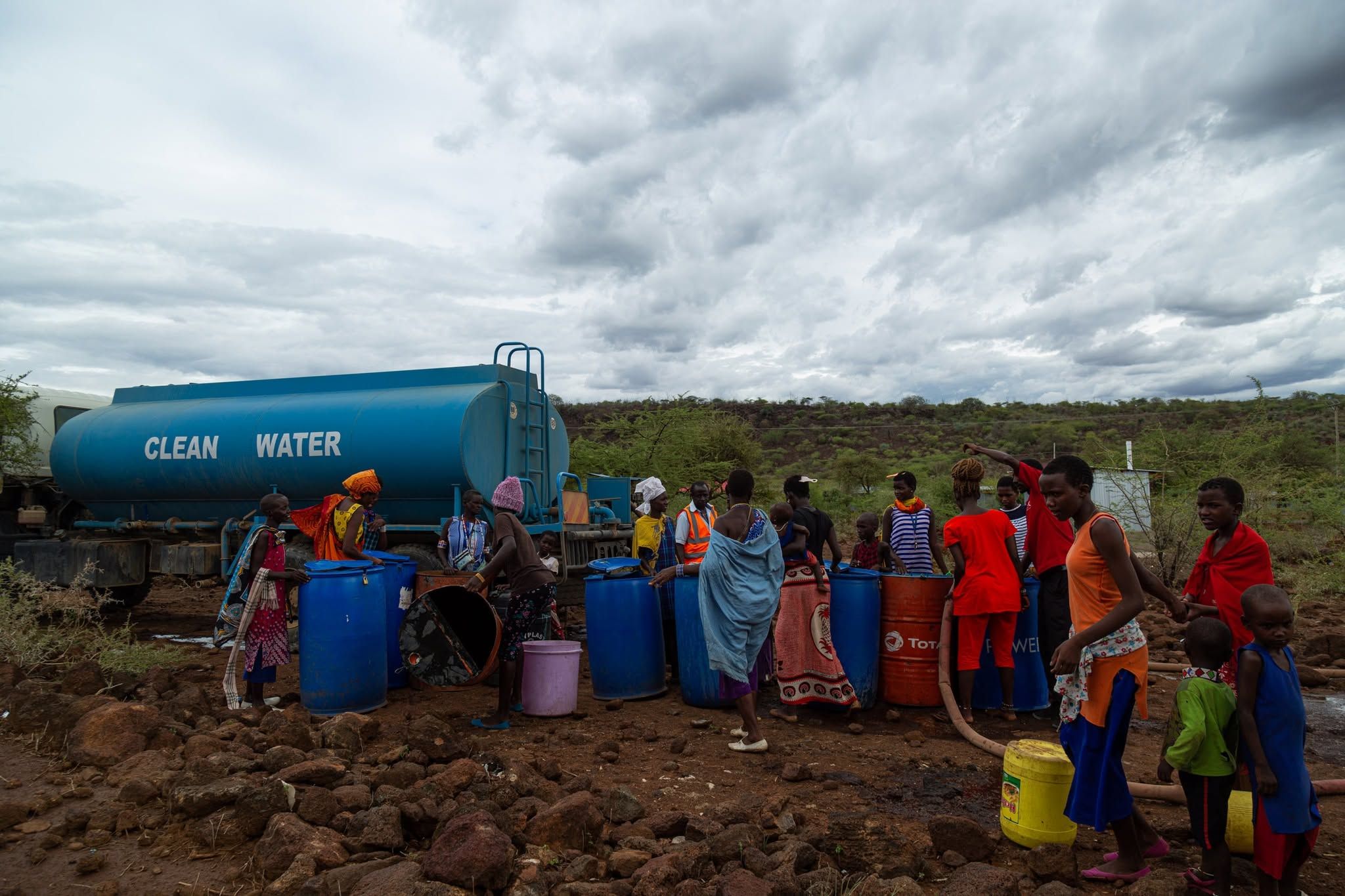
Resian fears the closure may also shut the company-run hospital, which provides free services to the community. “This hospital has been of great help to us women and our children. If it closes, it will be a big trouble for us. Many people here cannot afford private hospitals, and we may have to travel long distances to get basic treatment. We are worried about what will happen to our families,” she told NWS.
Ongoing negotiations
On September 8, Mining Cabinet Secretary Hassan Joho announced a high-level technical committee to resolve outstanding compliance and regulatory issues, formed after a meeting between the ministry and TCML. Mining Principal Secretary Harry Kimtai leads the government side; TCML CEO Swaminathan Nagarajan heads the company’s team.
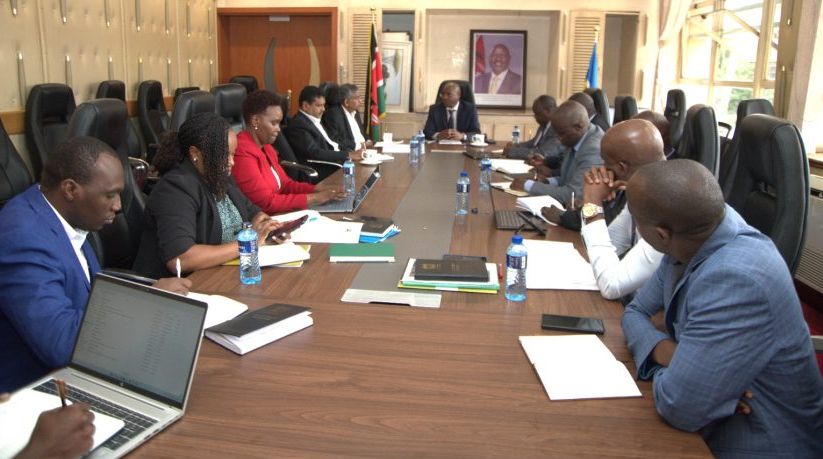
The committee is reviewing mineral beneficiation and in-country value addition, outstanding community benefits and royalty obligations, pending land tax matters, unresolved land issues, and opening the area to multiple mineral extraction. “As a government, we remain committed to constructive engagement with investors while firmly upholding Kenya's laws and the interests of its people,” said Joho. “The objective is not only to resolve the outstanding compliance matters but also to establish a sustainable framework that promotes responsible mining, value addition, community development and mutually beneficial partnerships.”
Towards a resolution
The review could conclude by mid-October, with government and mining-industry sources hinting at a possible resolution and resumption of TCML operations. Kimtai told NWS the government is keen to resolve the stalemate through an “orderly and consultative process.” “The committee formed by the Minister has held two meetings, and the progress is promising. Both parties are committed to the process, and as a government, we are hopeful of a win-win outcome,” he said.
Brian Simiyu, CEO of the Kenya Chamber of Mines, told NWS the government is likely to clear TCML to resume operations if the company agrees to in-country value addition. “The contentious issue is not even the size of underutilised land Tata occupies or the unpaid land rates. Export of raw materials is the major issue, and as things stand, we might see the company back in operation,” he said, describing the standoff as part of a wider trend across Africa. “There seems to be an awakening on the continent where leaders are keen on protecting their natural resources and ensuring their countries reap maximum benefits.”
Sources familiar with the review told NWS the government is discussing options with Tata Chemicals to begin local beneficiation through value addition. TCML is expecting the government to offer appropriate incentives to implement its plans for Lake Magadi. Resumption is most likely if the company agrees to a plan that utilises Kenyan soda ash within the country.