Taiwan has handed over a retired coastguard vessel to the Philippines, a transfer that has triggered a dual controversy – stoking fears over the interests of Taiwanese fishermen while drawing fierce criticism from Beijing. The deal underscores how far Taipei and Manila are prepared to push unofficial security ties despite having no formal diplomatic relations.
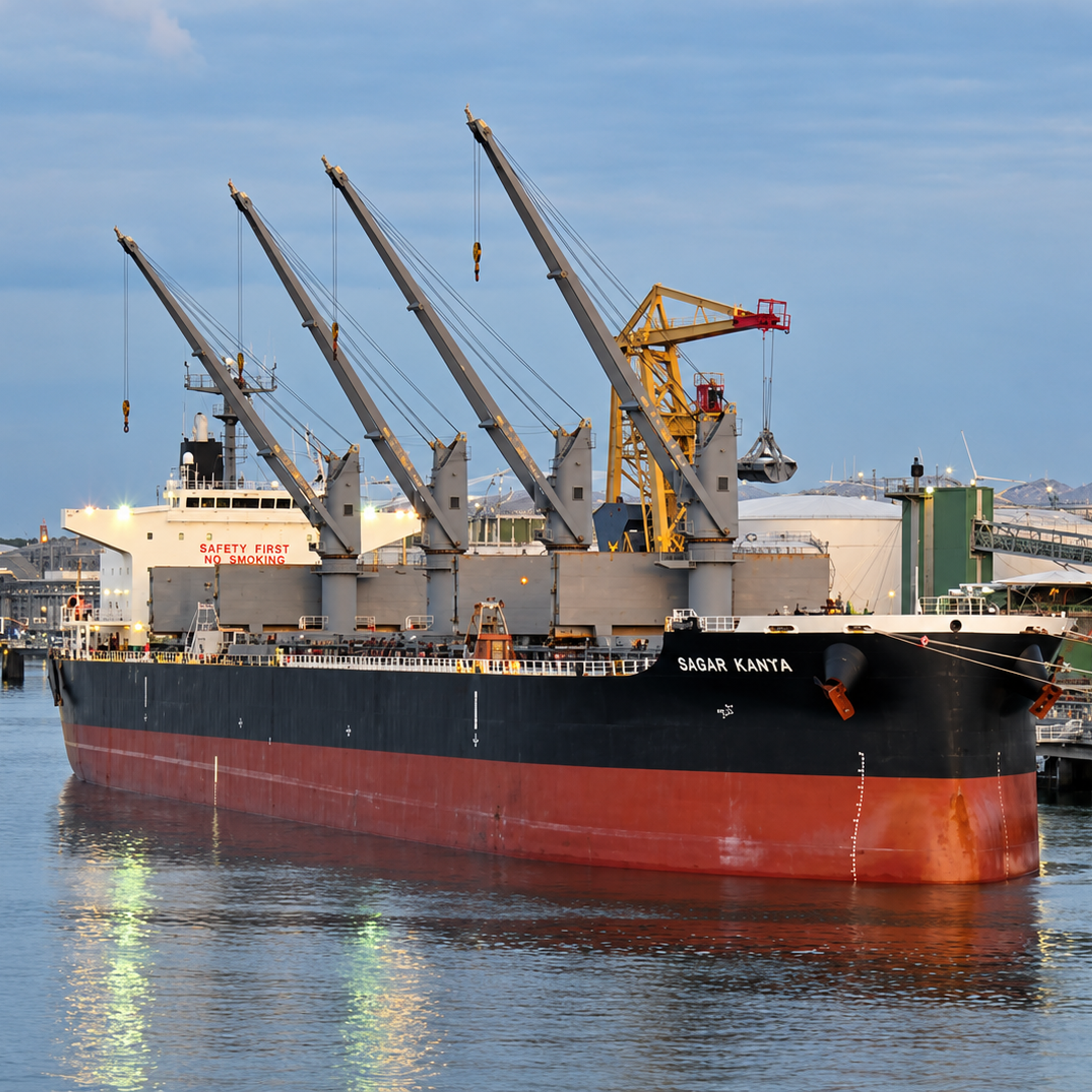
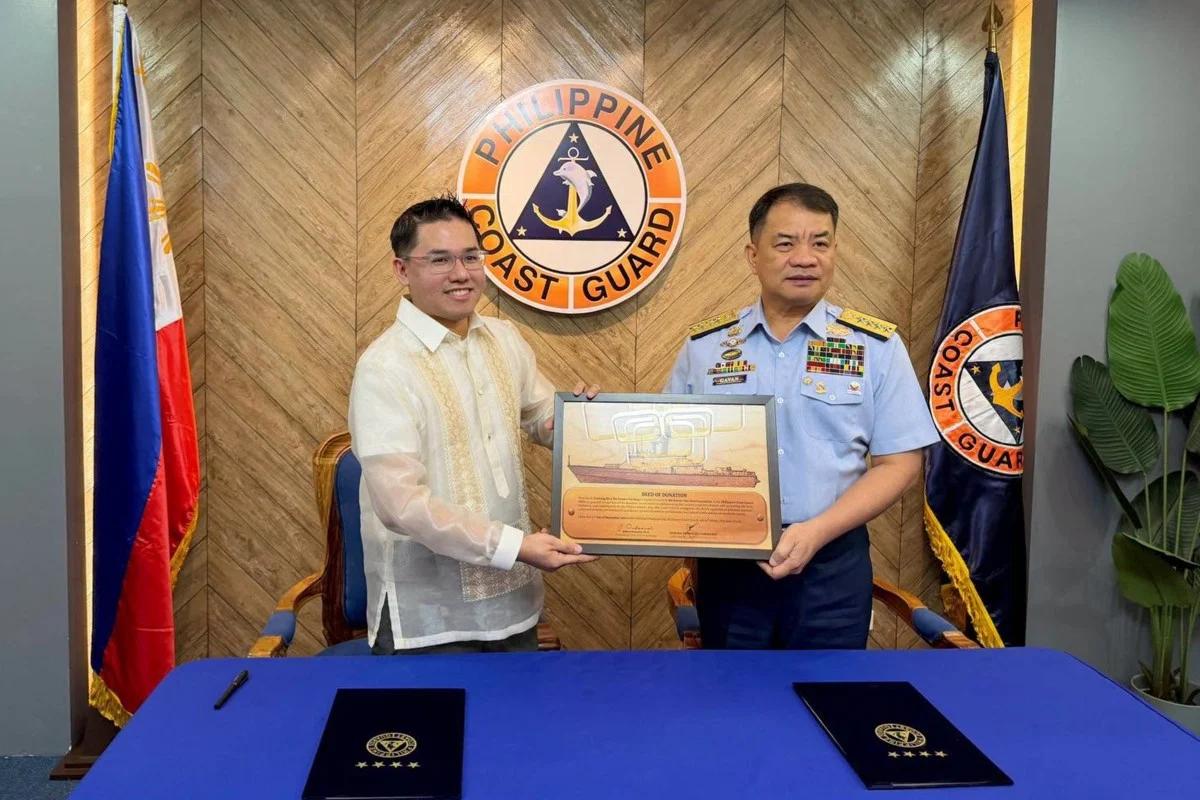
The 61-metre (200-foot), retired cutter was formally handed to the Philippine Coast Guard through a non-governmental organisation earlier this week (September 21), at a ceremony at the Philippine Coast Guard’s national headquarters in Manila’s Port Area. Admiral Ronnie Gil Gavan, the Philippine Coast Guard’s commandant, received the deed of donation from Jeffrey Ordaniel, president and chief executive of the Manila-based We Protect Our Seas (WPS) Foundation, which brokered the transfer. Taiwanese sources have identified the vessel as the decommissioned patrol ship Kinmen (CG-123), a former 500-tonne cutter of Taiwan’s Coast Guard Administration.
Geopolitics behind the gangway
The handover sits at the intersection of two of East Asia’s most sensitive fault lines. Kinmen, the vessel’s namesake, is a Taiwanese-administered island just a few kilometres off the coast of China’s Fujian province, and has repeatedly been the scene of confrontations between Taiwanese and mainland coastguard and fishing vessels. The ship itself, meanwhile, has now crossed more than 1,500 nautical miles south to be redeployed around Mindanao, a southern Philippine island facing the Sulu and Celebes seas, well away from the contested waters of the South China Sea and the Luzon Strait that separates the Philippines from Taiwan.
The Philippines has had no formal diplomatic ties with Taipei since 1975, when Manila switched recognition to Beijing under the “one China” framework that still governs their relationship. Taiwan’s coastguard has previously donated retired vessels only to Pacific states that maintain full diplomatic relations with it, such as the Marshall Islands, Palau and Tuvalu – making this the first known transfer of its kind to a country that formally recognises Beijing instead.
Beijing’s response
China’s Taiwan Affairs Office (TAO) spokesperson Zhu Fenglian, in a furious response, accused Taiwan’s governing Democratic Progressive Party of “taking the side of the evildoer” and said the island’s authorities had increased the risk of harm to Taiwanese fishermen’s interests, given that the Philippines and Japan have separately opened maritime boundary negotiations in waters east of Taiwan. The party had failed to protect Taiwanese people and was instead “helping an evildoer do evil”, Zhu said on Wednesday, in remarks describing the ruling Democratic Progressive Party’s (DPP) action as “despicable”.
Taipei, however, has firmly rejected the criticism. Ocean Affairs Council Minister Kuan Bi-ling said on Wednesday that the donation was intended to strengthen regional maritime safety and search-and-rescue capacity, and insisted it would not harm Taiwanese fishing communities. The donation agreement, she noted, explicitly stipulates the vessel “will never be used for law enforcement against Taiwanese fishing vessels.” Kuan also turned the criticism back on Beijing, arguing that Taiwanese fishermen face far more immediate danger from mainland Chinese vessels, pointing to at least three incidents since 2024 in which Taiwanese boats were boarded and their crews detained.
A “notable shift” in strategy
Regional analysts see the transfer as more than symbolic. Su Tzu-yu, a research fellow at Taiwan’s government-funded Institute for National Defense and Security Research, saw the development as part of a broader international effort to counter what he called China’s “expansionist behaviour” along the first island chain, the arc of territory stretching from Japan to Borneo. “China’s grey zone threats have prompted collaboration between the ‘white fleets’,” Su said, adding that Beijing’s own assertiveness had, in effect, backfired.
Michael Bosack, director of the Parley Policy Institute, told the Washington Post that the move marked a departure from Taiwan’s earlier donations, which were mainly about capacity-building. This transfer, he said, hands the Philippines “an asset that could have a direct impact on contestation with China” – one that could help the Philippine Coast Guard “hold firm” against its Chinese counterpart in disputed South China sea waters, though he cautioned that it remained unclear whether Manila would deploy it for that purpose.
For now, the WPS Foundation says that the newly renamed Training Ship WPS will be deployed to Mindanao for search and rescue, disaster response, humanitarian assistance and marine environmental protection – roles far removed from the front-line coastguard patrols of the South China Sea. Ordaniel said that the goal was to build Philippine capacity to serve fishermen, mariners and coastal communities.