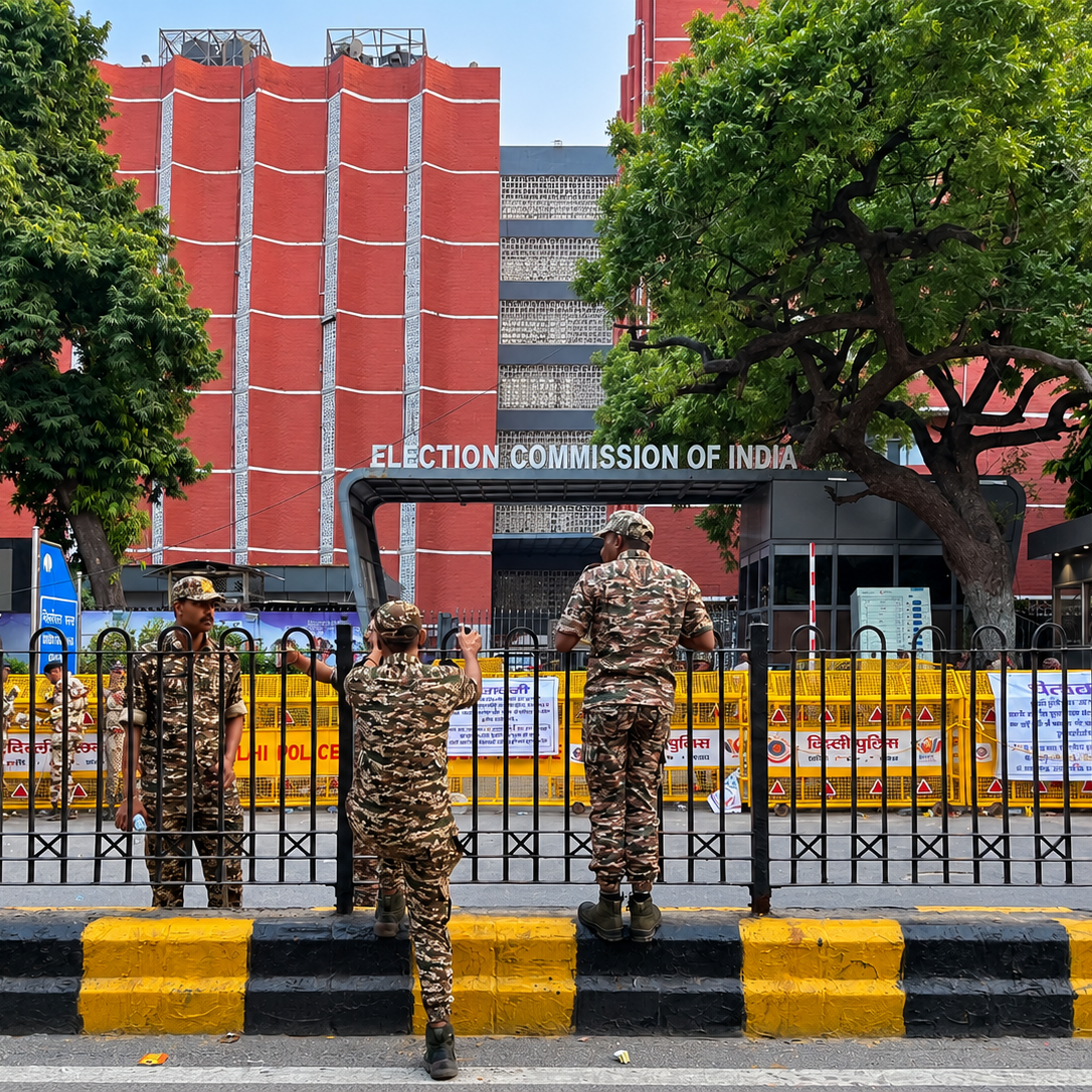
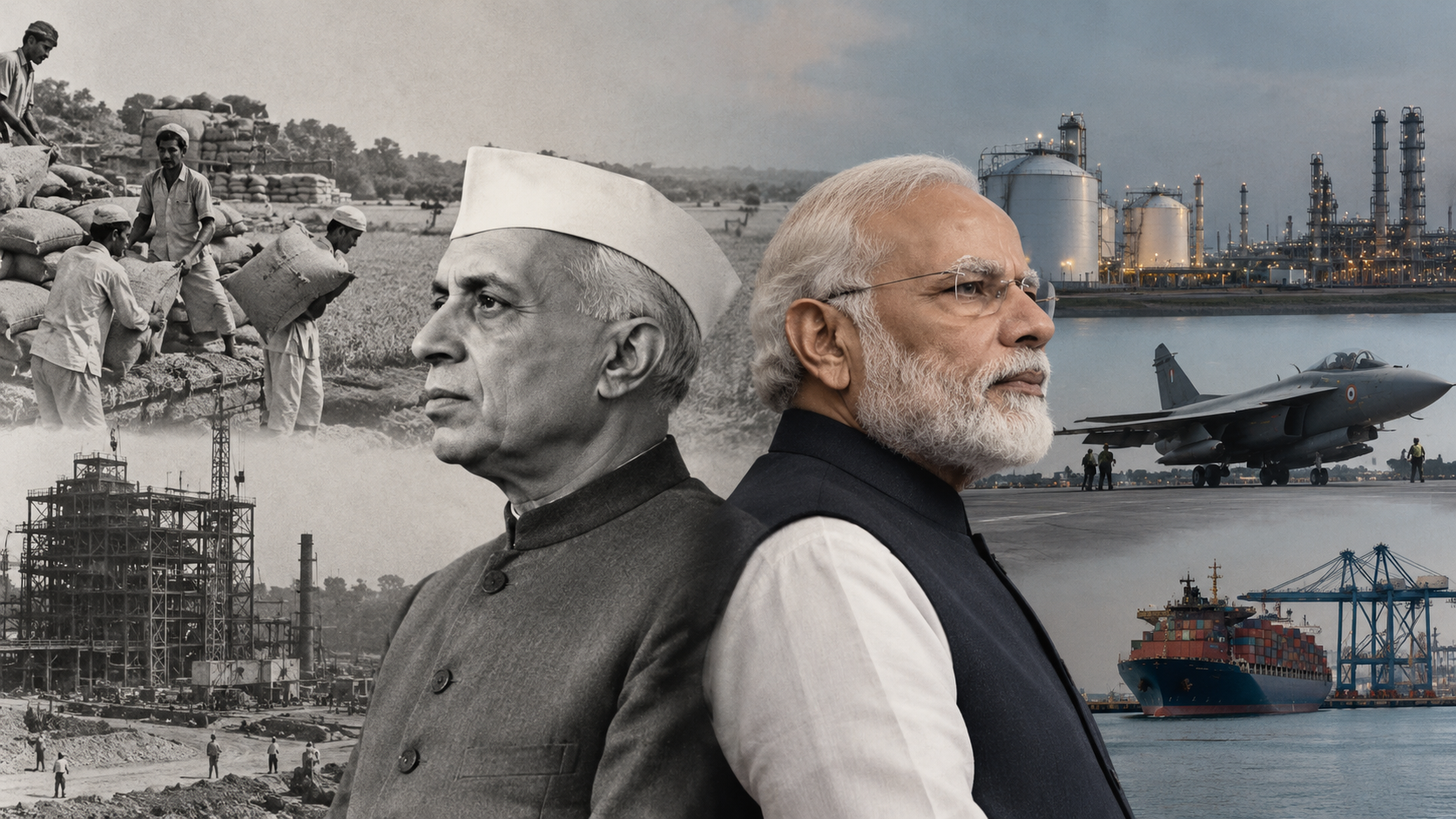
Prime Minister Narendra Modi calls it ‘Atmanirbharata’. Prime Minister Jawaharlal Nehru called it ‘Self-Reliance’. The former would, understandably, seek some product differentiation, but it is the same idea: that India needs to stand on its own two feet to come resolutely out of two centuries of colonialism and underdevelopment and recover its economic space globally, ensuring well-being and livelihoods for all its citizens.
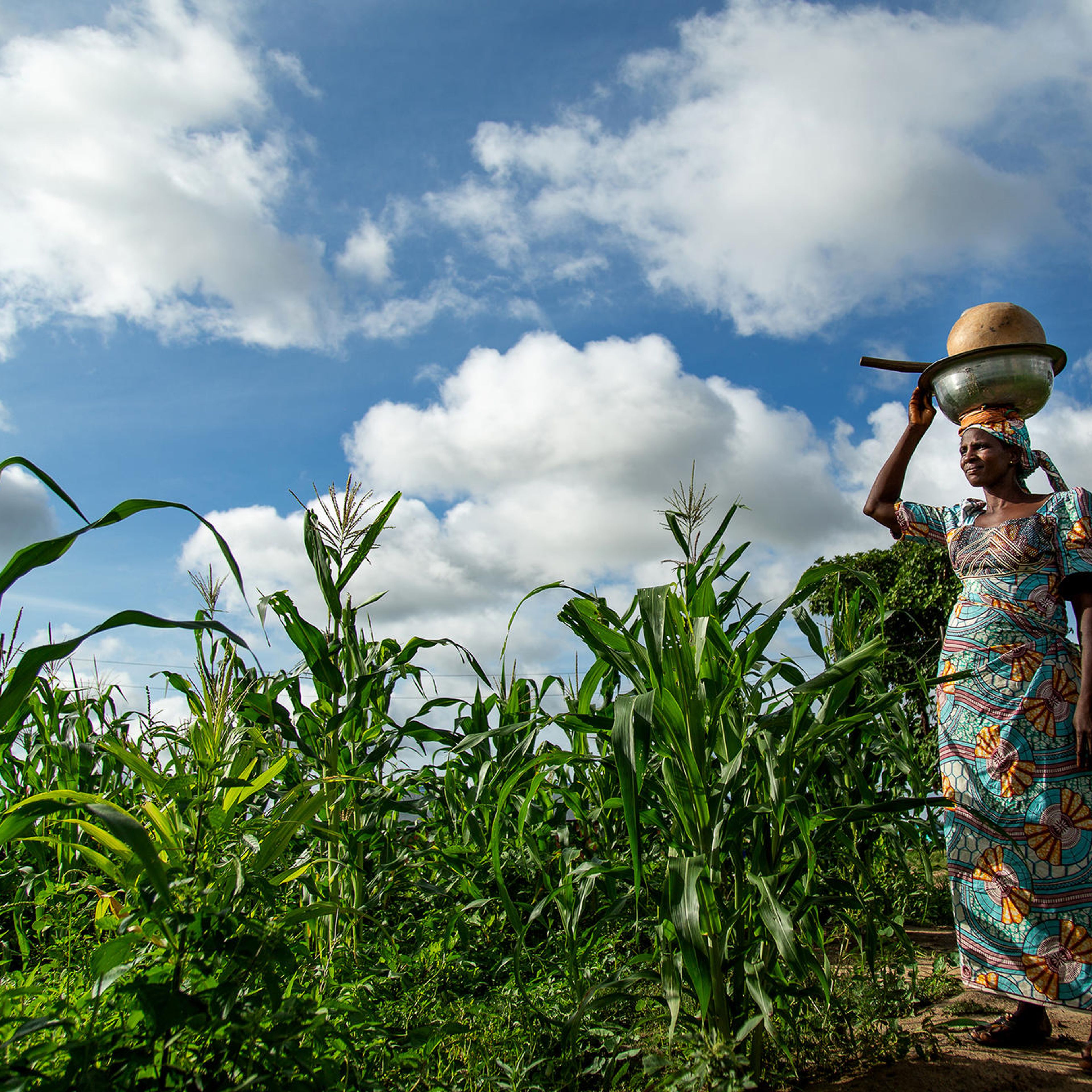
The journey is eight decades old. Focused on building domestic capabilities in manufacturing, Nehru’s government paid inadequate attention to agriculture in the 1950s. By the mid-1960s, the economy was hit by a severe shortage of food grains. Two successive drought years, 1965-66 and 1966-67, forced the government of the day to seek imports. Flush with surplus wheat, the United States stepped in to help, but with conditions.
The state of the economy was described as a ‘ship-to-mouth’ existence. Focused on managing a war with Pakistan while also dealing with a food crisis, Prime Minister Lal Bahadur Shastri gave the slogan ‘Jai Jawan, Jai Kisan’. Aware of American clout as the supplier of something as basic as food grains, US President Lyndon Johnson tried to arm-twist Prime Minister Indira Gandhi. The Union minister for agriculture, C Subramaniam, launched the ‘Green Revolution’. A decade later, India became self-sufficient in food.
The Nehru years also exposed two other external vulnerabilities. In 1958, there was a sudden shortage of foreign exchange. In 1962, the armed forces discovered they required external help to deal with Chinese incursions into Indian territory. Taken together, the foreign exchange, arms and food shortages shaped much of post-Nehruvian economic policy.
The economic liberalisation policies of 1991, along with growing global demand for Indian services exports, gradually eased the foreign exchange crisis. With both the food and forex crises taken care of, there remained the shortage of defence supplies. Efforts have been made over the years to address this challenge, but it persists.
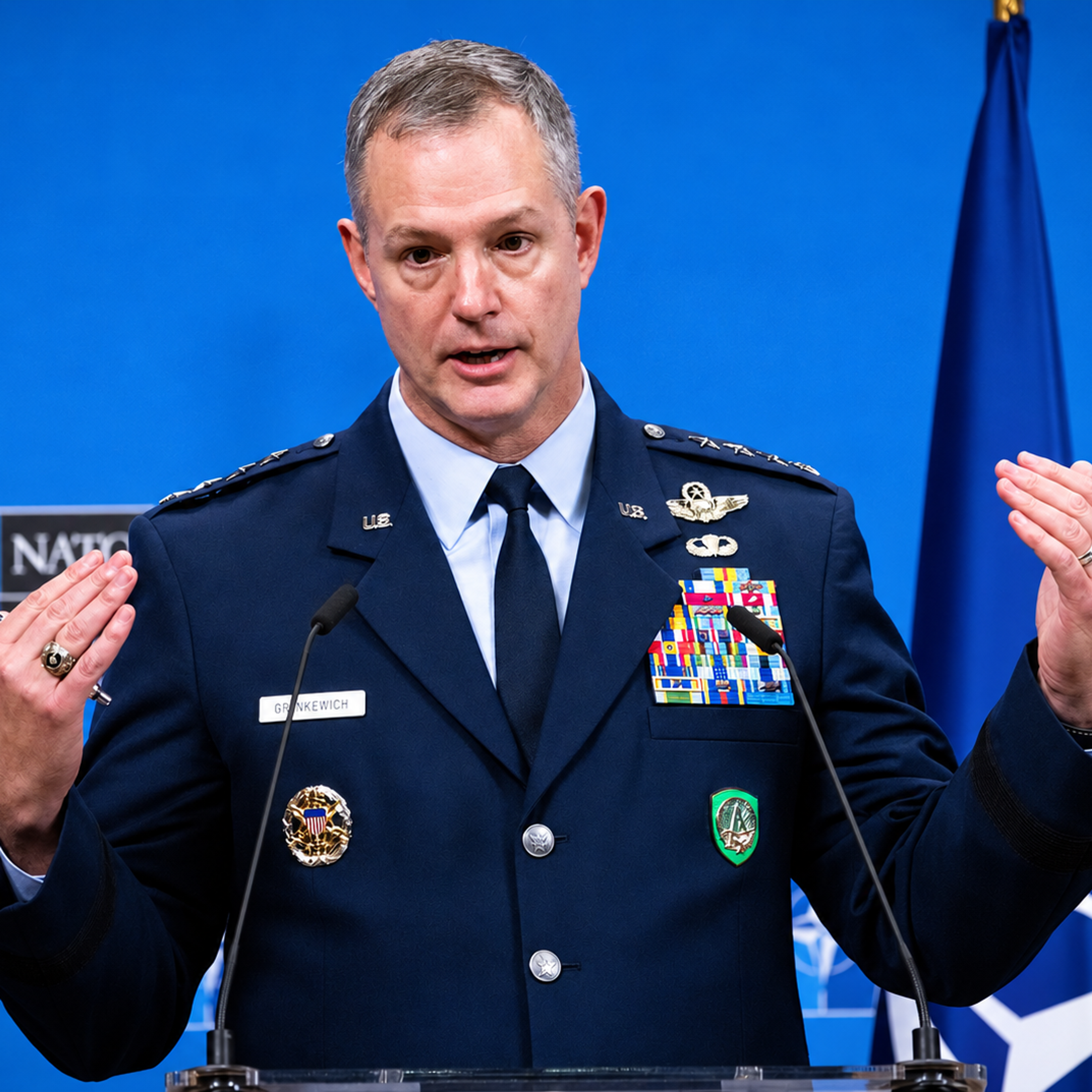
What has changed is that the Indian armed forces have spread their risk by diversifying suppliers. Two decades ago, Russia accounted for almost 80 per cent of all Indian defence imports. Today, Russia’s share is down to 40 per cent. The US had virtually no share in the Indian defence market in 2000. Today, it accounts for over 10 per cent. The rest is shared by France, Israel and a growing number of newer suppliers, including the Czech Republic, Japan, Poland, Sweden and the United Kingdom.
Diversification does not in itself reduce dependence, but the risk is down. A deliberate policy of promoting domestic defence manufacturing is helping localise production. It has to go a long way before genuine atmanirbharta is secured. In critical areas such as fighter jets and nuclear submarines, external dependency remains. Newer areas are emerging, such as space and artificial intelligence, where critical dependencies remain and need to be reduced.
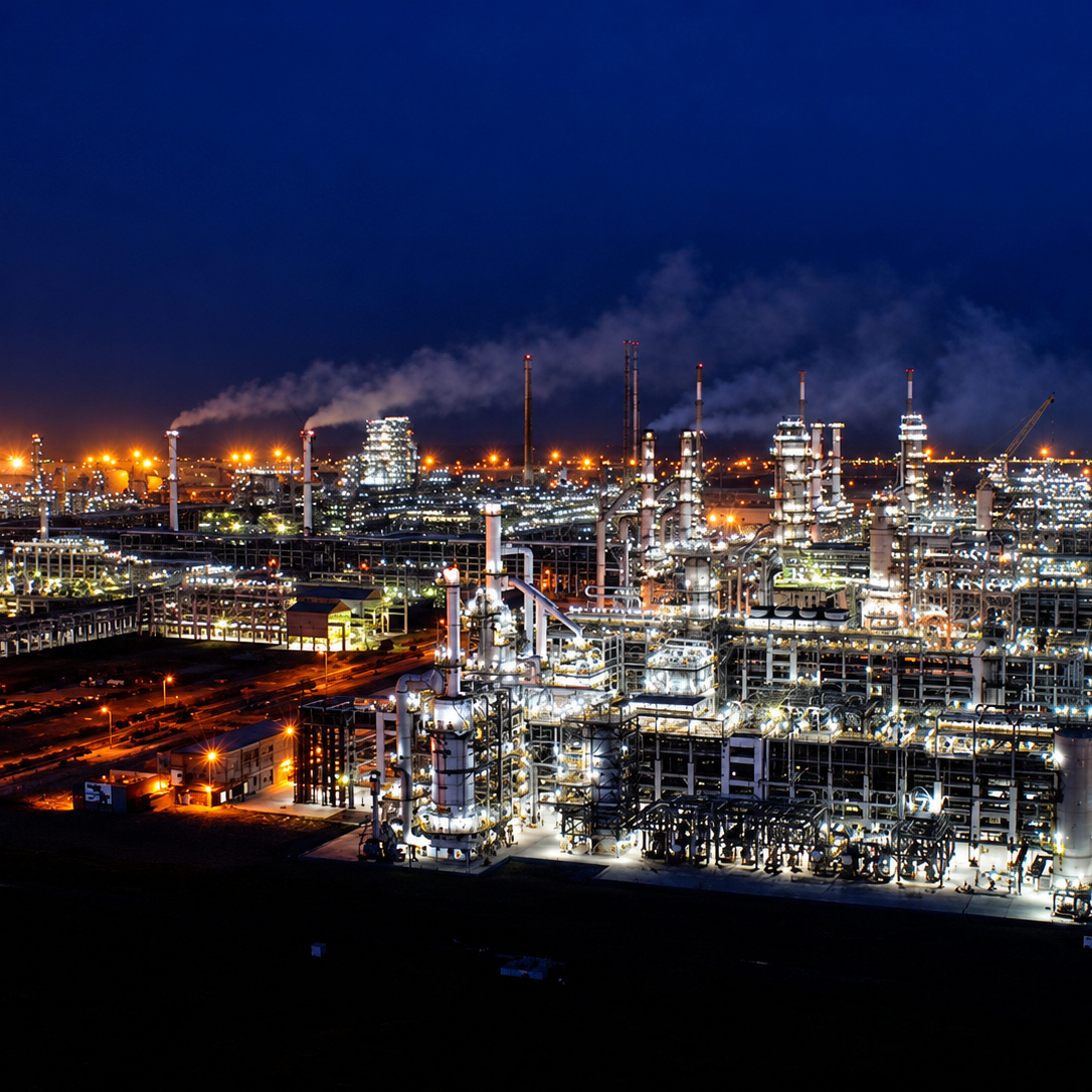
The one area in which the economy remains critically dependent on external sources is natural resources. It is a wide basket ranging from hydrocarbons to critical minerals. It is this vulnerability that Presidents Donald Trump and Xi Jinping have decided to exploit.
As India seeks to step up economic growth well beyond the average rate of 6.5 per cent a year over the last quarter century, it will consume more energy and require access to a range of natural resources. Reducing these two dependencies is as critical to national security today as reducing dependence on food imports was in the mid-1960s or dealing with the forex shortage was in the early 1990s.
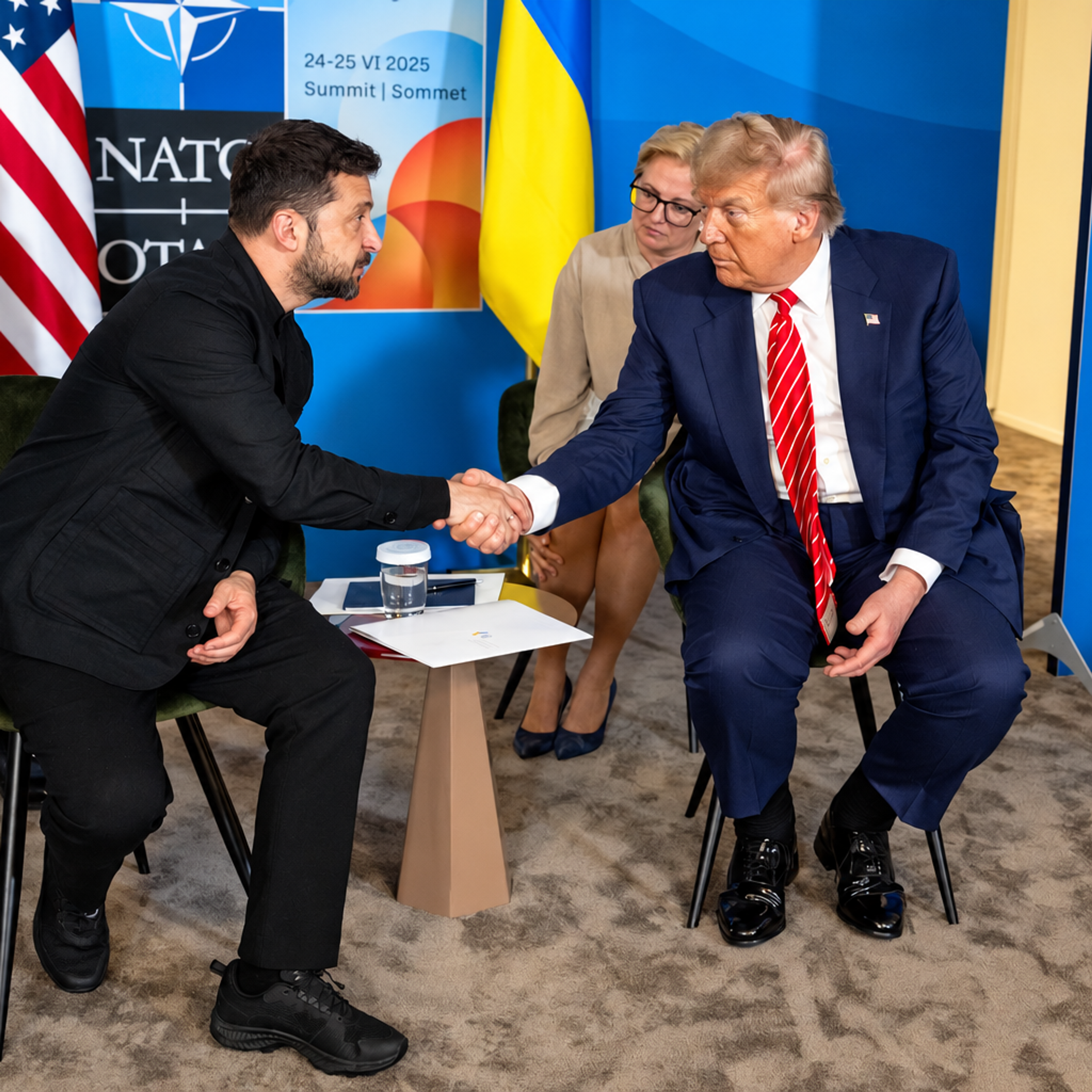
Over the past two decades, successive US governments have played a sinister game with India on the energy front. Fully aware of India’s need to develop its civil nuclear energy capability, the US linked its support for a deal to ending oil imports from Iran and Venezuela. Until President Trump staged a coup in Caracas, installing a US-friendly regime, he was insistent, like his predecessors, that India not import oil from Venezuela. Once he installed a puppet and American oil oligarchs took over the oil trade, he encouraged India to buy from Venezuela. The doors to Iranian oil remain blocked.
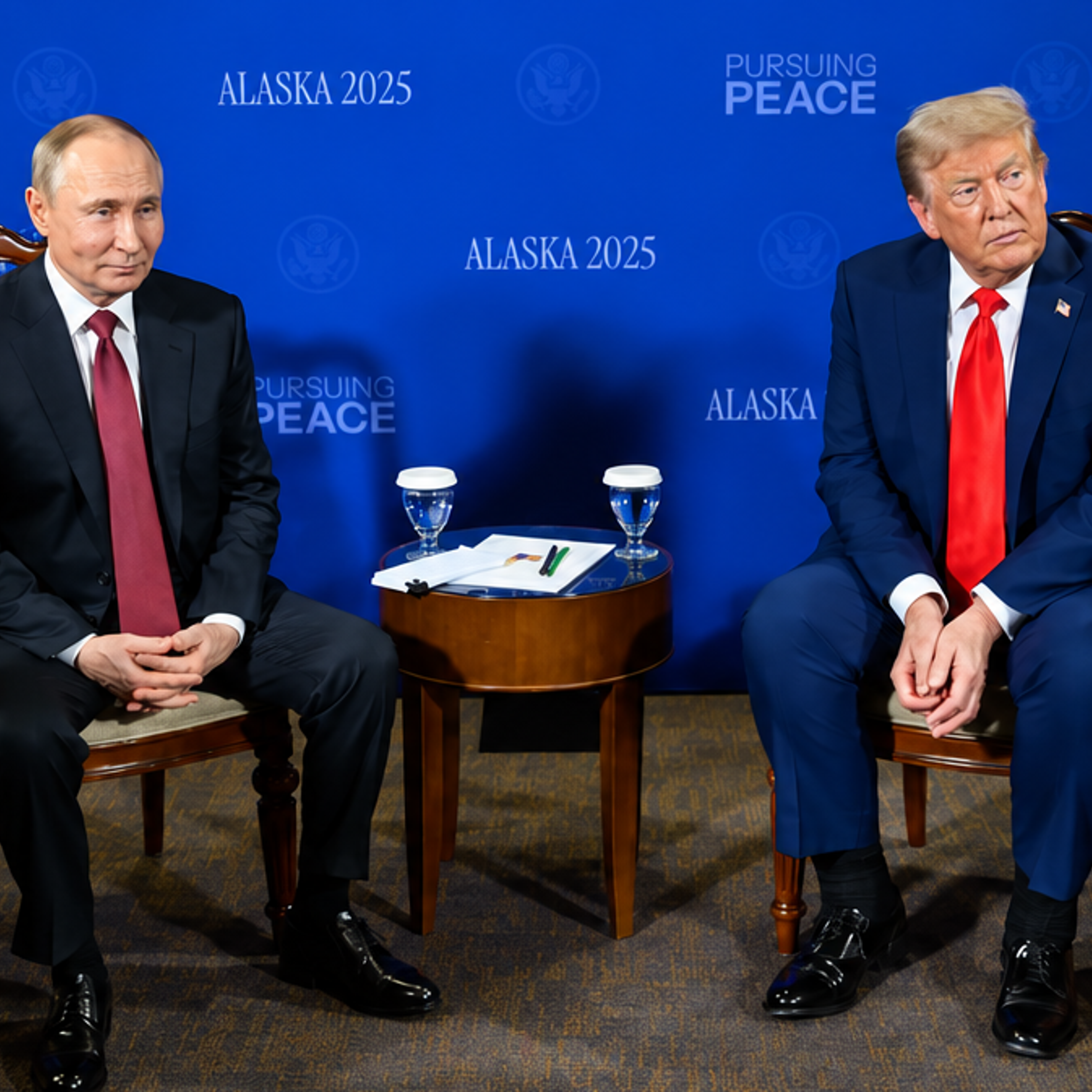
President Trump went one step beyond his predecessors and tried to get India off Russian oil. Months of berating made no difference, though India’s initial prevarications gave the impression that the Modi government would yield if its arms were twisted enough. India finally dug in its heels and refused to comply.
The might of presidential power was deployed to get a bipartisan bill enacted by the US Congress that threatens to impose 100 per cent duties on China and India for buying Russian oil. That threat remains. The US secretary of state, Marco Rubio, visits Mumbai and Jamnagar this week, with that oil sanctions threat in place.
India will have to overcome its dependence on energy and critical minerals. This will require ensuring balanced relations with all three big powers – the US, China and Russia. More importantly, it will require reducing these dependencies through domestic effort.
External dependence in energy can be addressed by (a) developing alternative energy sources overseas; (b) alternative sources at home; and (c) greater efficiency in energy consumption. Ensuring atmanirbharta on the energy front is as important as atmanirbharta in defence equipment capability and capacity, given the geopolitical pressure the US is exerting on India.
Prime Ministers Shastri and Indira Gandhi ended India’s food insecurity. Prime Minister PV Narasimha Rao ended the chronic foreign exchange shortage. Prime Ministers Atal Bihari Vajpayee and Manmohan Singh tried to address the challenge of external dependence in defence and energy. Now the challenge for Prime Minister Modi is to ensure that all such critical and strategic external dependencies are reduced further, if not eliminated altogether, so that the economy can sustain growth.
The thinking that informed Indian geo-economics in the past was that if one country created problems, there would be another to step in and help. Today, one cannot take this for granted. With most powers seeking their own survival and reducing their external dependence, India’s political leadership should know that when the chips are down, each country has to fend for itself.