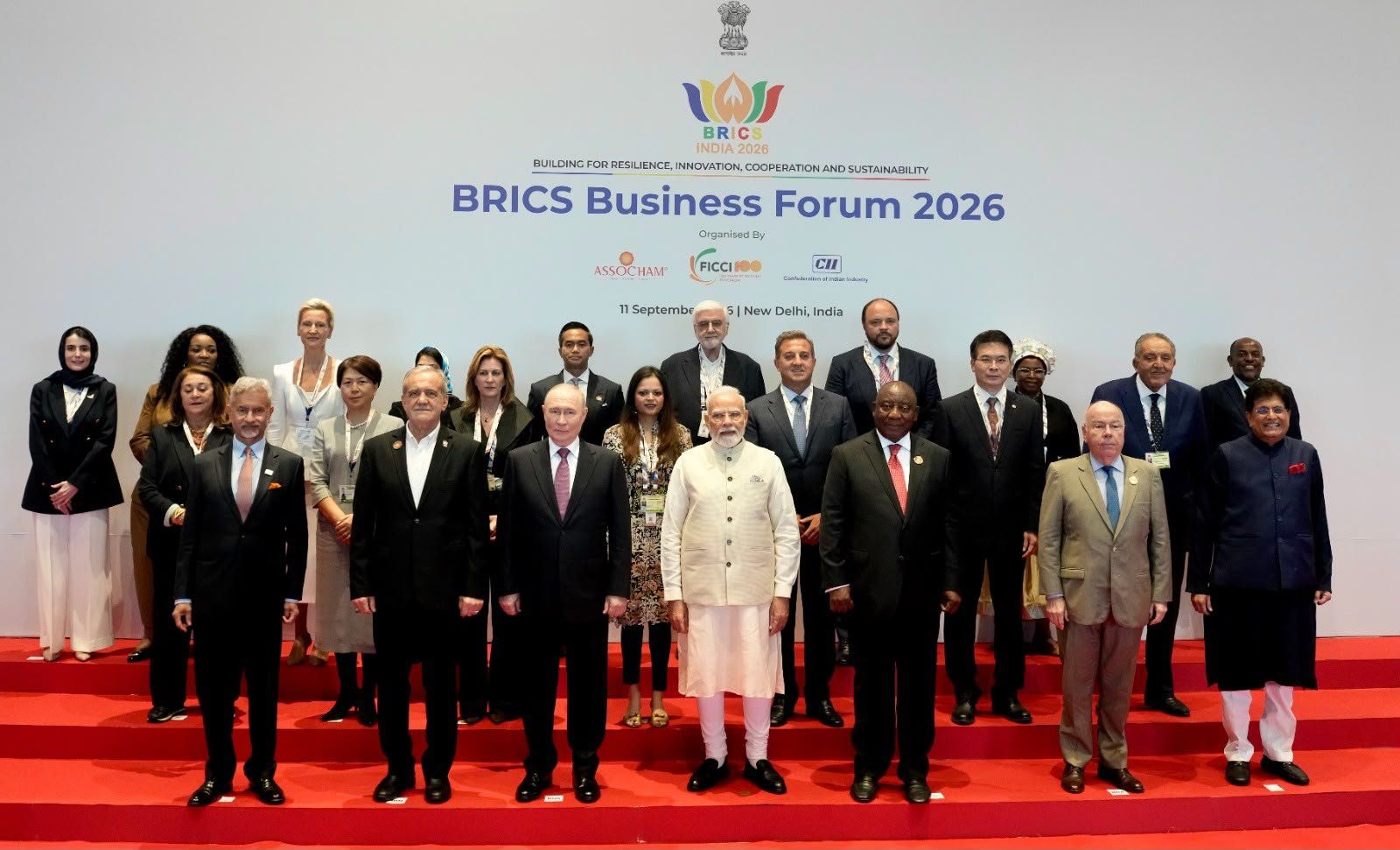
For the second time in a fortnight, Narendra Modi and Vladimir Putin sat across a table together, and this time the conversation had real teeth: a long-pitched offer of Russia’s Su-57 stealth fighter, and a fresh push on civil nuclear cooperation, both woven into an economic relationship that the two countries are trying to insulate from Western sanctions on Moscow.
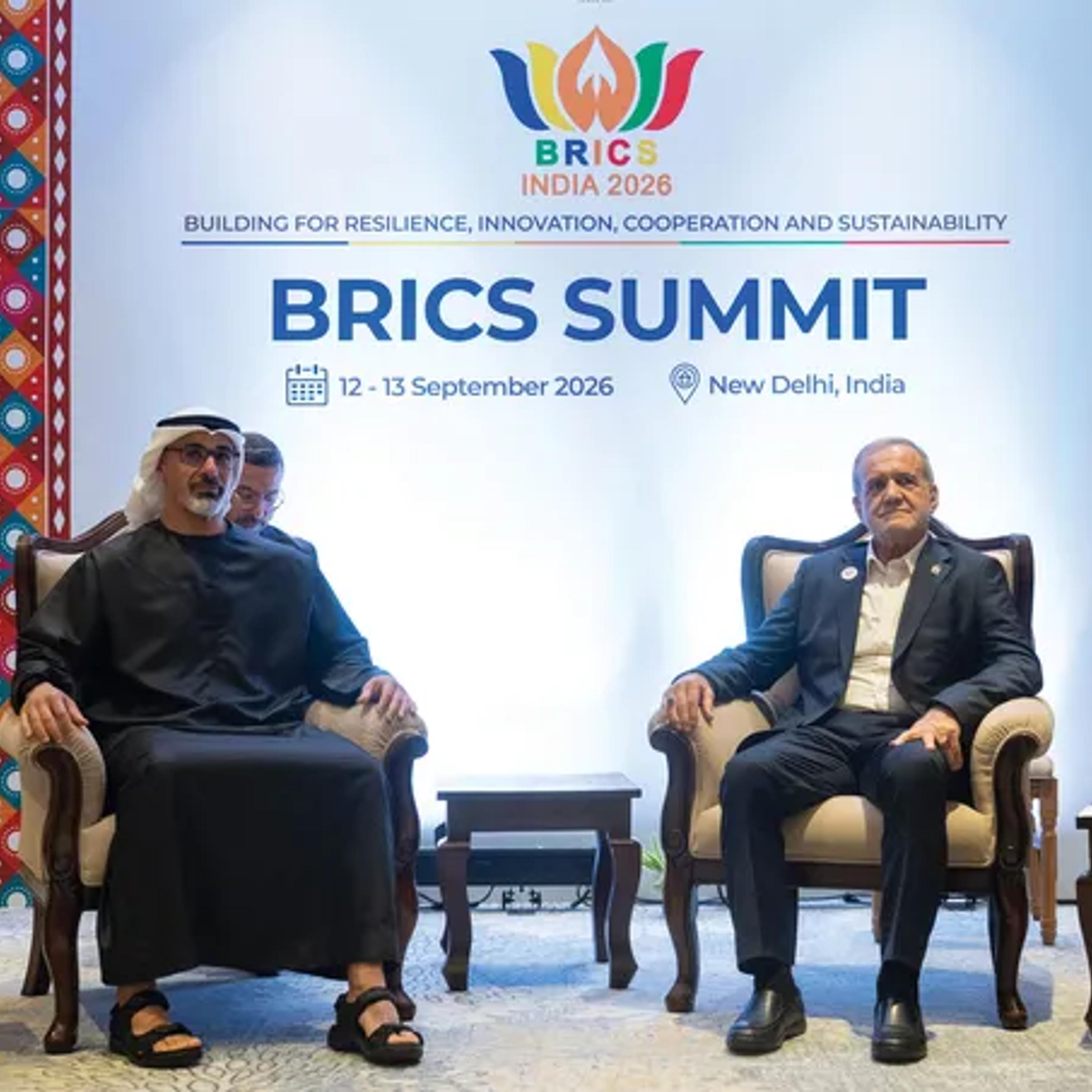
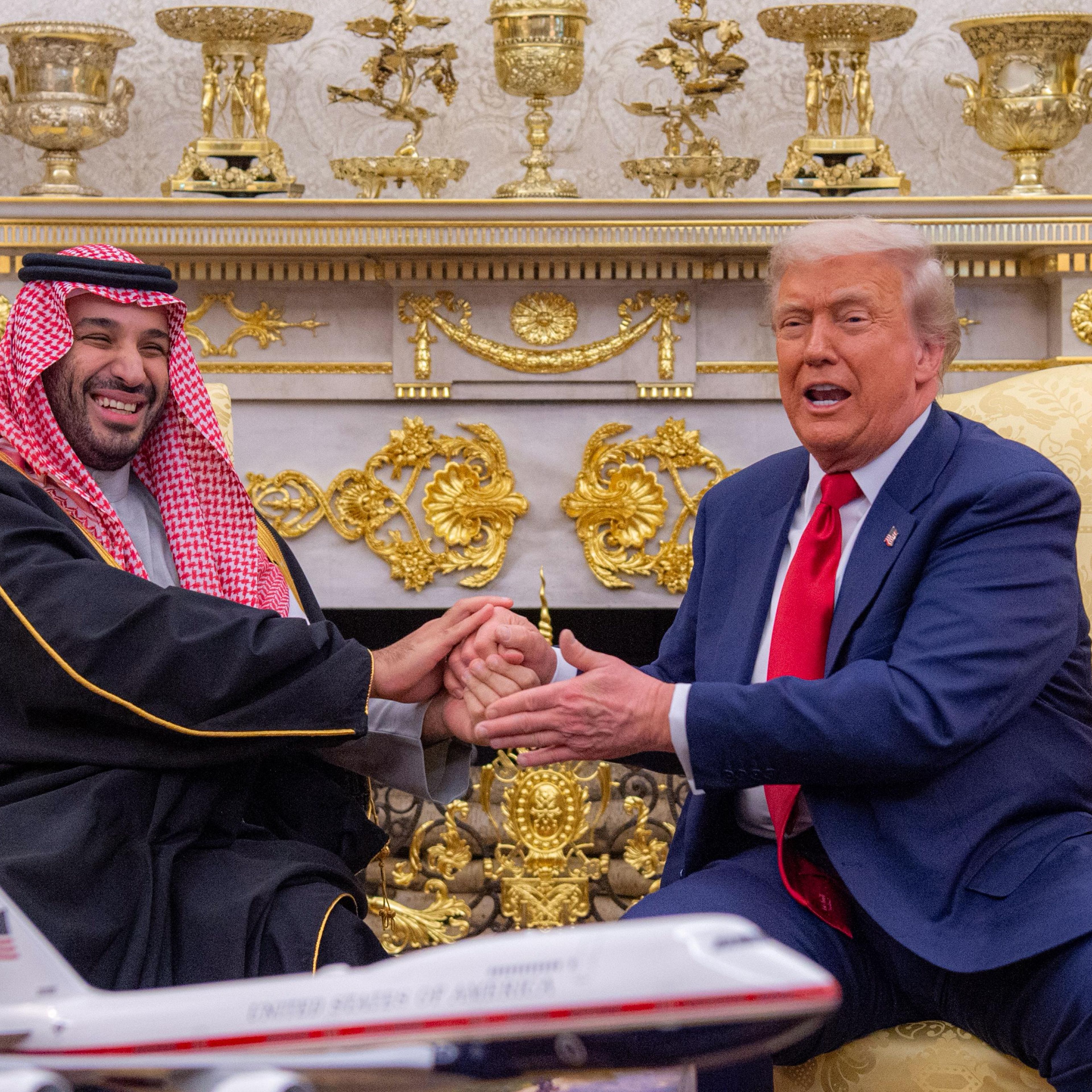
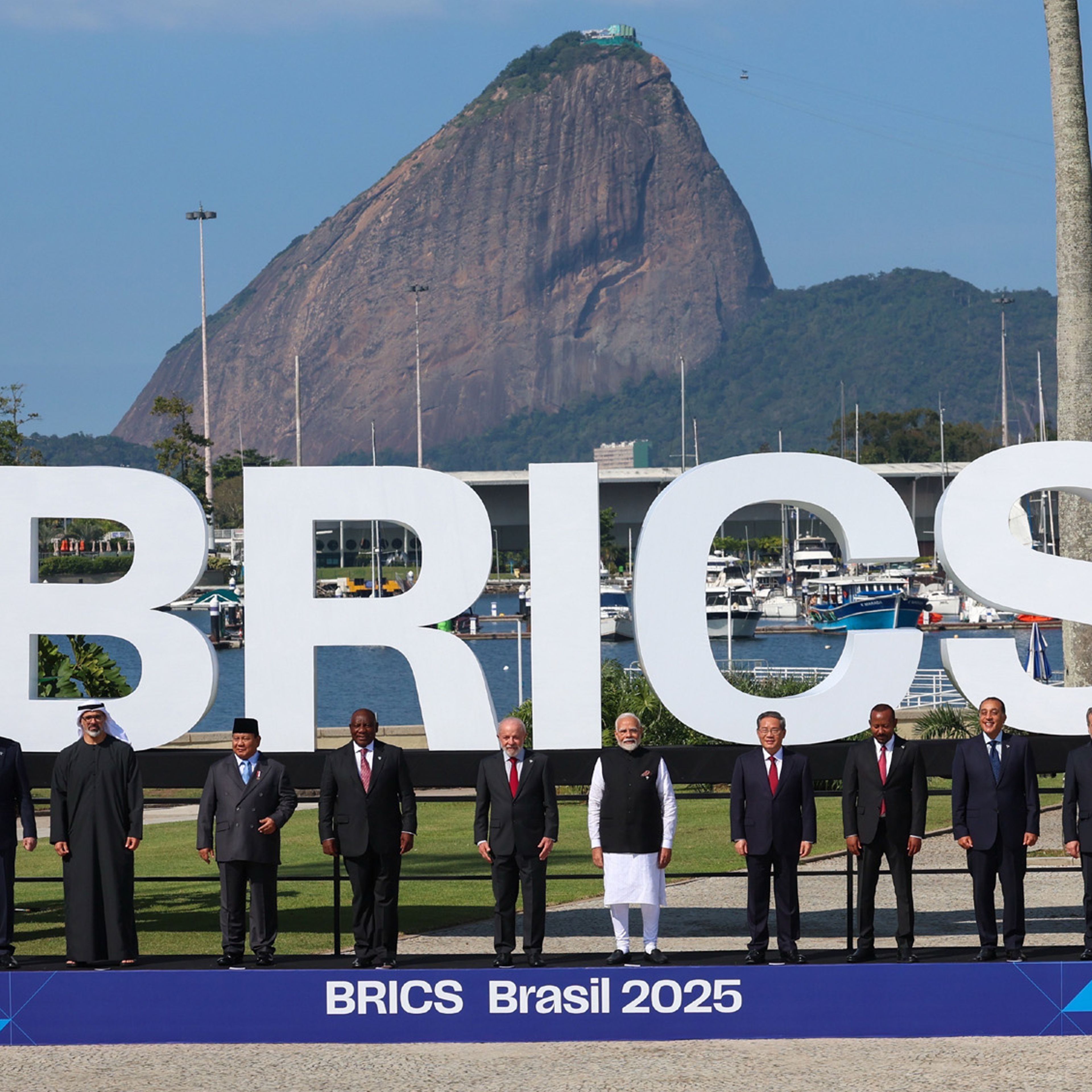
The Indian prime minister and the Russian president held a 45-minute bilateral meeting at New Delhi’s Bharat Mandapam on the eve of the 18th BRICS Summit – their second sit-down since meeting on the sidelines of the Shanghai Cooperation Organisation (SCO) summit in Bishkek barely eleven days earlier. Modi marked the reunion on social media: “Delighted to meet President Putin in Delhi, less than two weeks after our meeting.”
The Su-57 pitch, again
Top of the defence agenda, according to Kremlin briefings ahead of the visit, was the long-running Russian offer of the Su-57, a twin-engine, single-seat fifth-generation stealth fighter built by Sukhoi and known to NATO as the “Felon”. It has been in service with the Russian air force since 2020 and is Moscow’s answer to America’s F-22 and F-35 and China’s J-20. An export variant, the Su-57E, has never previously found an overseas buyer.
Moscow has sweetened its pitch this time with an offer of full licensed production, technology transfer, source-code access and a two-seat variant, hoping to appeal to India’s memory of the abandoned Indo-Russian Fifth-Generation Fighter Aircraft project. Kremlin spokesman Dmitry Peskov contextualised the development within Russian defence cooperation broadly, talking about programmes like the BrahMos missile that “it’s the exchange of high technologies, and it really paves the way for a bright future” in joint systems. For India, the Su-57 is being weighed as a possible bridge fighter while its own stealth jet, the AMCA, remains over a decade from service – though officials in New Delhi had made clear beforehand that no purchase agreement was expected to be signed during this visit, and none was announced.
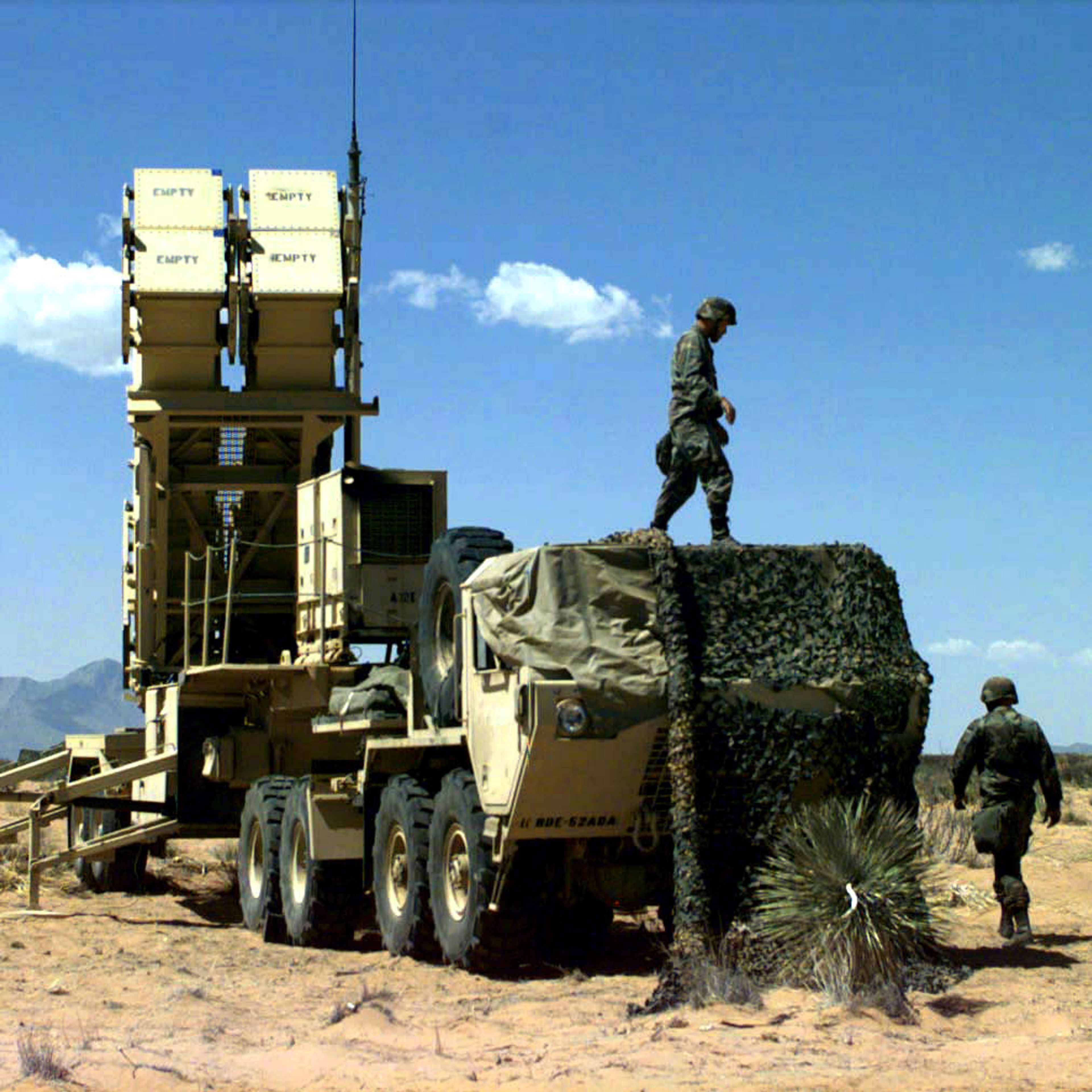
Yet, one may remember how Russia’s S-400 Triumf system proved its combat worth during Operation Sindoor in May 2025, when the Indian Air Force credited it for a record-breaking 300 km-plus intercept while blunting Pakistan’s drone and missile strikes on Indian cities.
Reactors, fuel cycles and a 100-gigawatt ambition
The more concrete progress came on civil nuclear energy. The two sides discussed strengthening cooperation across the nuclear fuel cycle and providing life-cycle support for existing projects – chiefly the Kudankulam Nuclear Power Plant in Tamil Nadu, where Russia’s Rosatom has built two operating VVER-1000 reactors, with four more in various stages of construction. Talks in the run-up to the visit had also flagged discussions on new reactor sites, small modular reactors and floating power plants, as India works towards a stated goal of 100 gigawatts of nuclear capacity by 2047. In practice, “civil nuclear cooperation” between the two countries has long meant Russian-designed reactors, Russian fuel supply, and, more recently, a push to localise manufacturing of nuclear equipment in India itself, moving the relationship beyond a simple buyer-seller arrangement.
Trade targets built for a sanctioned partner
Both developments came within a broader framework of economic push: the two leaders reaffirmed a target of $100 billion in bilateral trade and $50 billion in two-way investment by 2030, alongside cooperation on fertilisers, railways, tunnelling, steel and critical minerals. They also visited INNOPROM India, Russia’s industrial exhibition held in India for the first time this year, which showcased Russian capability in nuclear energy, artificial intelligence and heavy engineering.
Russia's crude oil now accounts for a record 51 per cent of India’s crude imports, a dependency built almost entirely since Western sanctions pushed discounted Russian barrels towards Asian buyers after 2022 – even as Washington has threatened tariffs on countries buying that oil. Peskov himself has been candid about the mechanics: roughly 90 per cent of Russia-BRICS transactions, he has said, now run through national currencies rather than the dollar, a structure that lets Moscow keep trading despite being cut off from Western banking systems. BRICS and the SCO have, in that sense, become the channels through which India, China and others sustain commercial relationships with Russia that sanctions were designed to choke off – arrangements that also serve their own interests, since India’s fertiliser and energy security, and Russia’s need for buyers, are both being served by the same workaround.
Ukraine, seafarers, and a Tamil classic
The talks were not purely transactional. According to India’s Ministry of External Affairs readout, Modi reiterated that “dialogue and diplomacy was the way forward” in resolving conflicts, and the two leaders also touched on the Black Sea and West Asia conflicts and their effect on the safety of Indian seafarers. Putin, for his part, briefed Modi on the state of the Ukraine war. Away from the geopolitics, Modi presented Putin with a Russian translation of the Thirukkural, the classical Tamil text on ethics and governance – a gesture of the kind that has become something of a ritual at these encounters. Putin, before departing, also invited Modi to Russia for the 24th India-Russia Annual Summit, an invitation Modi accepted, with dates to be settled through diplomatic channels.
This is something that Putin himself reiterated. “We have always been told that competition is a sacred cow, something that must not be touched. Yet, unfortunately, today your Western competitors are trying by any means necessary to regain their former leadership,” he said at the BRICS Forum.
“This competition is sometimes assuming unsightly forms. They even include direct physical attacks or the destruction of industrial and logistical facilities, pipelines, and so forth. Illegal restrictions are also being imposed, accompanied by threats of so-called secondary sanctions against those who refuse to act in others’ interests and instead defend their own national interests,” the Russian President said, in the presence of leaders like Modi, Iran’s Pezeshkian, and South African President Cyril Ramaphosa, adding that “attempts were being made to block international transport corridors and seize ships.”
India appeared to concur, as its statement spoke about “shared perspectives on ... the conflicts in West Asia and the Black Sea region which have impacted maritime trade and the safety and security of Indian seafarers.”
In such fractured times, whether the Su-57 talks eventually produce India’s first-ever import of a fifth-generation fighter remains an open question. What is not in doubt is that, three-and-a-half years into the Ukraine war, Russia’s most consequential strategic partnership outside its own alliance system is not merely surviving Western sanctions – it is being actively redesigned around them.