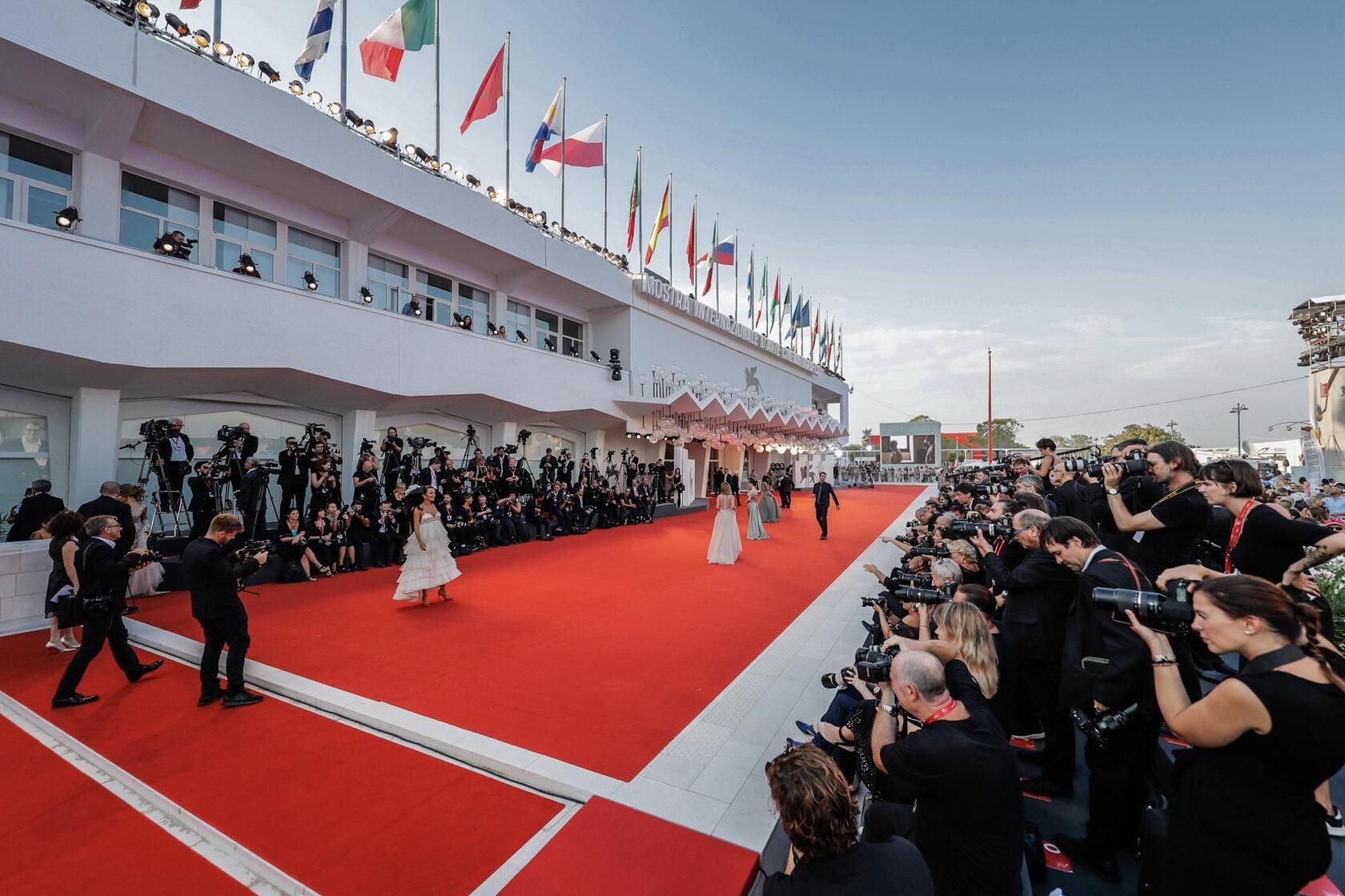
War, migration, journalism under siege, media empires, authoritarianism dominated the themes in 2026’s Venice film film festival. It didn't just mirror a world in crisis, it screened it in widescreen. Festival artistic director Alberto Barbera called it the “most political” edition in the event’s history, and by the time the Golden Lion was handed to Danish director May el-Toukhy’s Woman Unknown (Kvinde Ukendt) on Saturday (September 12), the headlines belonged to the politics, not the prizes.
The 83rd edition of the world’s oldest film festival ran from September 2 to 12 on the Venice Lido, drawing 21 films into competition alongside veteran names like Nanni Moretti and Werner Herzog and newer voices vying for a shot at cinema’s most storied honour. Mathilde Arcel took Best Actress for Woman Unknown – one of just two competition films directed by a woman – while John Malkovich won Best Actor for Wild Horse Nine, South Korean director Lee Chang-dong claimed the Grand Jury Prize for Possible Love, and George Clooney and Ellen Burstyn shared the Golden Lion for Lifetime Achievement.
Among the standout contenders were Yuval Abraham and Rachel Szor’s Naza, on Israeli mass killings of Palestinian civilians in Gaza, and Julia Loktev’s My Undesirable Friends: Part II – Exile, the sequel to Part I. Both films track Russian President Vladimir Putin’s crackdown on independent journalism, following journalists labelled foreign agents for reporting on war crimes, and their overnight escape into exile. Spanning five chapters and 355 minutes, the film builds its politics not through speeches or slogans but through the accumulation of ordinary moments – packing, leaving homes, negotiating exile, trying to keep working from elsewhere.
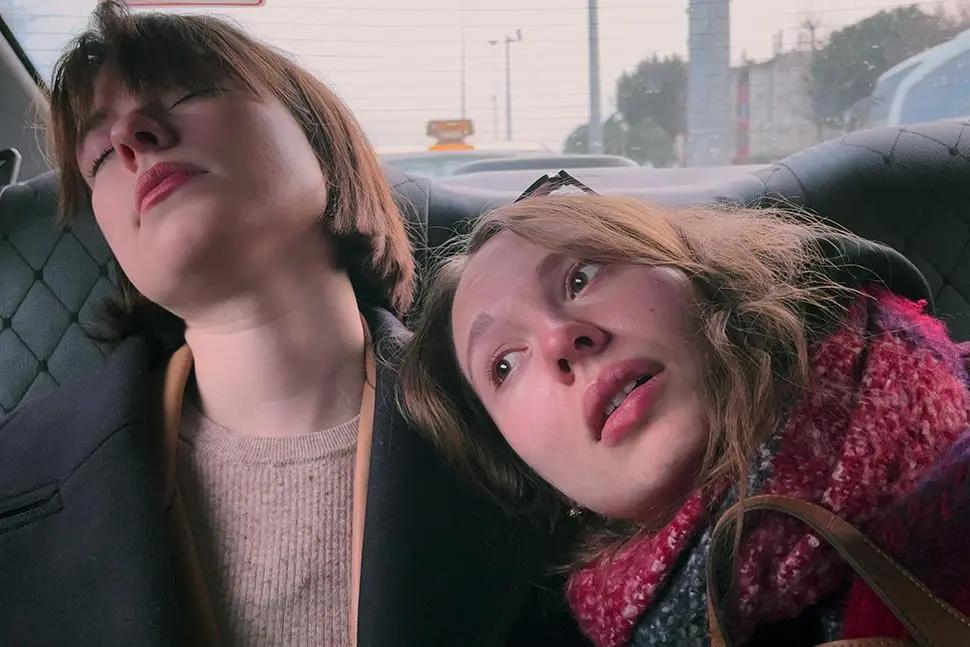
That Venice handed such vast screen time to these journalists is itself a statement: political repression, the festival seems to argue, cannot be reduced to a headline. The question hanging over the Lido: who gets to tell the story when the institutions of power are themselves the subject?
The tone was set early. The festival opened on September 2 with Danny Boyle’s Ink, a drama on Rupert Murdoch’s 1969 takeover of Britain’s The Sun. Jury president Maggie Gyllenhaal didn’t dodge the obvious question either. “Look, we could say, how are we possibly here talking about movies right now when the world is in a state of emergency,” she asked. “To me, the answer has something to do with empathy. I think that film allows an opening into an opportunity to find empathy inside of ourselves.”
Laura Poitras and Rachel Lauren Mueller’s They’re Here, screened out of competition, borrowed the language of horror and dystopia to document ICE raids and the fear gripping migrants and residents in Minneapolis. Naza, meanwhile, aimed straight at the Israel-Gaza war, drawing on testimonies from Israeli intelligence officers and soldiers to examine the alleged systematic killing of Palestinian civilians – earning a 25-minute standing ovation that made it one of the festival’s most talked-about premieres.
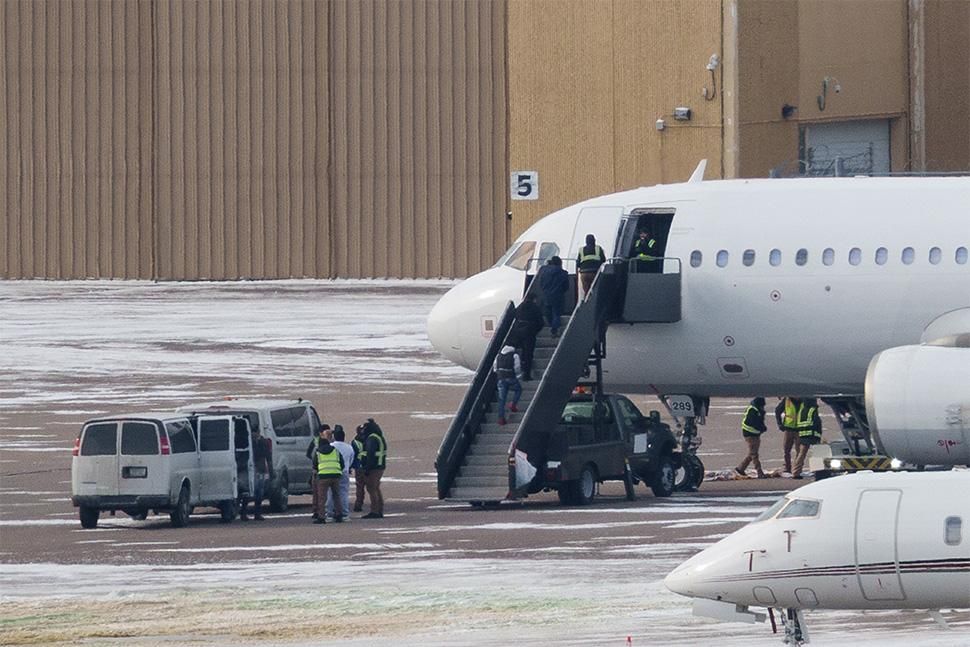
Yet, few critics were convinced by the curation. “Political films have always been showcased at Venice, but this year it feels like the studio award contenders aren’t as many so there isn’t much of a counterweight,” says Manchester-based film enthusiast and short filmmaker Manu Francis. “And often, political films were based around safely historical events etc. that everyone is aligned with. But, this year feels more focused on live events – eg. ‘They’re Here’ about the ICE raids.”
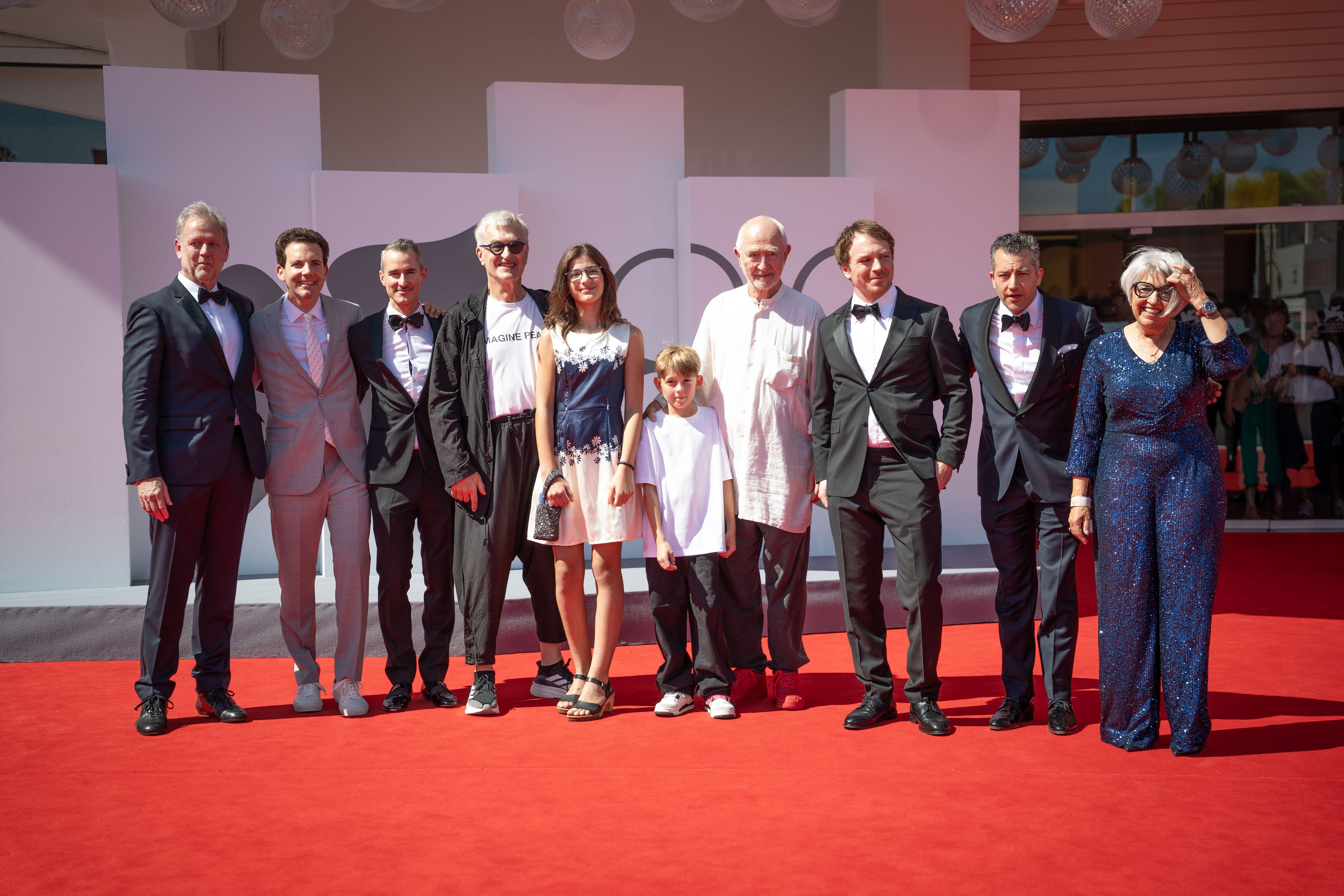
The politics-in-cinema debate flared earlier this year at Berlin, when veteran German director Wim Wenders argued, “we have to stay out of politics because if we make movies that are dedicatedly political, we enter the field of politics.” Indian author Arundhati Roy called the remark “unconscionable”. At Venice, Wenders clarified: “What I said then was, as film-makers, we are the opposite of politicians. We have empathy. Politics work without empathy; that’s all I said.”
The politics on screen contrasts with a quieter retreat behind the scenes. Reuters notes the thinning ranks of major studio productions reflect a Hollywood increasingly wary of expensive prestige releases. “The problem is Hollywood. They face a huge crisis,” Barbera told Reuters. “They’re producing fewer films, more costly. Some of them work very well and some of them are, on the contrary, a commercial disaster. So they don't know what to do.”
Venice, of course, isn’t alone in this. At Berlin, İlker Çatak's Yellow Letters took the Golden Bear with its story of an artist couple arrested for their political beliefs, a portrait of creeping Turkish authoritarianism, while No Other Land documented Palestinian resistance and displacement. Cannes, for its part, hosted world premieres of two searing wartime films: the late Mantas Kvedaravičius’s Mariupolis 2 and Sepideh Farsi’s Put Your Soul on Your Hand and Walk.
However, India-based film critic CS Venkiteswaran sees a narrower gaze behind the trend. “The political films that are usually shown at these films are the white man's struggle – that of Europeans and Americans. Where are the movies that show struggles and issues of Latin American and African or Asian people,” he told NWS. “If the movie has to be from any of these regions, they are found to be either exotic or violent. This is the case at the Oscars as well. The 70s and 80s saw a surge of movies with political undertones from different regions. But, movies from these regions have been sidelined in recent years.”
Venice has traditionally left the political heavy-lifting to Berlin and Cannes, but the last two years have seen it lean in. In 2025, Kaouther Ben Hania’s The Voice of Hind Rajab followed the killing of a five-year-old Palestinian girl and her family by Israeli forces, alongside The Wizard of the Kremlin, a political satire starring Jude Law as Vladimir Putin. In 2024, it was Brady Corbet’s The Brutalist, with Adrien Brody as a Holocaust survivor migrating to America, and Mehdi Barsaoui’s Aïcha, examining patriarchal control and institutional struggle in post-2011-revolution Tunisia.
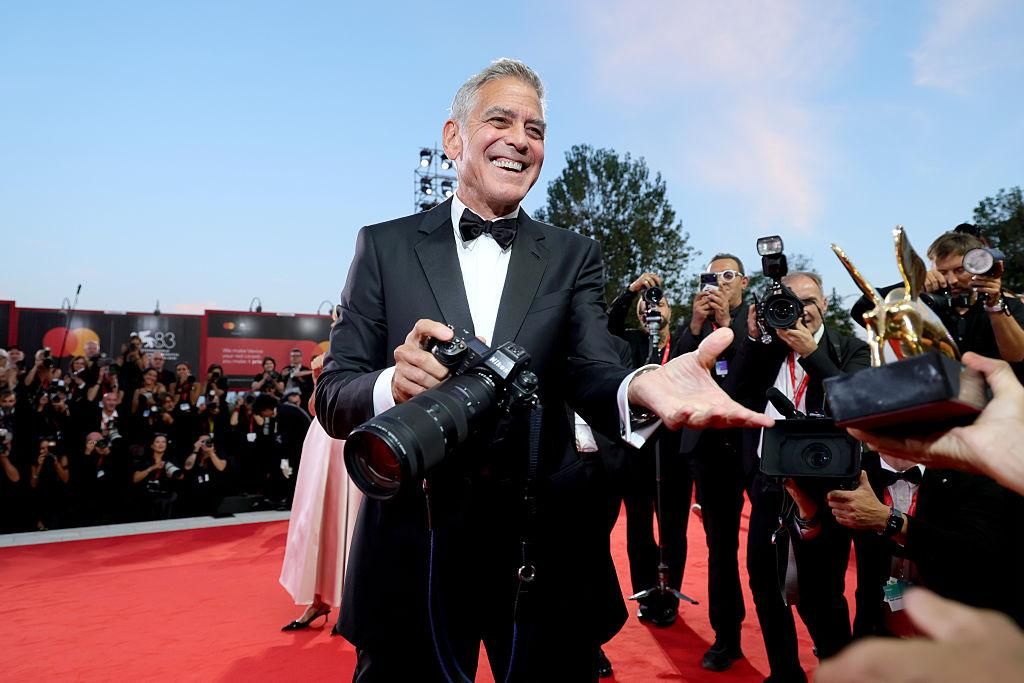
This year’s honours carried their own political weight. George Clooney received a Golden Lion for Lifetime Achievement at the opening, using the platform to speak on the dangers faced by journalists and artists who challenge power, and how stories can become dangerous to those who profit from fear. Ellen Burstyn’s honour, awarded later in the festival, tied the politically-charged present to American cinema’s history and to a career built on women negotiating power, family and social expectation.
Clooney also came to Mark Ruffalo’s defence, after Paramount accused the actor of “antisemitic tropes” for criticising Paramount Skydance’s deal with Warner Bros. Discovery and accusing the Ellison family – David Ellison is CEO of Paramount Skydance – of complicity in the “genocide” against Palestinians. “I support Mark Ruffalo’s ability to speak freely,” Clooney told Variety. “It’s ridiculous. We’re not going to ban speech. I believe in free speech even when I completely disagree with it. That's important. In fact, it’s part of how democracy works.”
The politics spilled beyond the screen, too. Indian actor Kani Kusruti carried a watermelon clutch in the white, green and black of the Palestinian flag. At Berlin, Syrian-Palestinian director Abdallah Al-Khatib held one up outright while accepting the Perspectives award for Chronicles from the Siege: “We will remember everyone who stood with us, and we will remember everyone who stood against us, against our right to live with dignity, or who choose silence or choose to be silent.” Lebanese director Marie-Rose Osta, collecting Berlin’s Best Short Film award for Someday a Child, put it more starkly still: “No child should need superpowers to survive a genocide empowered by veto powers and the collapse of international law.”
As politics moves from the margins to the centre of global cinema, film festivals are becoming less about the red carpet and more about the reckoning – platforms not just for storytelling, but for confronting the conflicts and power struggles shaping the world.