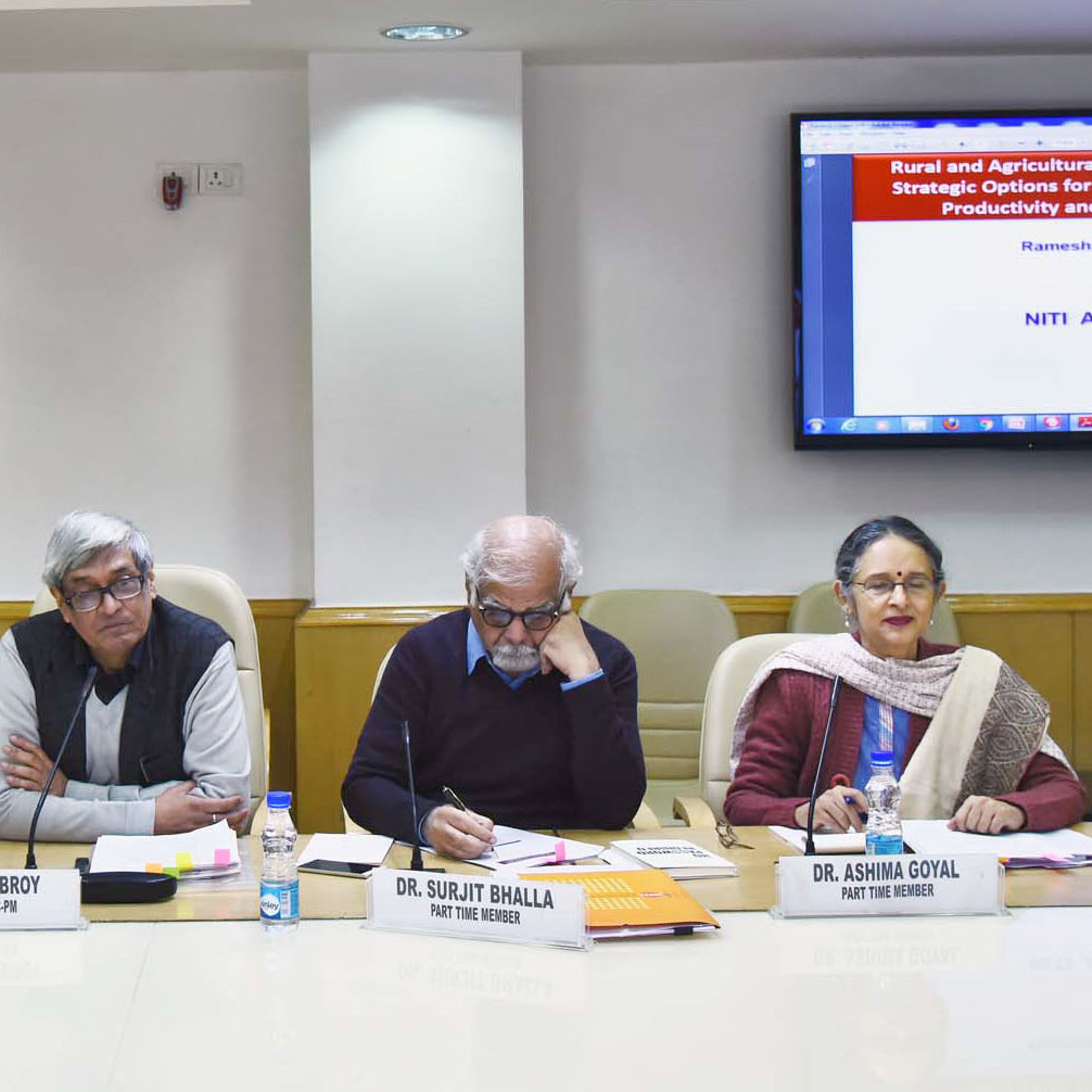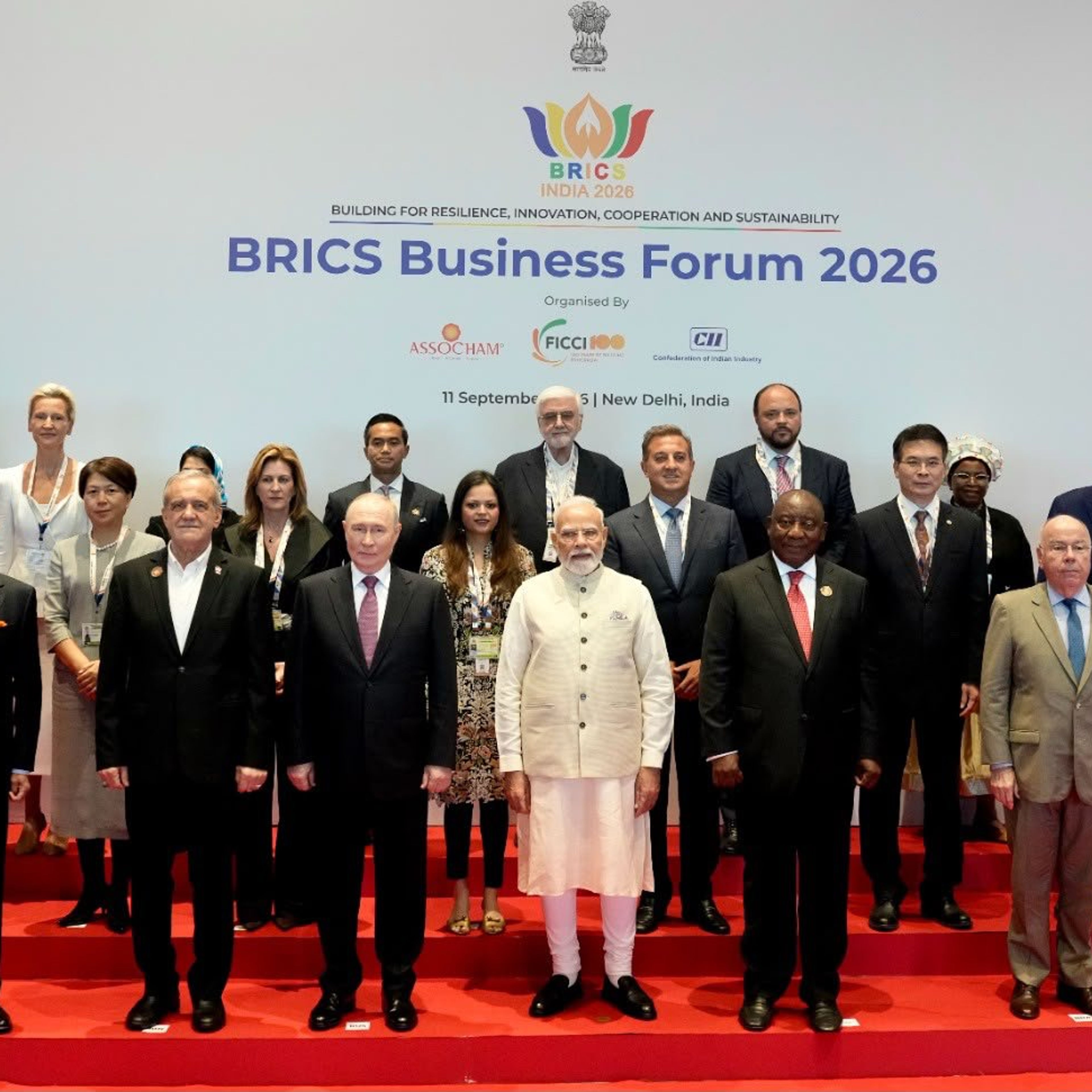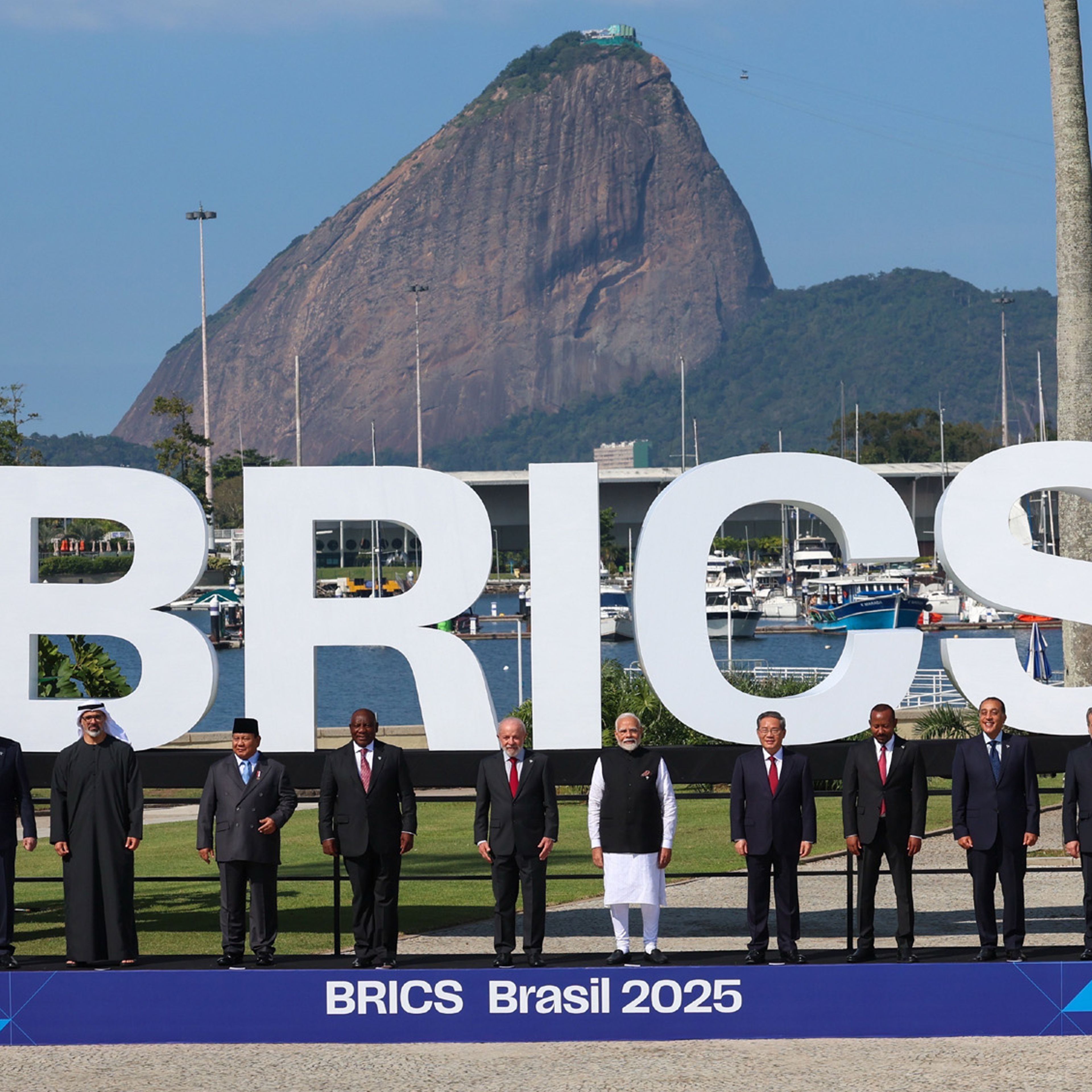
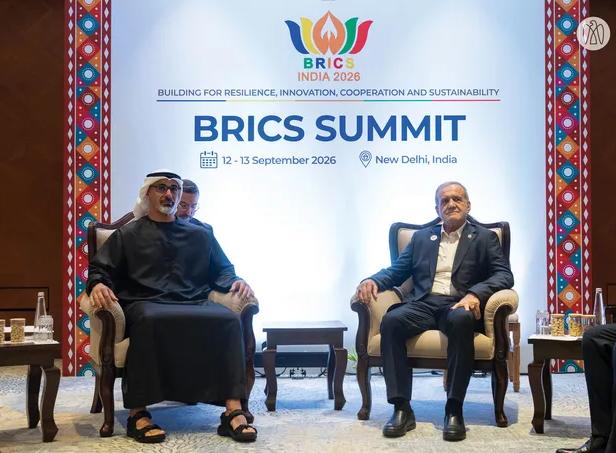
Iran and the United Arab Emirates have signalled a reset in relations battered by the 2026 Iran war, after President Masoud Pezeshkian met Abu Dhabi Crown Prince Sheikh Khaled bin Mohamed bin Zayed Al Nahyan on the sidelines of the BRICS summit in New Delhi on Saturday – their first known face-to-face contact since the war began.
“For the first time since the war and the incidents that occurred in the Persian Gulf, we had a constructive exchange with the crown prince of Abu Dhabi,” Pezeshkian said on Sunday. “It was agreed that we would turn the page, look to the future and build it together.”
The talks came as Pezeshkian made his first visit to India in eight years, using the trip to defy Washington rather than soften towards it. Addressing Indian religious leaders on Friday, he declared Iran had “successfully stood against Israel and the US” and would not “yield in front of bullying arrogance”. His stance hardened further hours before the summit’s closing statement, when he wrote on X: “If Americans are warriors, let them face our valiant military forces... Our people can't be bullied into submission. Iran won't surrender.” The remarks followed Donald Trump’s comment days earlier that Iran would have “wiped out Israel and the Middle East”, had Washington not struck first.
Despite that sharp duel, both Iran and the UAE backed a joint BRICS declaration calling for the protection of civilians and warning against strikes on civilian infrastructure and nuclear facilities – a rare point of convergence that foreign-policy experts had flagged as the summit’s key test, given Abu Dhabi’s reported unease over the declaration’s language on Iran.
How the rivalry has hit the region
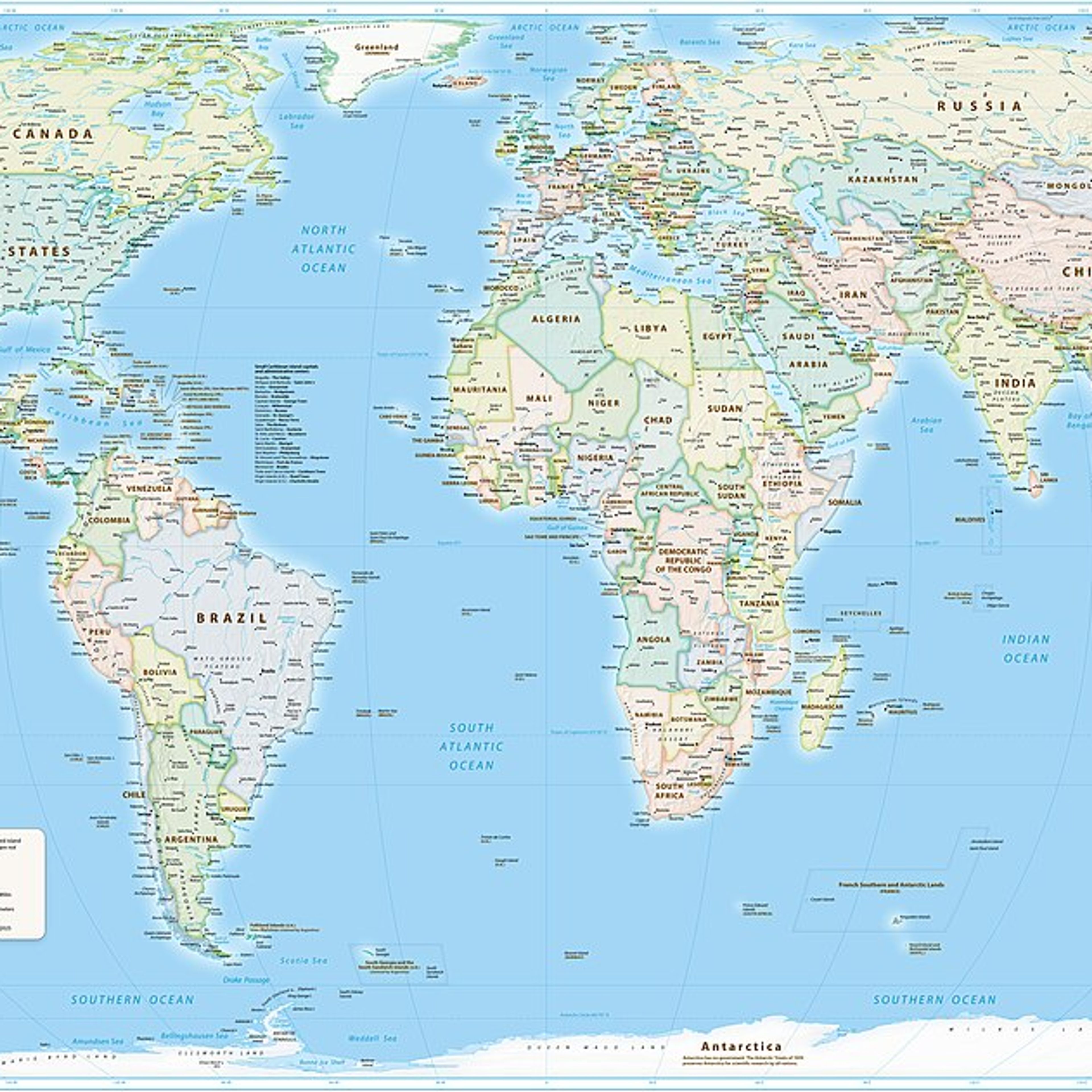
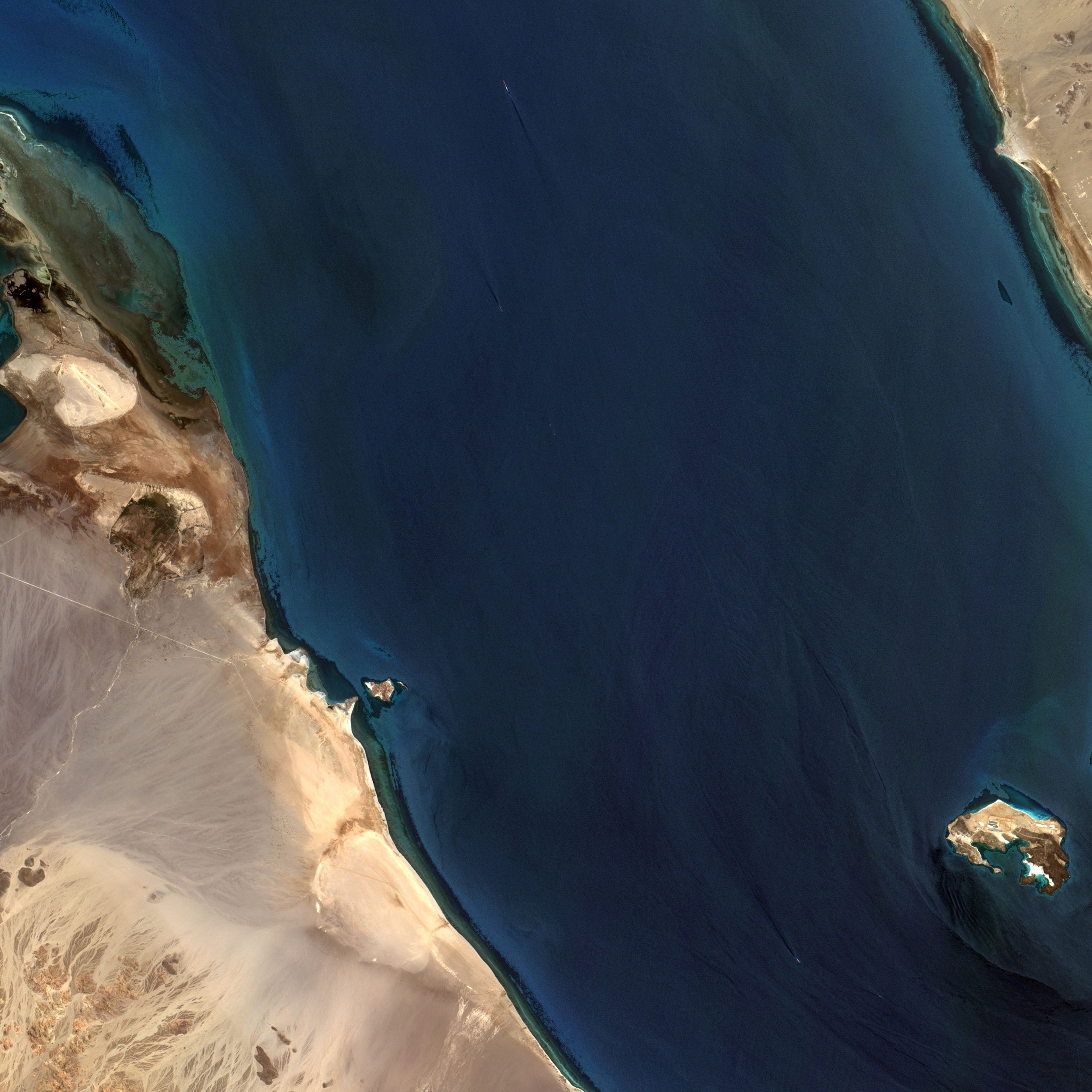
The strain did not stem from the Gaza war, as often assumed, but from the conflict that erupted on February 28, 2026, when US and Israeli strikes killed Supreme Leader Ali Khamenei and hit Iranian nuclear and military sites. The UAE, listed among the belligerents ranged against Iran, took the brunt of Tehran’s response. Iranian drones and missiles have struck Dubai and set fire to the Fujairah bunkering hub, which handles roughly a million barrels a day of UAE crude; in August, an Iranian missile hit an ADNOC tanker transiting the Strait of Hormuz, one of at least fifteen such vessel attacks since the war began.
The wider Gulf has fared no better: Iranian strikes have killed and wounded civilians in Bahrain, targeted a US base in Kuwait, and prompted Saudi Arabia to intercept drones over its Shaybah oilfield. The Gulf Cooperation Council responded by sponsoring a UN Security Council resolution demanding Iran halt attacks on its Arab neighbours, while the Strait’s near-closure has repeatedly rattled global oil markets. Abu Dhabi suspended all trade and financial dealings with Iran on August 19, citing the escalation.
This year’s crisis compounded a far older rivalry. The two states have clashed for over 50 years over Abu Musa and the Greater and Lesser Tunbs, islands Iran seized in 1971, two days before the UAE’s formation. Ties frayed further after the 2016 storming of Saudi Arabia’s embassy in Tehran, which prompted the UAE and others to downgrade relations, and deepened again after Abu Dhabi’s 2020 normalisation with Israel and its opposition to Iran-backed forces in Yemen.
Following the meeting of the two leaders at the BRICS summit, Emirati officials have viewed the outreach as hedging rather than reconciliation. UAE presidential diplomatic adviser Anwar Gargash said trust with Iran “is a mountain we will have to climb” but that “geography leaves us no alternative to engagement”.
Danny Citrinowicz, former head of Israeli military intelligence’s research department, wrote that the Gulf approach is now “to manage the Iranian risk rather than push Tehran into a corner”, adding that “rebuilding even a basic level of confidence between the two sides will take years”. Sunjay Sudhir, a former Indian ambassador to the UAE, told Reuters that the key to ending the war lies with the US and Israel, crediting India only with “having kept the difficult conversations going”. Neither the Iranian embassy nor the Abu Dhabi Media Office detailed what was discussed, and Saturday’s account announced no change to the trade suspension.
Older tensions, uncertain durability
Dubai has long functioned as a financial lifeline for sanctions-hit Iran, and Riyadh’s China-brokered rapprochement with Tehran in March 2023 offers a precedent for recalibration. Pezeshkian, who took office in July 2024 after Ebrahim Raisi’s death, now navigates this diplomacy under a changed leadership structure of his own: following Khamenei’s death in February, his son Mojtaba Khamenei became Supreme Leader after a brief interim council. Whether Sunday’s overture outlasts previous, largely rhetorical rounds of engagement remains uncertain, given the unresolved islands dispute and the still-unsettled terms of the broader war.