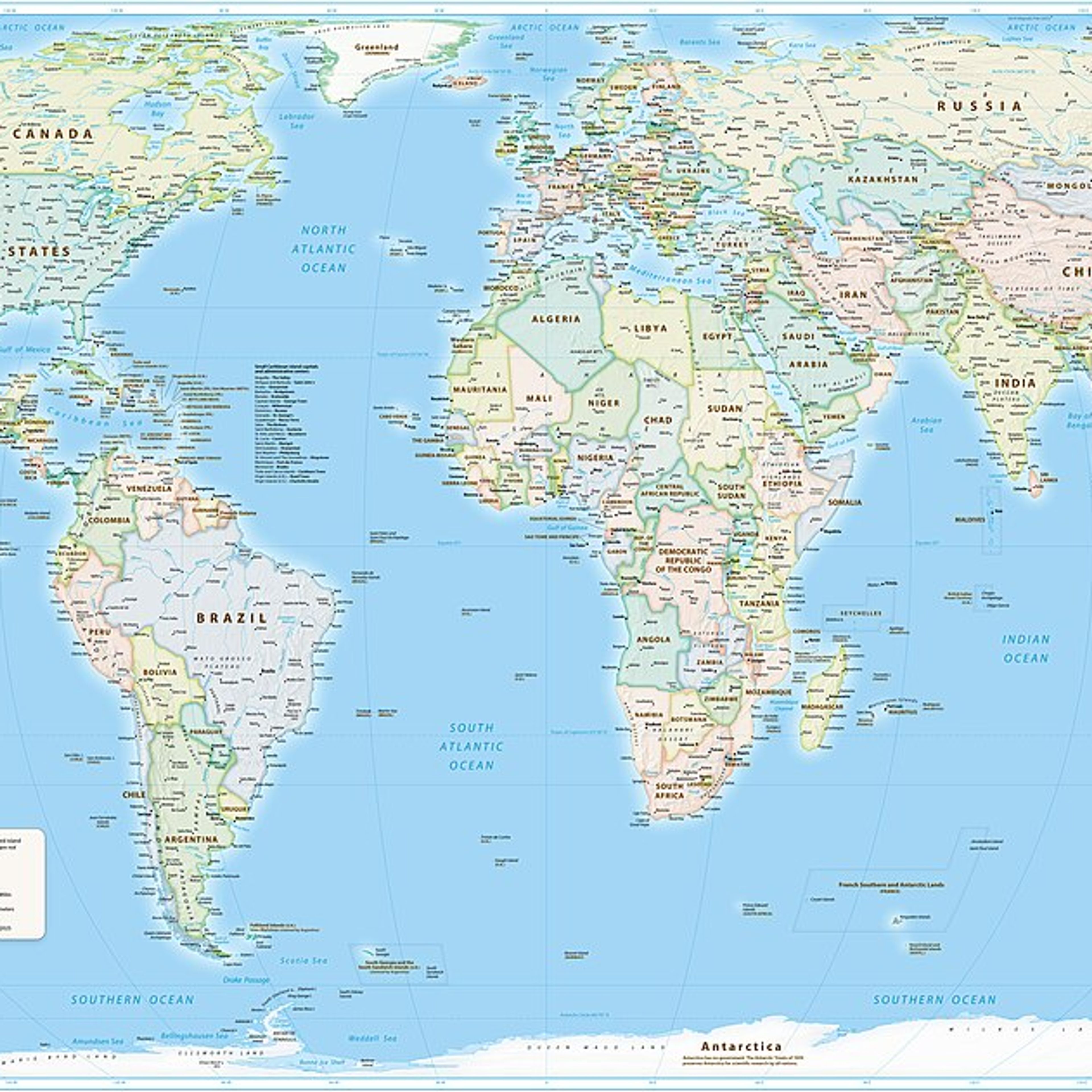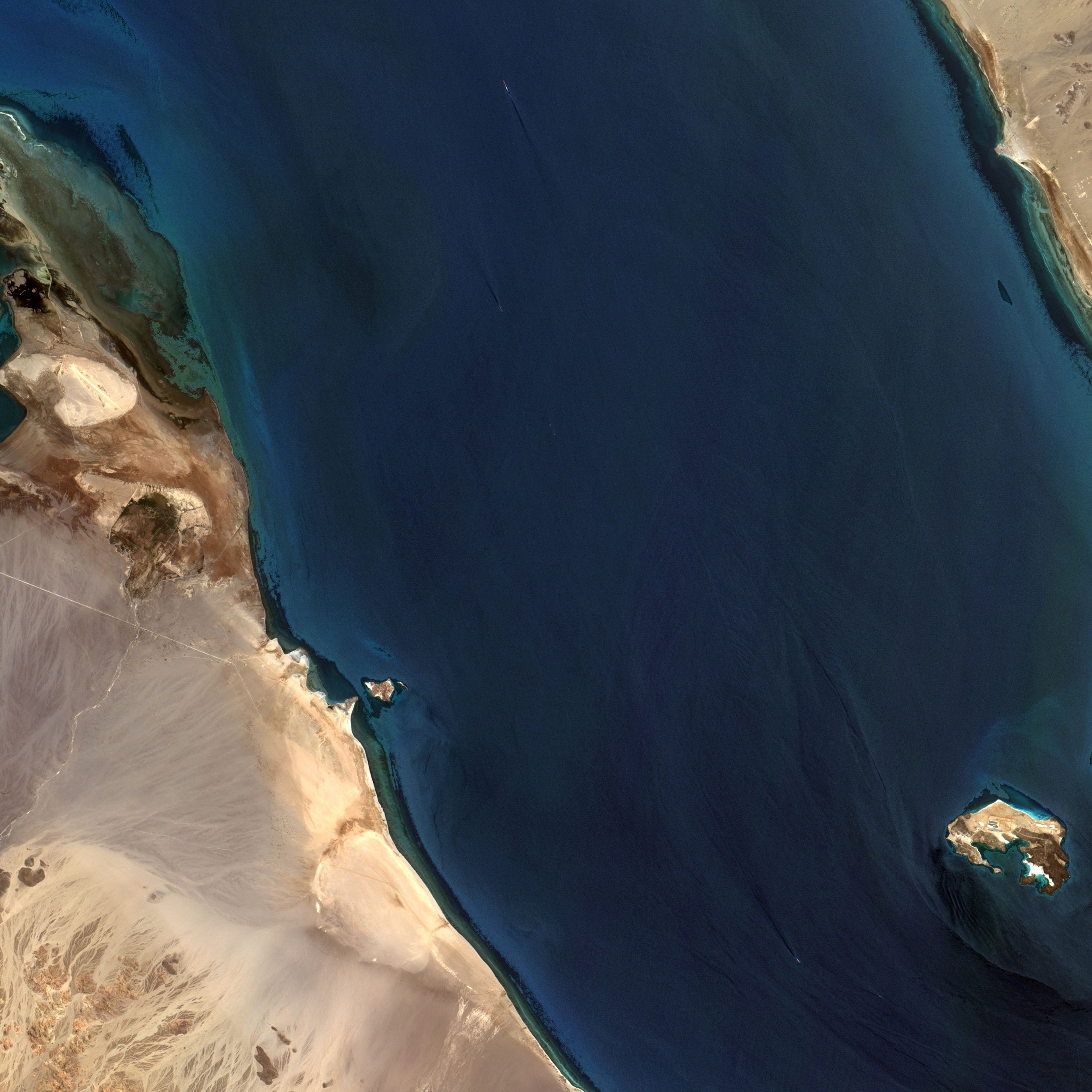
On September 11, the Houthis captured Perim Island, a 13-square-kilometre volcanic island sitting in the middle of the Bab el-Mandeb Strait in the Red Sea. With this capture, the Houthis have shut down the only available sea route for Saudi oil exports. Within a day, Saudi Arabia's Ministry of Foreign Affairs said it was shutting down the strategic East-West Pipeline after it was hit by “several drones coming from Iraq,” which caused injuries and damage to pumping infrastructure near Riyadh and Medina. The pipeline links the Abqaiq processing complex to the export terminal at Yanbu on the Red Sea. The pipeline moves 4-5 million barrels a day and was meant to keep Saudi crude flowing through the Red Sea even after Iran effectively closed the Strait of Hormuz to most shipping. Iran-aligned forces have now closed this route, too.
Caught off guard
This sudden development has caught the Gulf kingdom off guard, though there had been sufficient warning of an impending crisis. Saudi oil exports are now threatened with no sea route fully open. The kingdom faces this squeeze despite US protection and its improved deterrence posture under the newly signed Mecca Joint Defence Agreement with Pakistan and Turkey on August 7. The pact is styled on NATO's Article 5-style mutual-defence clause, under which an armed attack on any one of the three is to be treated as an attack on all.
How Saudi Arabia ended up in this tight spot offers a few geostrategic lessons. Viewed from a bird's-eye view, the kingdom's present crisis is the culmination of two ongoing Middle Eastern conflicts to which it is a party: its long campaign against the Houthis in Yemen, and the US-Israel war on Iran. Though Riyadh sought at different points to extricate itself from both conflicts, those plans did not materialise and the country has instead been dragged deeper into the quagmire.
Yemen war
Saudi-Houthi hostilities date back to 2014-15, when the Iran-aligned Houthi movement seized Yemen's capital, Sanaa, and large parts of the country, ousting the internationally recognised government. Saudi Arabia, backing that ousted government and its allied factions, assembled a coalition and launched a military intervention in 2015 to reverse the Houthi takeover. The war dragged on for years and more than 150,000 people are estimated to have died in the direct fighting. Saudi Arabia continued its campaign by mostly relying on its air power.
The conflict reached a turning point in 2019, after a major drone-and-missile attack - claimed by the Houthis but widely attributed to Iran - struck Saudi Aramco's Abqaiq and Khurais facilities and temporarily knocked out roughly half the kingdom's oil output. The heavy military and economic cost of this incident pushed Riyadh to seek an exit. With Chinese mediation, Saudi Arabia and Iran restored diplomatic relations in 2023, and a fragile UN-brokered 2022 ceasefire between Saudi Arabia and the Houthis largely held. The kingdom's initial resolve to stay out of renewed conflict, however, gradually waned.
War reignited
Riyadh's alignment behind its longtime ally Washington against Tehran eventually pulled it back into direct conflict with the Houthis. The long-holding truce unravelled after the US and Israel launched a "regime-change" campaign against Iran on February 28, 2026 - a strike that killed Iran's Supreme Leader, Ayatollah Ali Khamenei, along with several family members. Iran and its allied militias retaliated against American, Israeli and regional Gulf targets. The Houthis initially held back, declining Iranian requests to join the fight directly.
However, Houthis' decision changed over a dispute involving direct flights between Sanaa and Tehran. On July 3, 2026, a Mahan Air flight landed at Houthi-controlled Sanaa International Airport and flew a Houthi delegation of roughly 200 people to Tehran to attend Khamenei's funeral. Houthi official Dayfallah al-Shami defended the flight in Tehran, describing its passengers as “stranded, wounded and sick Yemenis” returning from medical treatment. Saudi Arabia and the Yemeni government rejected that framing and objected to the flight as a violation of Yemeni sovereignty, though Sanaa's airport is not under the internationally recognised government's control.
When the same aircraft attempted to return the delegation to Sanaa on July 13, Yemeni government forces, backed by Saudi Arabia, struck the runway at Sanaa airport that day to block the landing; the flight diverted to Hodeidah instead. A Reuters report, citing Iranian sources, said the flight was carrying the Houthi delegation, IRGC commanders and military equipment. The Houthis immediately declared their ceasefire with Saudi Arabia and the Yemeni government over.
Blockade
Days later, the Houthis imposed a naval blockade on Saudi Arabia and began striking Saudi oil tankers in the Red Sea. Saudi Arabia responded by bombing Houthi positions in Hodeidah, and the Houthis retaliated by hitting the Jizan refinery and the port of Yanbu. The campaign intensified through late summer, culminating in the Houthis capturing the key Red Sea coastal city of Mocha on September 10, and seizing Perim Island the following day. Around the same time, drone attacks were reported on the East-West Pipeline. Saudi Aramco CEO Amin Nasser said last month that the pipeline had done more to cushion the kingdom's oil-supply disruption - underscoring how central the route had become before this week's attack took it offline too.
With both maritime export corridors now compromised - the Strait of Hormuz choked off by Iran and Bab el-Mandeb under Houthi control - Saudi Arabia has effectively lost its available maritime export routes. Iran and the Houthis appear to be running a variant of their earlier playbook: where the 2019 Aramco strike targeted oil assets directly, this campaign has combined closing off export routes with strikes on oil infrastructure.
Betting on Attrition
The US, Israel and their Gulf partners are betting that Iran cannot sustain the war indefinitely. President Donald Trump has repeatedly predicted the war would wind down shortly, most recently suggesting it would be over around the time of the November midterm elections. However, most of his predictions have not held so far, and Iran has proven more resilient than expected. The Gulf monarchies appear to be making the same wager: that despite mounting costs, backing the campaign to permanently neutralise the "Iran threat" is worth absorbing short-term costs. Saudi Arabia also appears to have applied the same calculation to its conflict with the Houthis. It’s better to fight out Houthis now rather than postponing the problem for future.
Failed deterrent
Notably, the Houthis' rapid Red Sea campaign escalated after Pakistan reportedly relayed a Saudi warning to Iran that further Houthi attacks on Saudi soil could trigger the mutual-defence clause of the Mecca pact. Iran is said to have replied that it had no control over the Houthis, after which the conflict intensified further. Iranian lawmaker Mahmoud Nabavian has cautioned Riyadh that “cooperation with Turkey and Pakistan would not guarantee their security.” For now, the deterrent effect Saudi Arabia and Pakistan hoped the joint defence pact would produce has not materialised. However, this calculation has failed to provide a tactical win.
Iran's coalition
If anything, it is Iran that has scored a strategic gain - by knitting together its IRGC, Iraqi militia groups (the Popular Mobilisation Units), and the Houthis into a more coordinated front. Tehran said to have persuaded the Houthis to open a second front by pressuring the Red Sea corridor, while also building operational coordination between the Houthis and Iraqi militias. Regional officials have told the Associated Press that the Houthis helped Iraqi militias plan and execute the recent drone strikes on Saudi oil infrastructure - an allegation Baghdad has not confirmed but is investigating.
What Comes Next
Despite the squeeze, Saudi Arabia has continued to back the US campaign against Iran. The US and Israel do not appear to have a direct incentive to end the war, absent sustained pressure from the Gulf states. With a second front now open along the Red Sea, the war looks set to intensify further. For now, no one has a clear projection of how long this conflict could last, or how it might end.