Pakistan has delivered a Saudi warning to Iran to rein in its Yemeni Houthi allies, after a sharp escalation in attacks on Saudi Arabia pushed the Gulf’s simmering proxy conflict towards the edge of a wider regional war. The warning, conveyed by Islamabad, follows a wave of Houthi missile and drone strikes on Tuesday (September 8) that struck a Saudi airbase in Khamis Mushait along with oil infrastructure in nearby Saudi cities, injuring 73 people. Houthi targets reportedly also included Abha, Jazan and Najran.
Khamis Mushait hosts King Khalid Air Base, one of the kingdom’s key military installations, making this among the most serious assaults on Saudi Arabia since the US-Israeli war on Iran began in February. Riyadh’s response was immediate and heavy. Houthi military spokesman Yahya Saree said Saudi warplanes had carried out 54 airstrikes across multiple Yemeni provinces within 12 hours, vowing the strikes would “not go unanswered and unpunished”.
Tehran’s mixed signals
Pakistan carried Saudi Arabia’s message and asked Iran to use its influence over the Houthis to halt the attacks, or risk turning a proxy war into a full-blown regional crisis. Tehran’s official line, delivered to Islamabad on Tuesday, was that Iran does not control the Houthi movement.
A Reuters report, however, contradicted that claim. Citing two Iranian officials briefed on the matter, the agency said Tehran had instructed the Houthis last week to strike Saudi Arabia, promising additional funding and weapons, and that several Islamic Revolutionary Guard Corps commanders had travelled to Yemen to help coordinate the operation.
Treaty obligation
Islamabad’s intervention goes beyond diplomatic goodwill as this time, it spoke to Tehran as a member of the Mecca defence pact. Pakistan, Saudi Arabia and Turkey signed the Mecca Joint Defence Agreement last month, and Pakistani Defence Minister Khawaja Asif has made clear that continued Houthi spillover into Saudi territory could activate it. “An aggression on one country will be considered an aggression on all three countries,” Asif said on Pakistani television, adding there was “no ambiguity or doubt” that unprovoked aggression against Saudi Arabia would make the pact operational. Officials in Islamabad have been careful to stress that any Pakistani military role would remain confined to defending Saudi soil.
Widening Gulf crisis
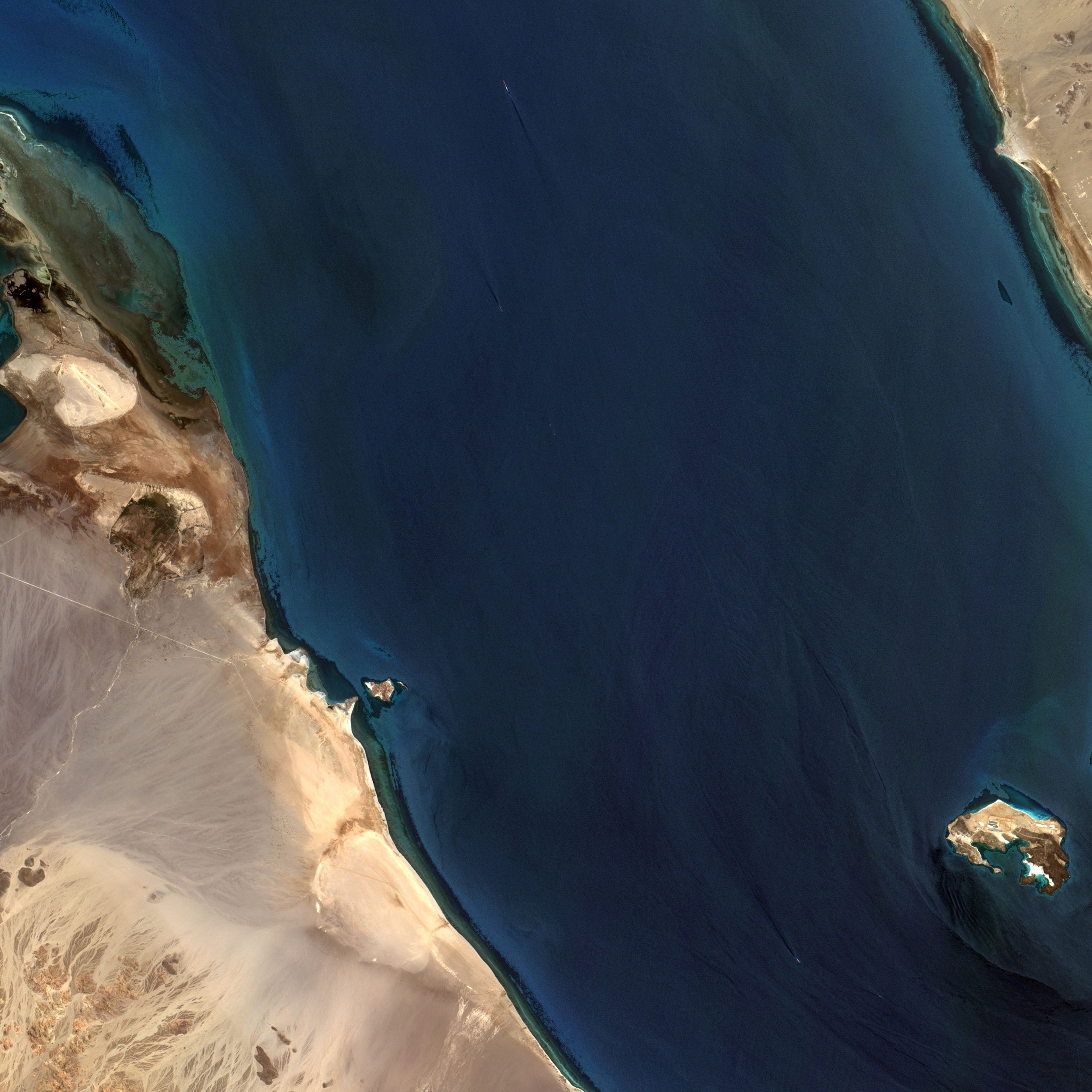
The escalation comes as Iran and the United States wage their biggest declared exchange of attacks on Gulf shipping since their war began, raising fresh concern for global energy markets that depend heavily on the security of Saudi export infrastructure and Gulf shipping lanes. Crude oil prices have surged beyond $100 a barrel.
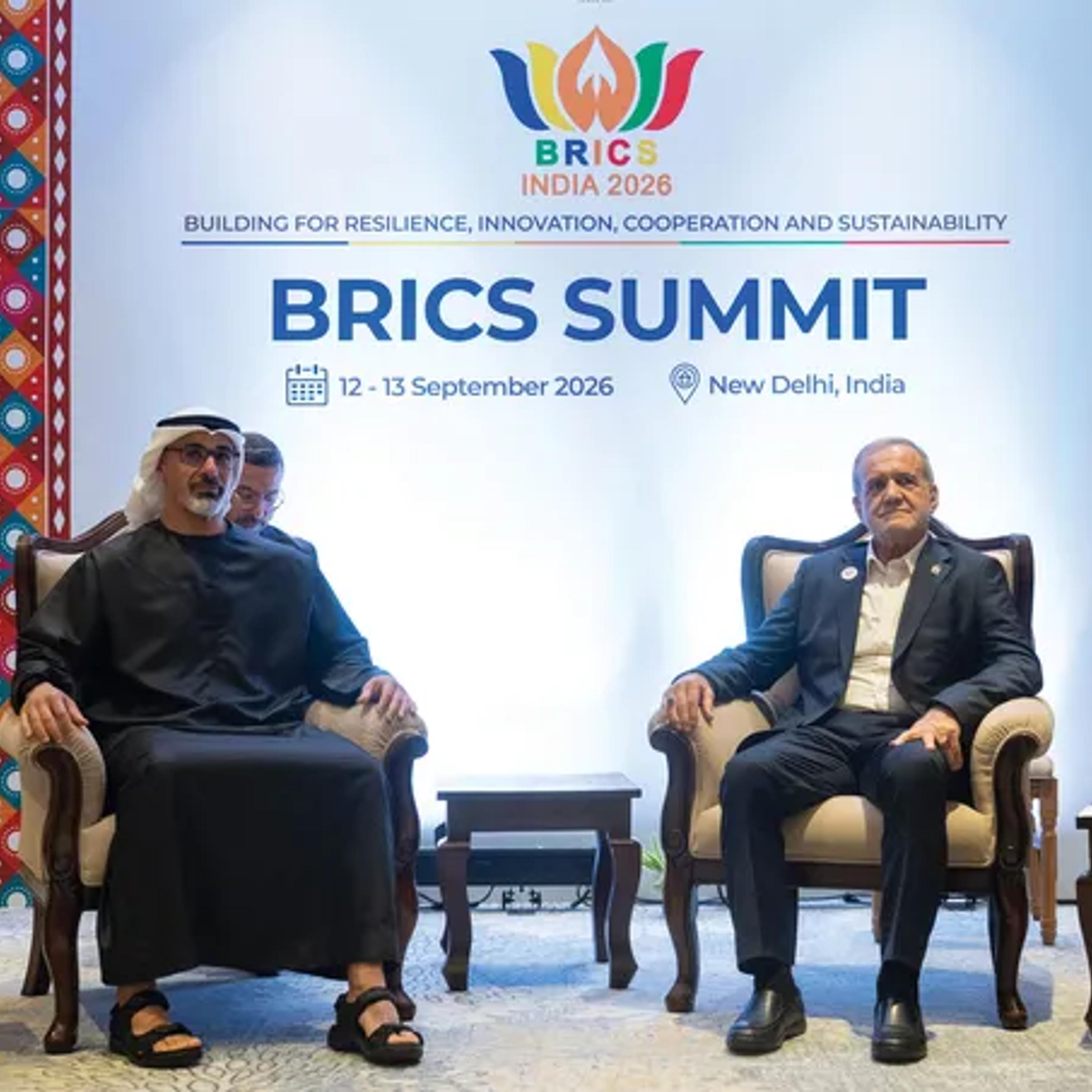
Pakistan’s diplomatic move follows weeks of high-level contact between Islamabad and Tehran. Pakistan’s military chief Asim Munir met Iranian President Masoud Pezeshkian in Tehran on August 24, and Prime Minister Shehbaz Sharif met Pezeshkian again in Bishkek on August 31. These engagements appear to have laid the groundwork for this week’s back-channel warning. For Islamabad, the balancing act is delicate as decades of close security ties with Riyadh sit alongside a long shared border and deep diplomatic relationship with Tehran.